Engagement
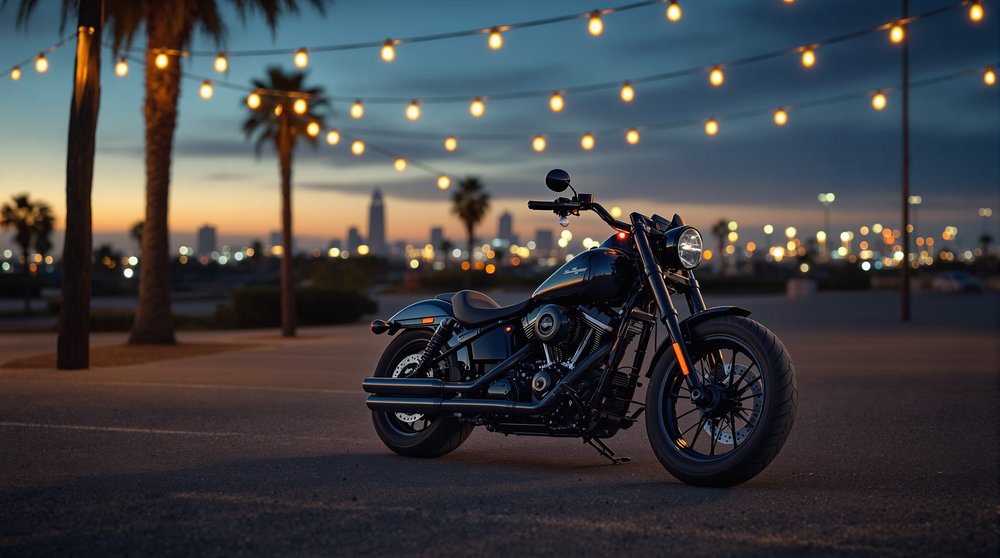
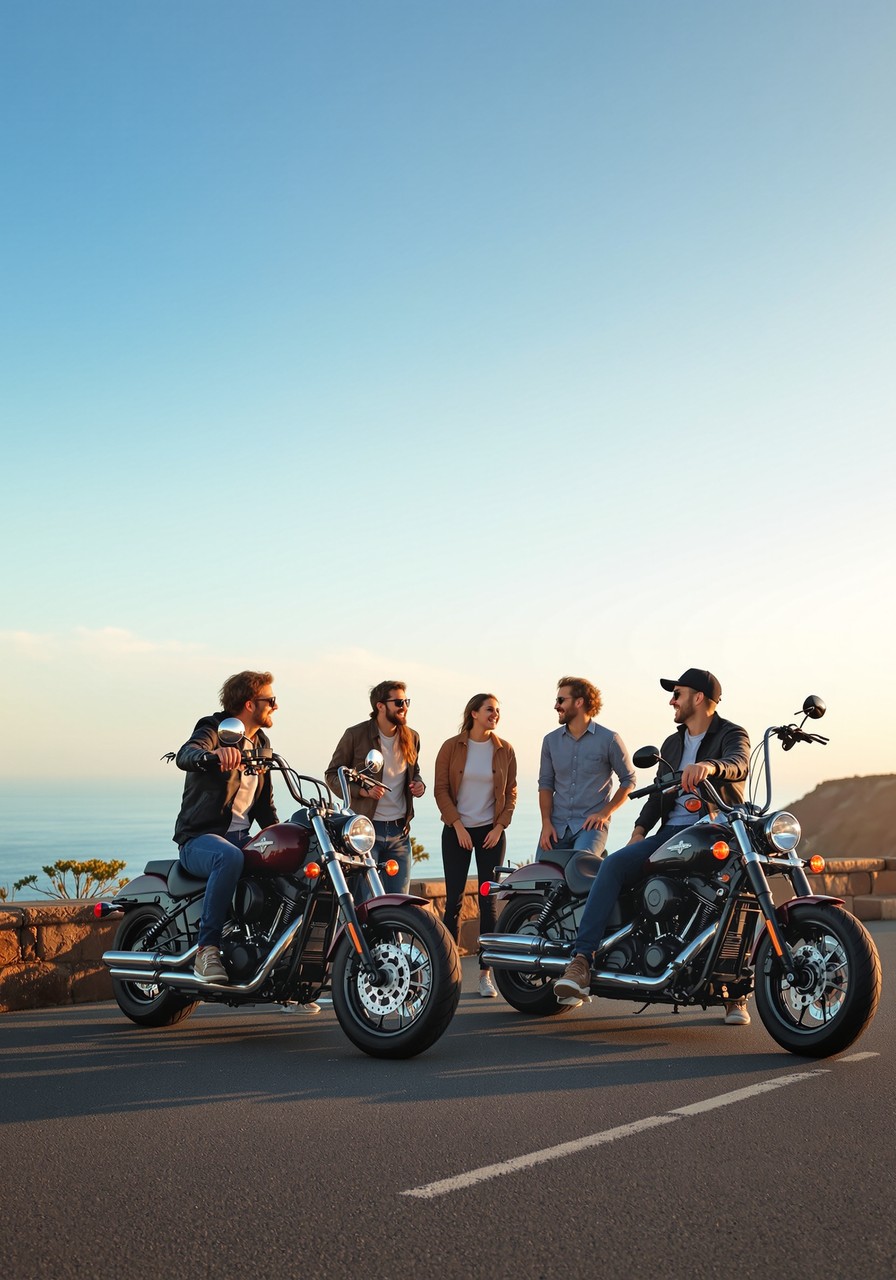
This or that: Palomar's South Grade switchbacks or a cruise up Sunrise Highway? Drop your pick below. #RideNationSD #PalomarMountain #SunriseHighway
Giveaway & Countdown
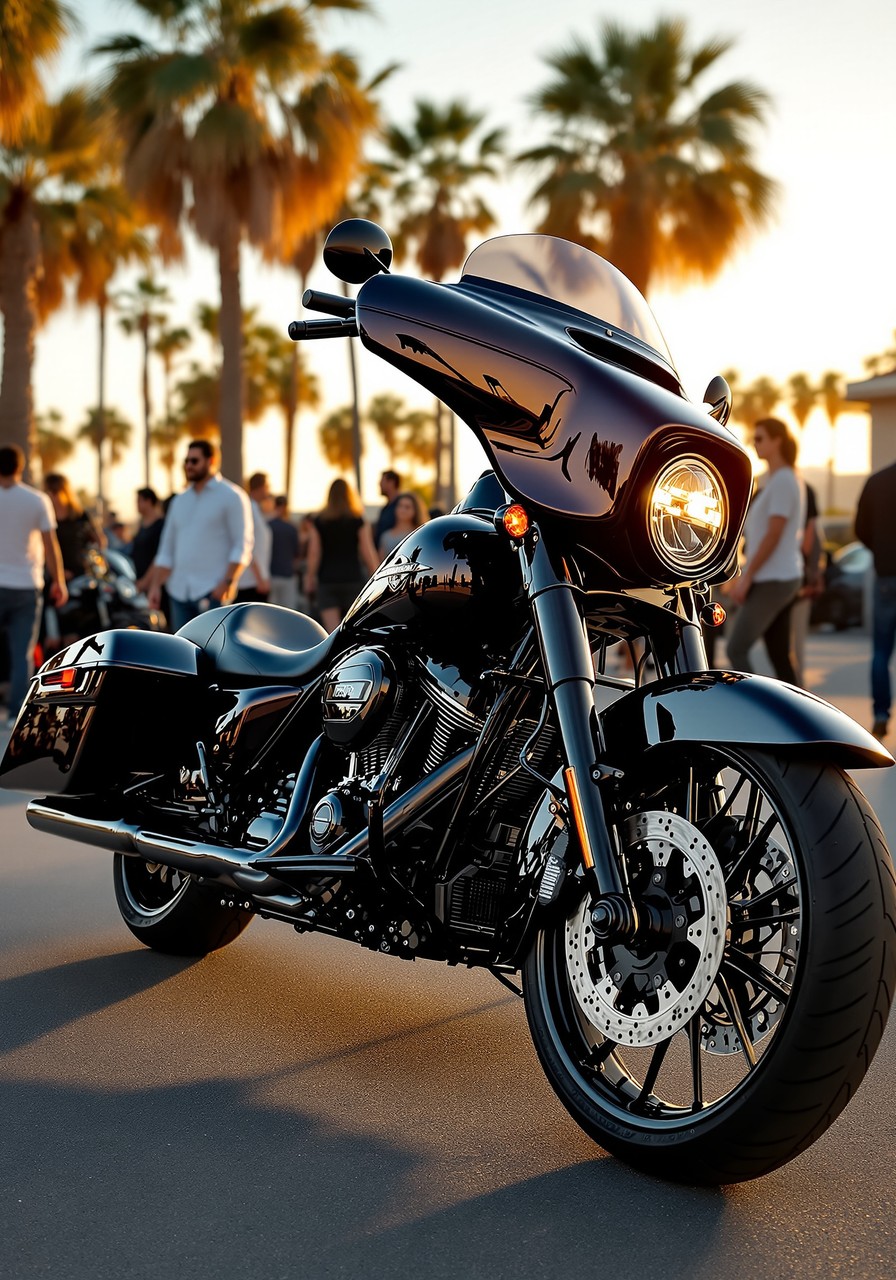
It's official: the BikersWin $20,000 motorcycle giveaway is here. Every rider who talks to Banker's Hill Law Firm about a crash gets entered for free. Call (619) 230-0330 to ask how to enter. #RideNationSD #BikersWin #20kGiveaway
Local San Diego & Rides
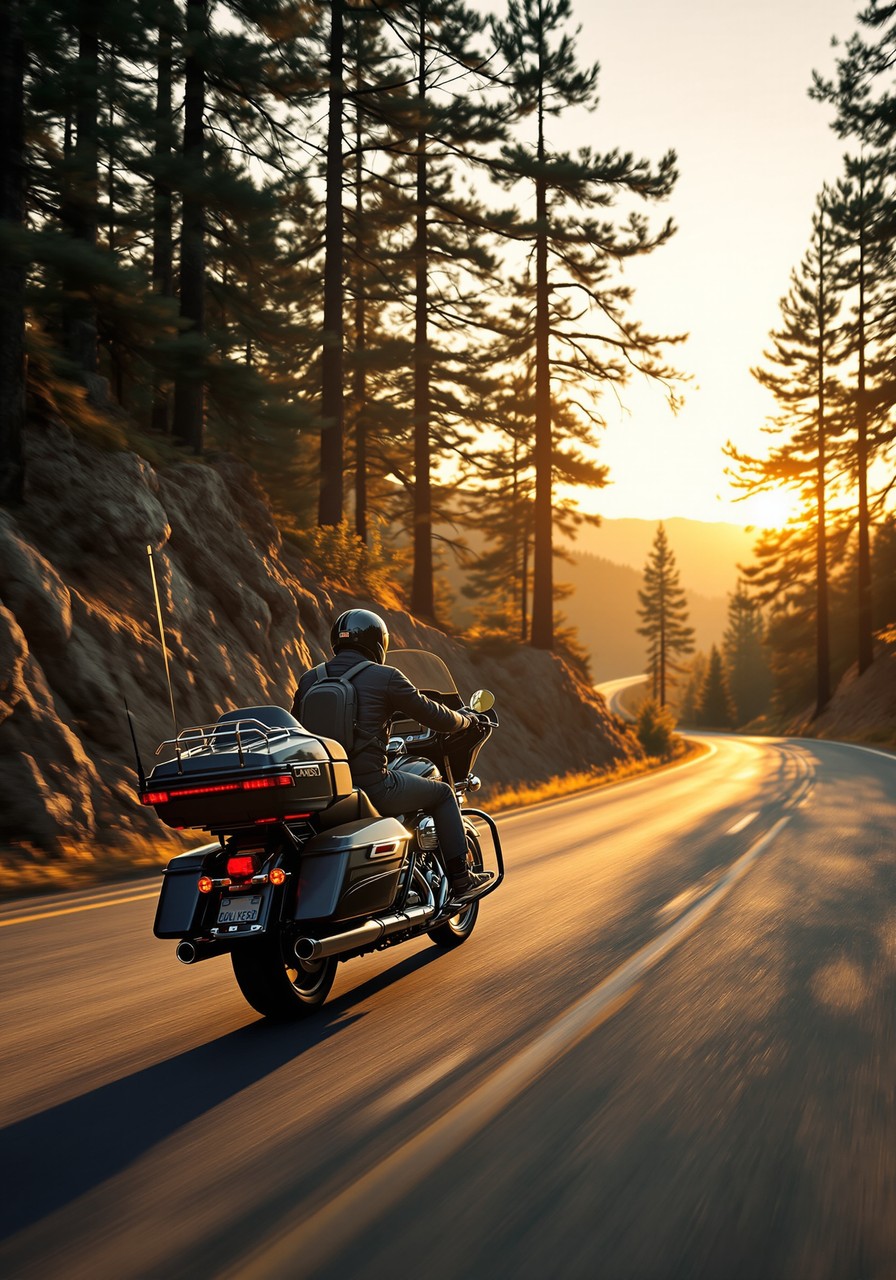
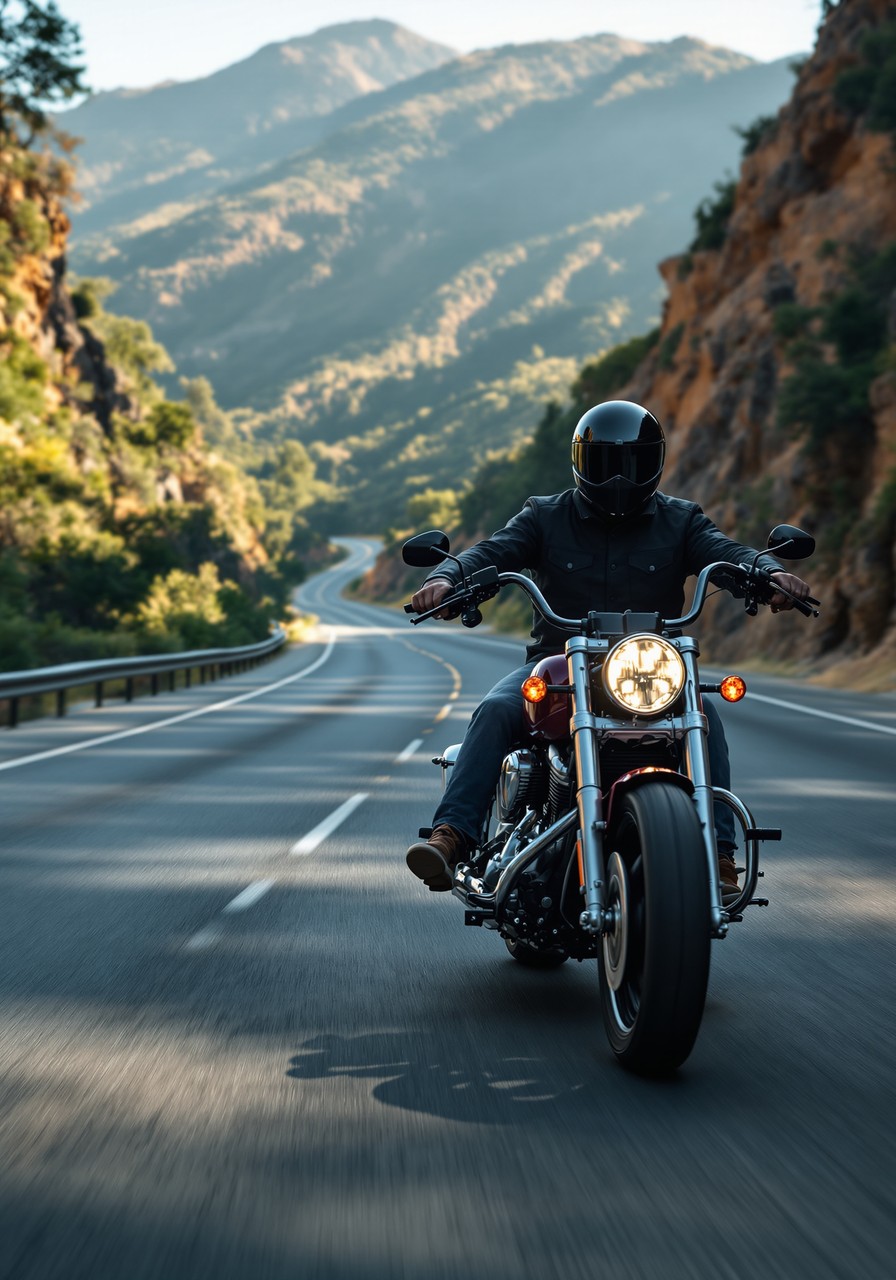
Palomar Mountain is calling. Climb the South Grade on S6, the Highway to the Stars, and reward yourself with a slice at Mother's Kitchen up top. #RideNationSD #PalomarMountain #SanDiego #SoCalRiders
Gear & New Iron
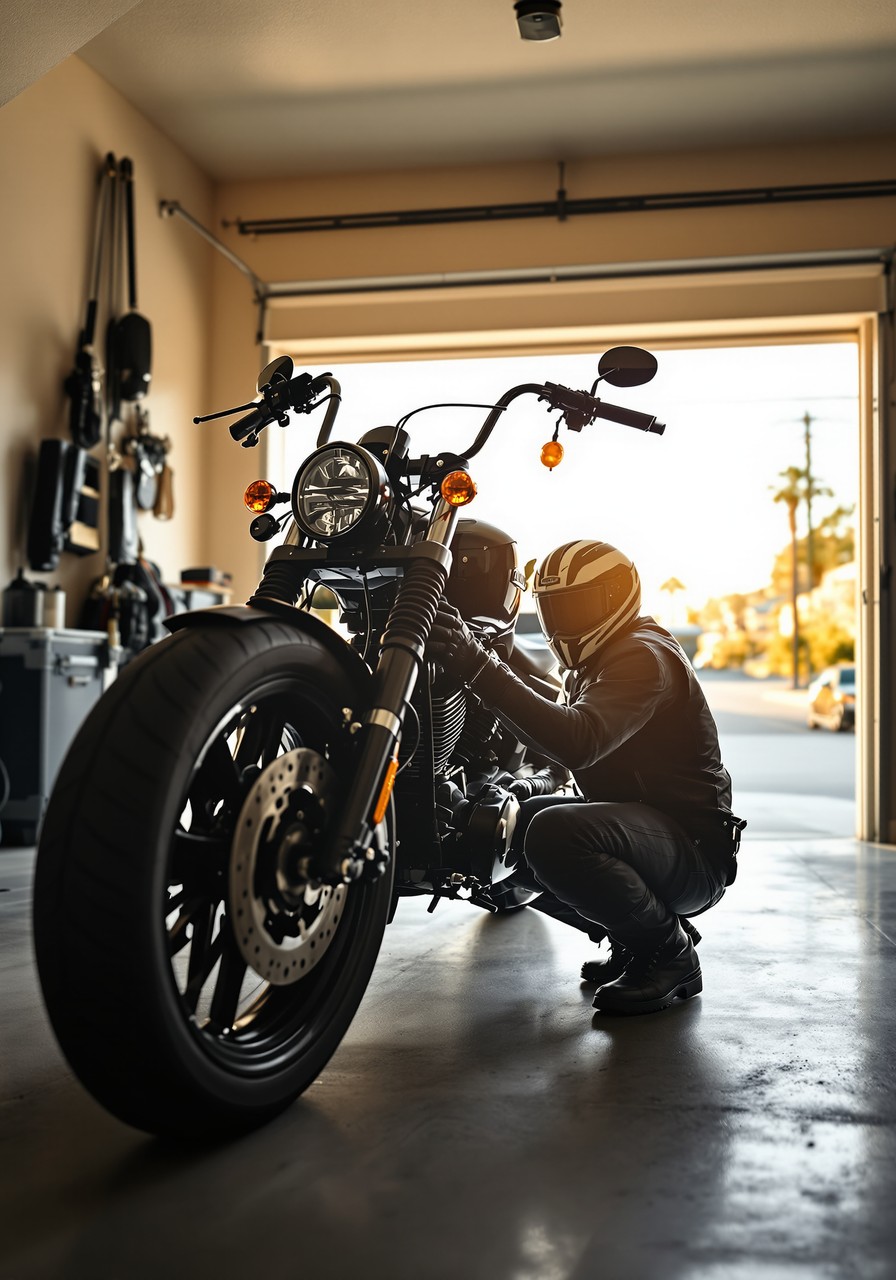
ATGATT is not a suggestion in California, the helmet part is the law and the rest is just smart. Full gear, every ride, no debate. #RideNationSD #ATGATT #GearUp #SanDiego
Safety & California Law
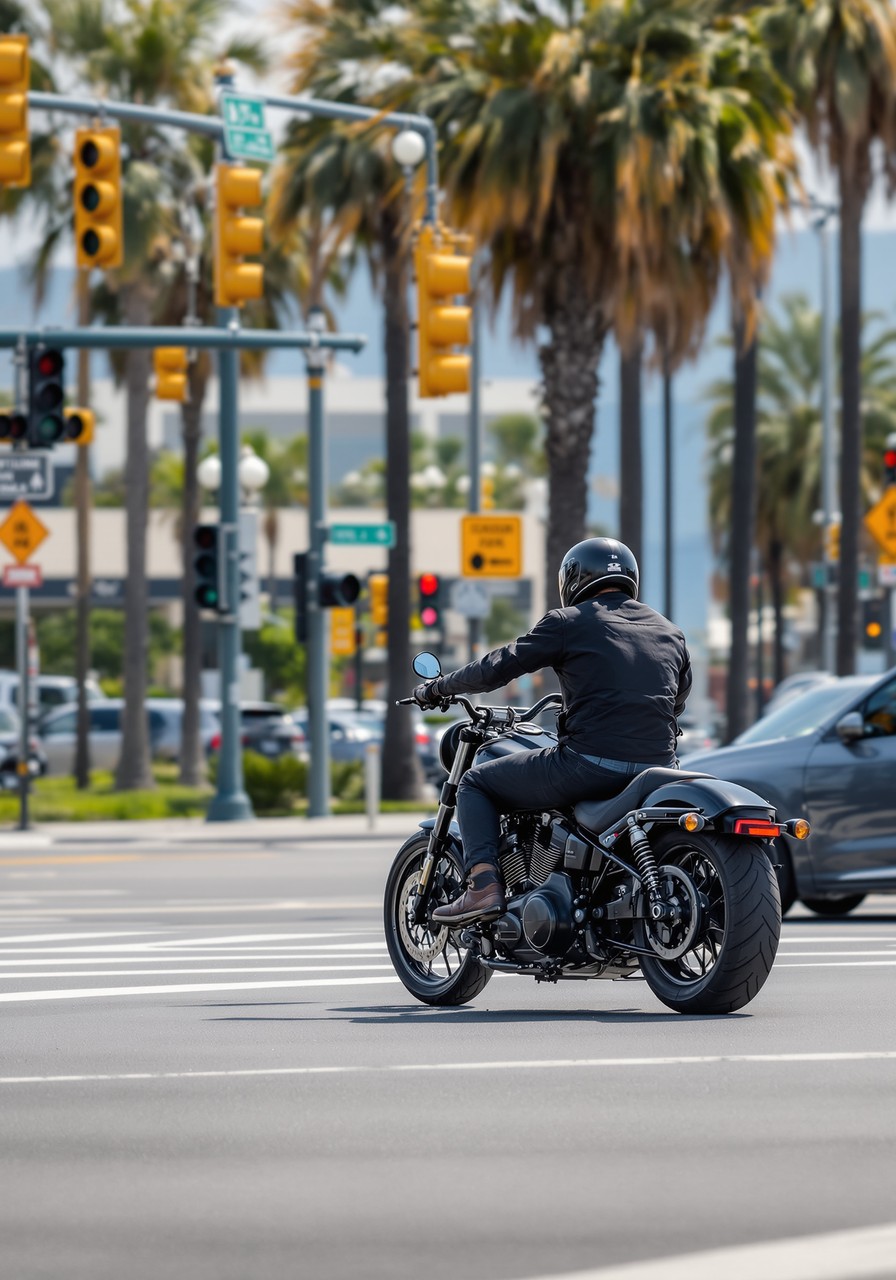
California is a pure comparative negligence state, which means even a partly at-fault rider can still recover, though your share of fault reduces the amount. Document the other driver's role from the start. Questions after a crash? Call Banker's Hill Law Firm at (619) 230-0330. #RideNationSD #RideSafe #CaliforniaLaw
Engagement
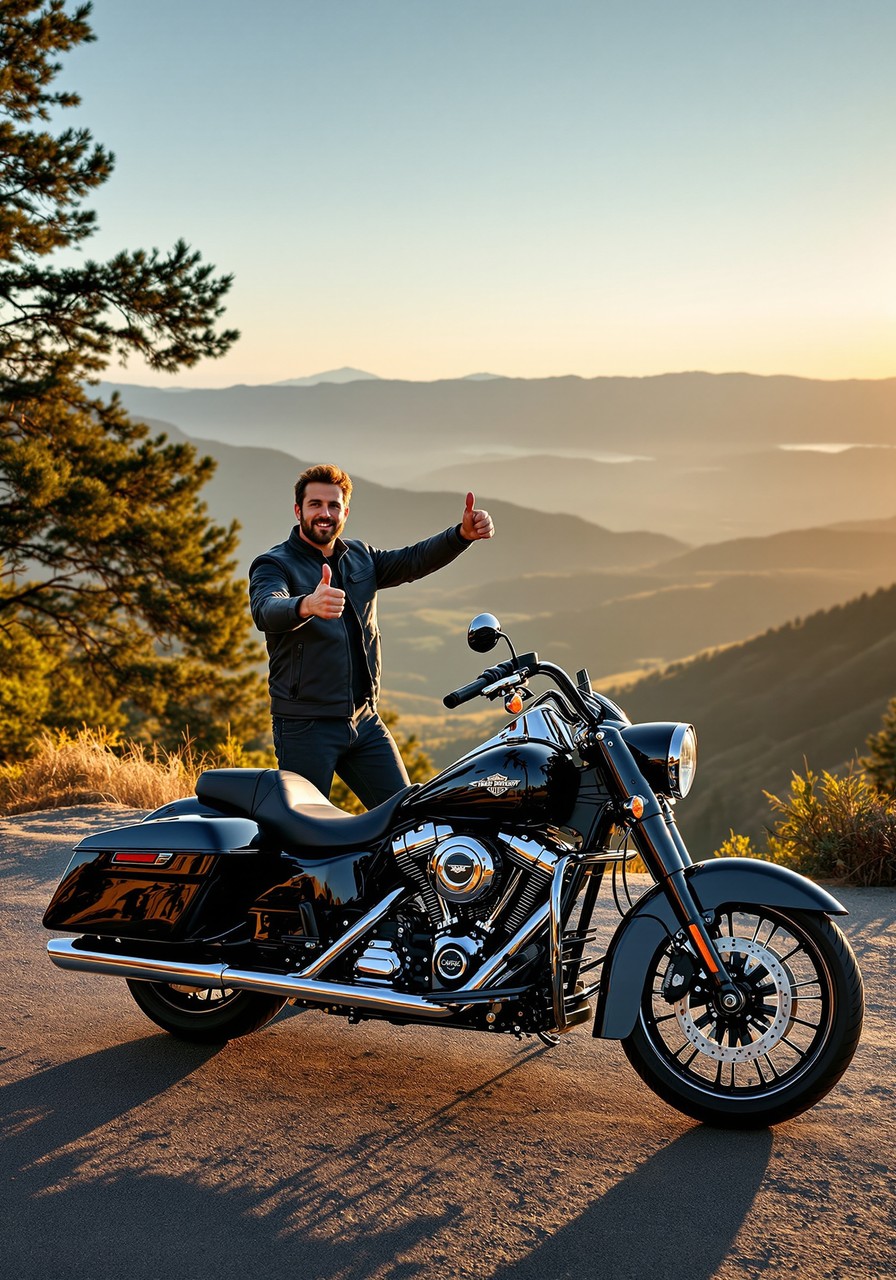
Caption this: you, your bike, and the first clear view from the top of Mount Soledad. Best line wins bragging rights. #RideNationSD #SanDiego #SanDiegoMoto
Giveaway & Countdown
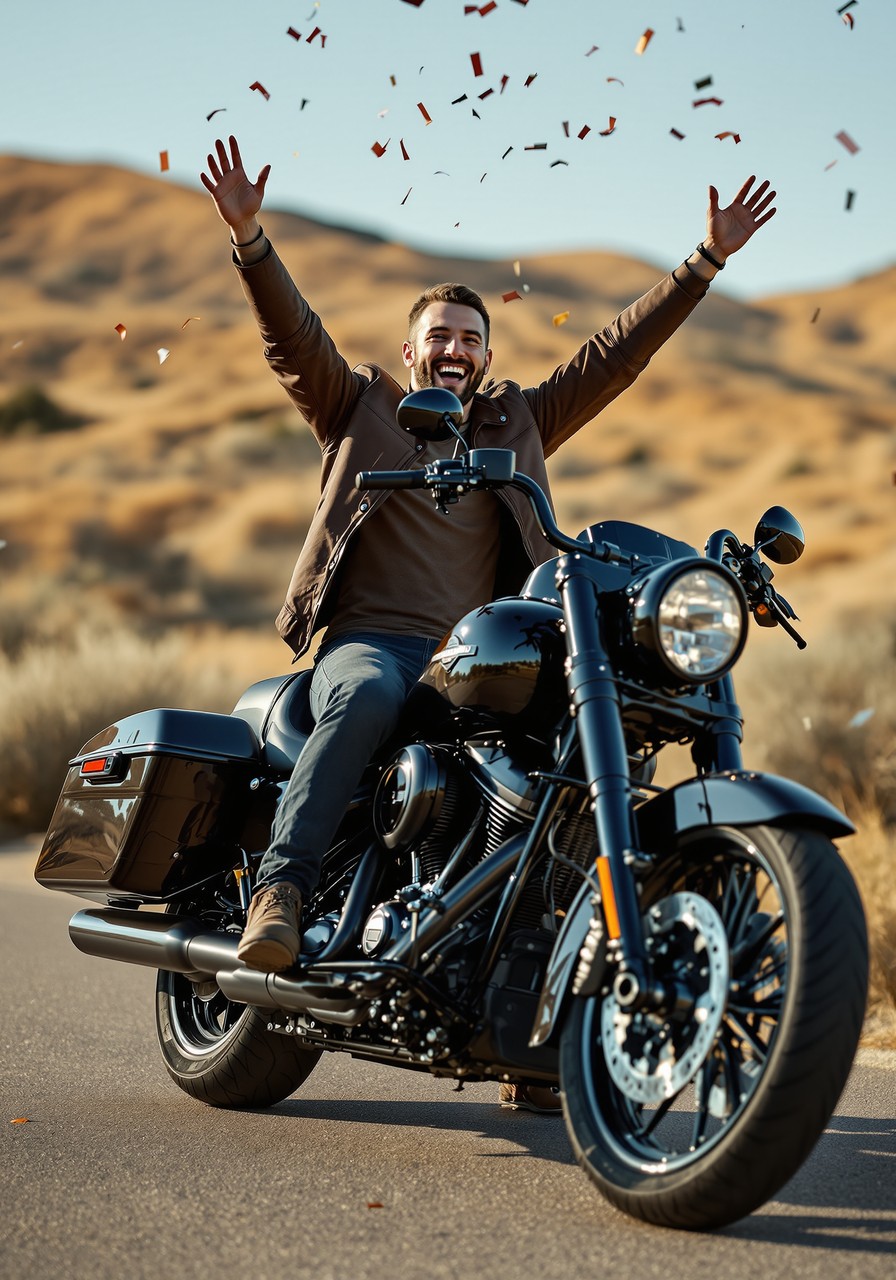
$20,000. One lucky San Diego rider. Drawing December 10. Talk to us about your crash and you're entered for free, no cost, no catch. Learn more at bhlflaw.com. #RideNationSD #BikersWin #20kGiveaway
Local San Diego & Rides
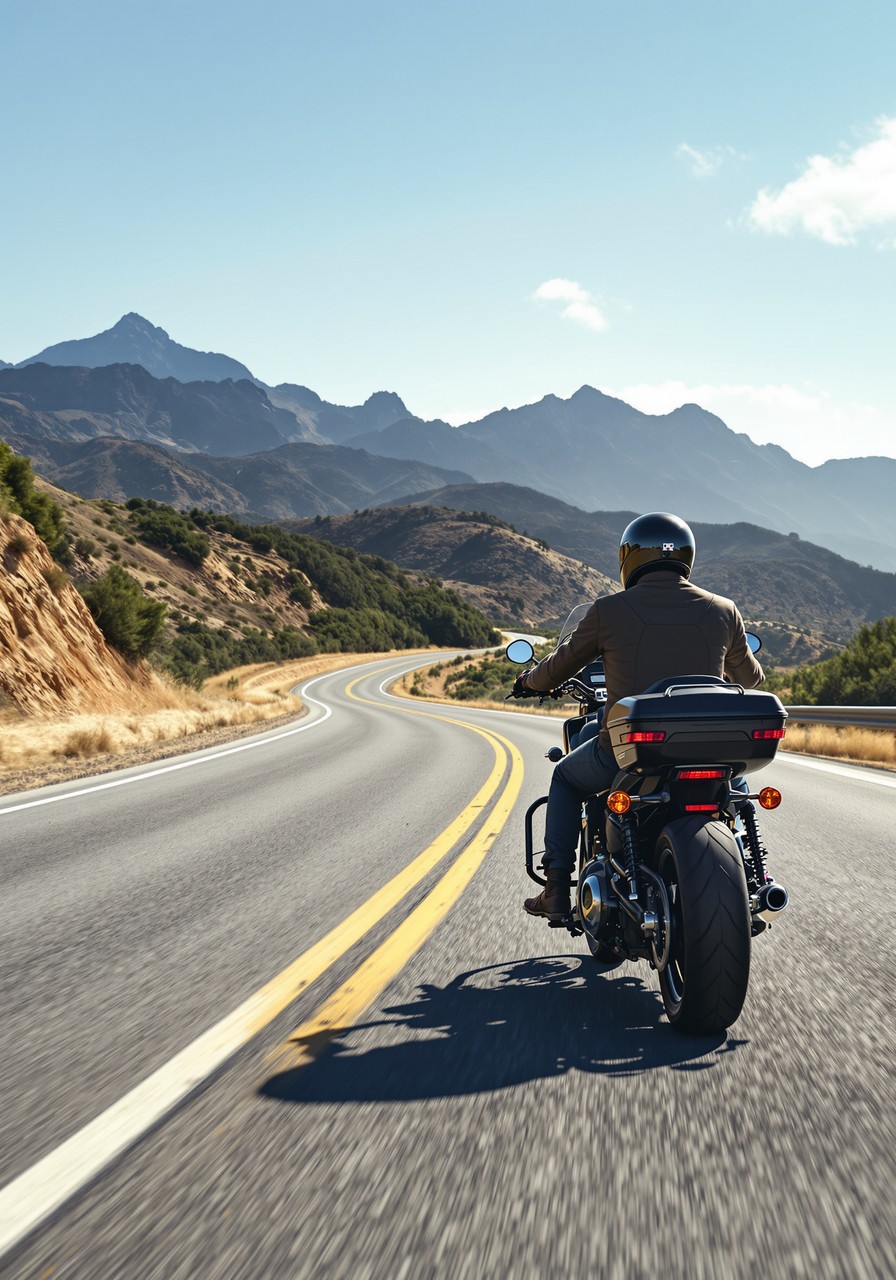
Sunrise Highway S1 through the Laguna Mountains hits different when the pines are cool and the pavement is empty. Mount Laguna is worth every mile. #RideNationSD #SunriseHighway #SanDiego #SoCalRiders
Gear & New Iron
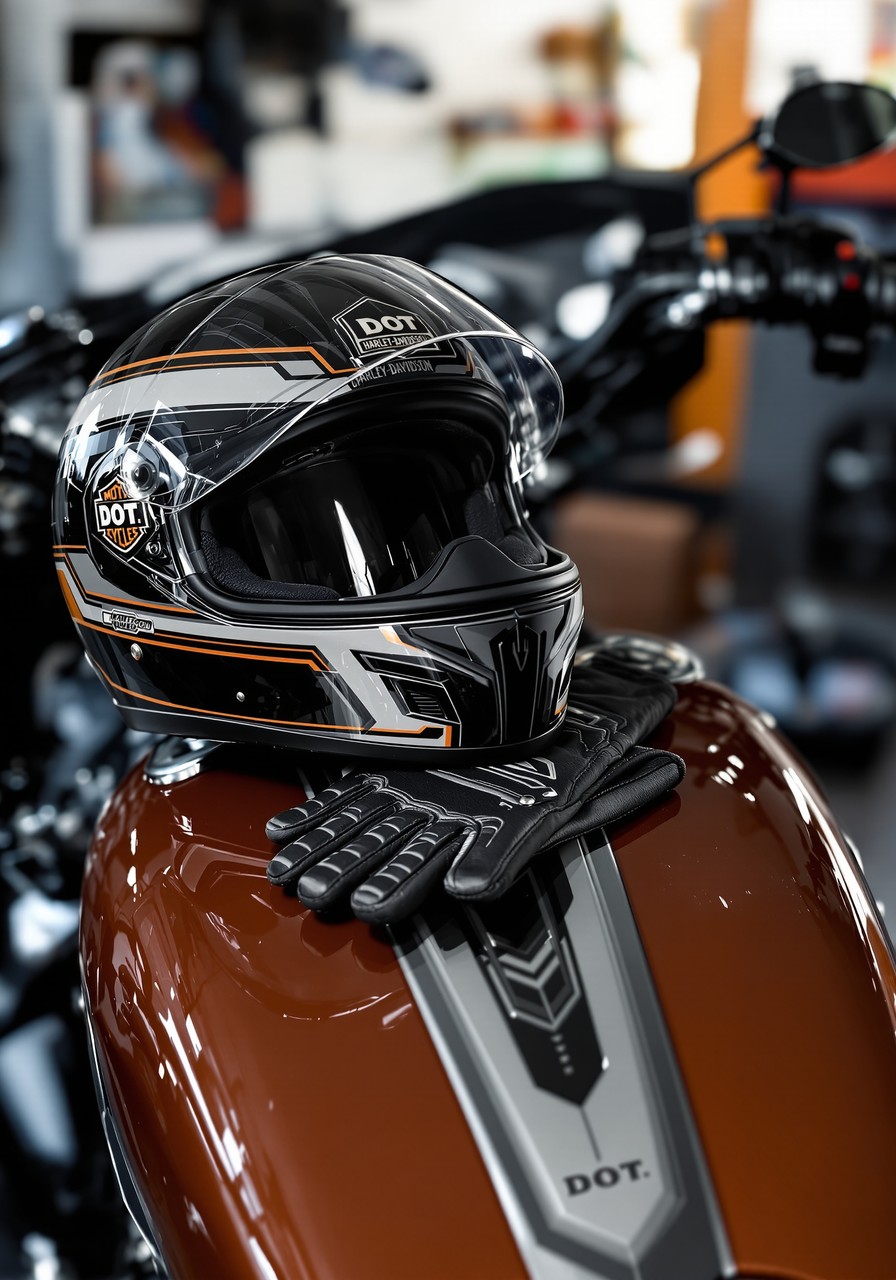
That marine layer morning in Encinitas feels cold at 55 mph. A good base layer under your jacket keeps the shivers off until the sun burns through. #RideNationSD #MotorcycleGear #SoCalRiders #GearUp
Safety & California Law
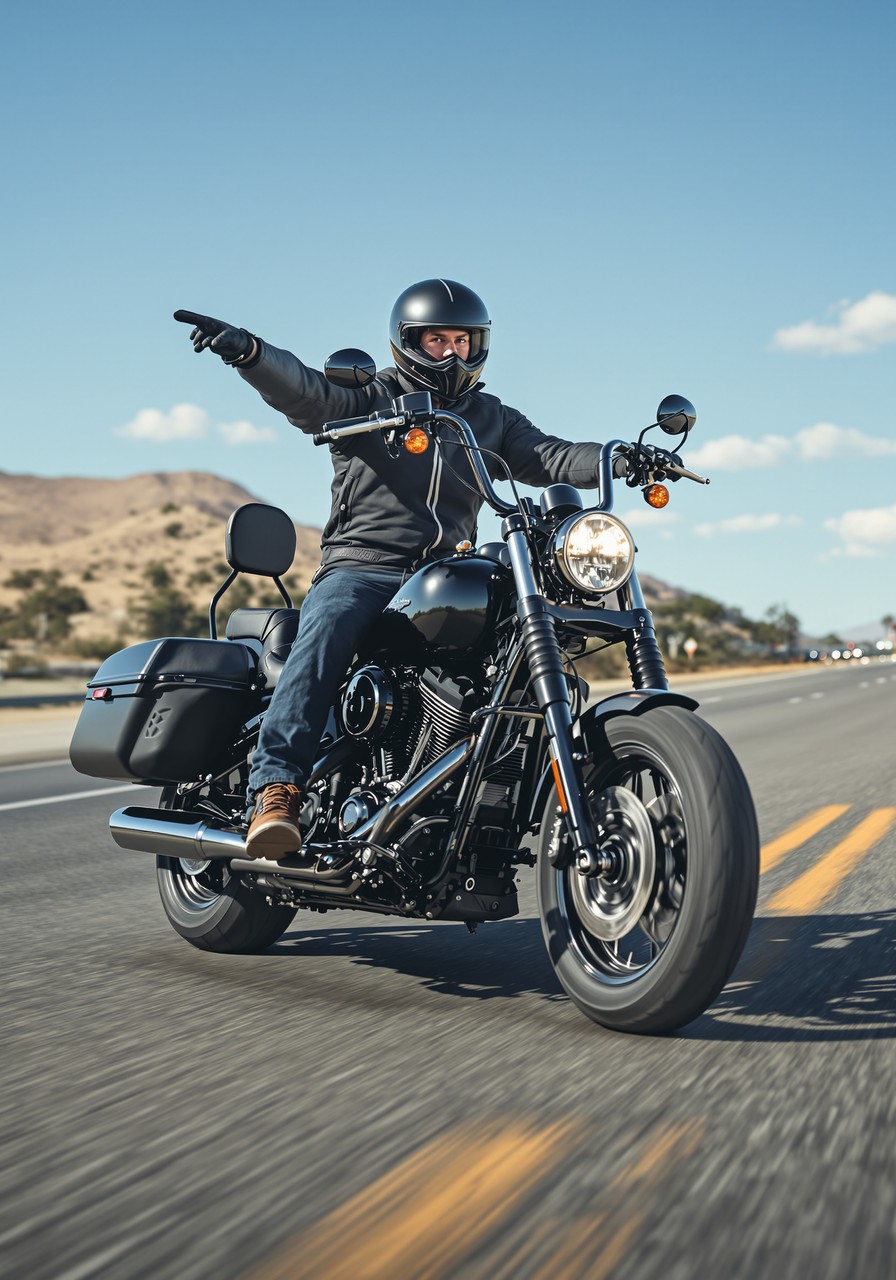
Lane splitting is legal in California under Vehicle Code 21658.1. Keep the speed difference reasonable and follow CHP guidance so you stay both legal and safe. #RideNationSD #RideSafe #LaneSplitting
Engagement
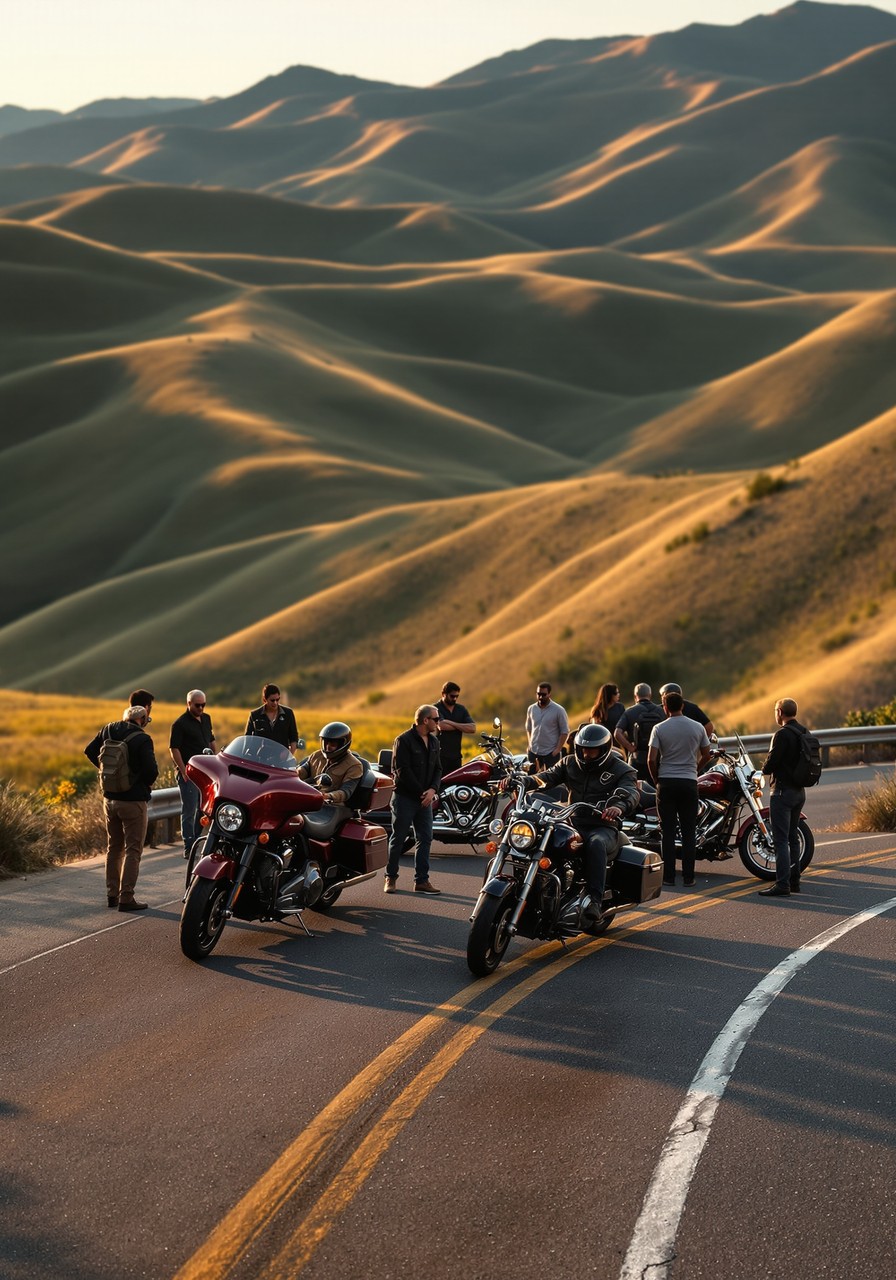
Fill in the blank: a perfect San Diego ride always ends with ______. #RideNationSD #SoCalRiders #SanDiegoMoto
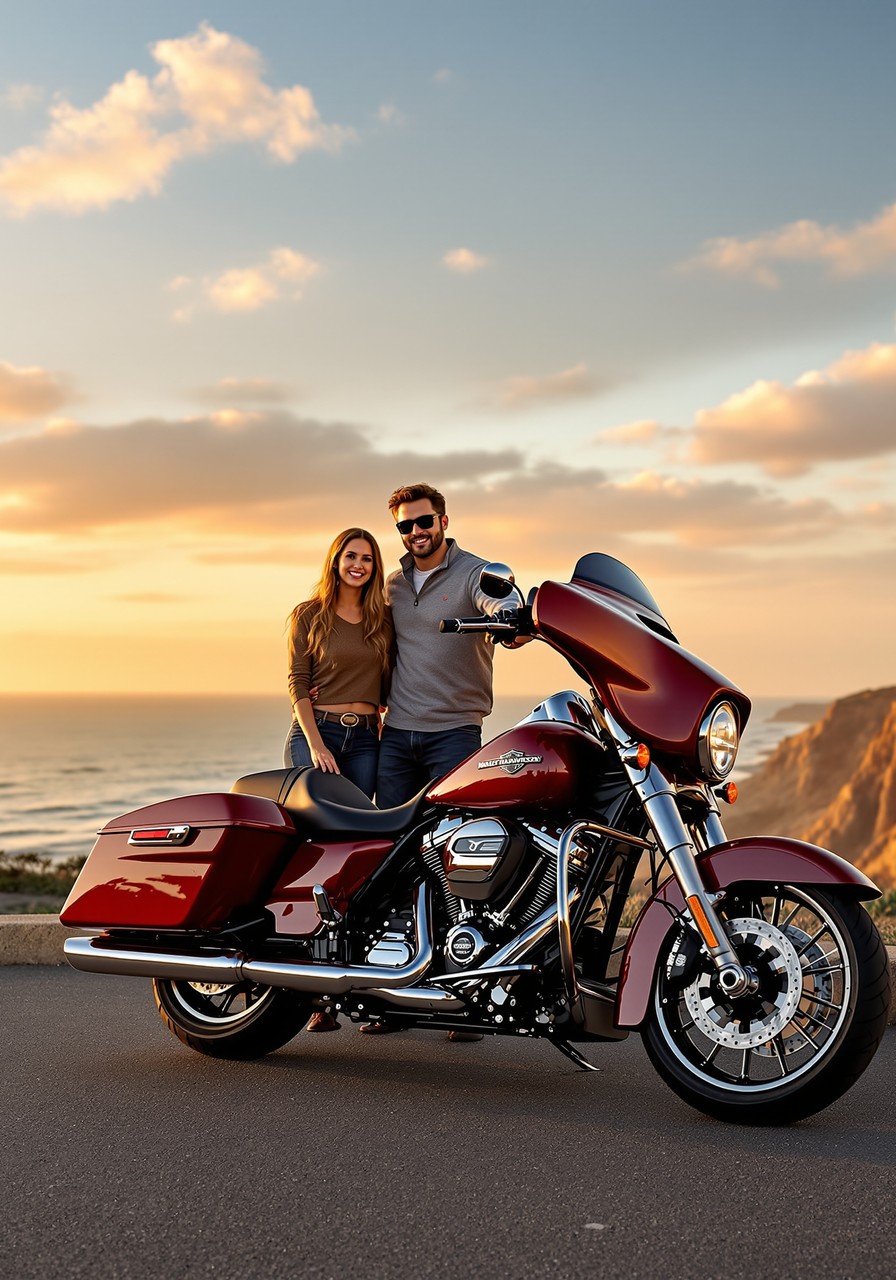
Giveaway & Countdown
The countdown is on. The BikersWin $20,000 giveaway draws December 10. Ask Banker's Hill Law Firm how your crash conversation gets you entered for free. Call (619) 230-0330. #RideNationSD #BikersWin
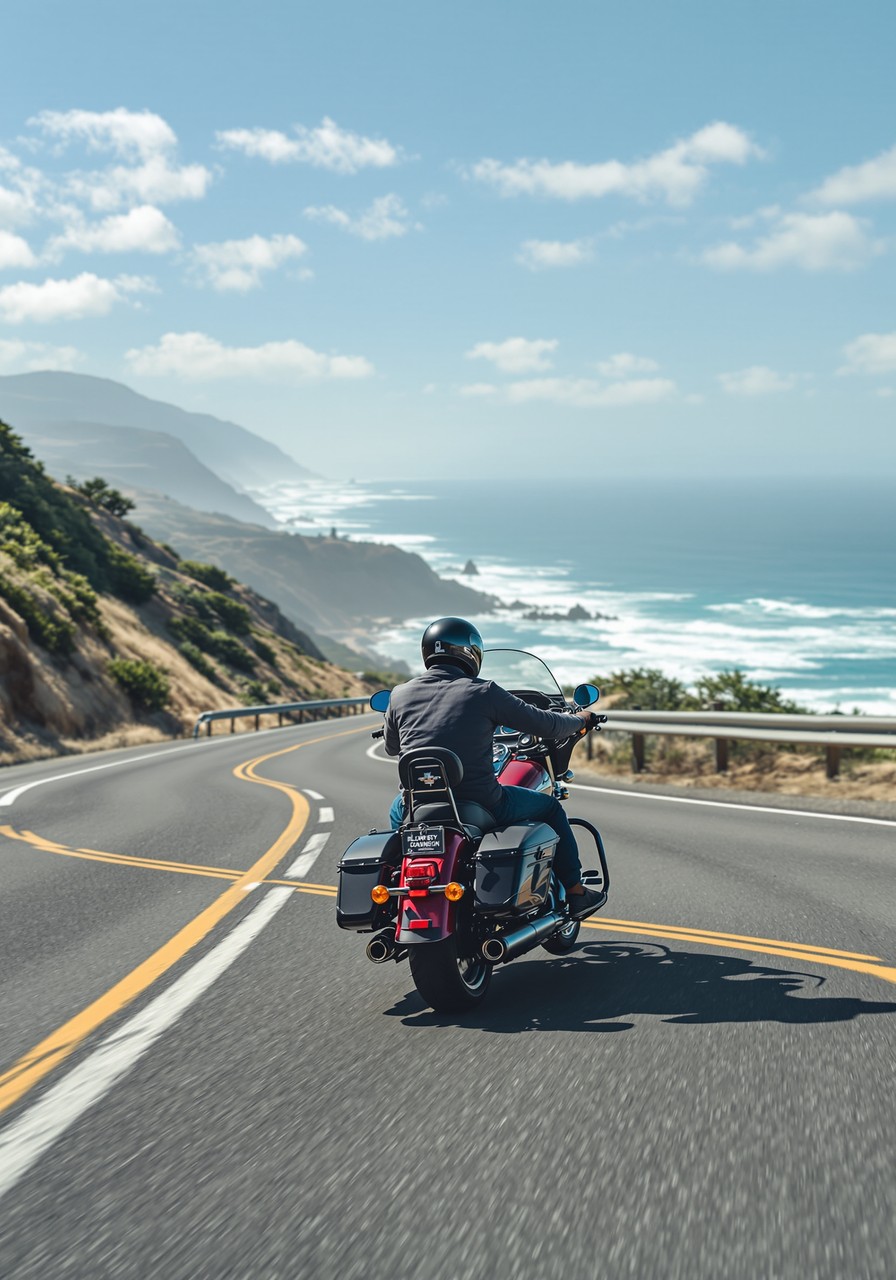
Local San Diego & Rides
Apple pie in Julian is basically a rider's rite of passage. Take the backcountry roads up and make a full day of it. #RideNationSD #Julian #SanDiego #SoCalRiders
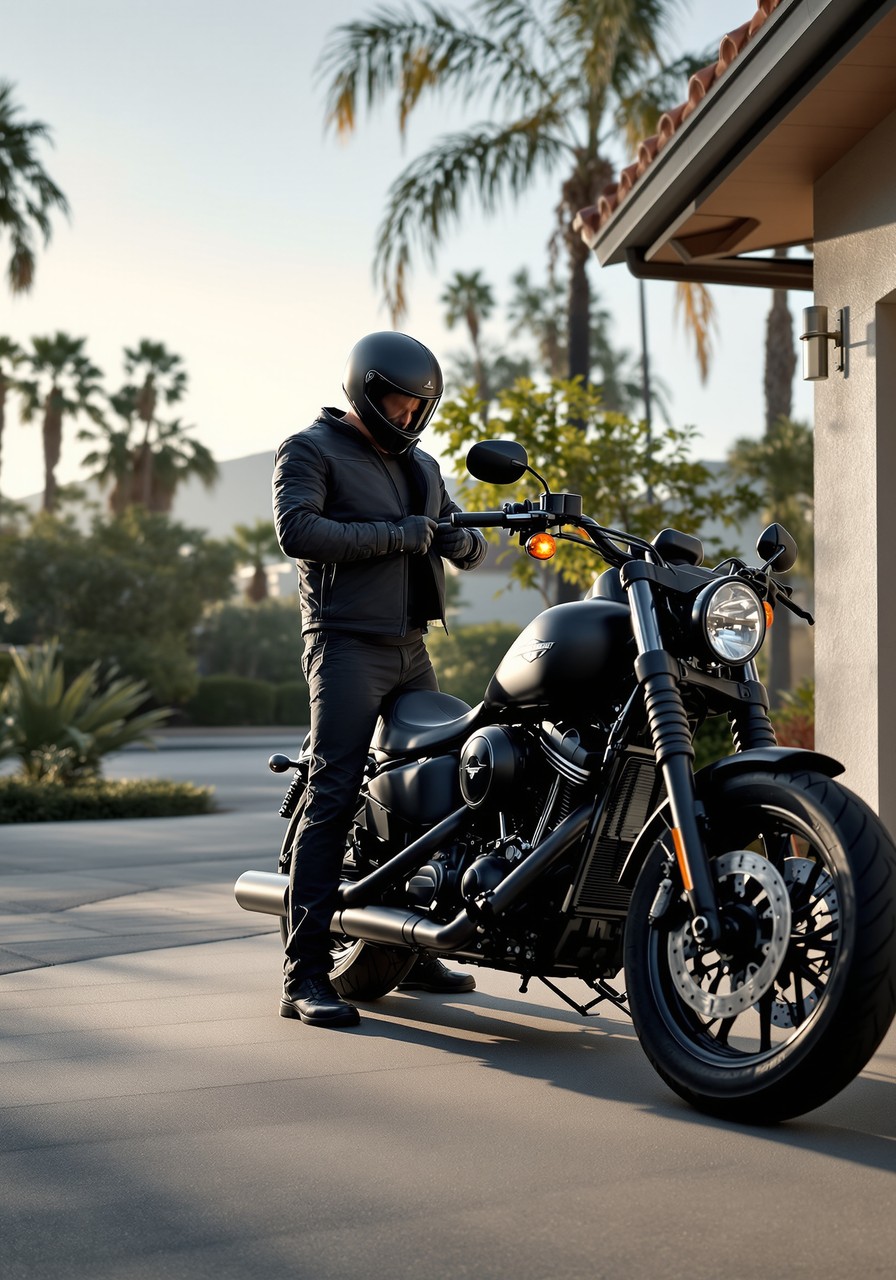
Gear & New Iron
Mesh jackets are the SoCal summer cheat code. Airflow through Mission Valley traffic keeps you cool and still covered when it counts. #RideNationSD #ATGATT #MotorcycleGear #SanDiego
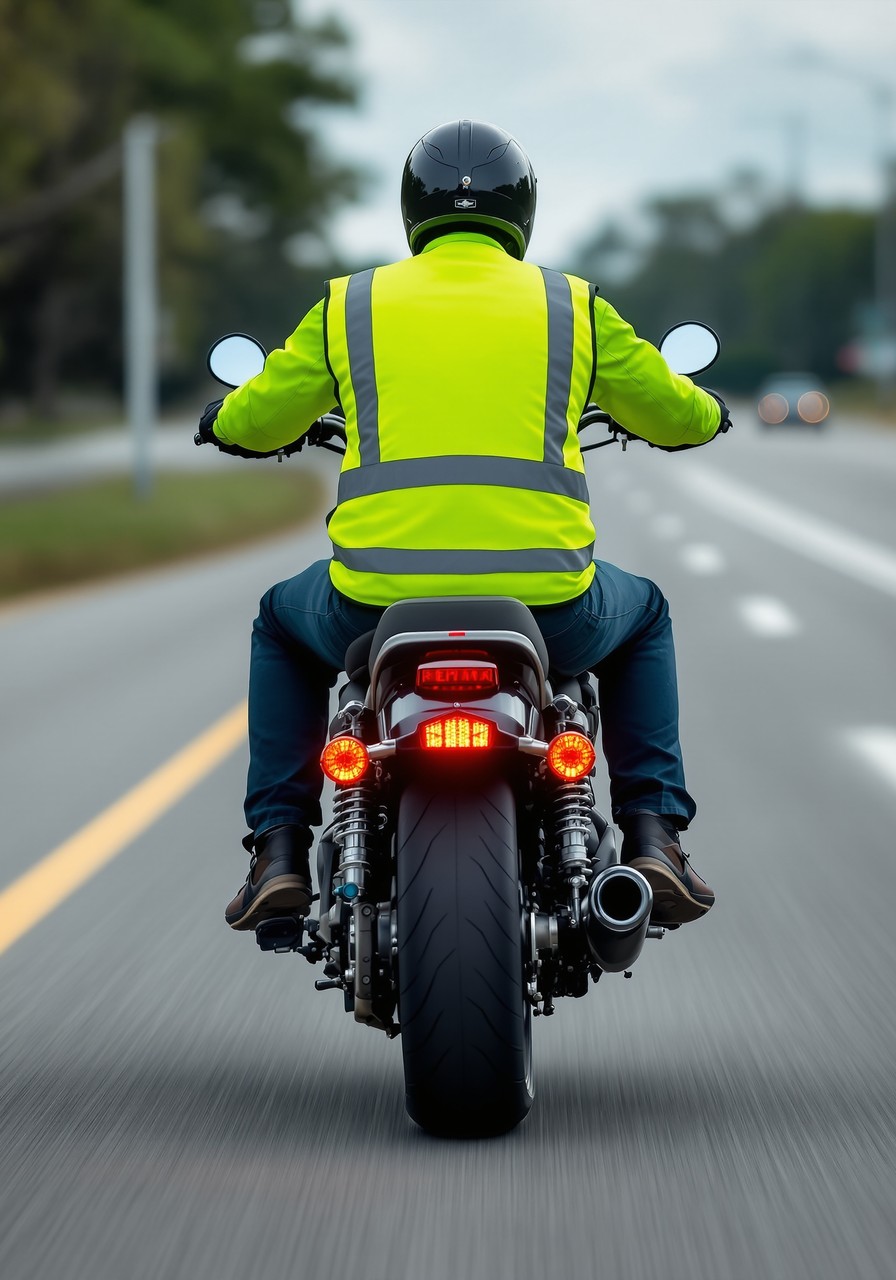
Safety & California Law
That first rain of the season lifts months of oil to the surface and turns San Diego roads slick fast. Slow down, widen your following distance, and treat painted lines like ice. #RideNationSD #RideSafe #FirstRain
Engagement
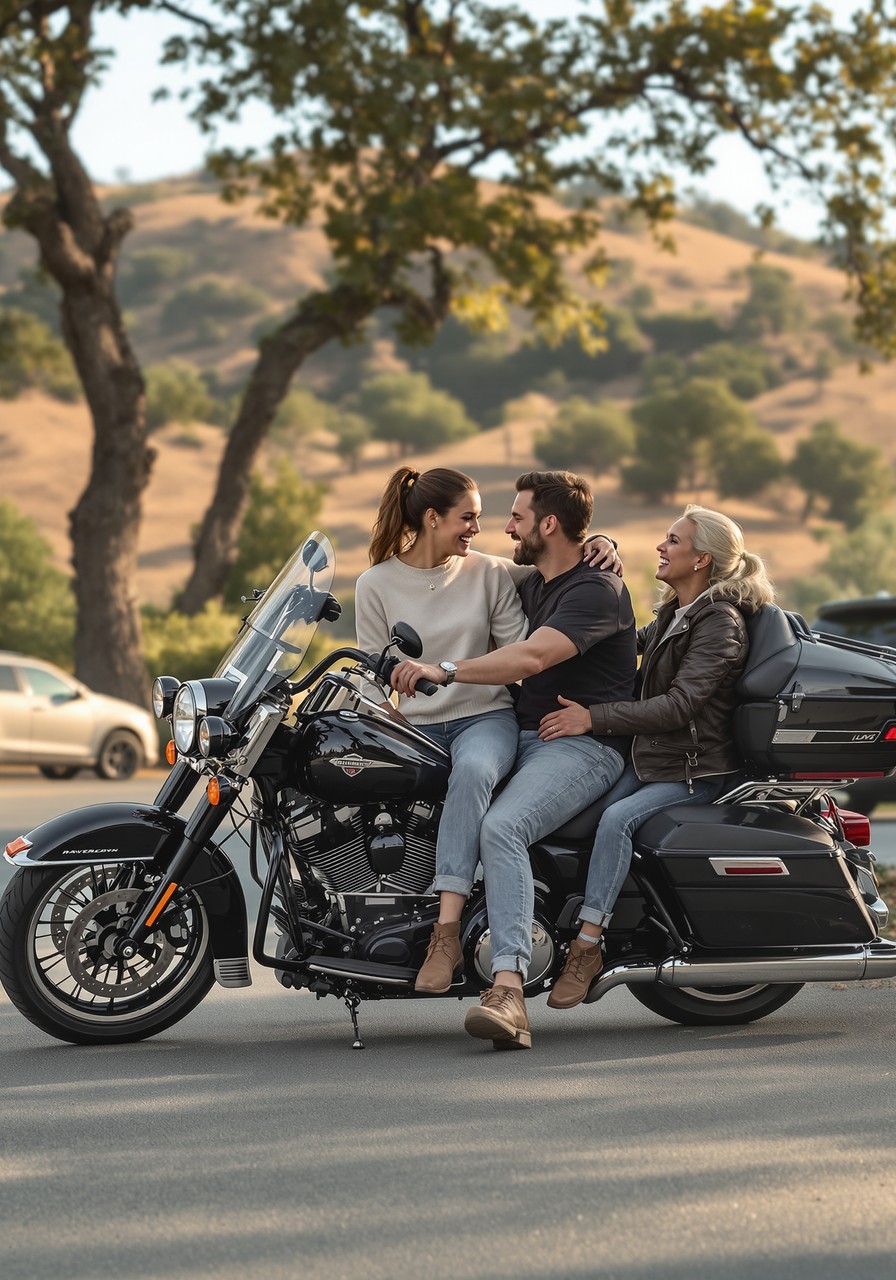
Tag the buddy who always talks you into one more lap up the Highway to the Stars. #RideNationSD #PalomarMountain #SoCalRiders
Giveaway & Countdown
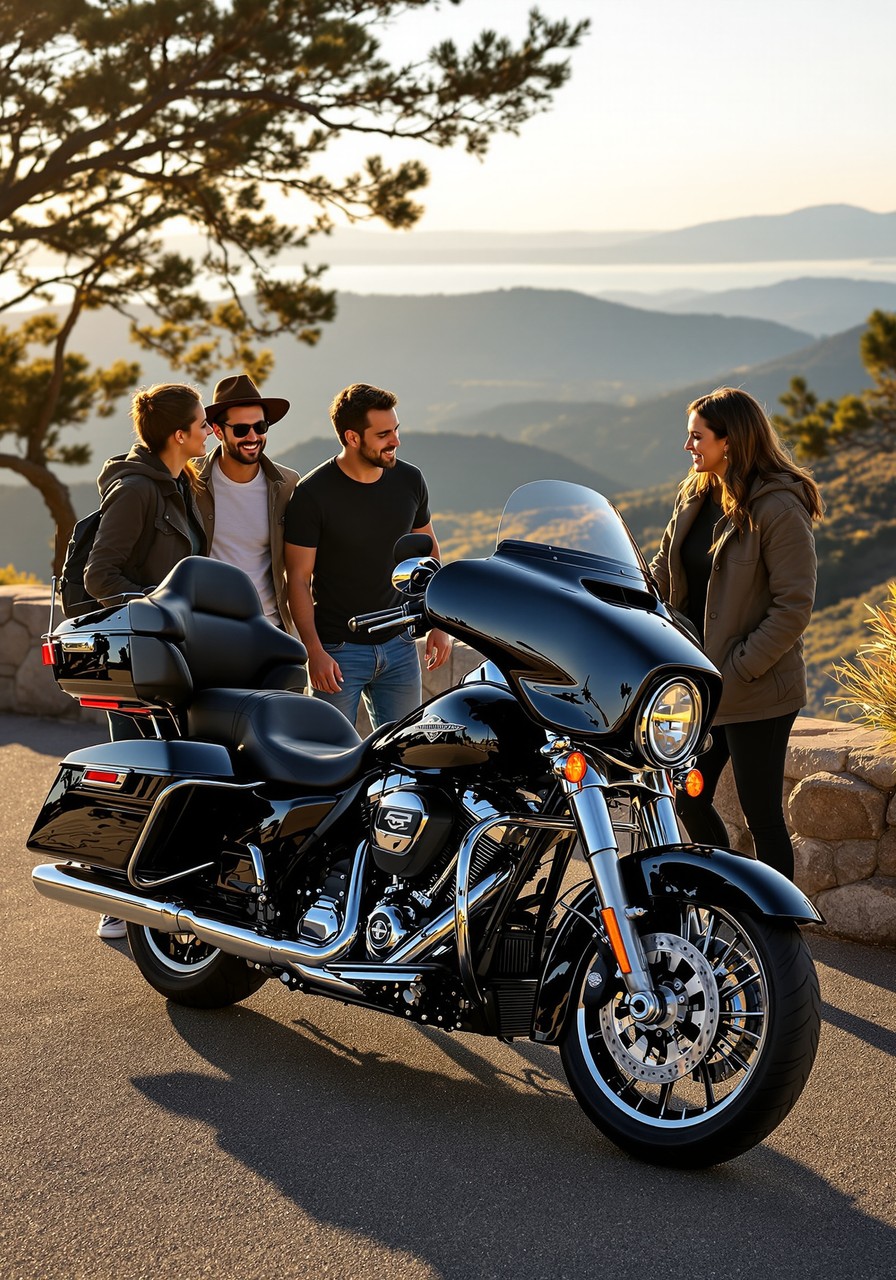
Southern California riders, this one's for you. Every crash conversation with Banker's Hill Law Firm enters you in the $20,000 BikersWin giveaway for free. Details at bhlflaw.com. #RideNationSD #20kGiveaway
Local San Diego & Rides
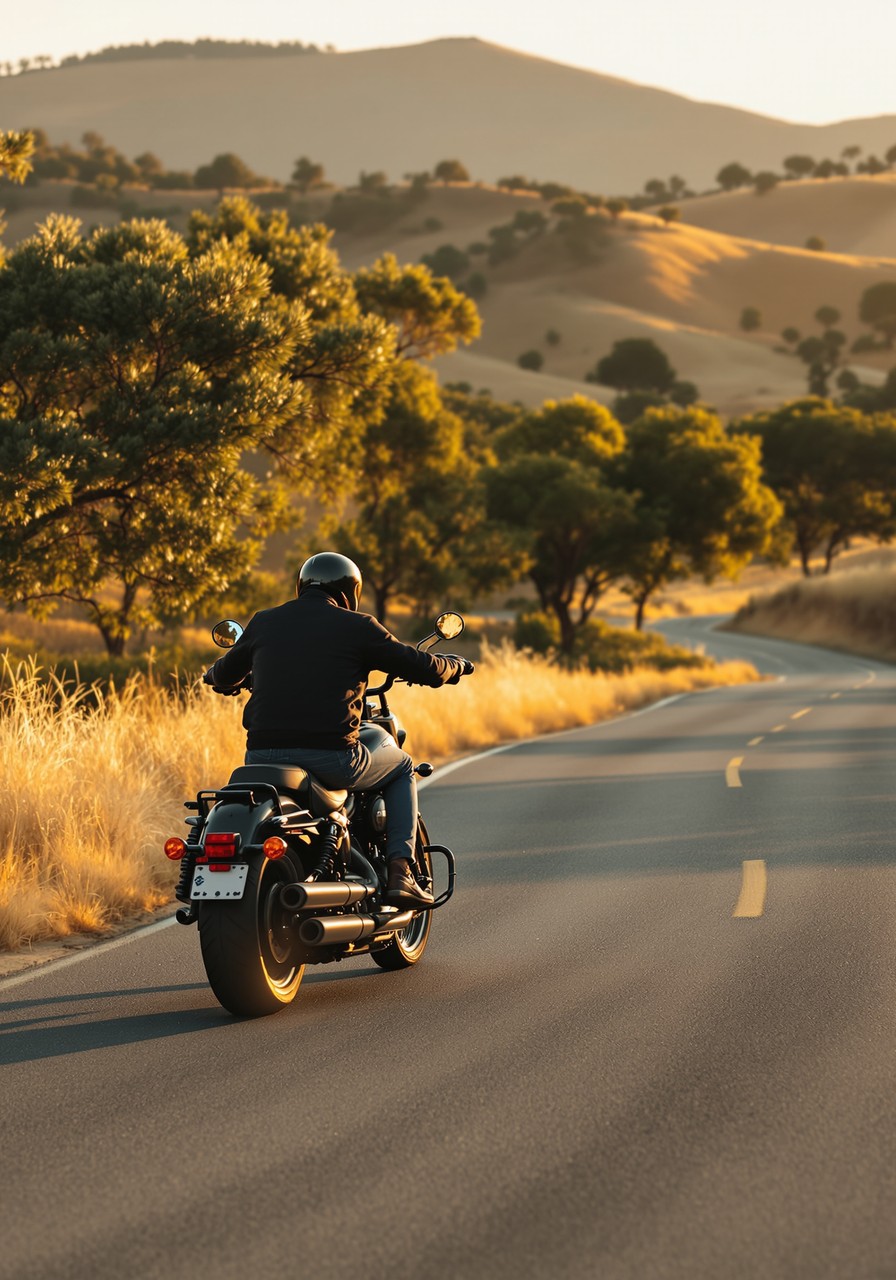
Marine layer mornings on the coast mean slick paint and cool grip. Let the fog burn off, then chase the sun inland. #RideNationSD #SanDiego #PCH #SoCalRiders
Gear & New Iron
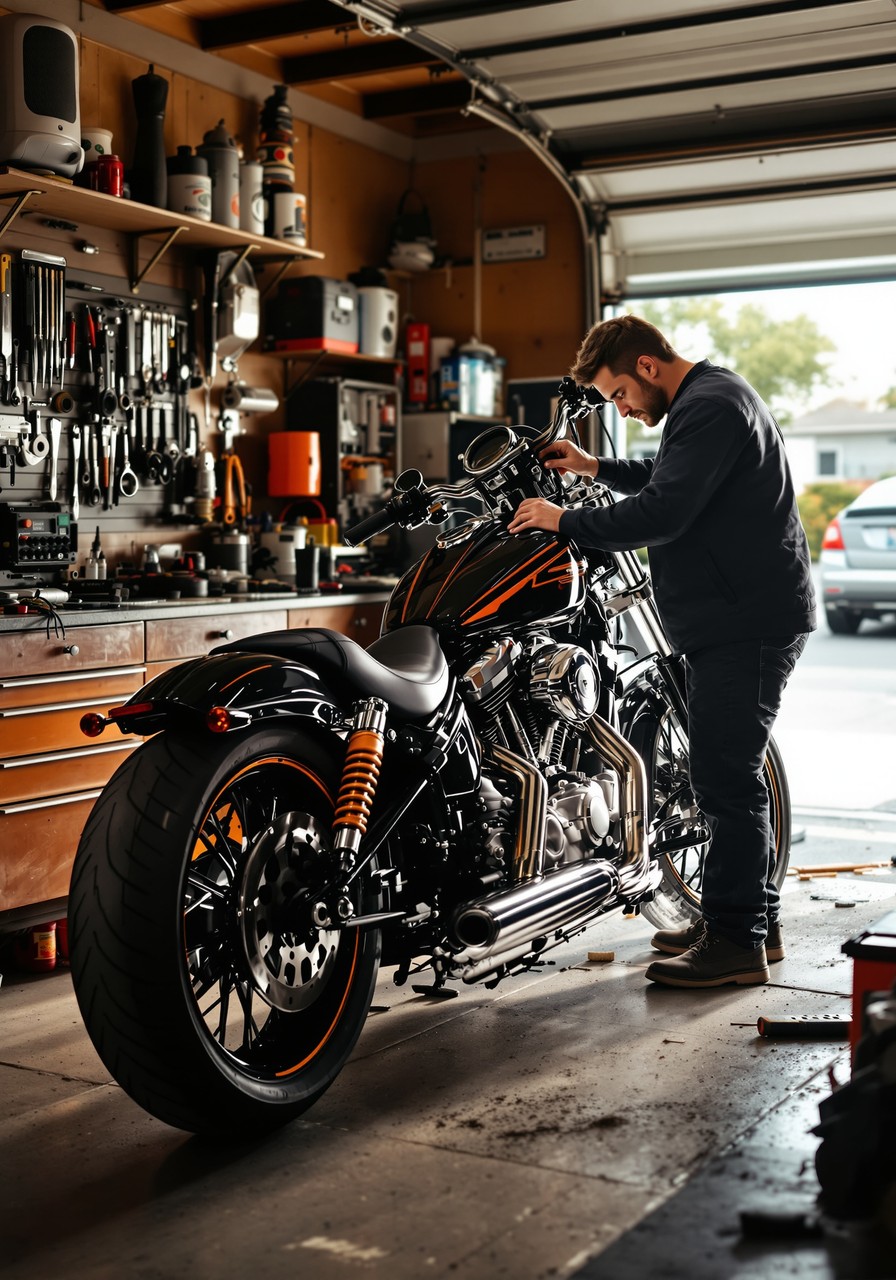
First rains are coming and that first slick hour is the sketchiest of the year. Fresh tires with real tread depth change everything. #RideNationSD #RideSafe #MotorcycleGear #SoCalRiders
Safety & California Law
California runs on a universal helmet law: riders and passengers both, under CVC 27803. It is the law here and one of the simplest ways to protect yourself. #RideNationSD #RideSafe #HelmetLaw
Engagement
Quick poll: apple pie in Julian or tacos on the way home? There is no wrong answer, only strong opinions. #RideNationSD #Julian #SanDiego
Giveaway & Countdown
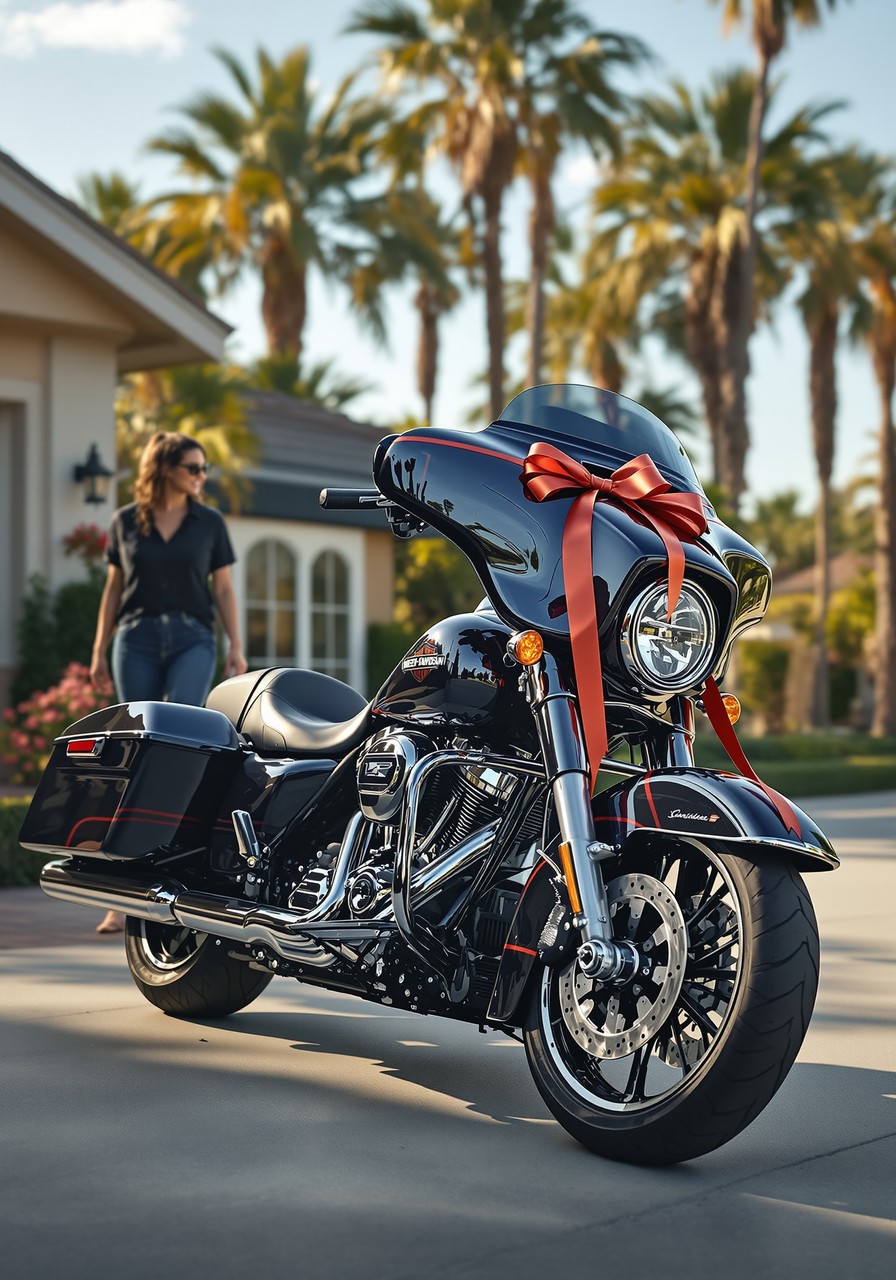
Mark your calendar: December 10 is drawing day. Wondering how to get entered in the $20,000 giveaway? Call Banker's Hill Law Firm at (619) 230-0330 and ask. #RideNationSD #BikersWin #20kGiveaway
Local San Diego & Rides
CA-163 threading through Balboa Park never gets old. Those stone bridges and canyon walls are pure San Diego. #RideNationSD #SanDiego #SoCalRiders #RideSoCal
Gear & New Iron
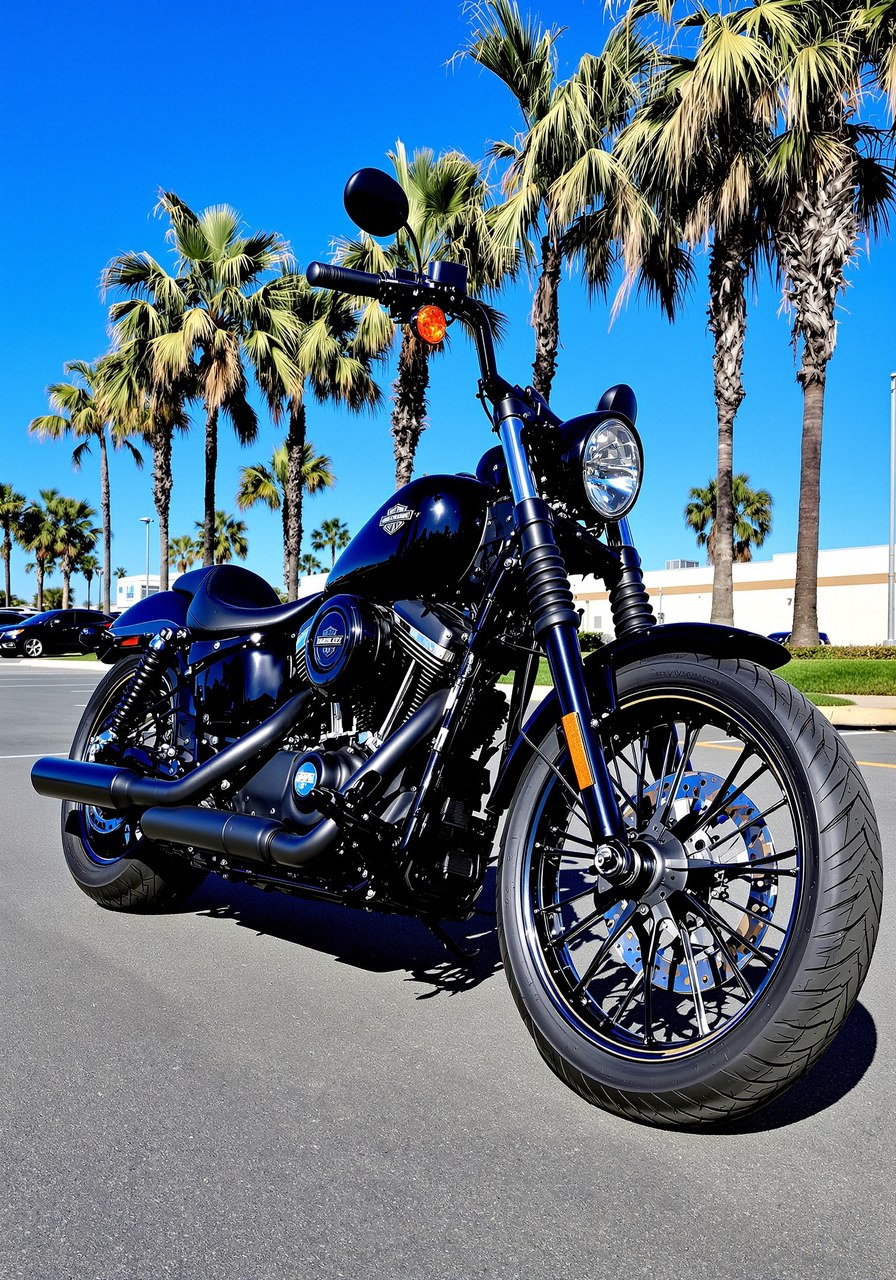
New helmet day hits different. Fresh liner, clear visor, that snug just-right fit. Treat yourself before the season picks up. #RideNationSD #GearUp #ATGATT #MotorcycleGear
Safety & California Law
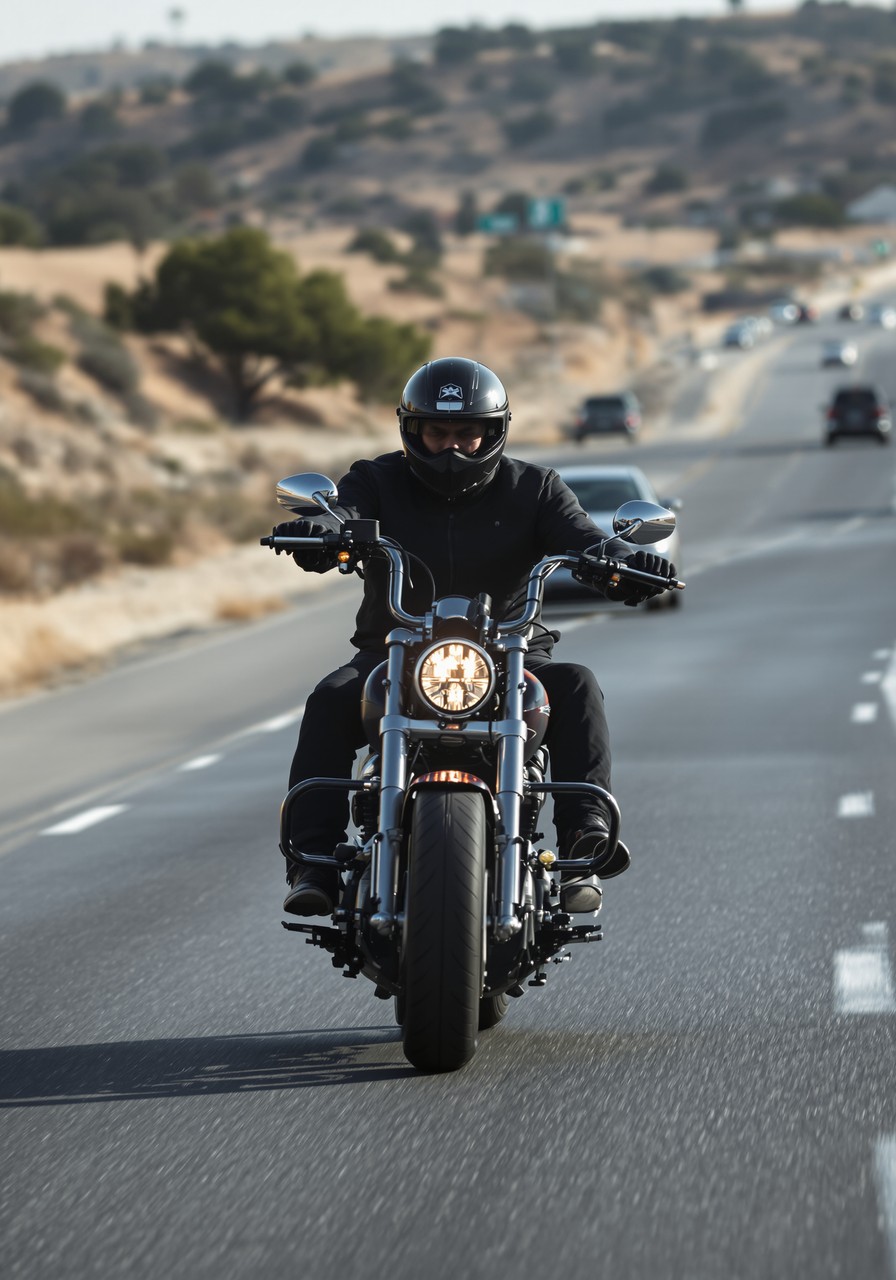
California has no no-fault system, so after a crash your medical bills run through health insurance, optional MedPay, and UM/UIM coverage. Knowing your policy before a wreck matters. Questions after a crash? Call Banker's Hill Law Firm at (619) 230-0330. #RideNationSD #RideSafe #InsuranceTips
Engagement
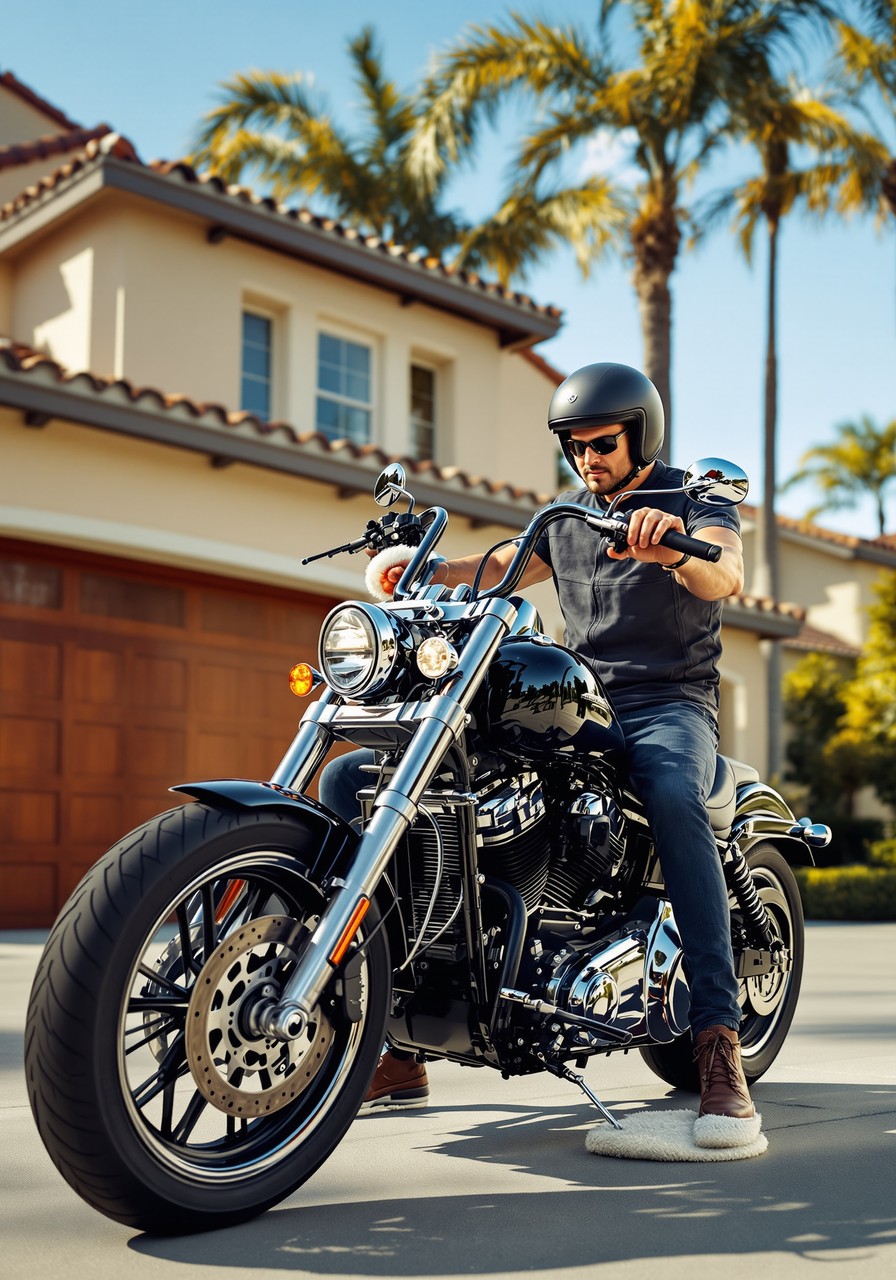
Rider confession time: how many times have you checked the marine layer forecast before a morning ride? Be honest. #RideNationSD #SanDiego #SanDiegoMoto
Giveaway & Countdown
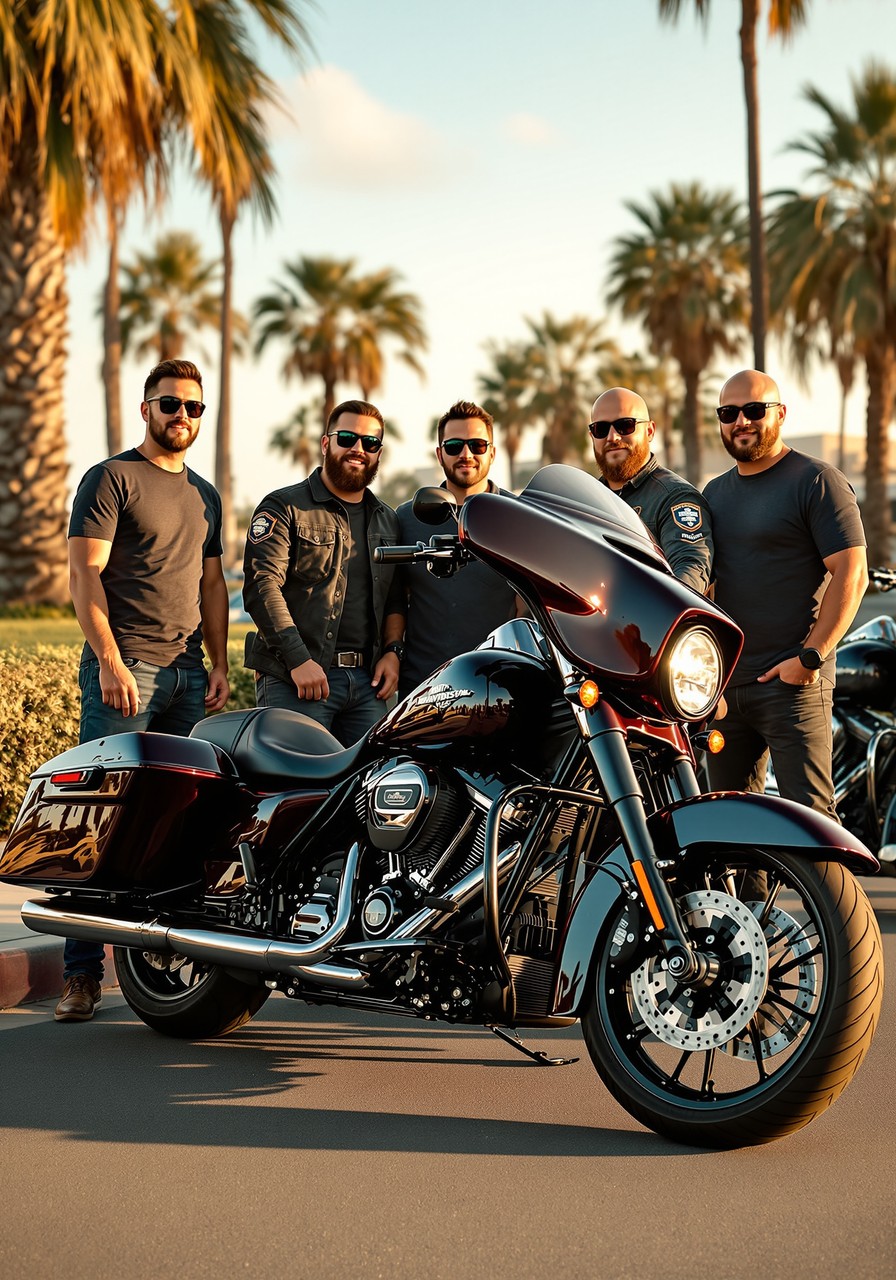
Twenty thousand dollars is a lot of new gear, a lot of miles, a lot of possibilities. Talk to us about your crash and you're in for free. bhlflaw.com. #RideNationSD #BikersWin #20kGiveaway
Local San Diego & Rides
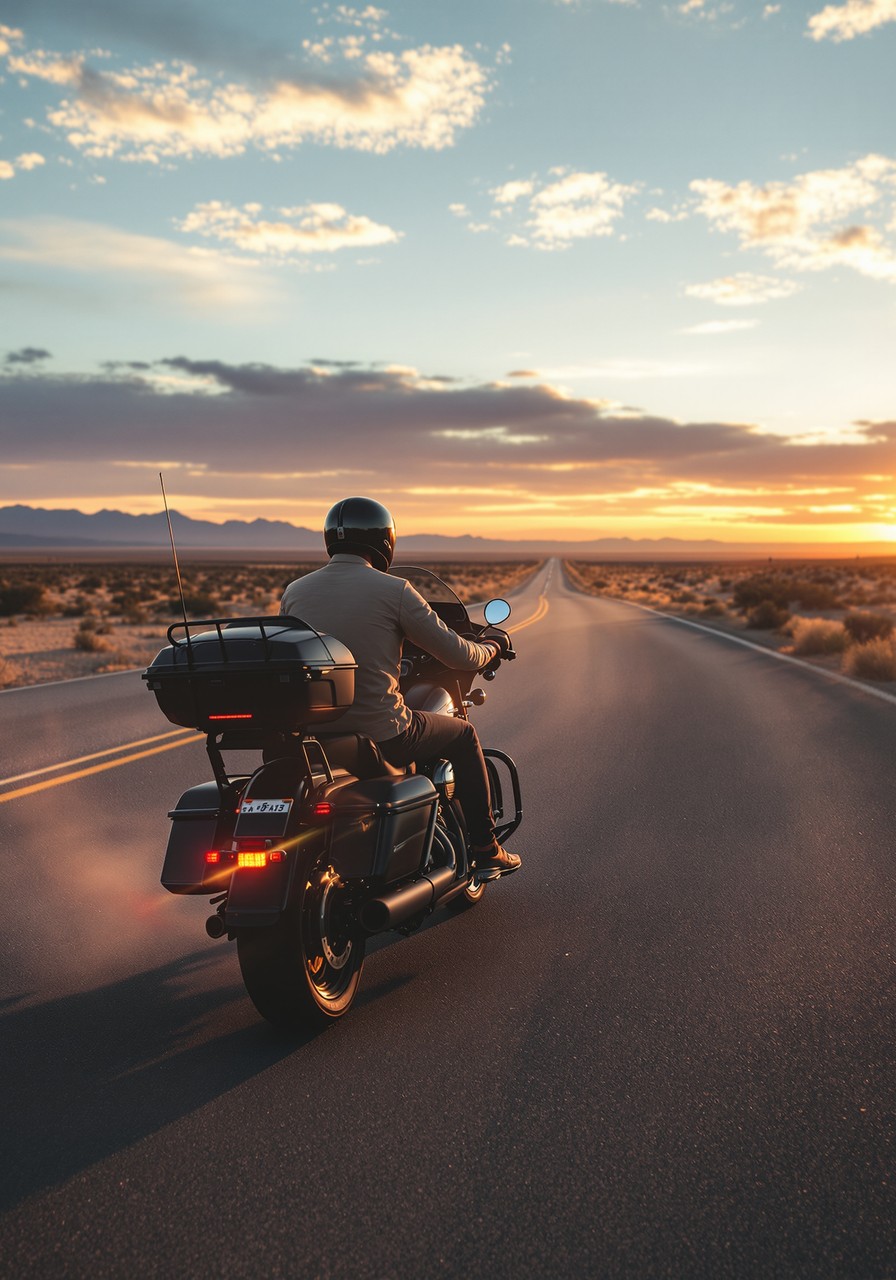
The Coronado Bridge sweep at golden hour is one of the best two minutes on two wheels in the county. #RideNationSD #SanDiego #Coronado #SoCalRiders
Gear & New Iron
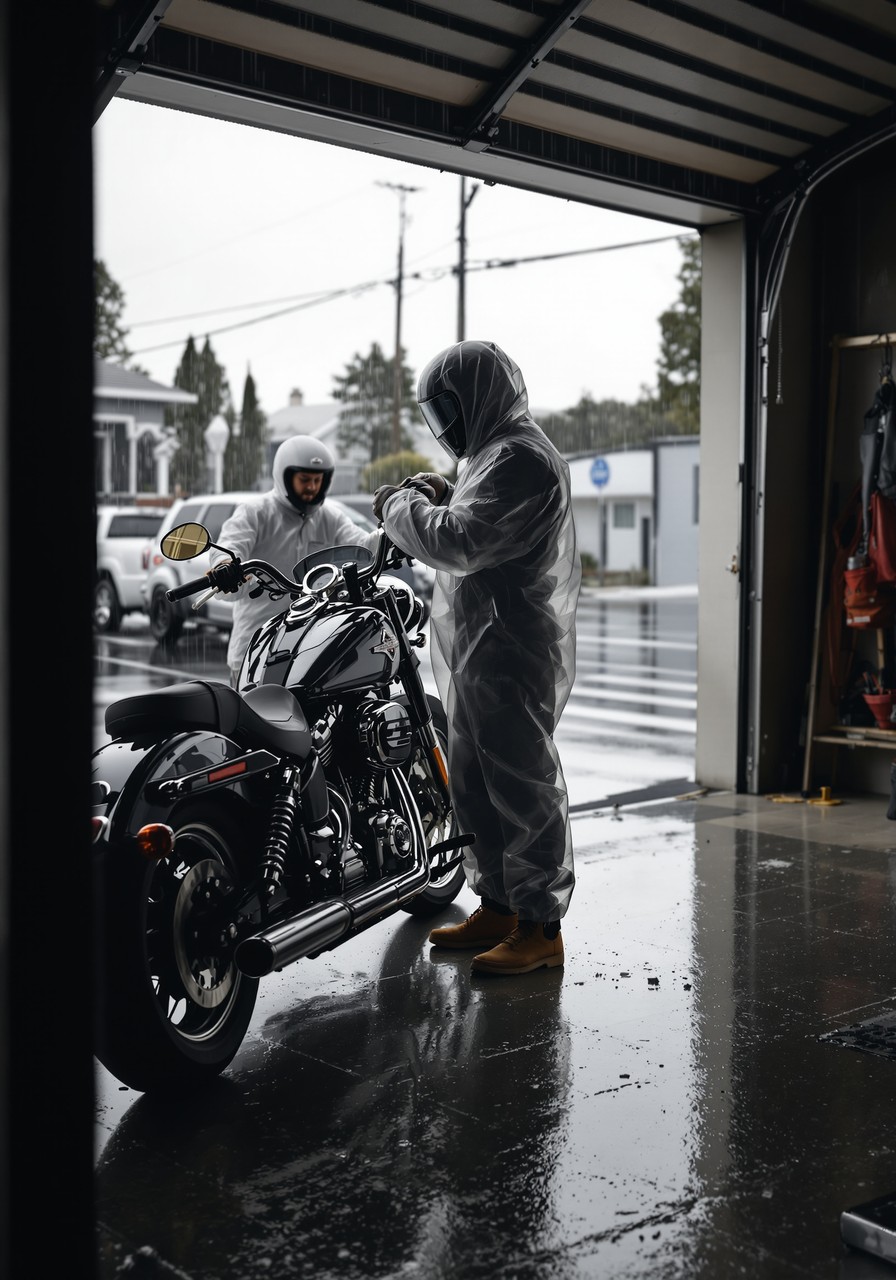
Gloves are the gear people skip and regret. Your hands go out first in a get-off, so cover them like you mean it. #RideNationSD #ATGATT #RideSafe #GearUp
Safety & California Law
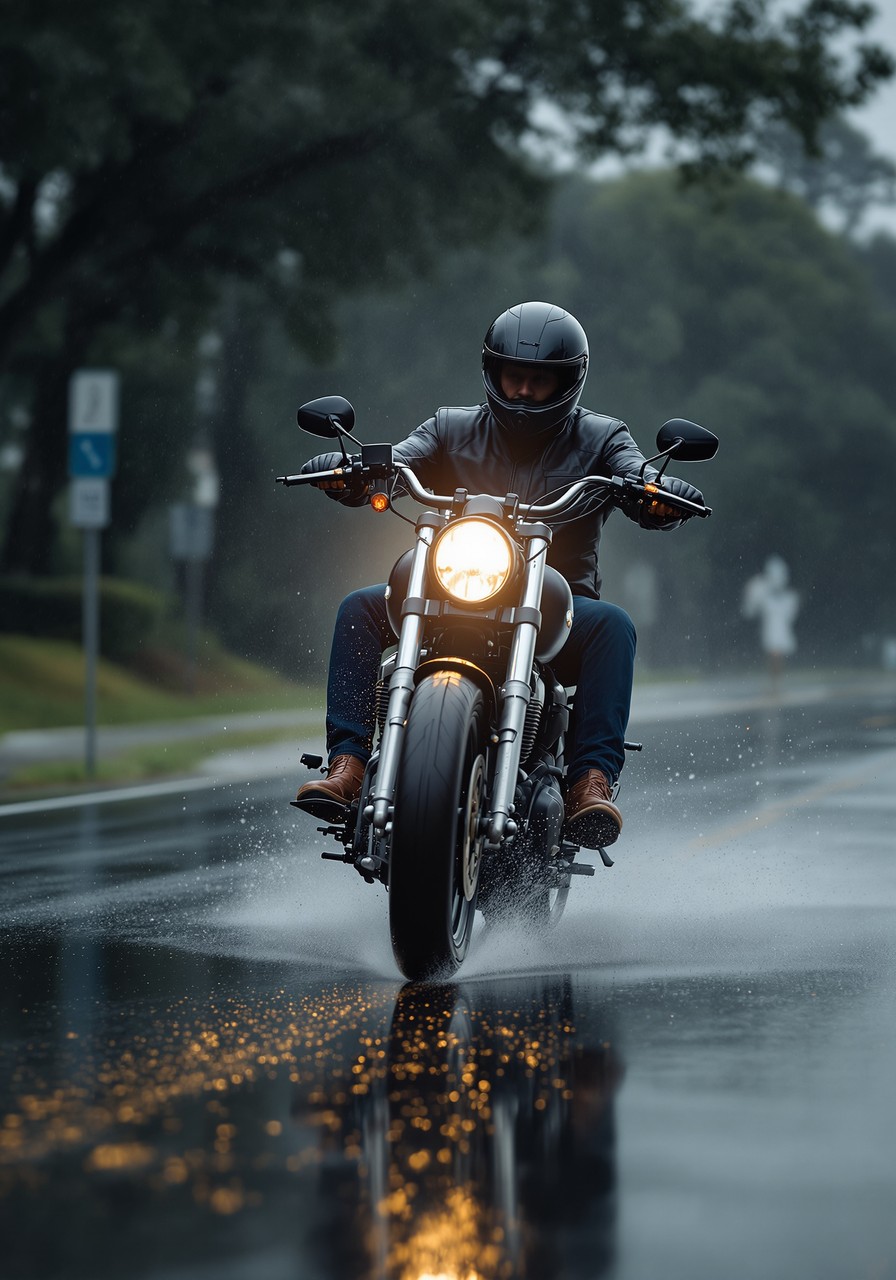
SMIDSY: Sorry Mate I Didn't See You. Left-turning drivers cause a huge share of motorcycle crashes, so cover your brakes and watch their front wheel at every intersection. Questions after a crash? Call Banker's Hill Law Firm at (619) 230-0330. #RideNationSD #RideSafe #LeftTurnCrash
Engagement
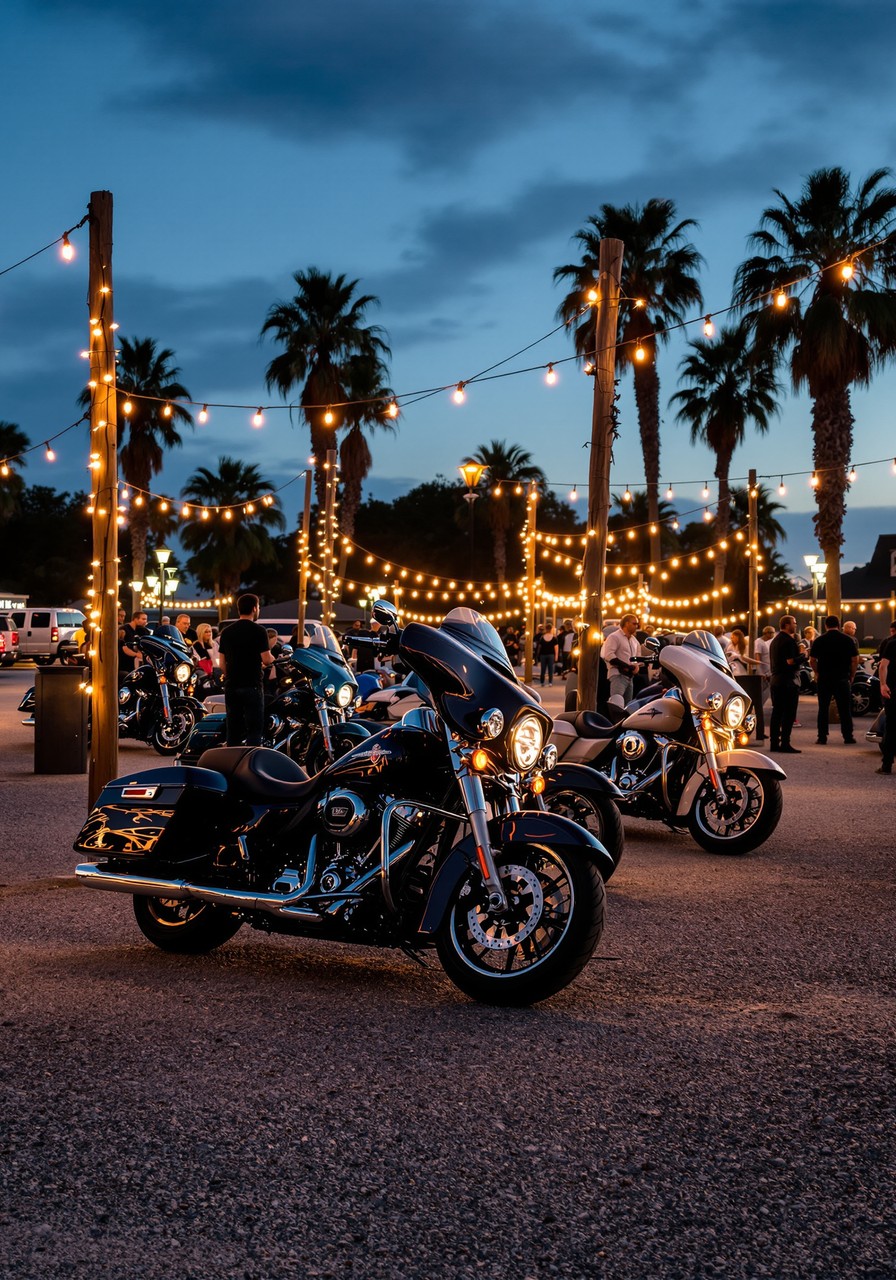
Favorite road debate: Ortega Highway CA-74 or Sunrise Highway S1? Make your case in the comments. #RideNationSD #SunriseHighway #SoCalRiders
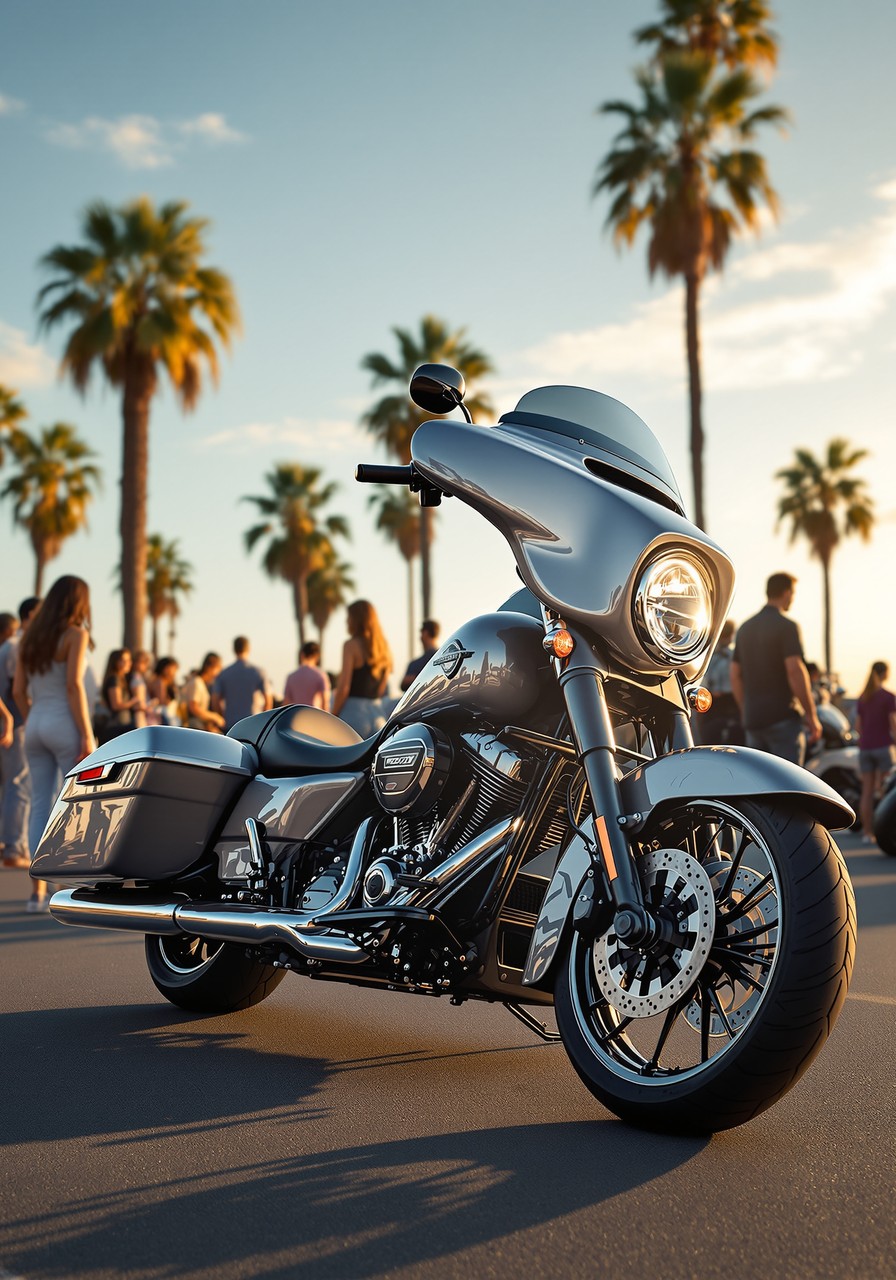
Giveaway & Countdown
How do you enter the BikersWin $20,000 giveaway? Simple. Talk to Banker's Hill Law Firm about your motorcycle crash and you're entered for free. Call (619) 230-0330 today. #RideNationSD #BikersWin
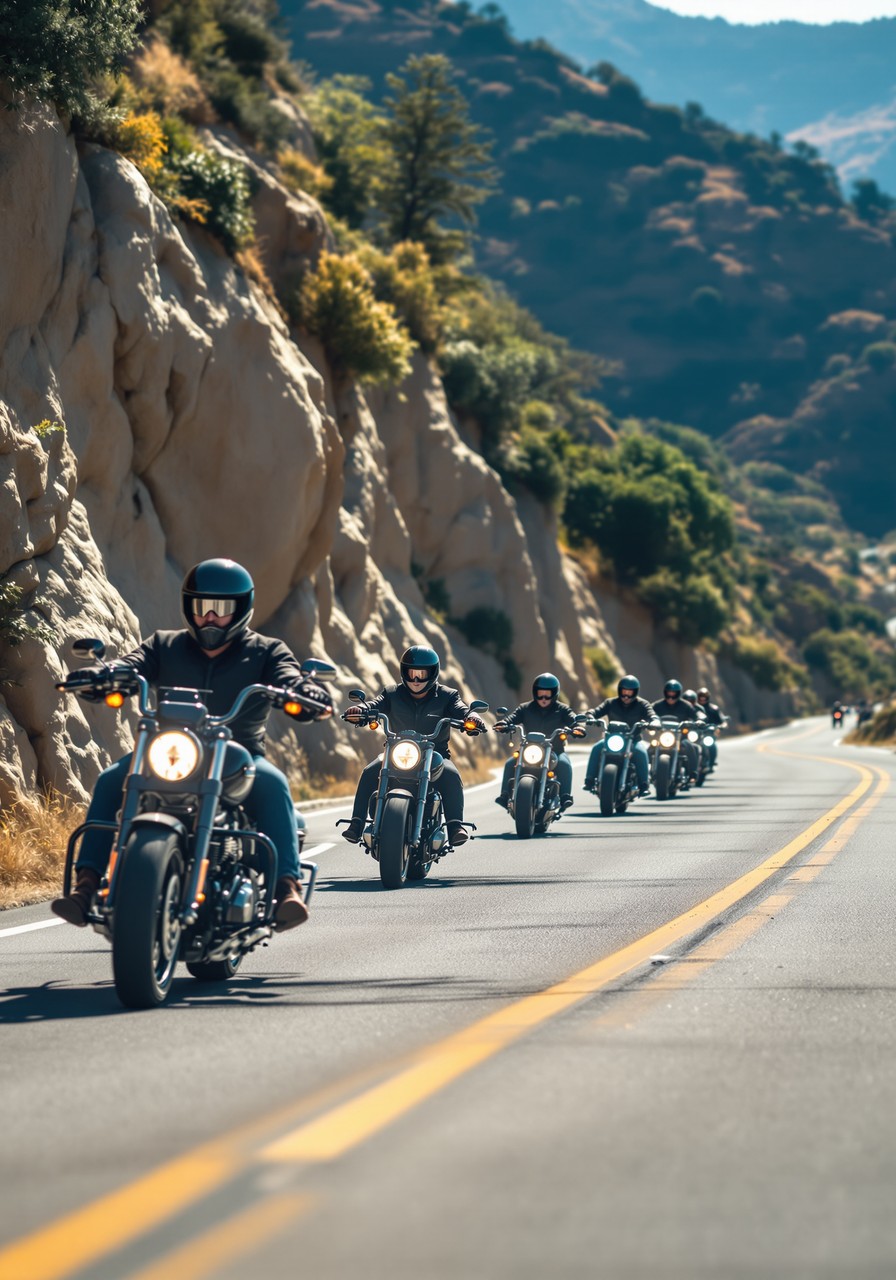
Local San Diego & Rides
Anza-Borrego opens up like another planet. Cool season is prime time for desert runs before the heat sets in. #RideNationSD #AnzaBorrego #SanDiego #SoCalRiders
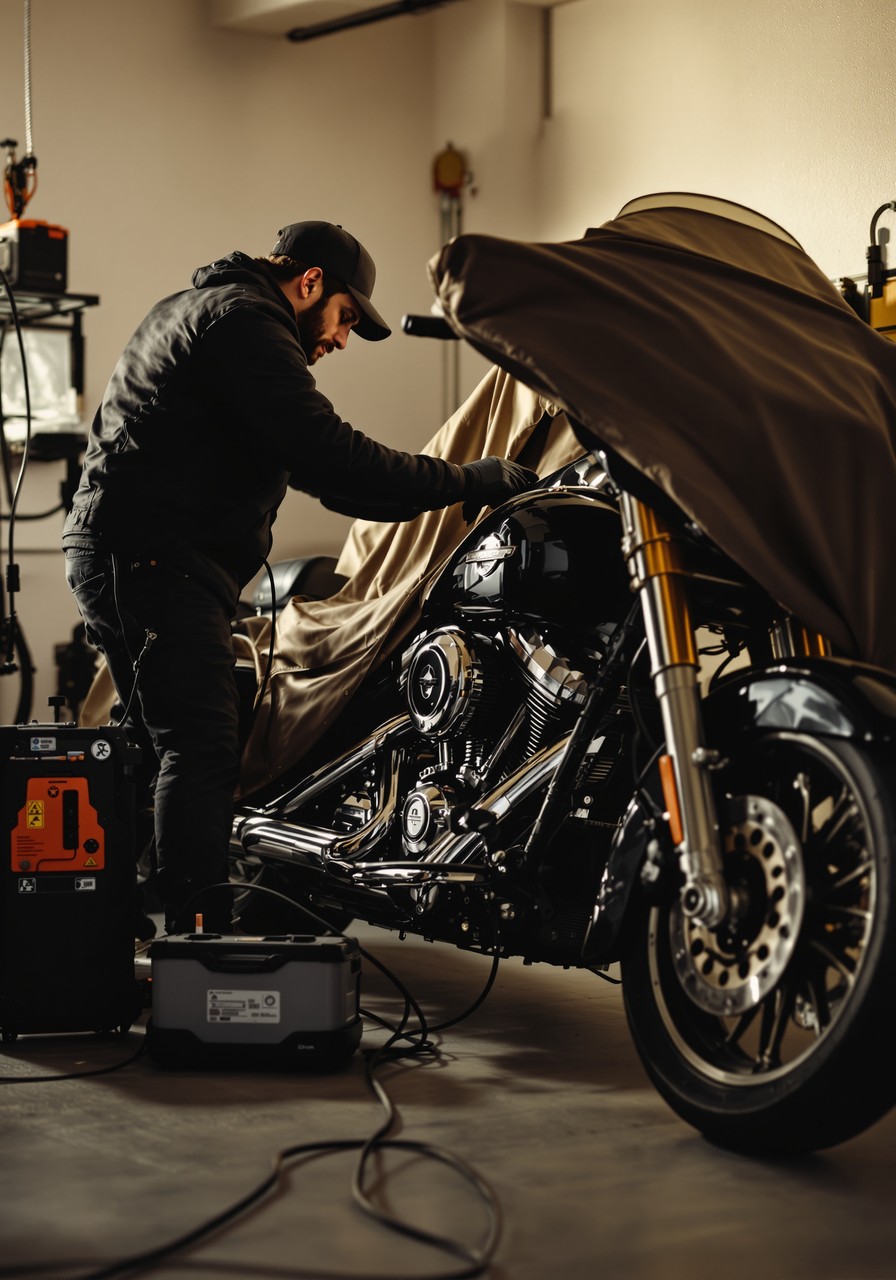
Gear & New Iron
Over-the-ankle boots with a real sole beat sneakers every single time. Toes, ankles, and shift feel all thank you. #RideNationSD #MotorcycleGear #GearUp #RideSafe
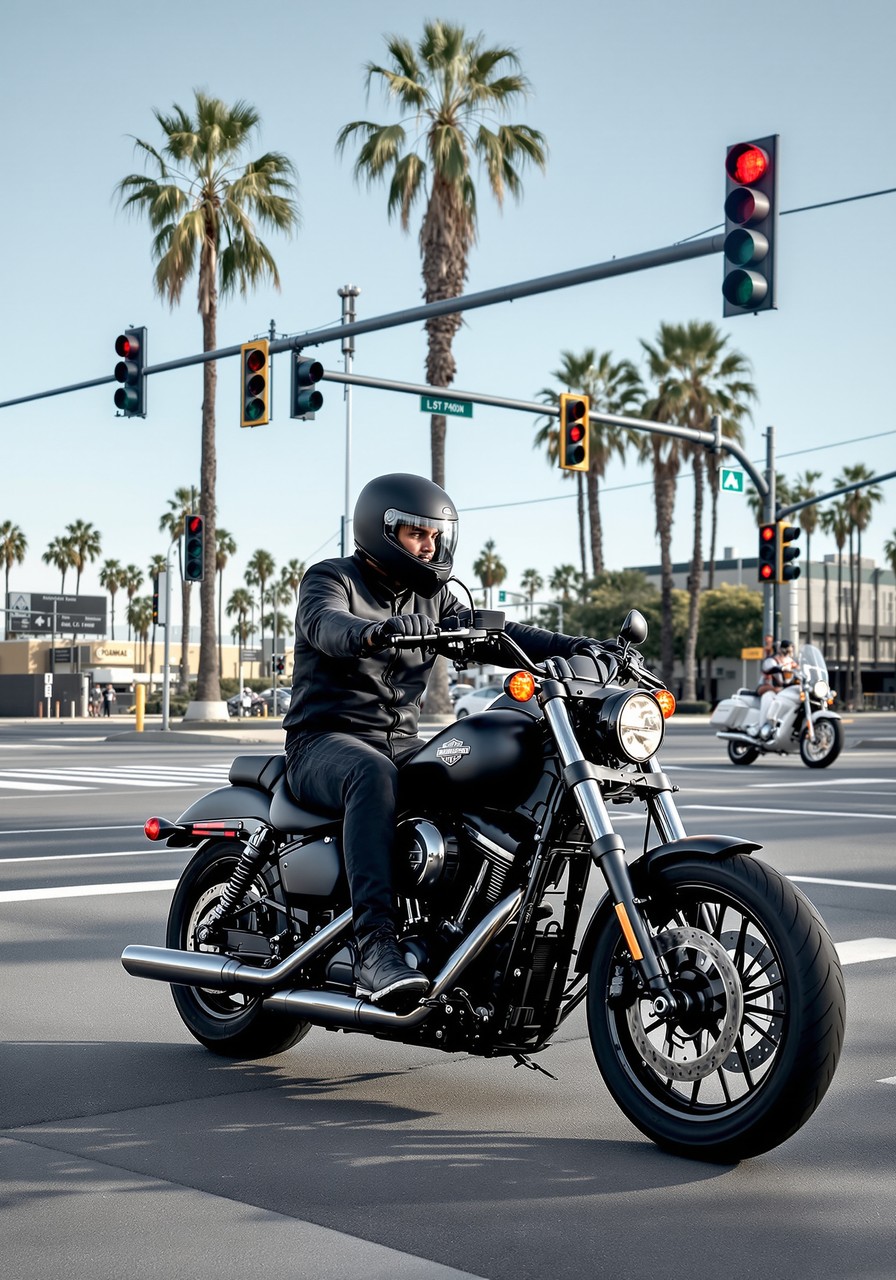
Safety & California Law
The general statute of limitations for injury claims in California is two years, but claims against a government entity can have a much shorter six-month deadline. Time slips away fast after a crash. Questions? Call Banker's Hill Law Firm at (619) 230-0330. #RideNationSD #RideSafe #CaliforniaLaw
Engagement
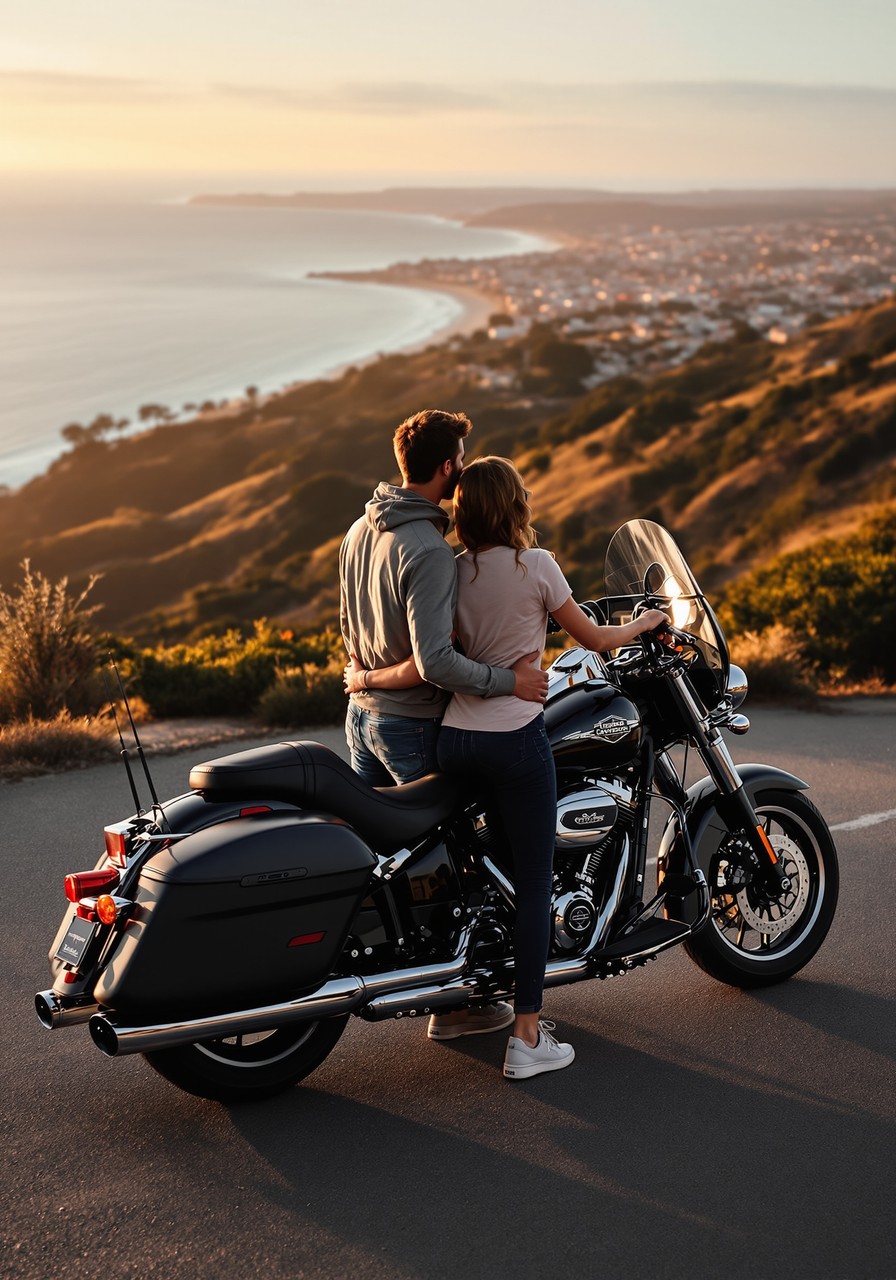
Weekend plans check: who is chasing the coast on PCH and who is heading for the mountains? Sound off. #RideNationSD #PCH #SoCalRiders
Giveaway & Countdown
San Diego, the excitement is building and so is the countdown. December 10 draws our $20,000 winner. Every crash conversation gets you entered for free. #RideNationSD #BikersWin #20kGiveaway
Local San Diego & Rides
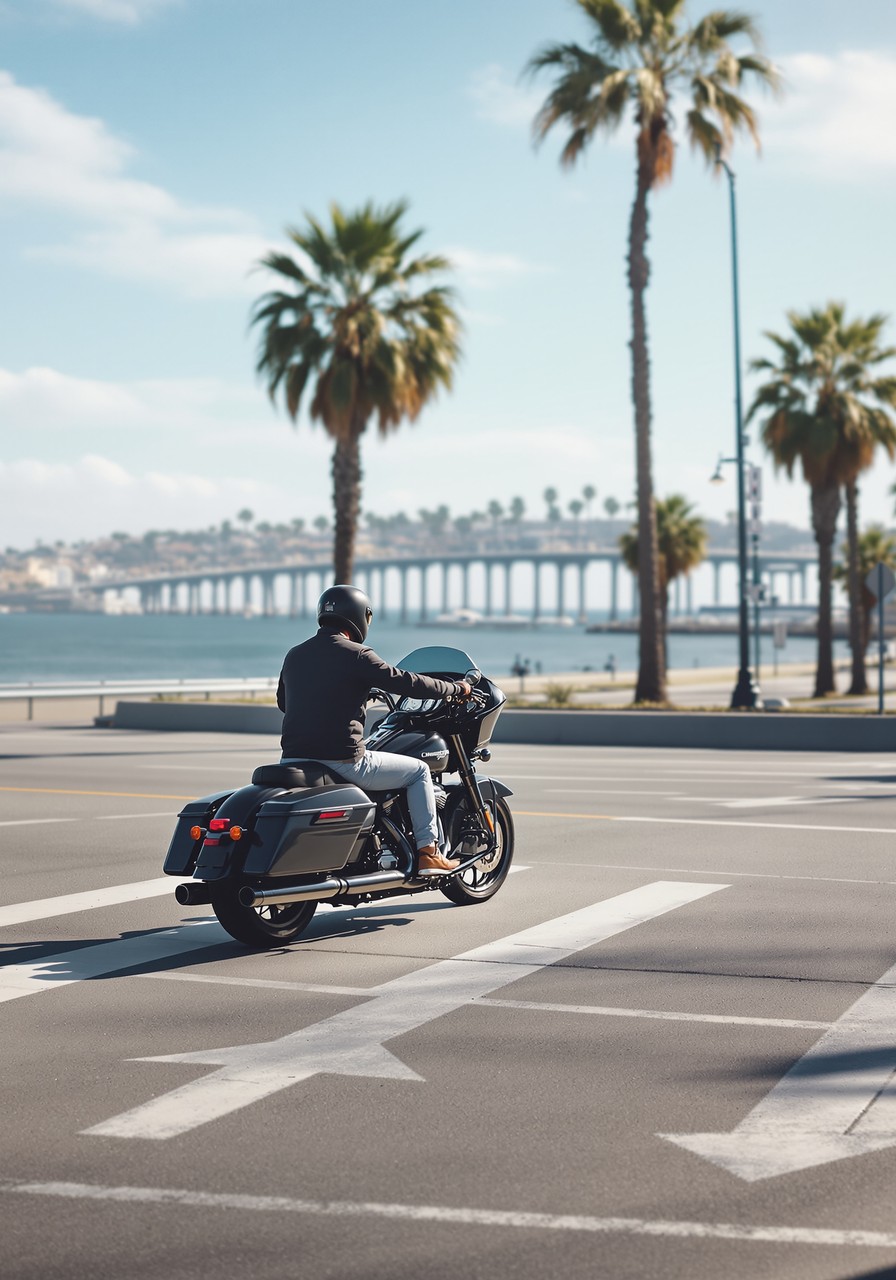
Ortega Highway CA-74 is a bucket-list ribbon of curves. Ride it fresh and rested, the corners deserve your full attention. #RideNationSD #SoCalRiders #SanDiego #RideSoCal
Gear & New Iron
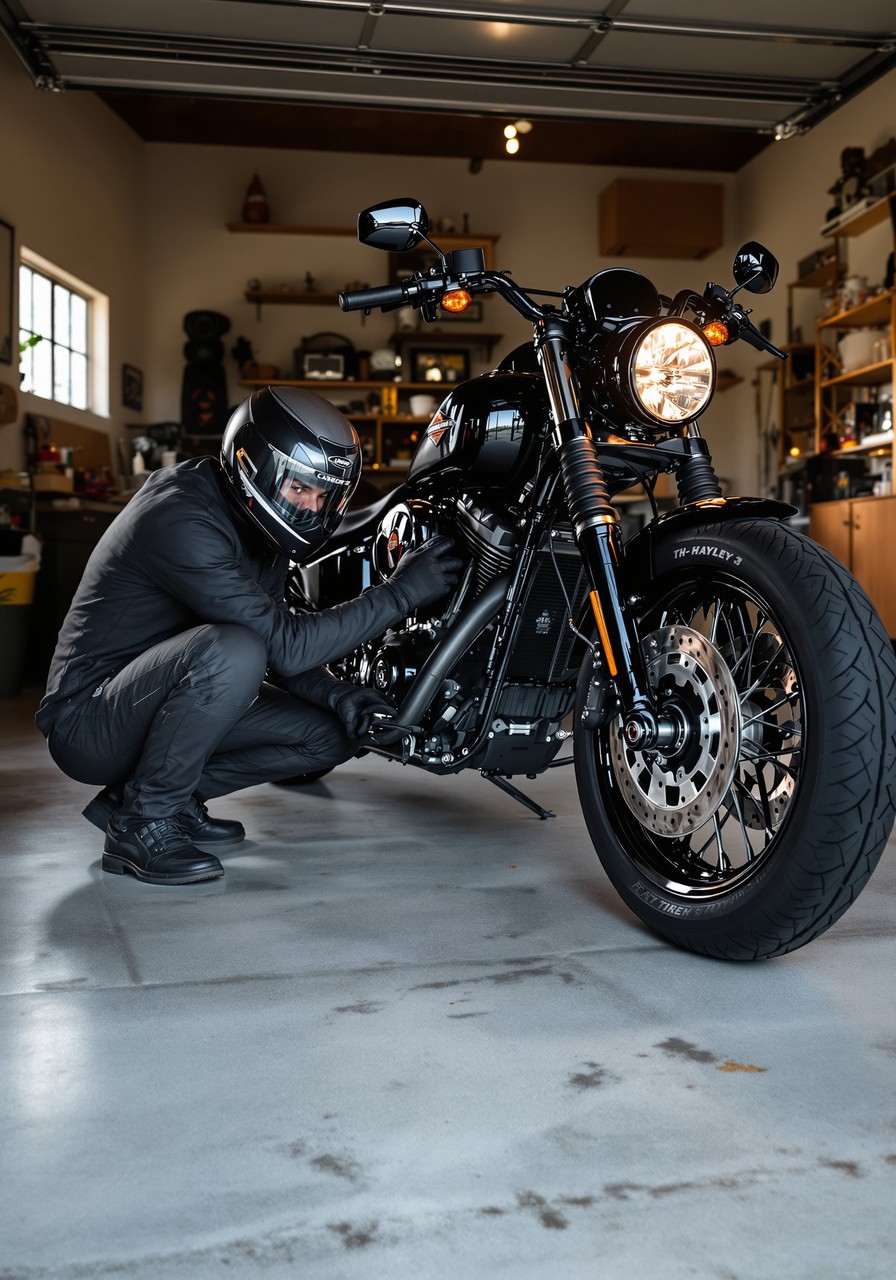
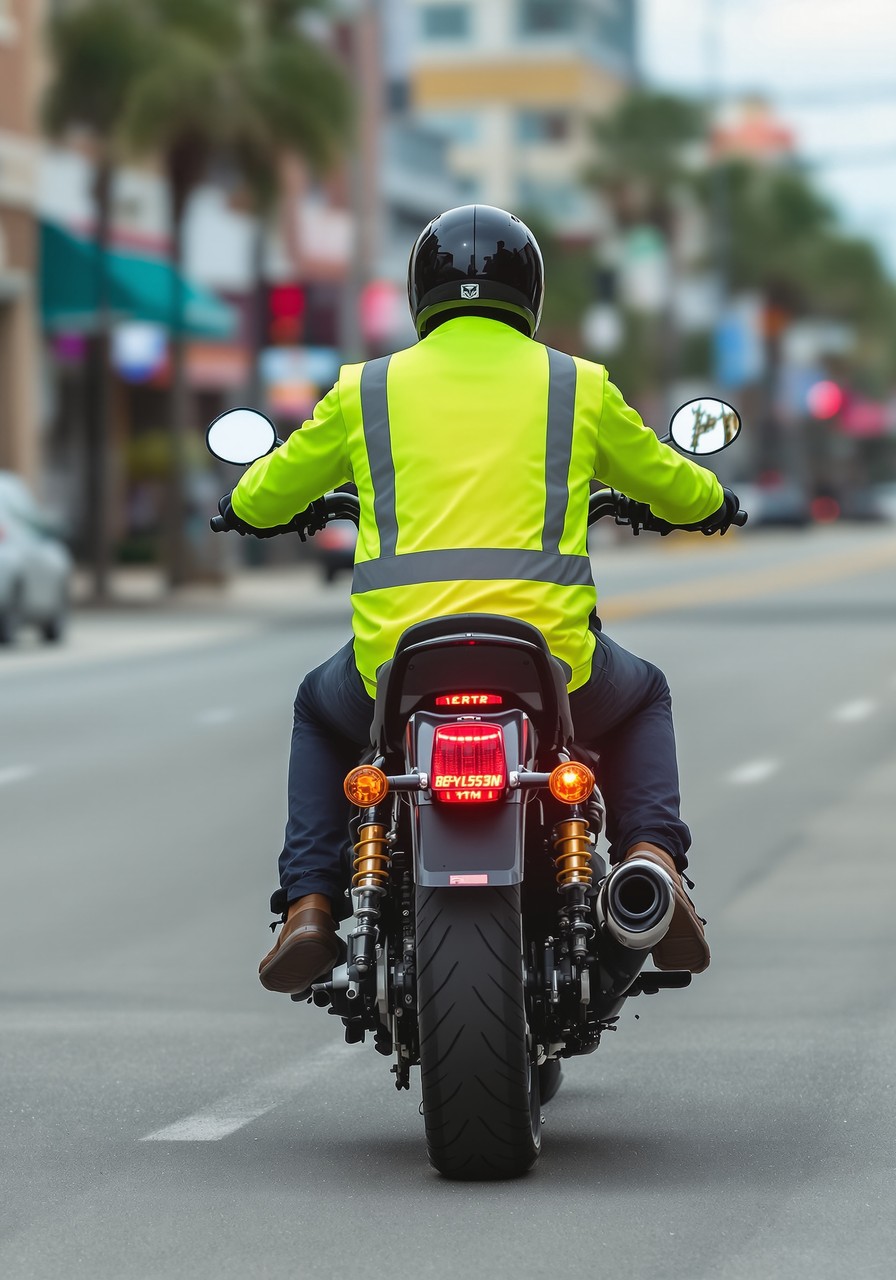
Hi-viz is not a fashion statement, it is a survival tool in San Diego traffic. If drivers can see you, they can avoid you. #RideNationSD #RideSafe #HiViz #SoCalRiders
Safety & California Law
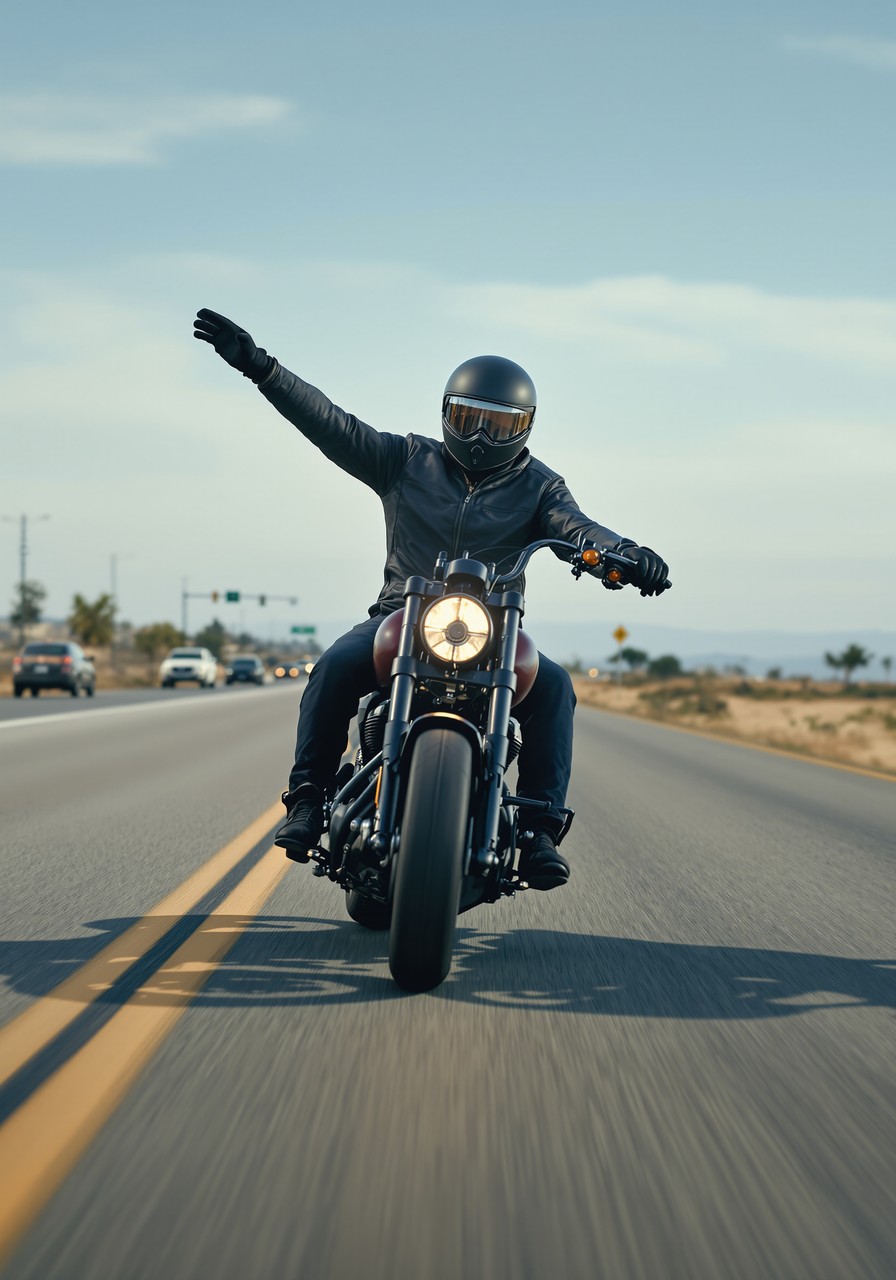
California's minimum liability limits rose to 30/60/15 in 2025, but that is often still too little to cover a serious motorcycle injury. Your UM/UIM coverage is the real backstop. Questions? Call Banker's Hill Law Firm at (619) 230-0330. #RideNationSD #RideSafe #UMUIM
Engagement
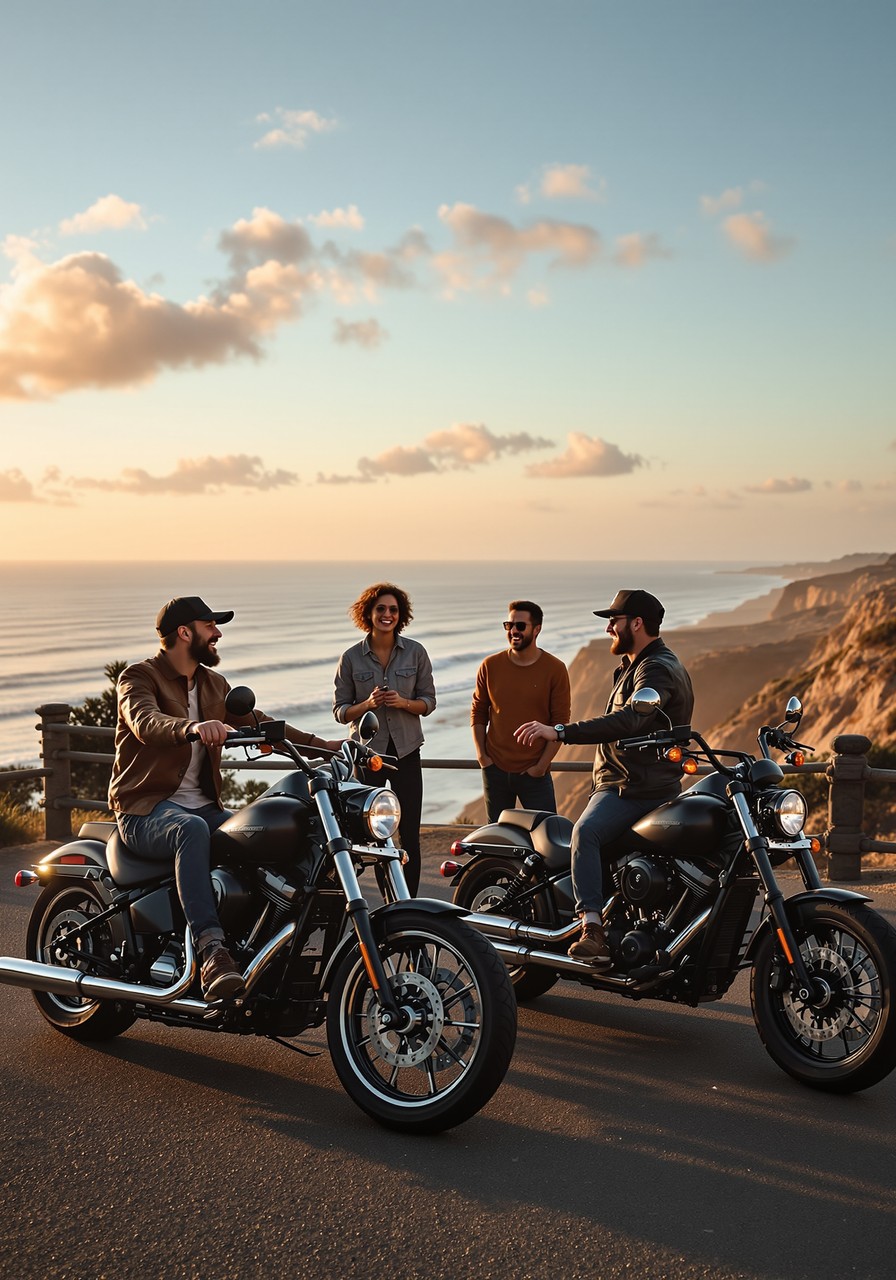
This or that: sunrise run down Sunset Cliffs or golden hour over the Coronado Bridge? Pick your view. #RideNationSD #SanDiego #SanDiegoMoto
Giveaway & Countdown
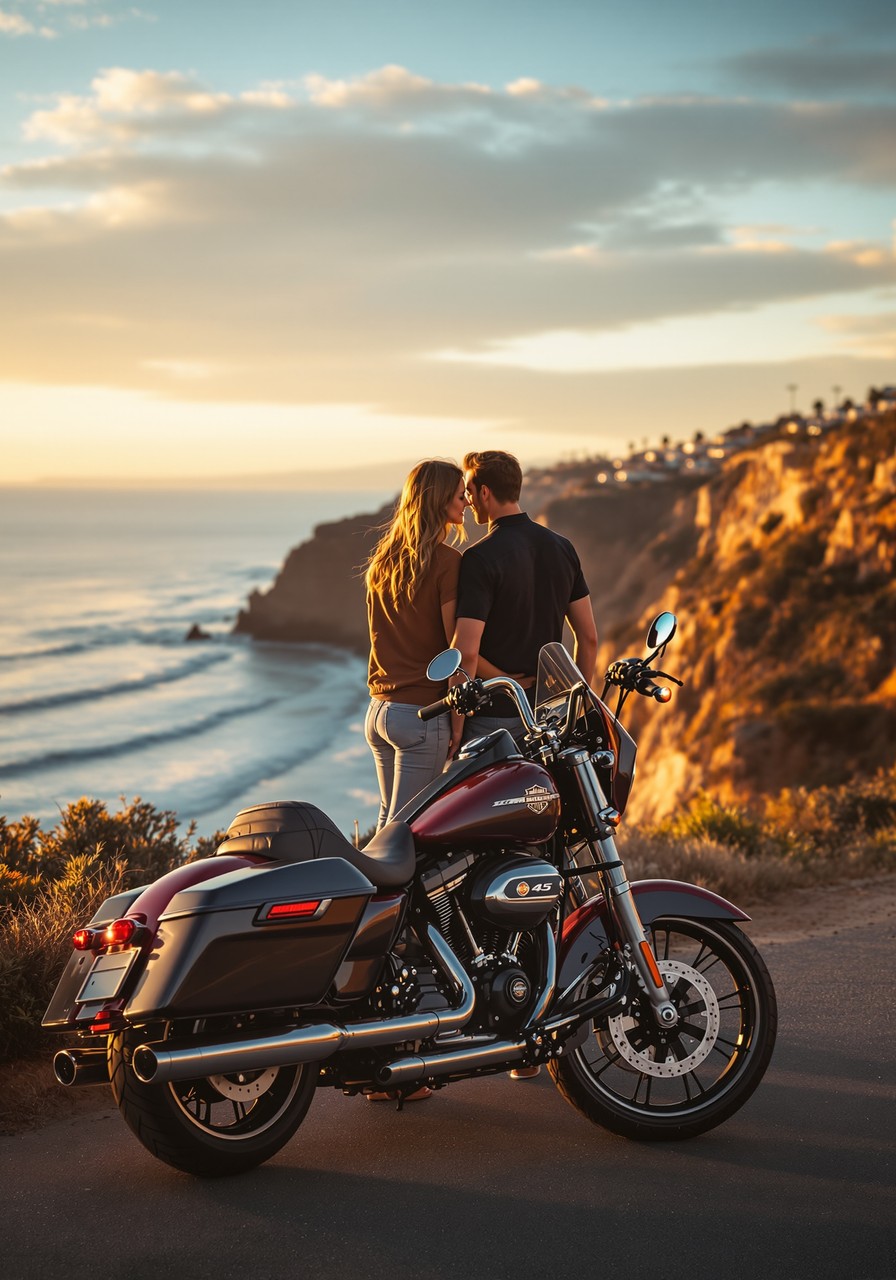
Free to enter. Huge to win. The BikersWin $20,000 giveaway is open to every rider who talks to us about a crash. Head to bhlflaw.com for the details. #RideNationSD #20kGiveaway
Local San Diego & Rides
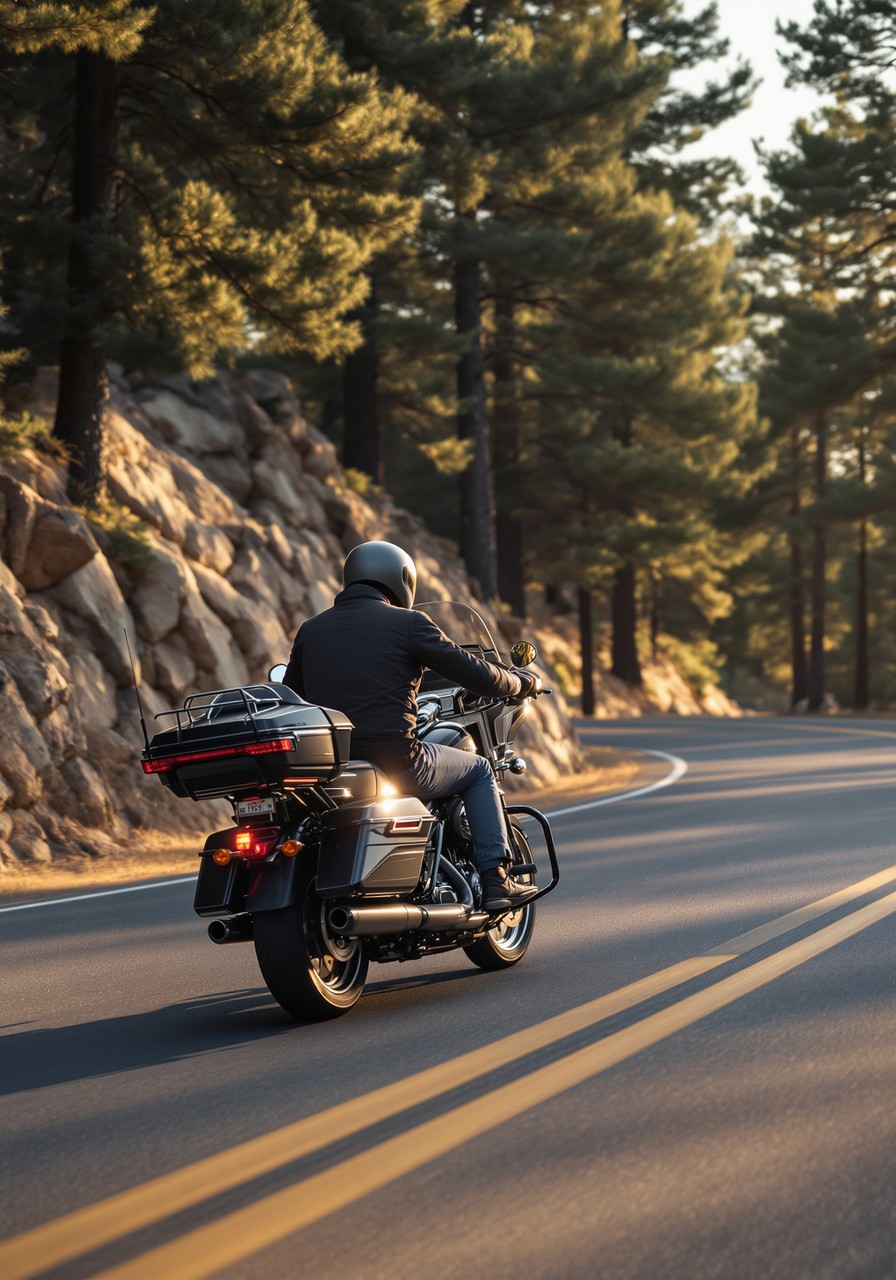
Sunset Cliffs at dusk, salt in the air, engine ticking as it cools. Some rides are about the destination. #RideNationSD #SanDiego #SunsetCliffs #SoCalRiders
Gear & New Iron
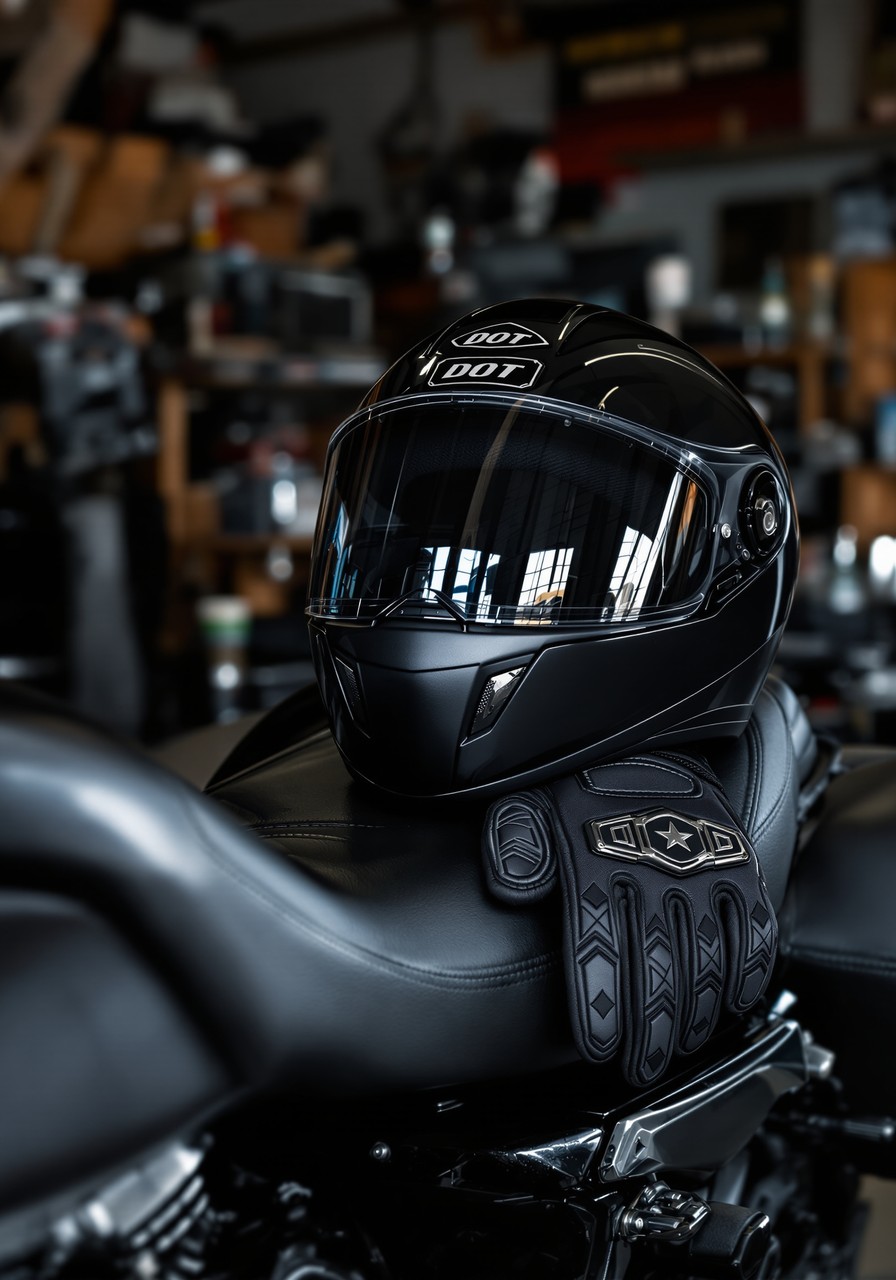
Mountain runs up to Julian mean layers. Warm at the base, cold at elevation, so pack a liner you can shed and restack. #RideNationSD #GearUp #MotorcycleGear #SanDiego
Safety & California Law
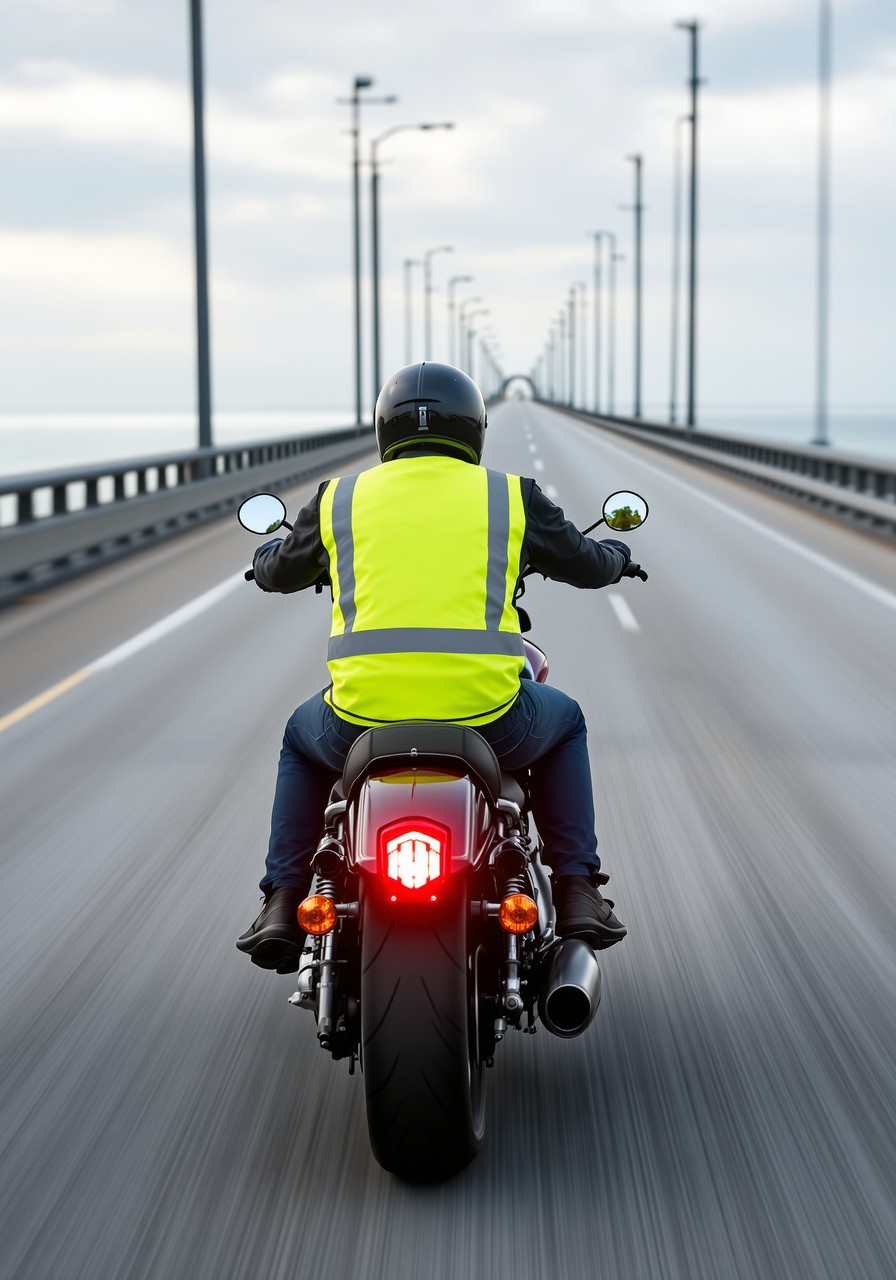
Lane positioning is a tool, not an afterthought. Ride where you can see and be seen, stay out of blind spots, and give yourself an escape route in every lane. #RideNationSD #RideSafe #LanePositioning
Engagement
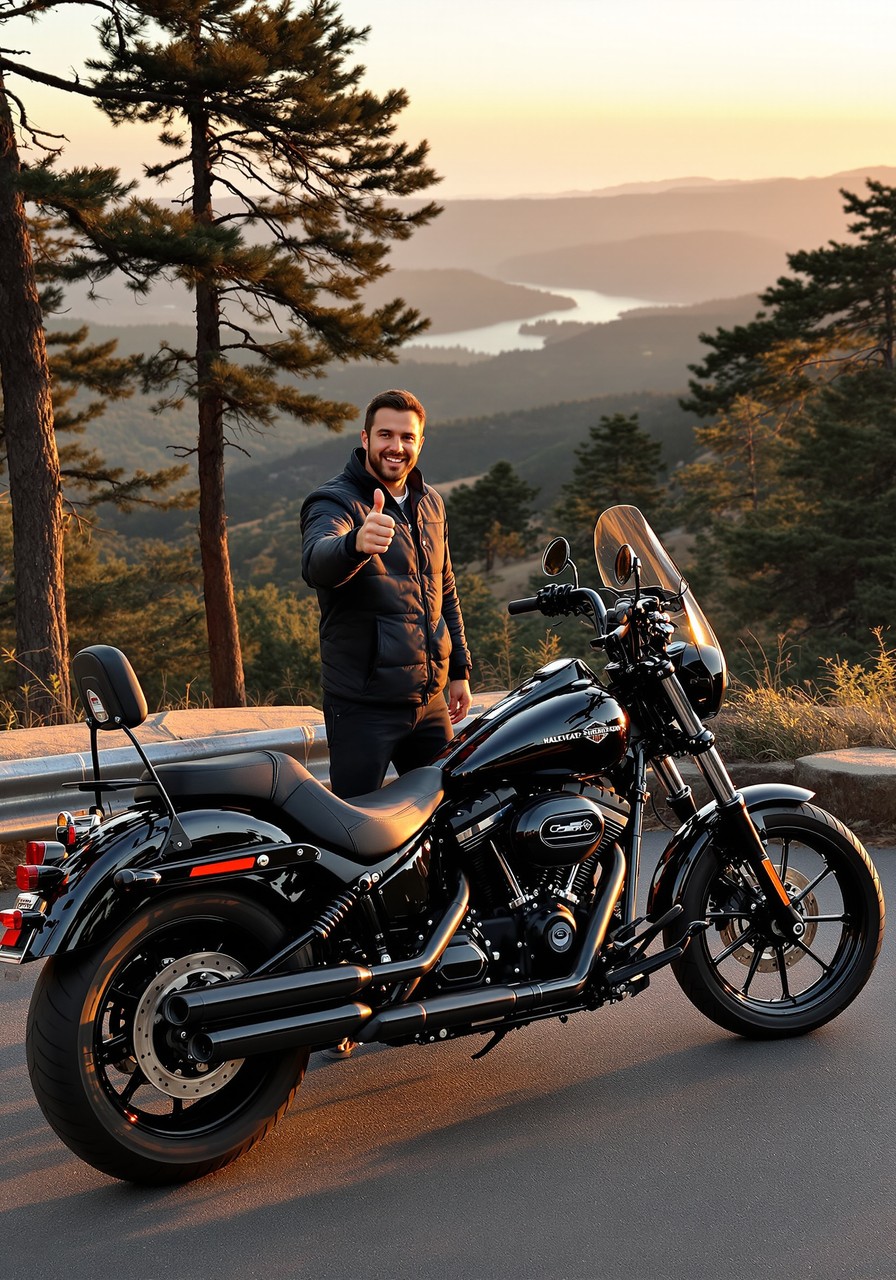
Caption this: the moment the road opens up on Anza-Borrego and there is nothing but desert ahead. #RideNationSD #SoCalRiders #SanDiego
Giveaway & Countdown
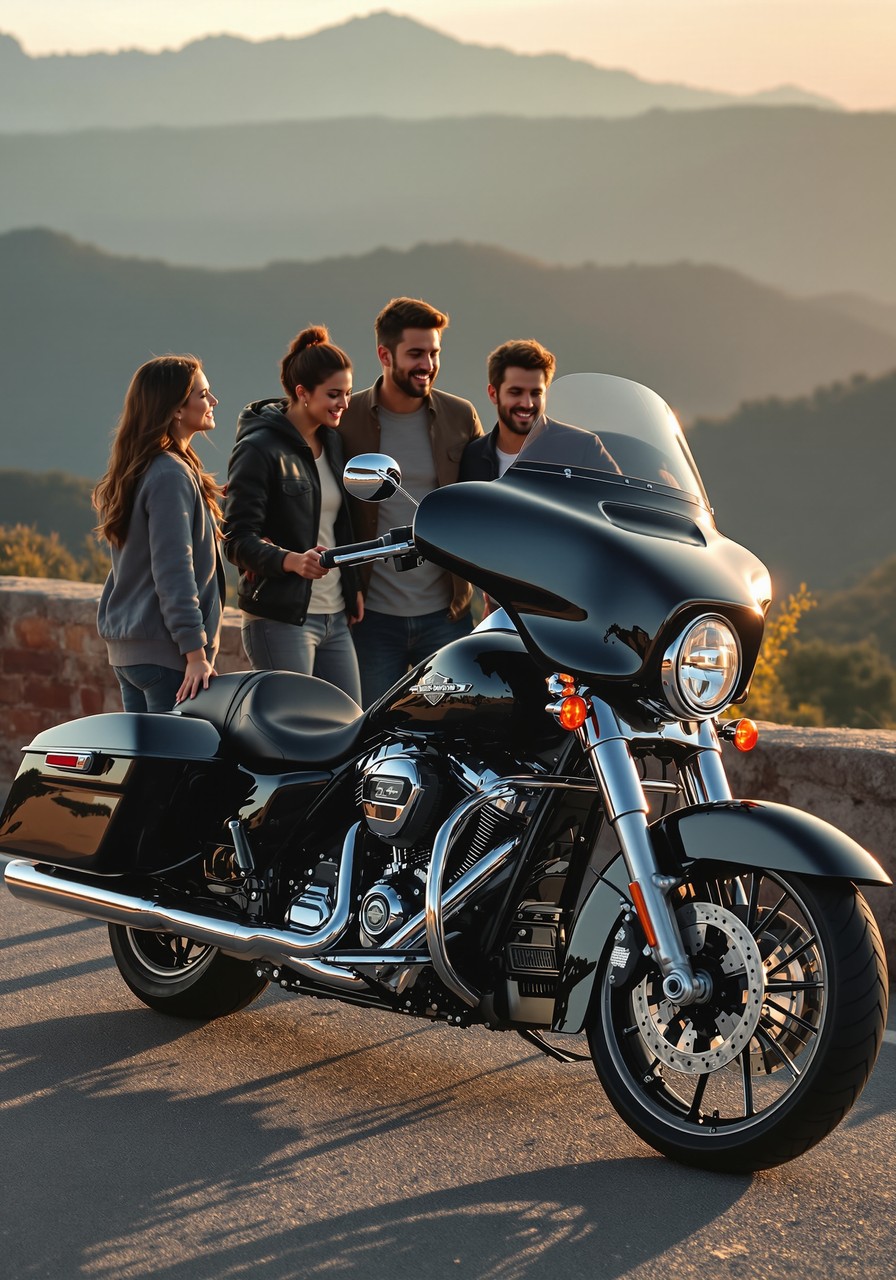
Don't let December 10 sneak up on you. Ask Banker's Hill Law Firm how a crash conversation enters you in the $20,000 giveaway for free. Call (619) 230-0330. #RideNationSD #BikersWin #20kGiveaway
Local San Diego & Rides
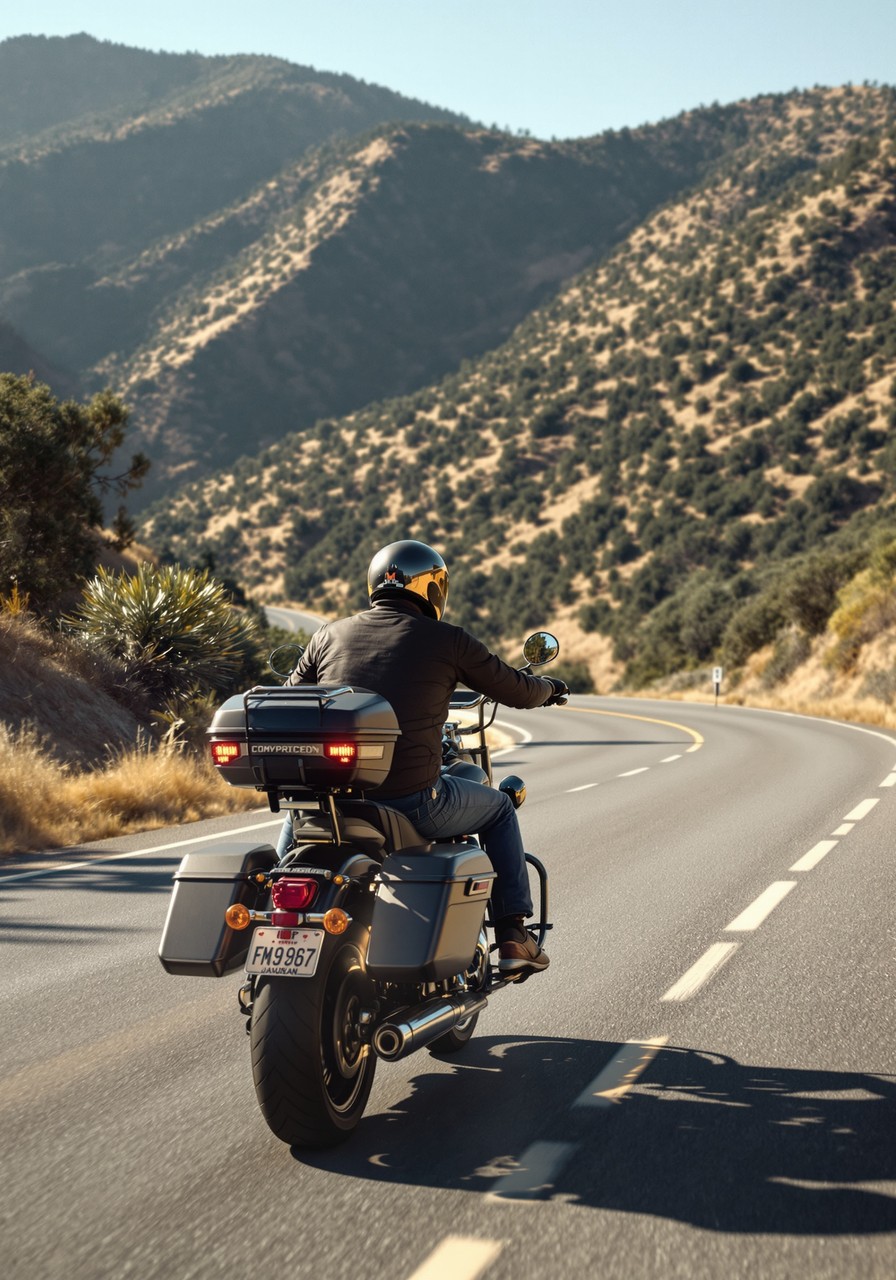
Coffee first, canyons second. Grab a cup, meet the crew, and point it toward the backcountry. #RideNationSD #SanDiego #SoCalRiders #CoffeeAndBikes
Gear & New Iron
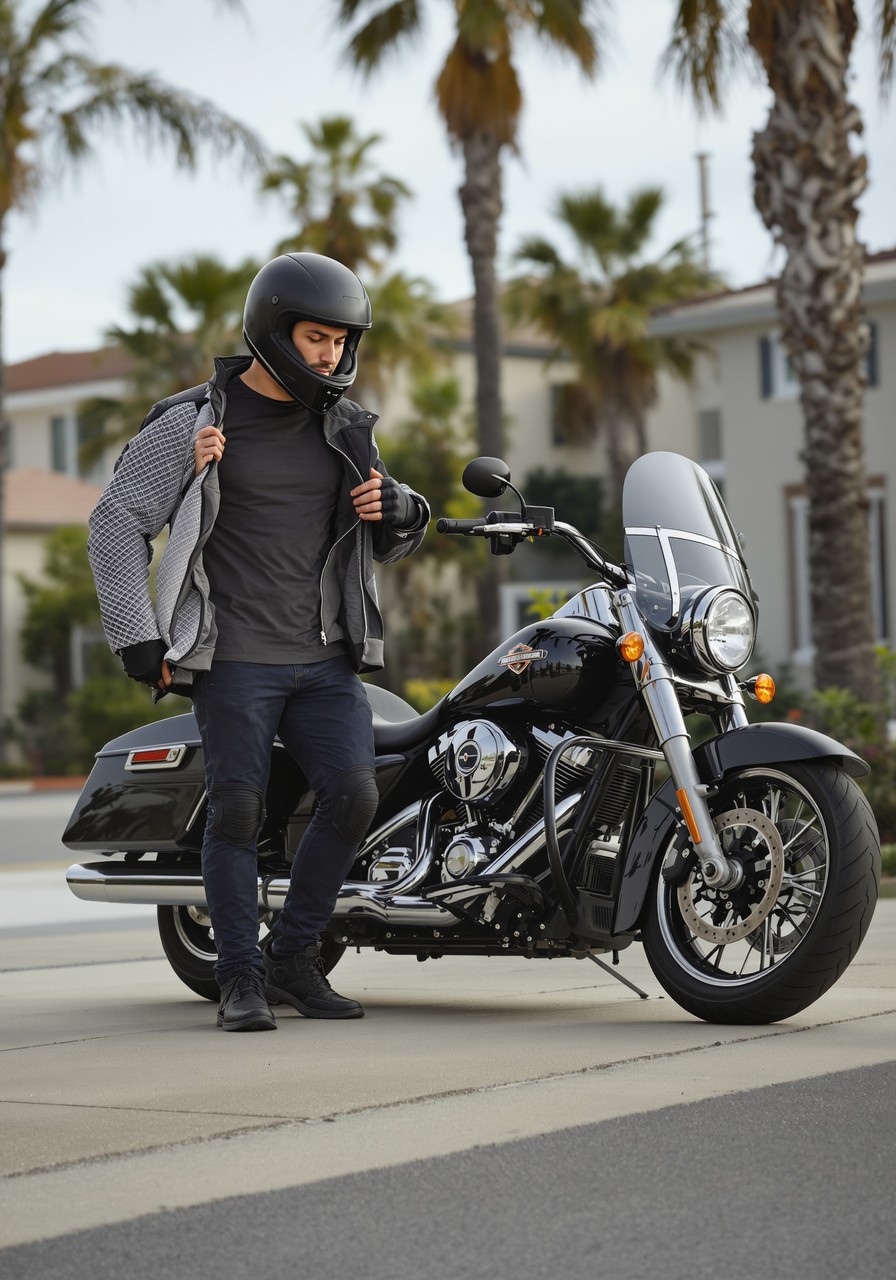
Rain gear lives in the tail bag from October on. The first surprise shower on the 8 is not the time to find out yours leaks. #RideNationSD #RideSafe #GearUp #SoCalRiders
Safety & California Law
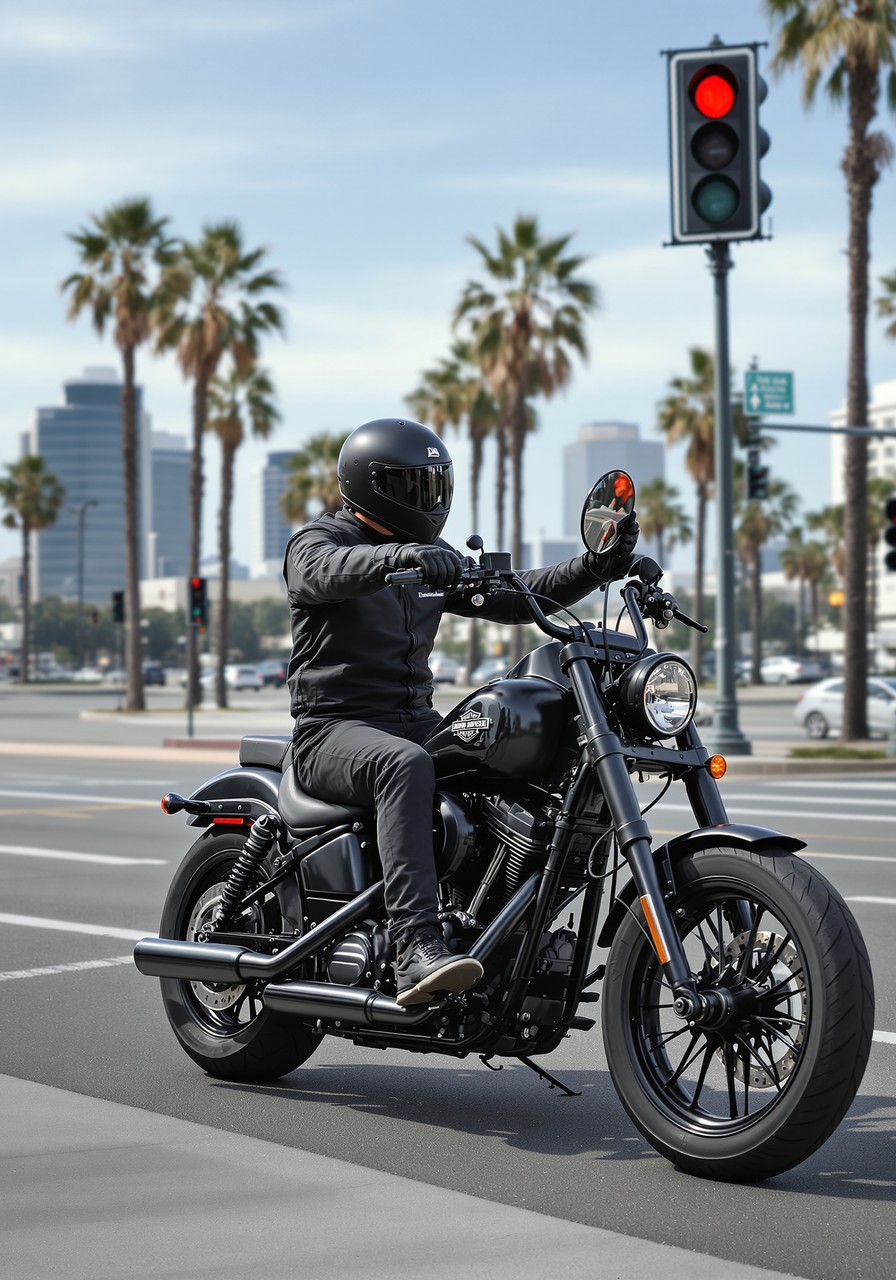
So many drivers on California roads carry little or no insurance. Carrying UM/UIM coverage protects you when the other driver cannot. Questions after a crash? Call Banker's Hill Law Firm at (619) 230-0330. #RideNationSD #RideSafe #UMUIM
Engagement
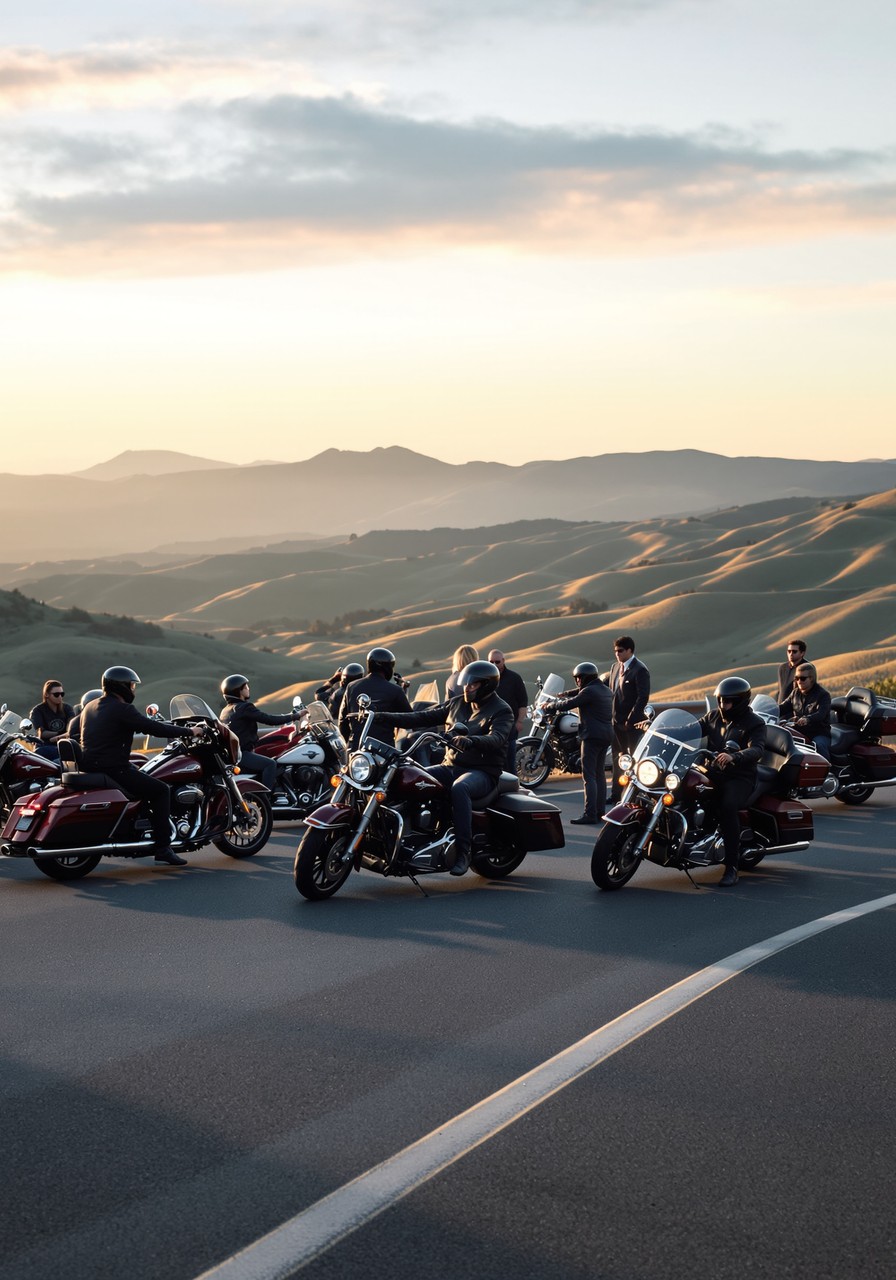
Fill in the blank: I knew I was hooked on riding the day I ______. #RideNationSD #SoCalRiders #SanDiegoMoto
Giveaway & Countdown
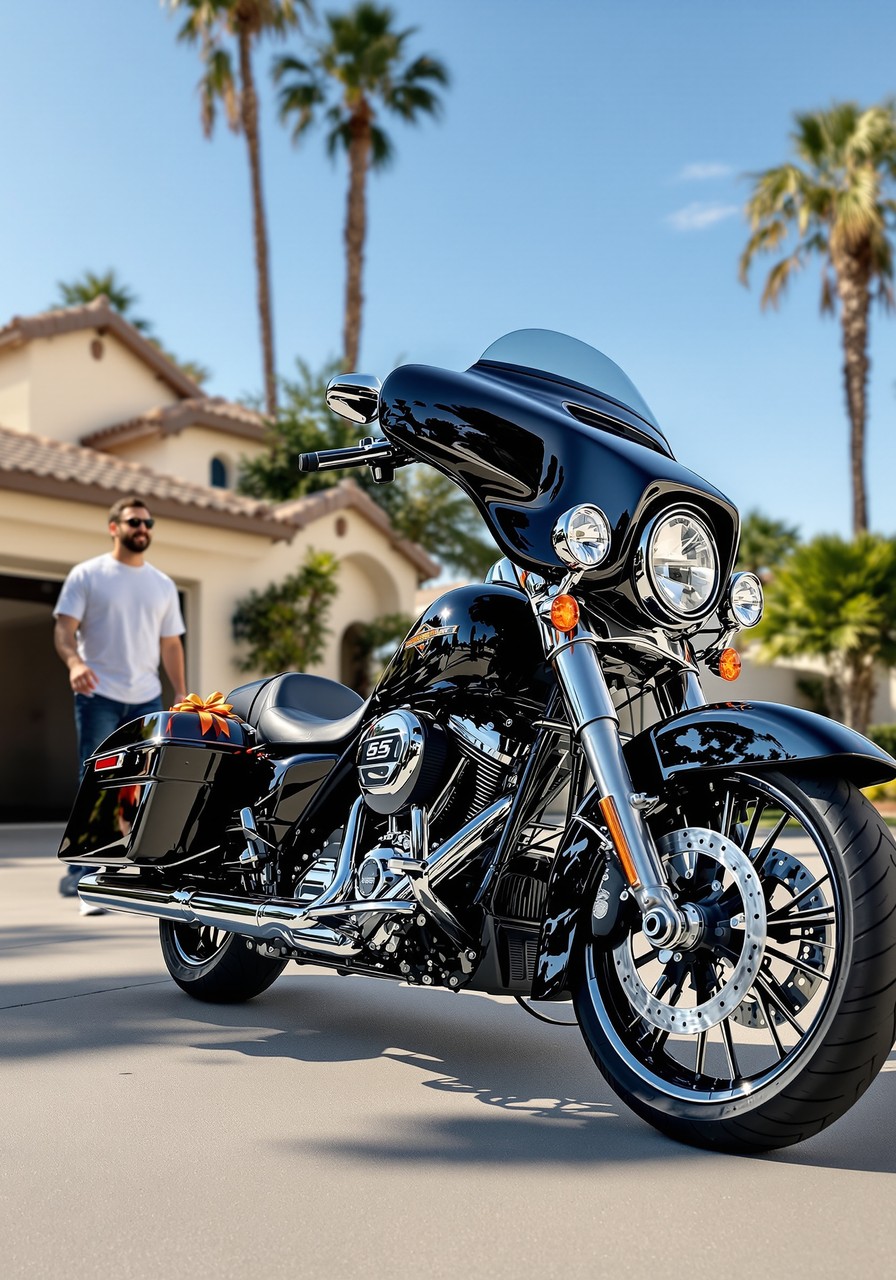
Riders all over Southern California are already entered. Have you talked to us yet? Every crash conversation means a free entry in the $20,000 BikersWin giveaway. #RideNationSD #BikersWin
Local San Diego & Rides
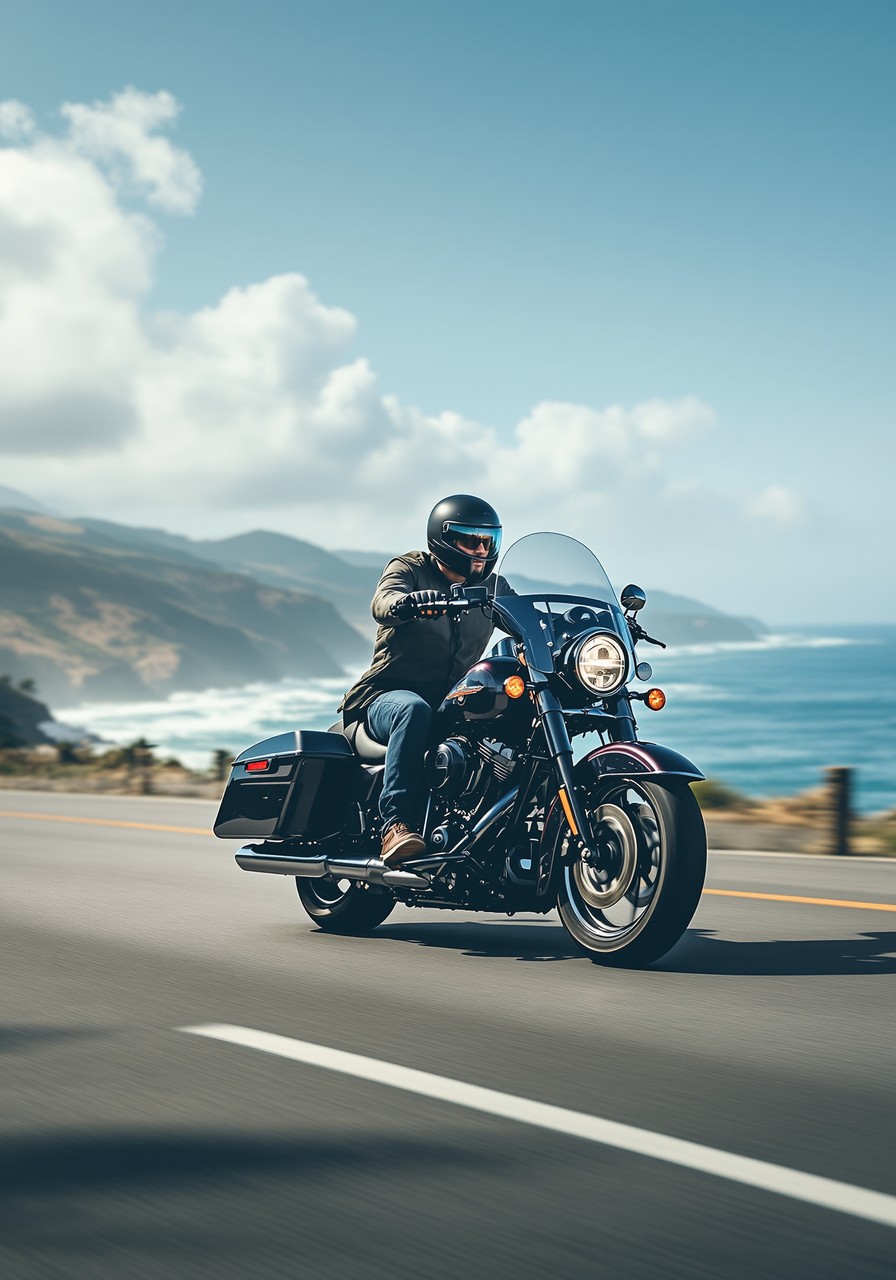
Torrey Pines and the coast road on a clear morning is a reminder of why we ride here year round. #RideNationSD #SanDiego #TorreyPines #PCH
Gear & New Iron
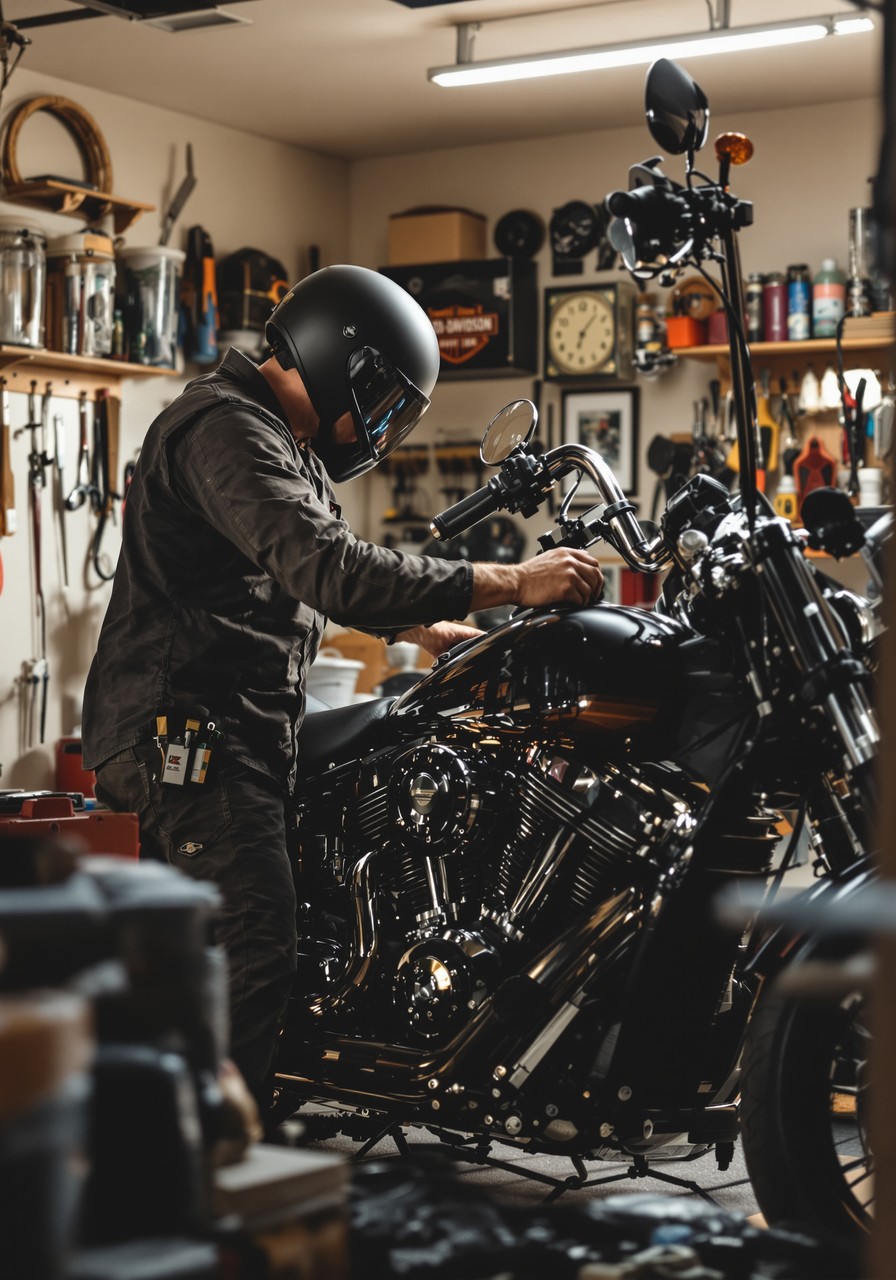
A fresh visor or a good anti-fog insert makes the marine layer commute a hundred times safer. Clear sight is free speed. #RideNationSD #RideSafe #MotorcycleGear #SanDiego
Safety & California Law
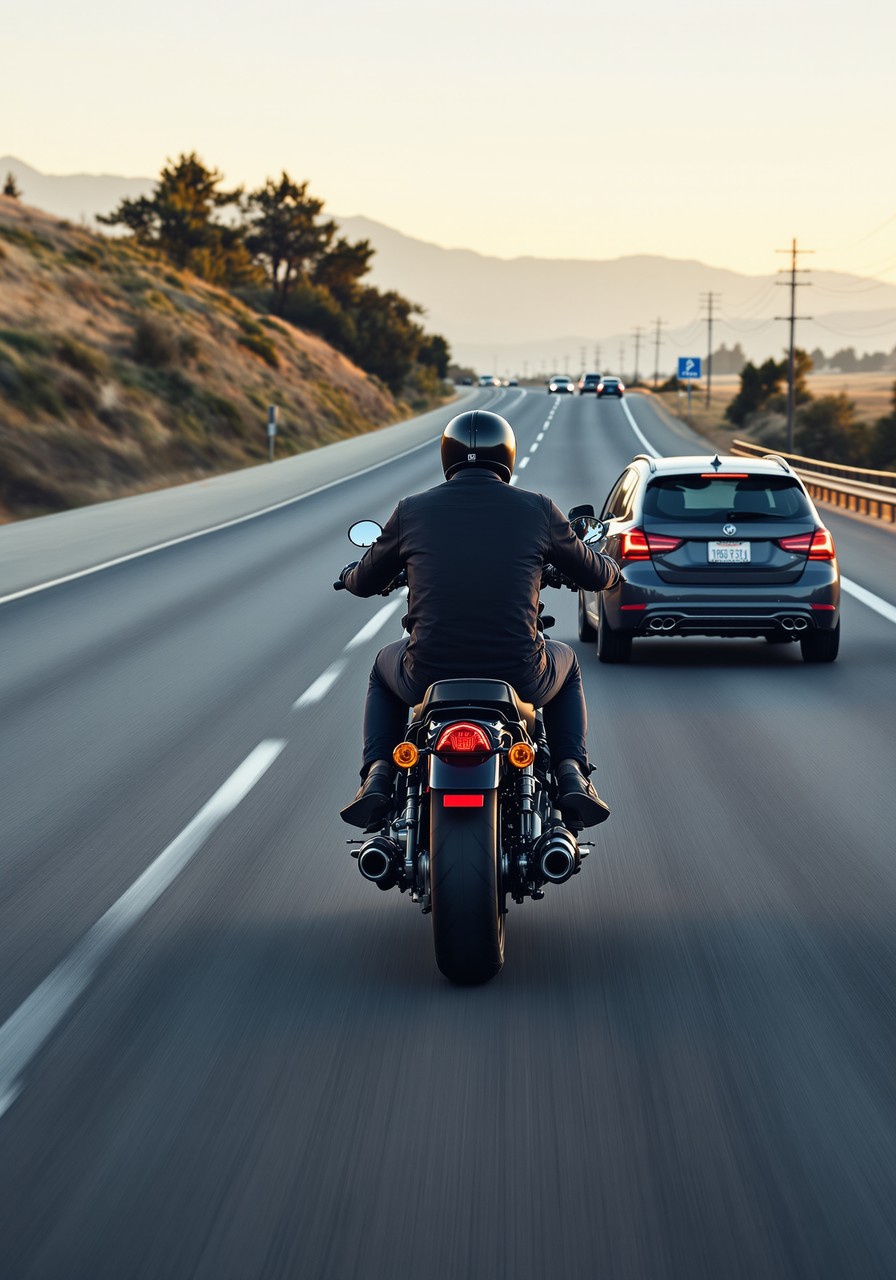
Marine layer fog can drop visibility along the coast in minutes. Ease off the throttle, add reflective gear, and use your high beam only when it helps rather than blinds. #RideNationSD #RideSafe #FogSafety
Engagement
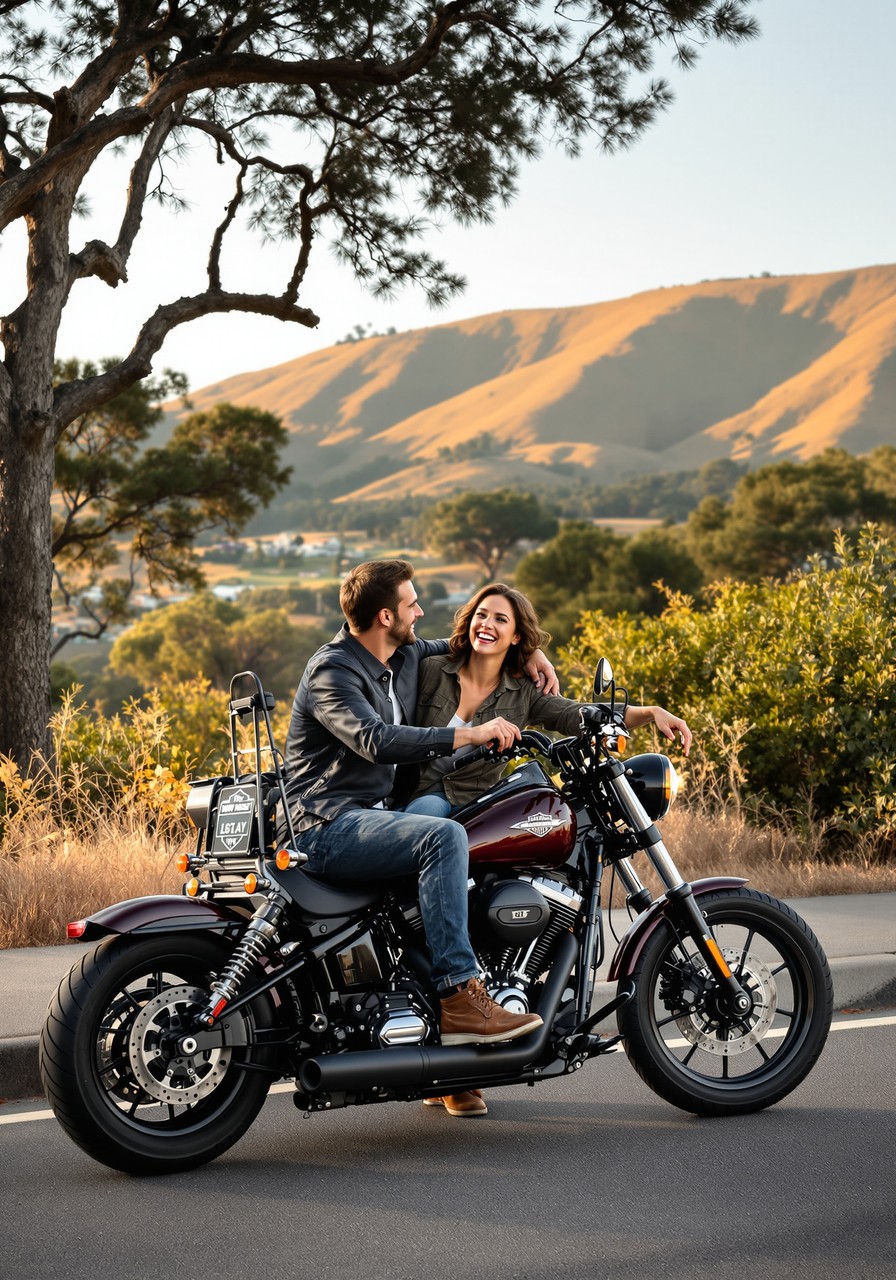
Tag a friend who still owes you a Julian pie stop from last season. We are keeping score. #RideNationSD #Julian #SanDiego
Giveaway & Countdown
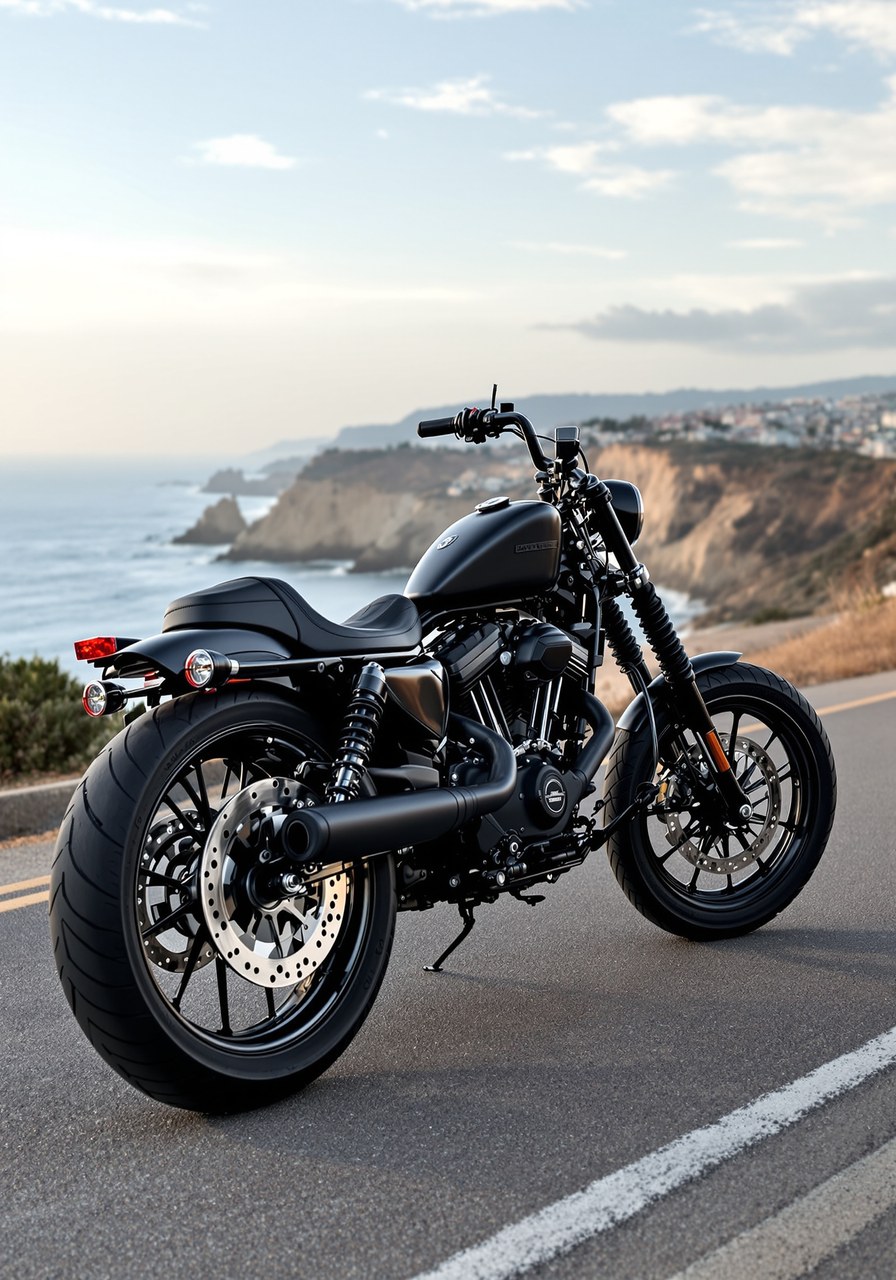
Reminder: the $20,000 motorcycle giveaway draws December 10. It costs nothing to enter, just a conversation about your crash. Call (619) 230-0330 to get started. #RideNationSD #20kGiveaway
Local San Diego & Rides
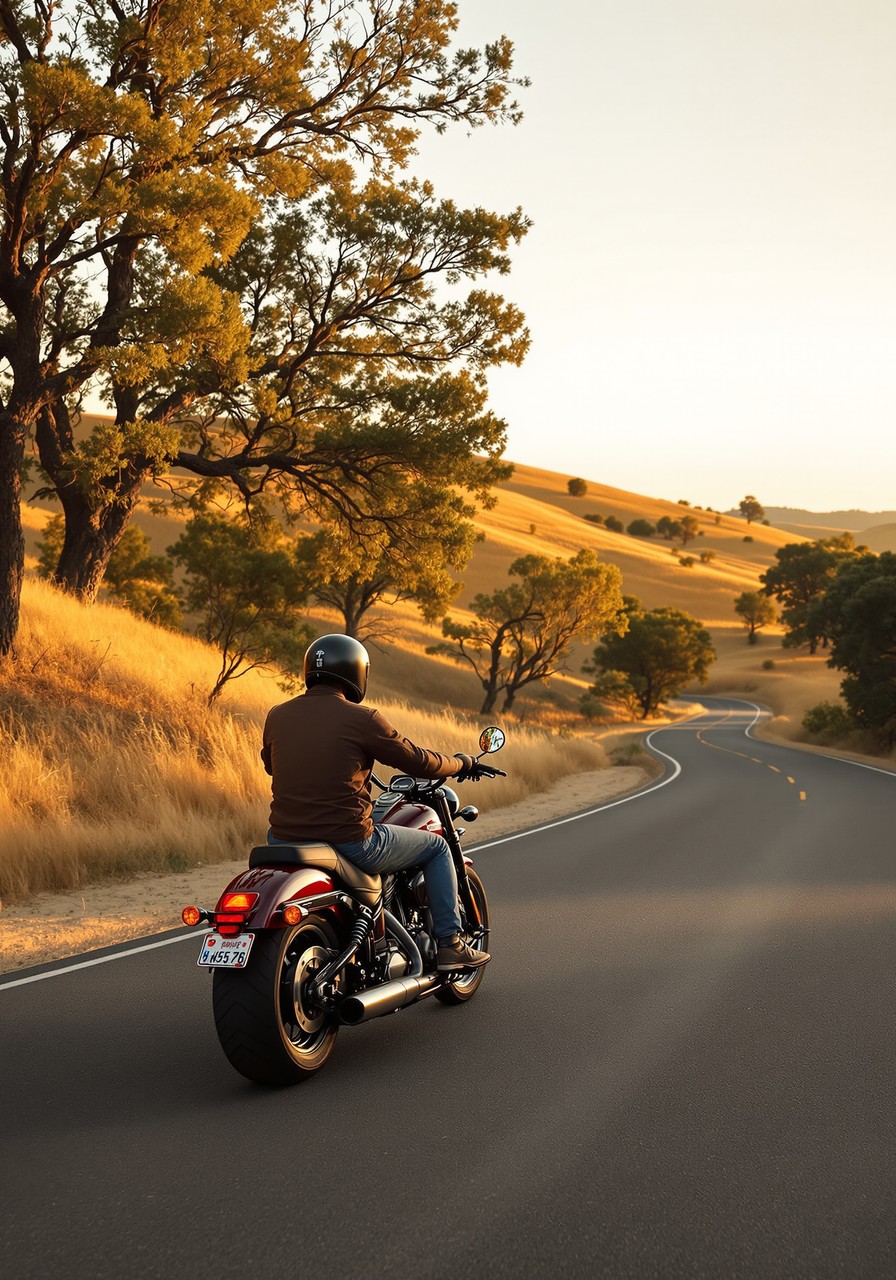
Mount Soledad gives you the whole city and the sea in one glance. Quick climb, big payoff. #RideNationSD #SanDiego #MountSoledad #SoCalRiders
Gear & New Iron
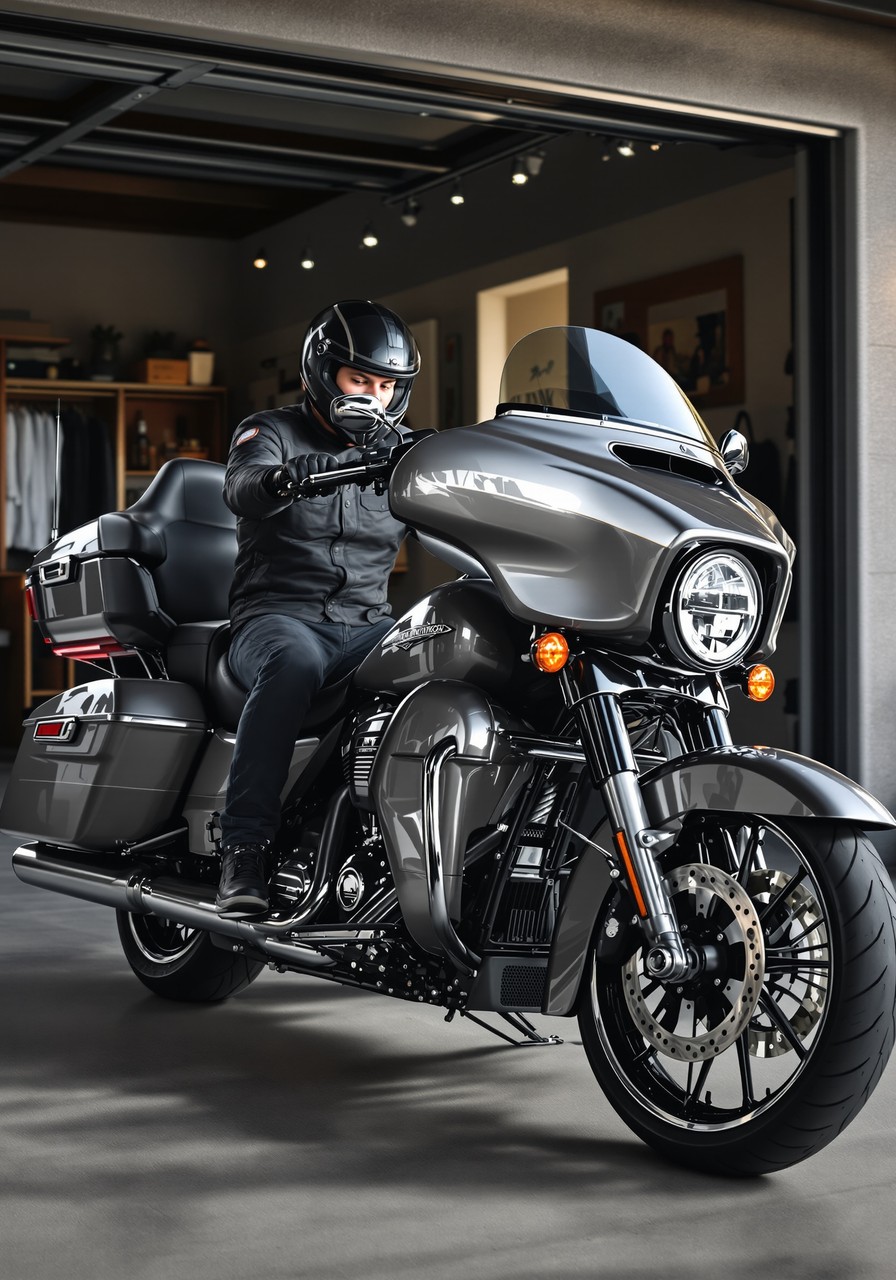
Chain love is cheap insurance. Clean it, lube it, check the slack, and your driveline rewards you for thousands of miles. #RideNationSD #MotorcycleGear #GearUp #RideSafe
Safety & California Law
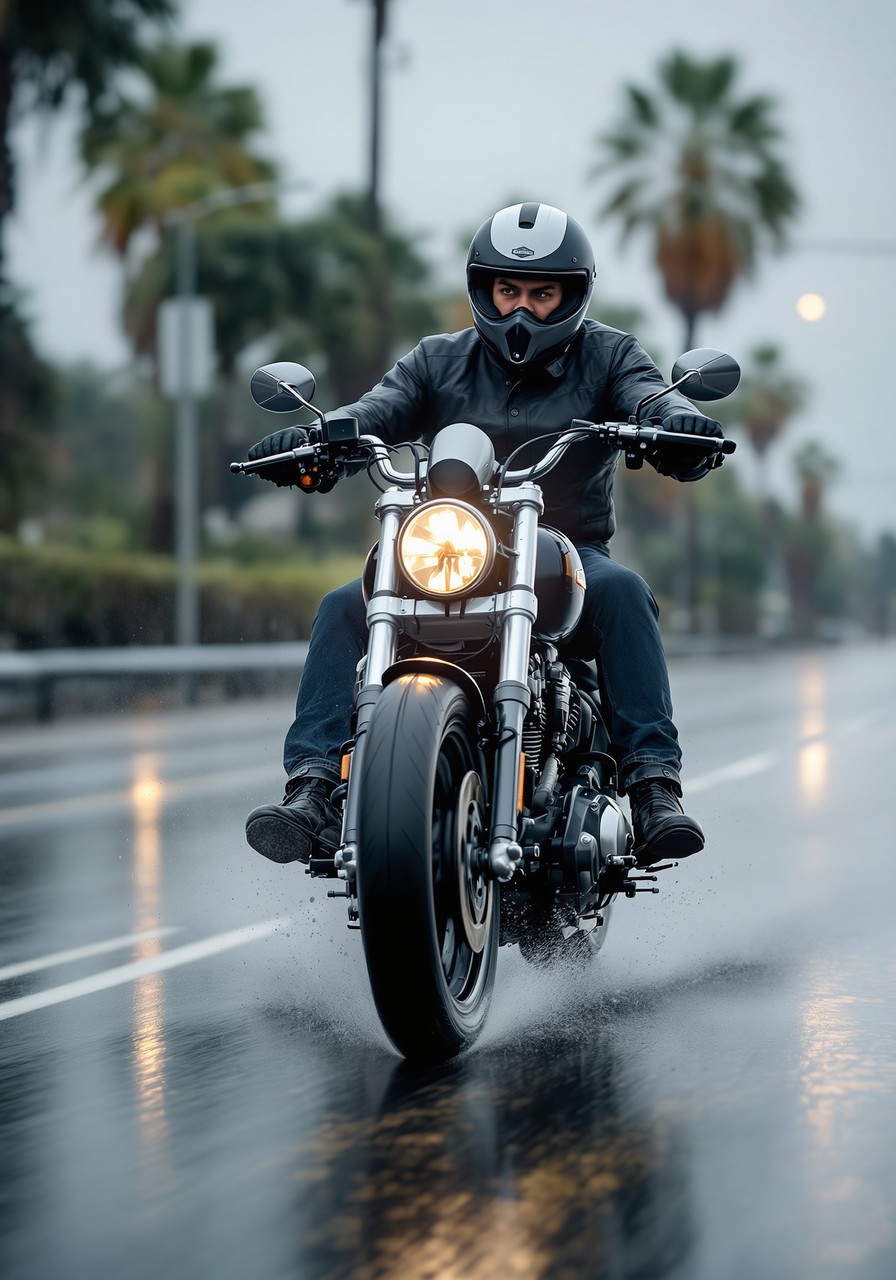
Cover your brakes as you approach every intersection. That fraction of a second you save covering the lever can be the difference when a driver turns across your path. Questions? Call Banker's Hill Law Firm at (619) 230-0330. #RideNationSD #RideSafe #IntersectionSafety
Engagement
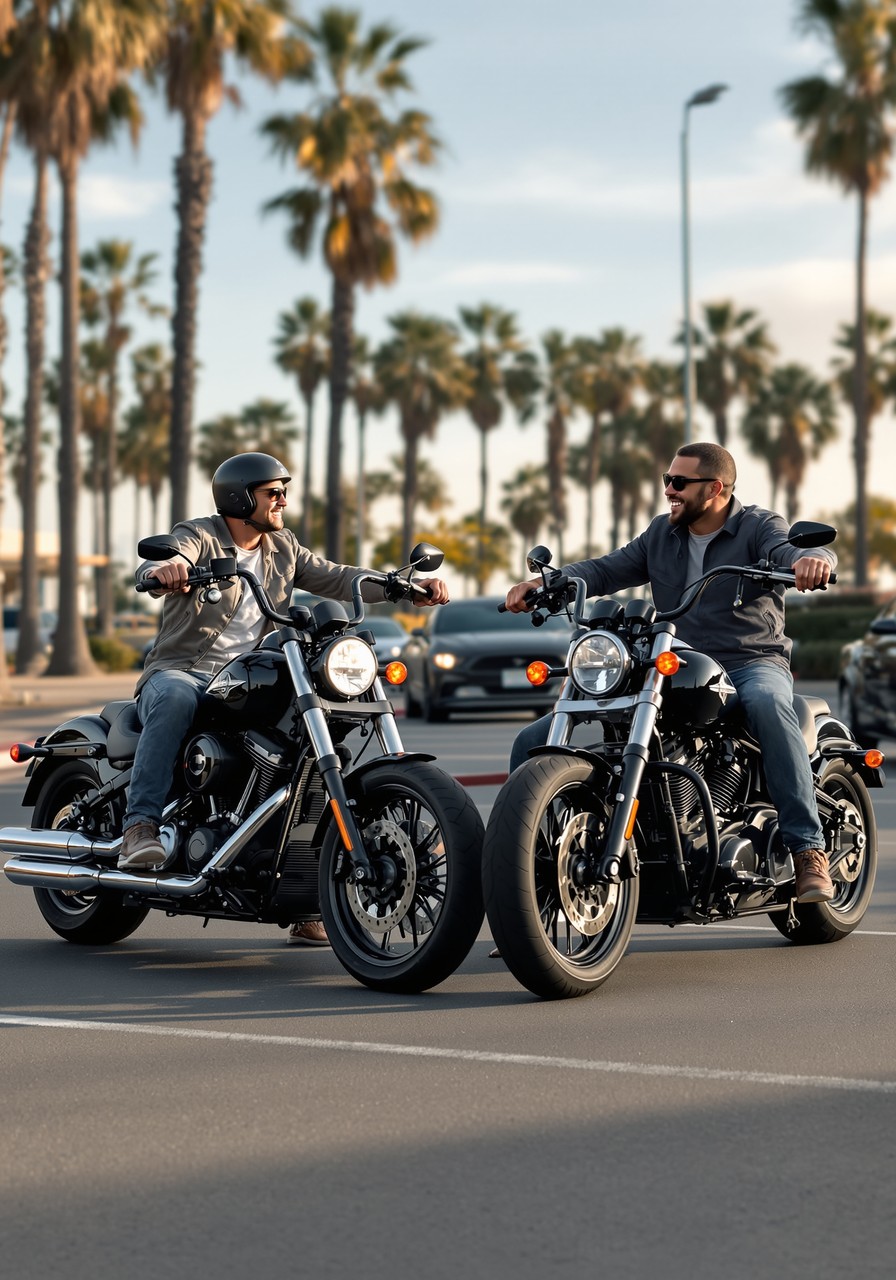
Poll: Santa Ana winds are an underrated riding gift or a total hassle? Cast your vote. #RideNationSD #SoCalRiders #SanDiegoMoto
Giveaway & Countdown
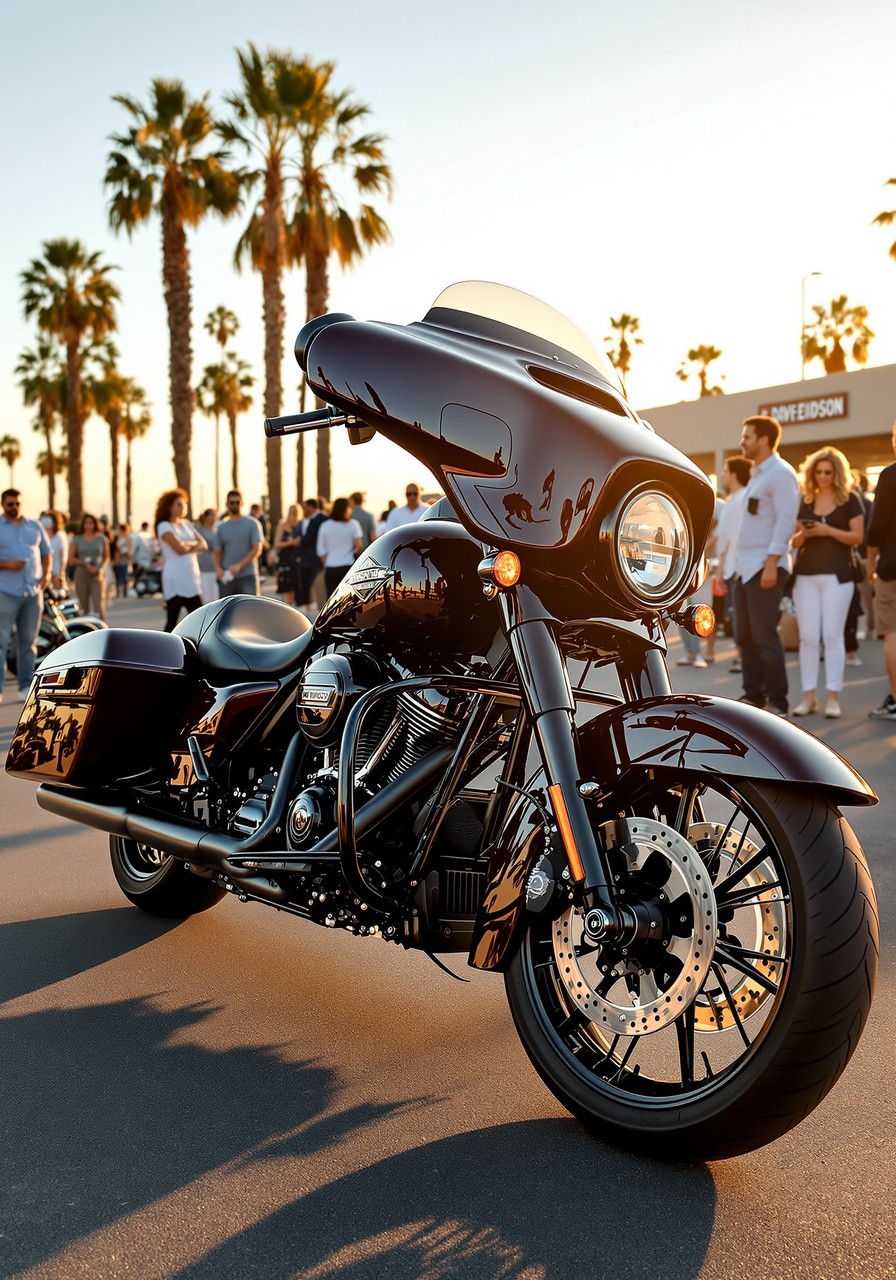
What would $20,000 mean for your garage? Find out on December 10. Talk to Banker's Hill Law Firm about your crash and you're entered for free. bhlflaw.com. #RideNationSD #BikersWin #20kGiveaway
Local San Diego & Rides
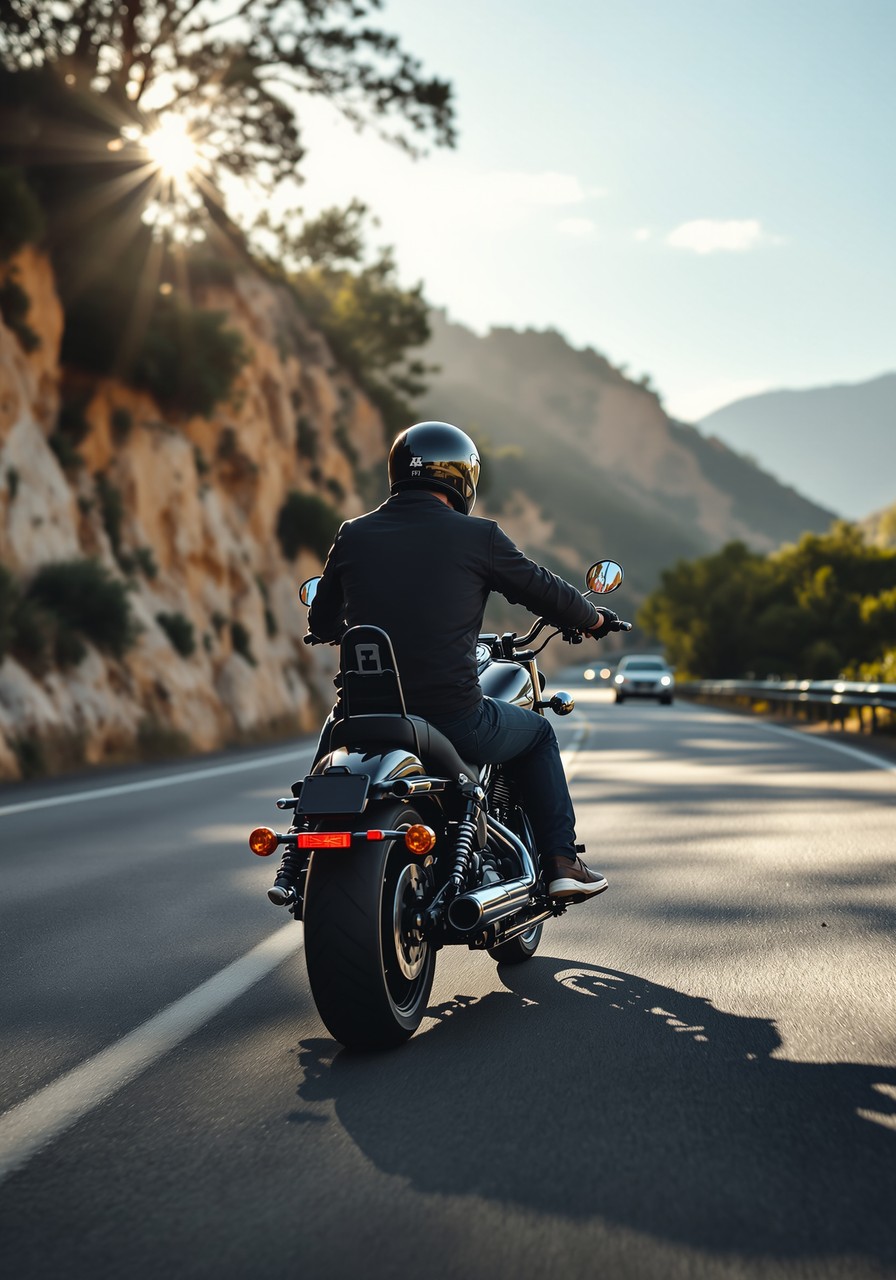
Ramona and Santa Ysabel backcountry roads roll through ranch land and oak shade. Pure SoCal cruising. #RideNationSD #SanDiego #Ramona #SoCalRiders
Gear & New Iron
New iron dropping this season and the group chat is already melting down. What is topping your wishlist this year? #RideNationSD #NewIron #MotorcycleGear #SoCalRiders
Safety & California Law
After a crash: take photos, get witness names, call for a police report, and see a doctor even if you feel fine. Skip the recorded statement and do not post about it online. Questions? Call Banker's Hill Law Firm at (619) 230-0330. #RideNationSD #RideSafe #CrashTips
Engagement
Rider confession: everyone has one road they will drive 90 minutes just to ride. What is yours? #RideNationSD #SoCalRiders #SanDiego
Giveaway & Countdown
The BikersWin buzz is real across San Diego. One rider takes home $20,000 on December 10, and entry is free with any crash conversation. Call (619) 230-0330. #RideNationSD #BikersWin
Local San Diego & Rides
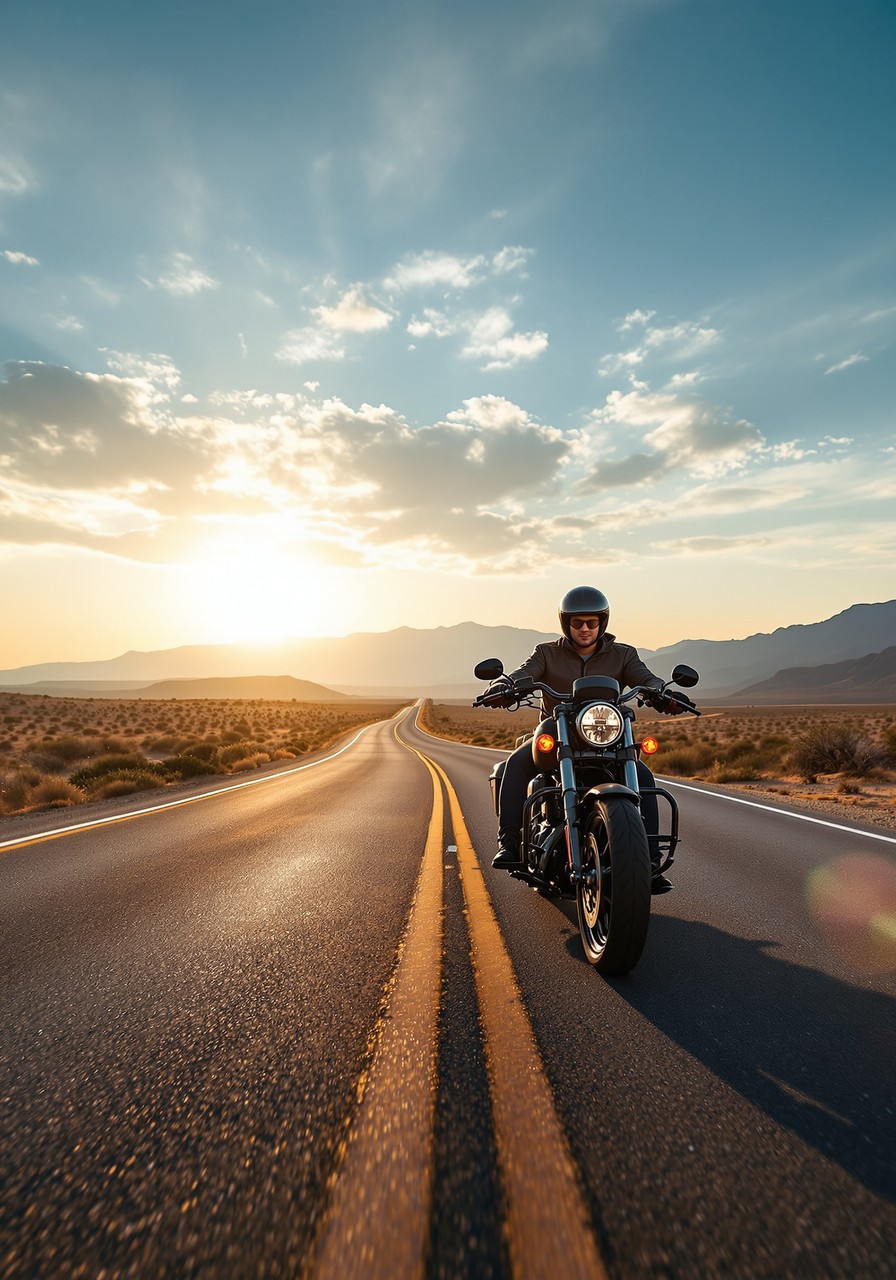
Lake Cuyamaca loop is a cool, calm escape when the coast gets crowded. Pack a snack and take your time. #RideNationSD #SanDiego #Cuyamaca #SoCalRiders
Gear & New Iron
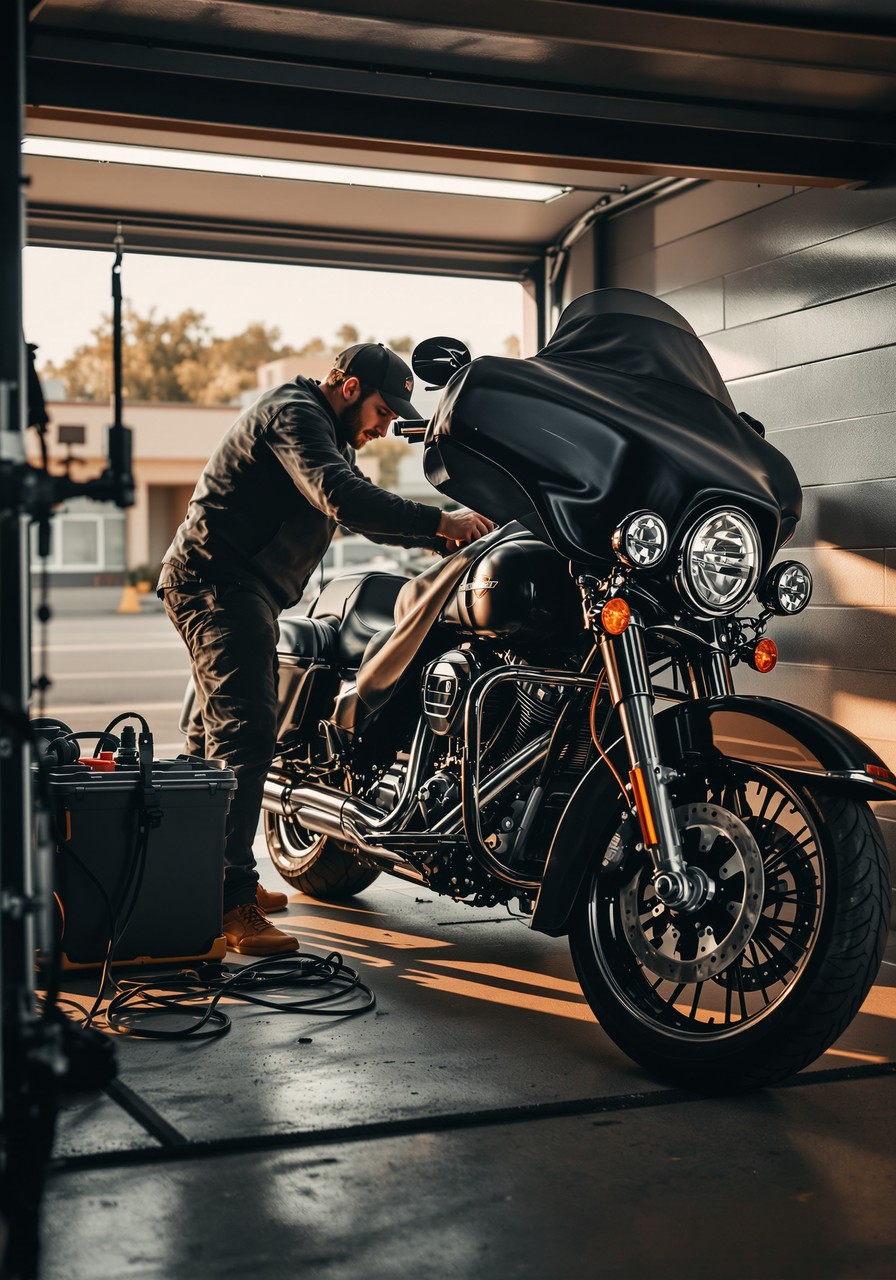
Tire pressure is the five-minute check that makes your bike feel brand new. Grab a gauge, set it cold, ride happier. #RideNationSD #MotorcycleGear #RideSafe #GearUp
Safety & California Law
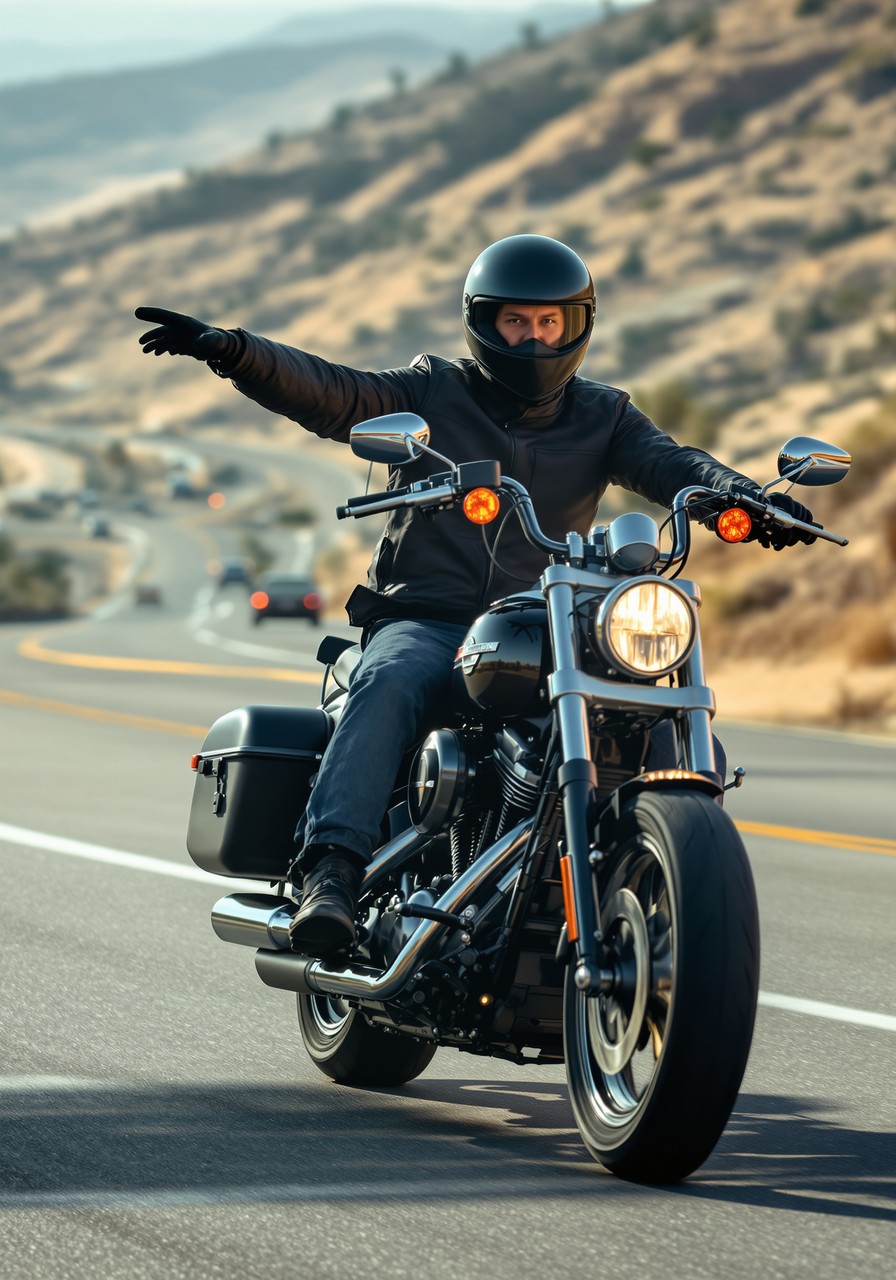
Being partly at fault does not end your California claim. Under pure comparative negligence your recovery is reduced by your share, not erased. Questions after a crash? Call Banker's Hill Law Firm at (619) 230-0330. #RideNationSD #RideSafe #CaliforniaLaw
Engagement
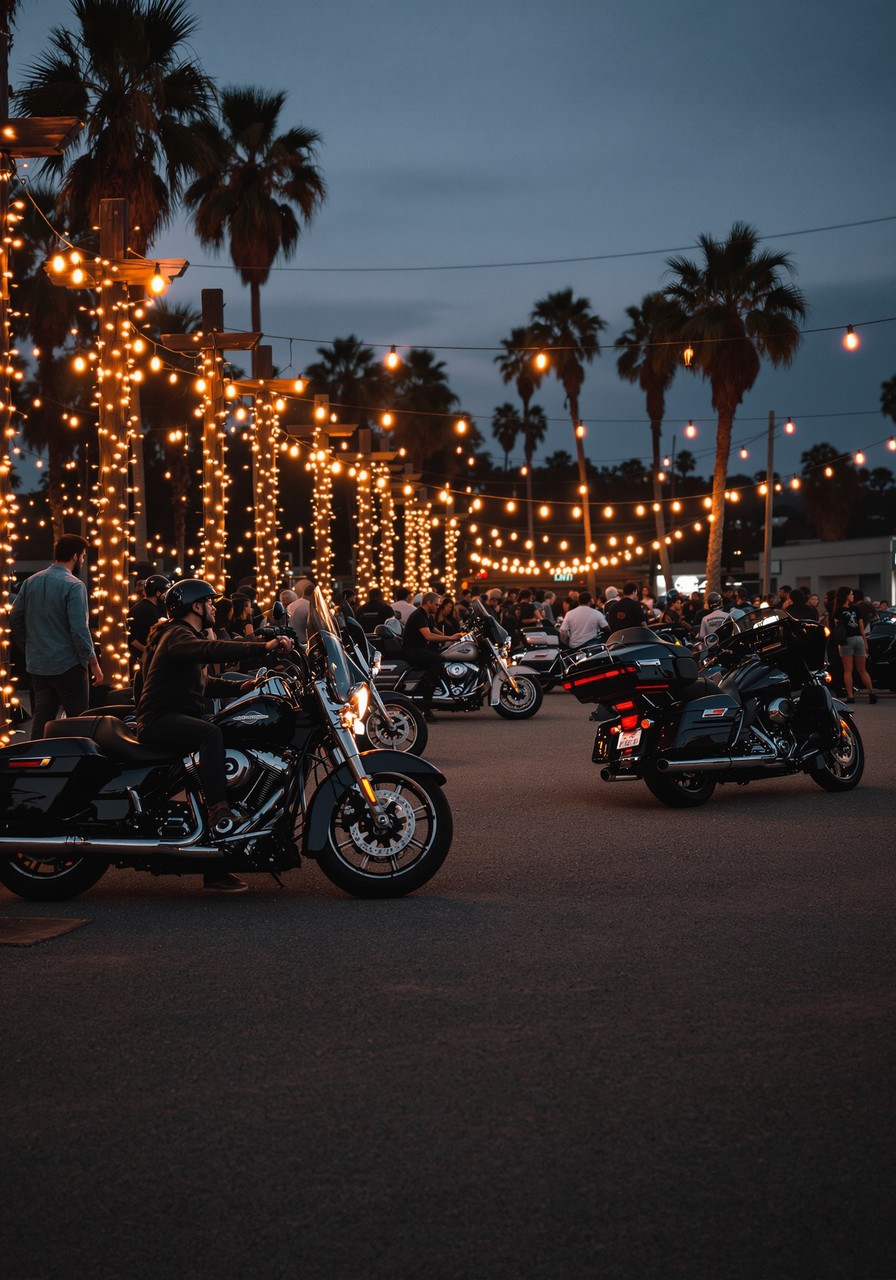
This or that: the twisties of Palomar's South Grade or a smooth glide through Balboa Park on CA-163? #RideNationSD #PalomarMountain #SanDiego
Giveaway & Countdown
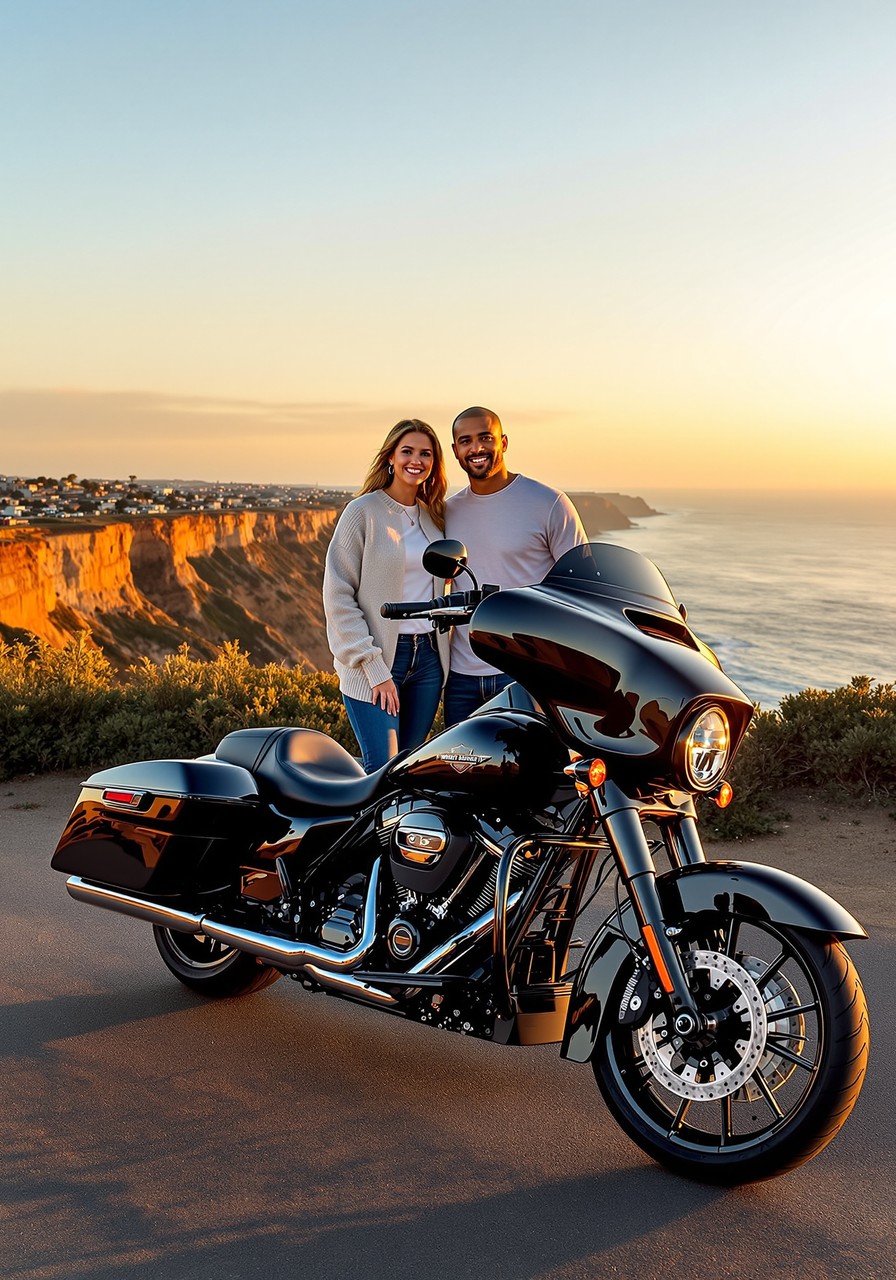
New to BikersWin? Here's the deal: chat with Banker's Hill Law Firm about your motorcycle crash and you're entered in our $20,000 giveaway for free. Details at bhlflaw.com. #RideNationSD #20kGiveaway
Local San Diego & Rides
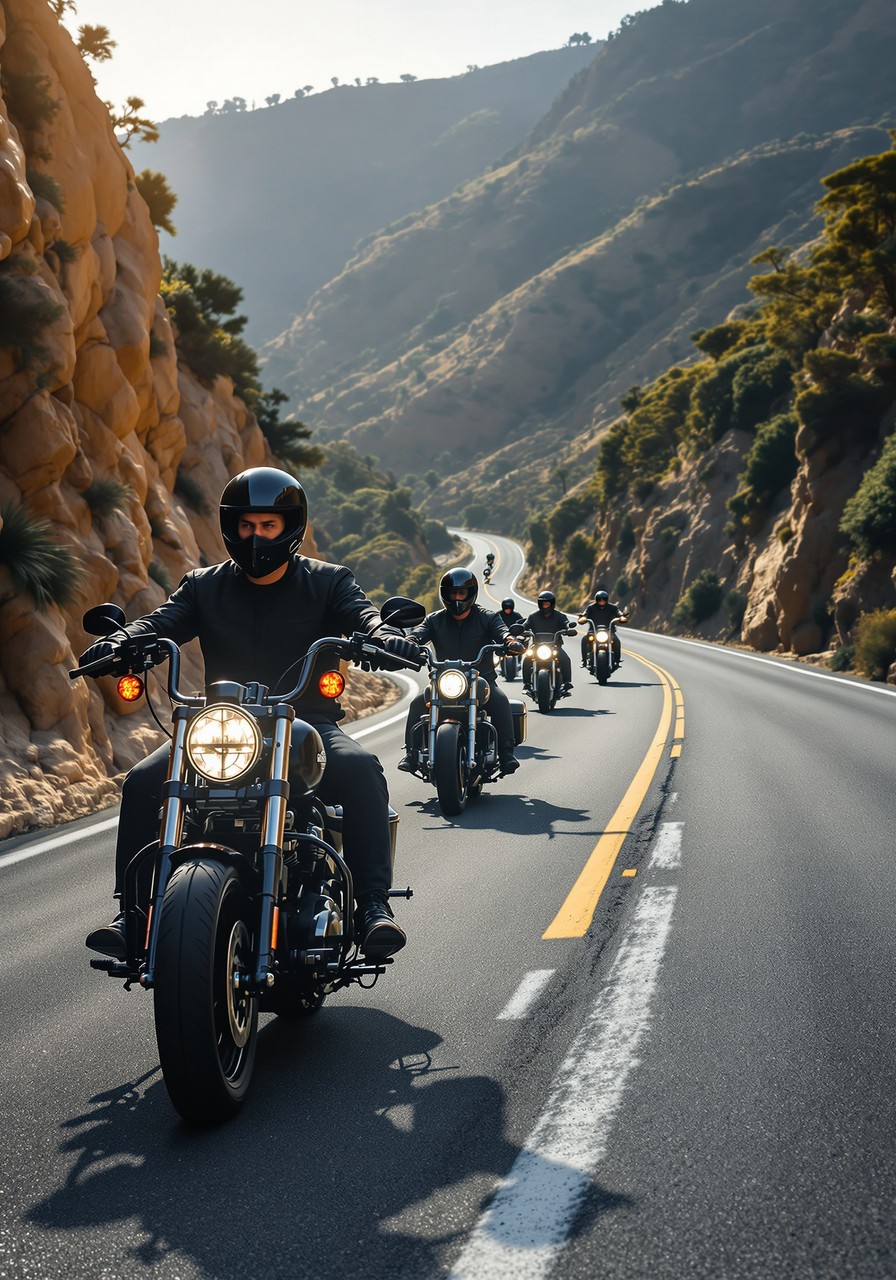
Pacific Coast Highway with the top of the swell rolling in. No rush, just the ocean on your right. #RideNationSD #PCH #SanDiego #SoCalRiders
Gear & New Iron
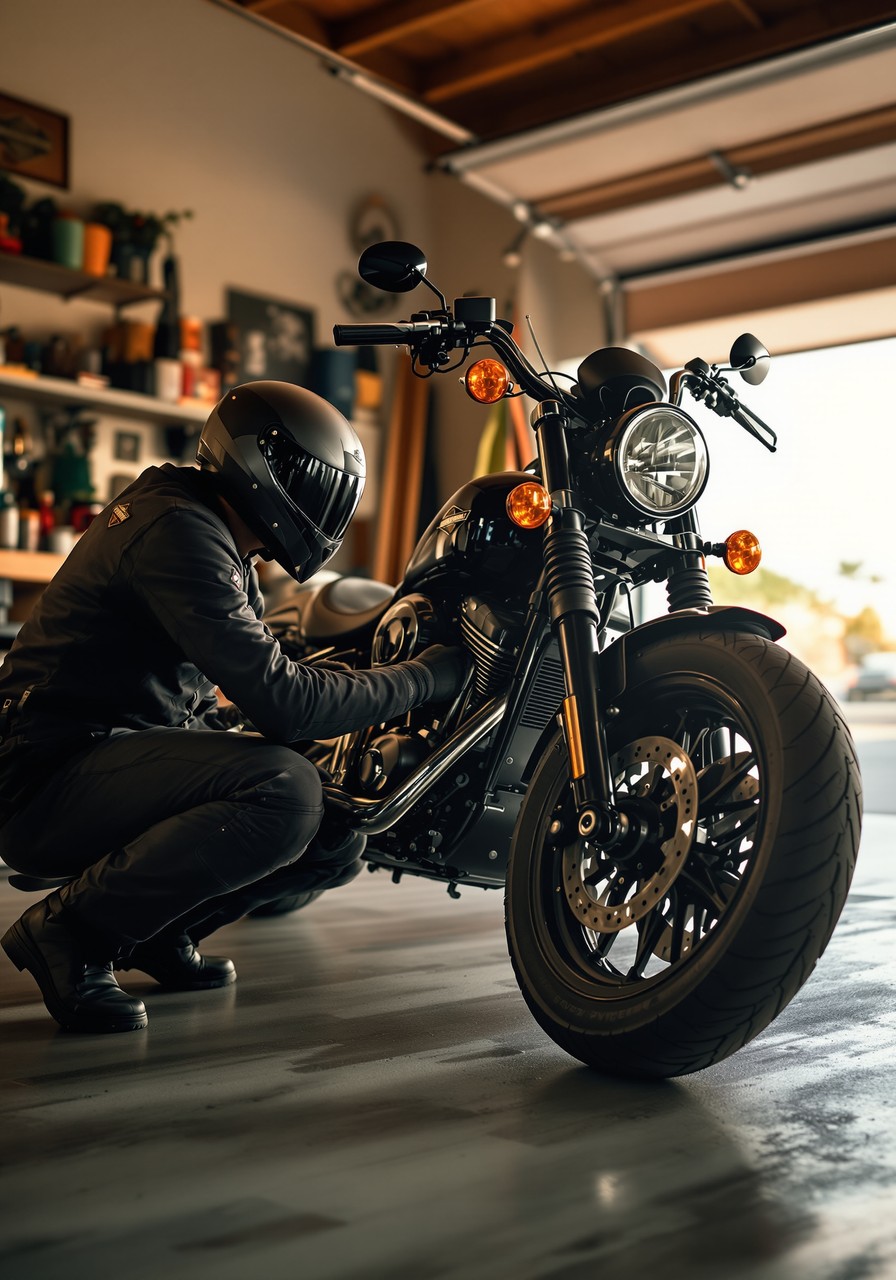
Armored riding jeans changed the game for the coffee-run crowd. Look normal at the cafe, stay protected on the ride there. #RideNationSD #ATGATT #MotorcycleGear #SanDiego
Safety & California Law
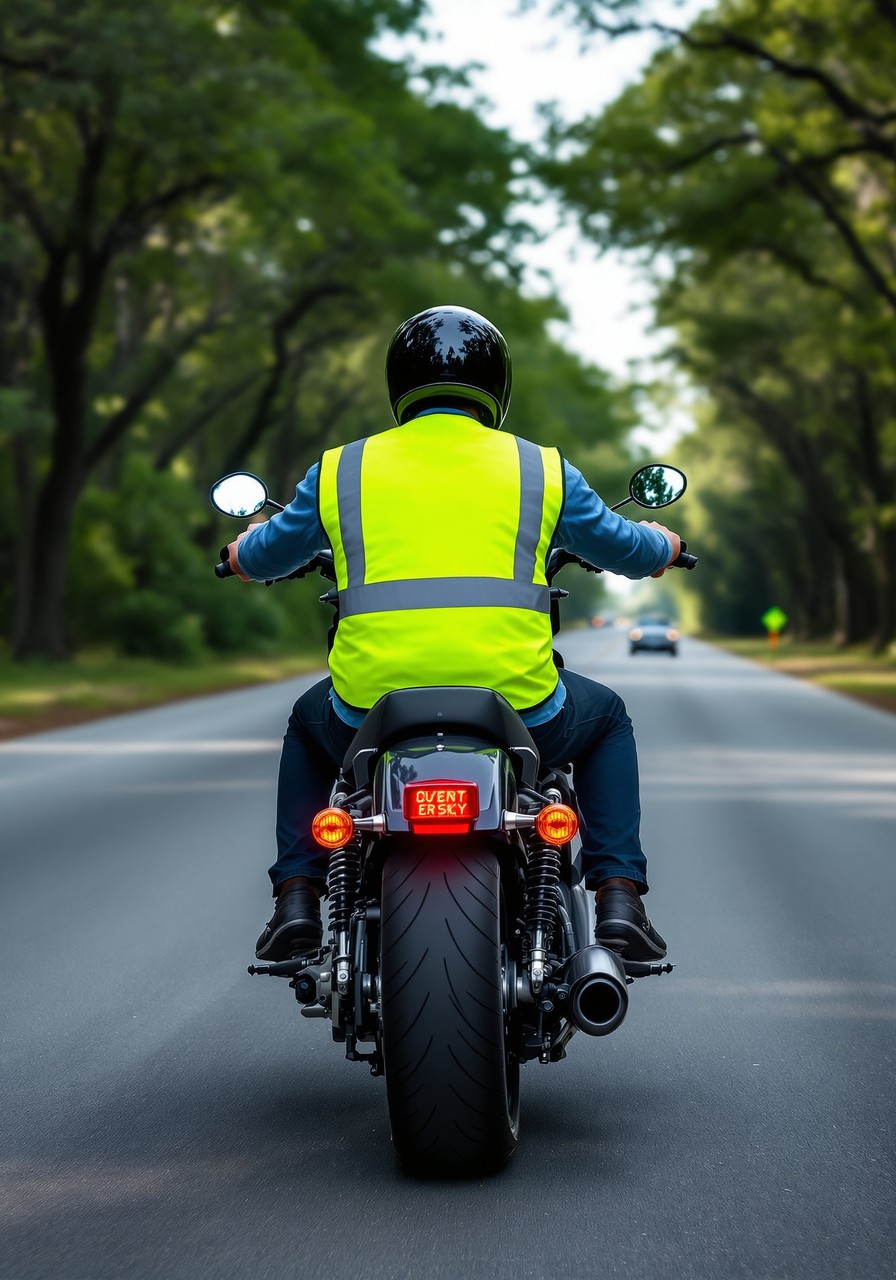
Carving Palomar or Sunrise Highway? Slow in, look through the corner to your exit, and remember gravel and sand love to hide on the far side of a blind bend. #RideNationSD #RideSafe #CanyonRoads
Engagement
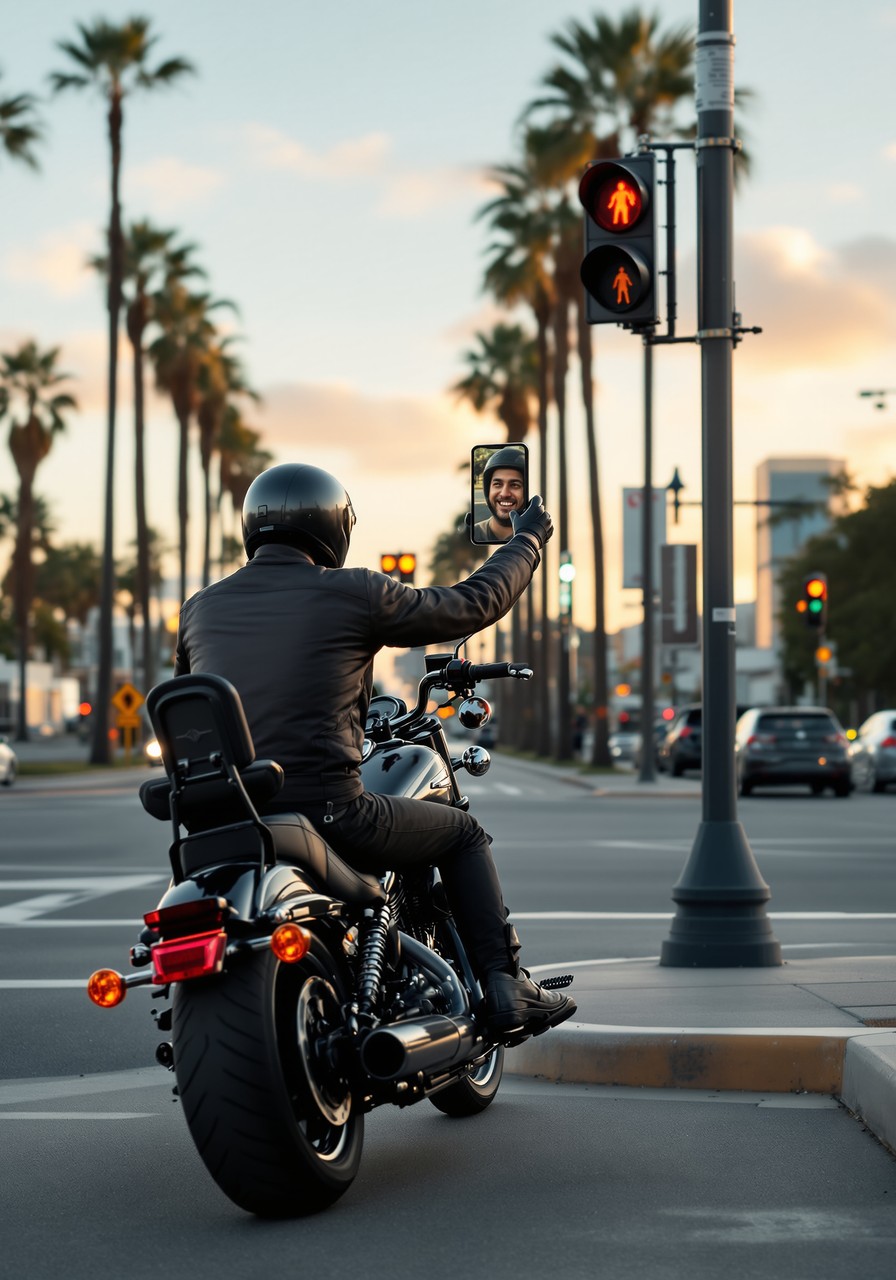
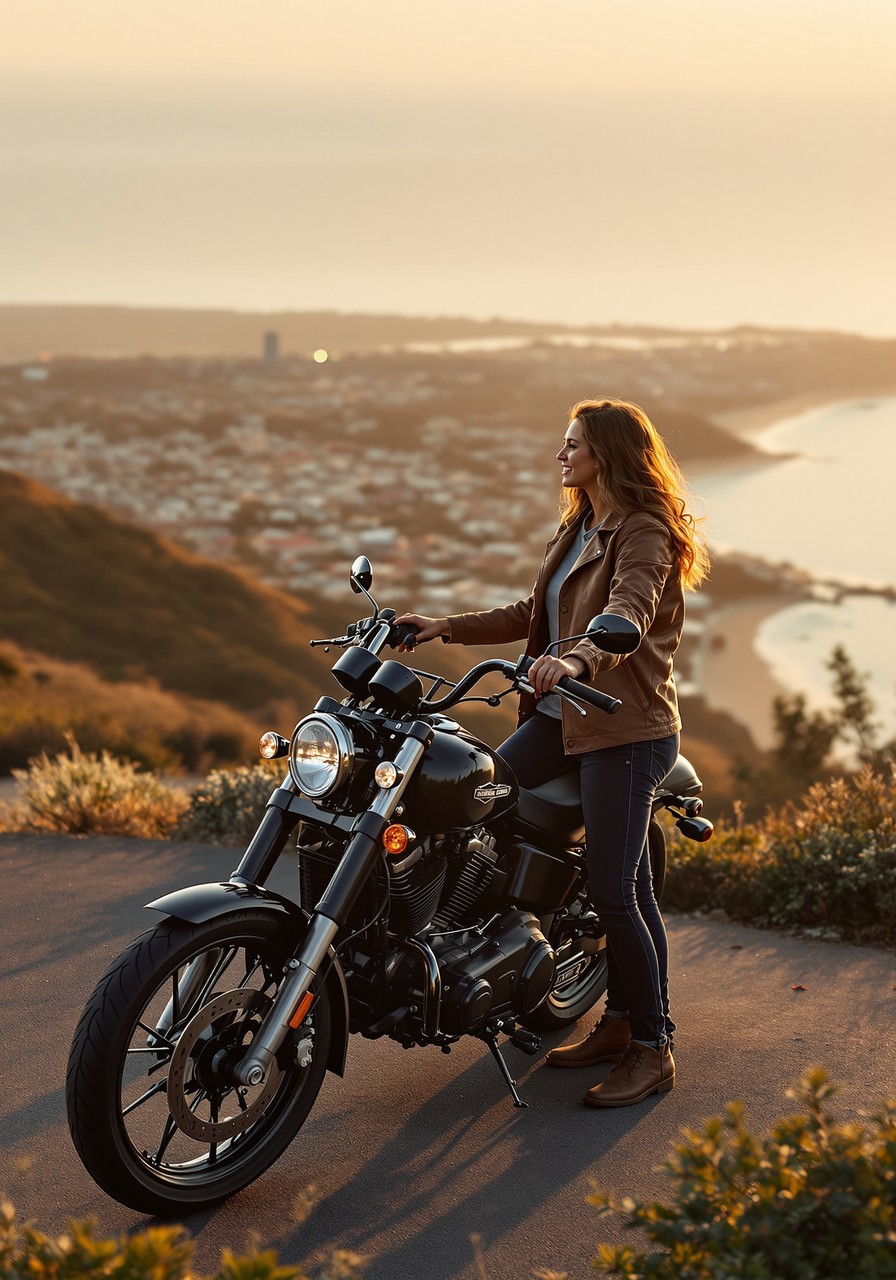
Caption this: your mirror, an empty Sunrise Highway, and a grin you cannot wipe off. #RideNationSD #SunriseHighway #SanDiegoMoto
Giveaway & Countdown
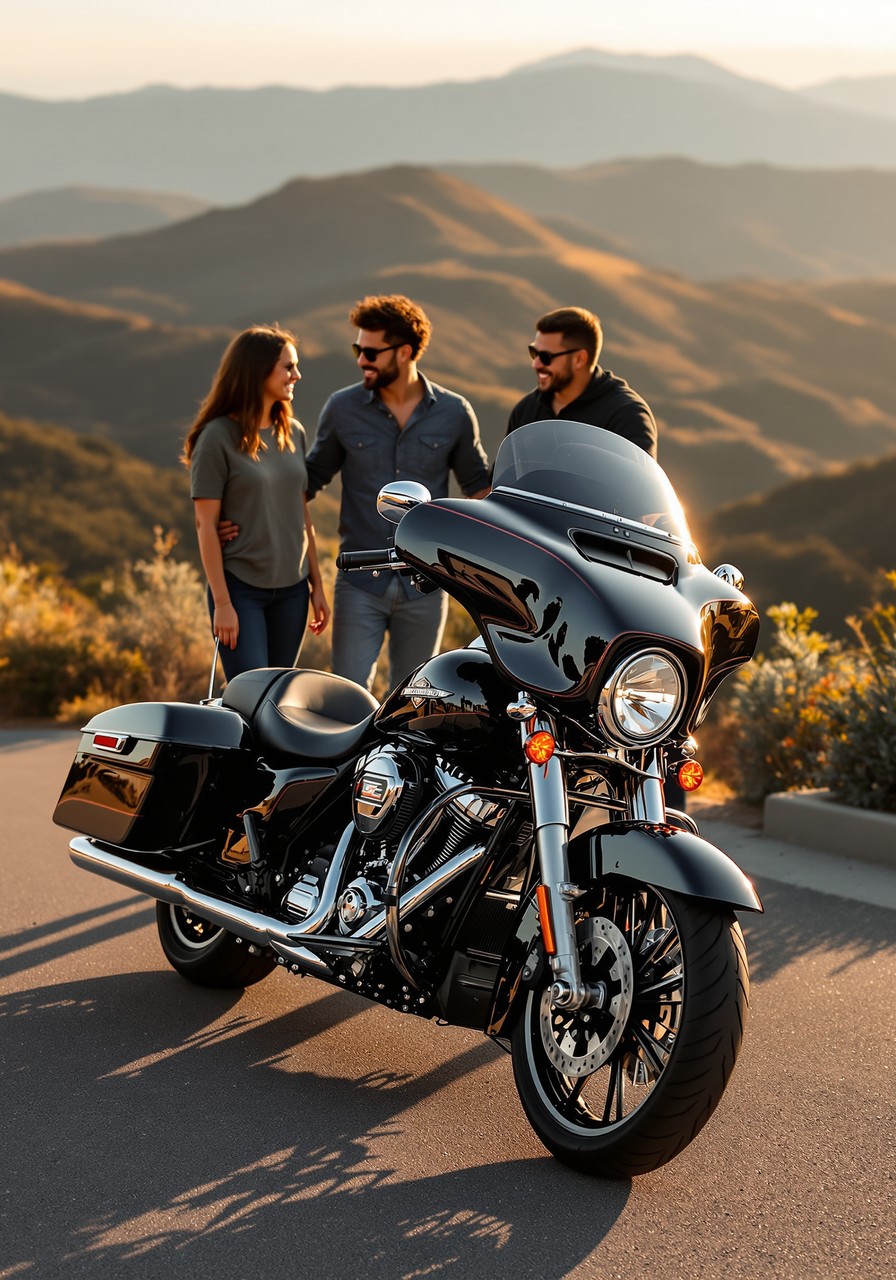
Tick tock, riders. Every day brings December 10 closer and our $20,000 winner nearer. Ask how to enter for free at (619) 230-0330. #RideNationSD #BikersWin #20kGiveaway
Local San Diego & Rides
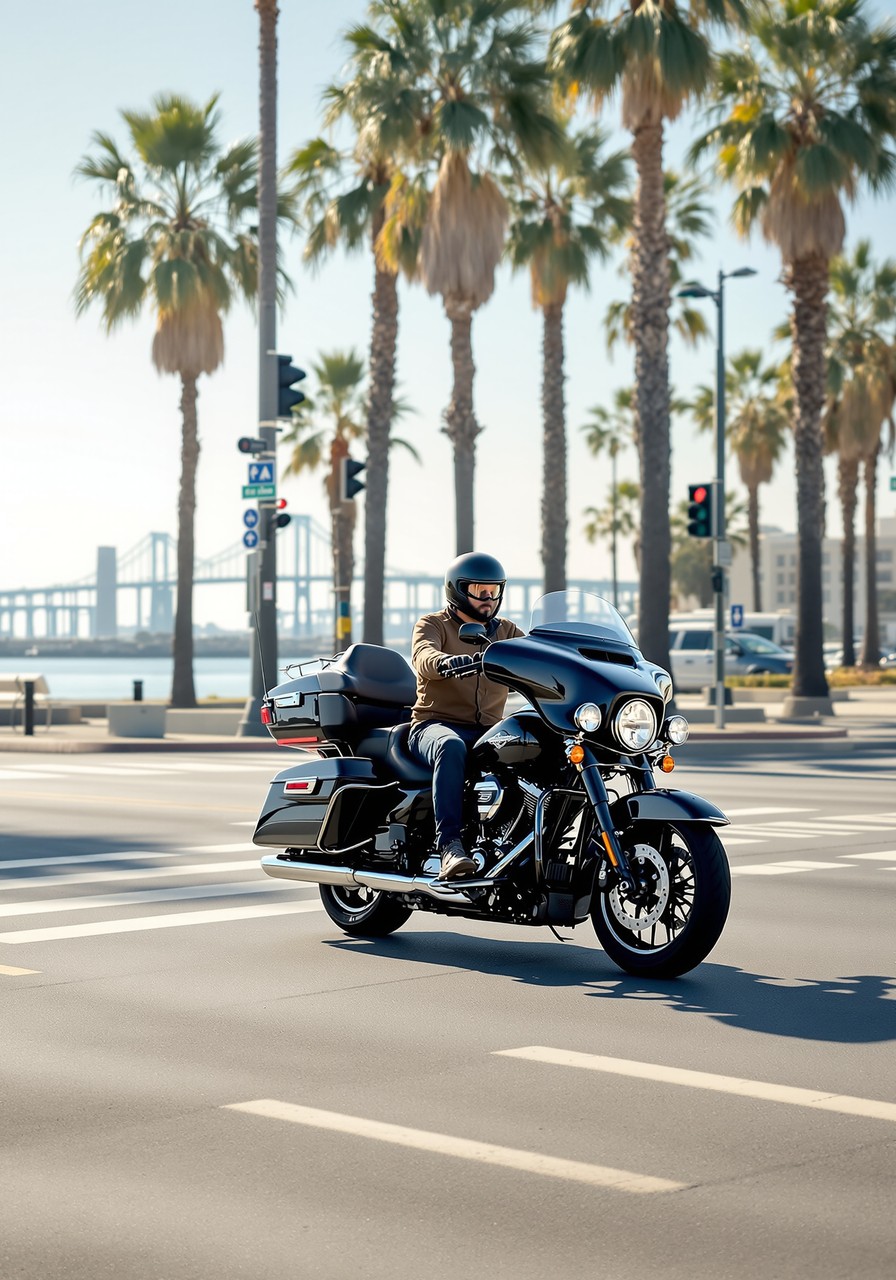
Tacos and two wheels is the official San Diego pairing. Find a roadside stand, park the bike, refuel. #RideNationSD #SanDiego #TacosAndBikes #SoCalRiders
Gear & New Iron
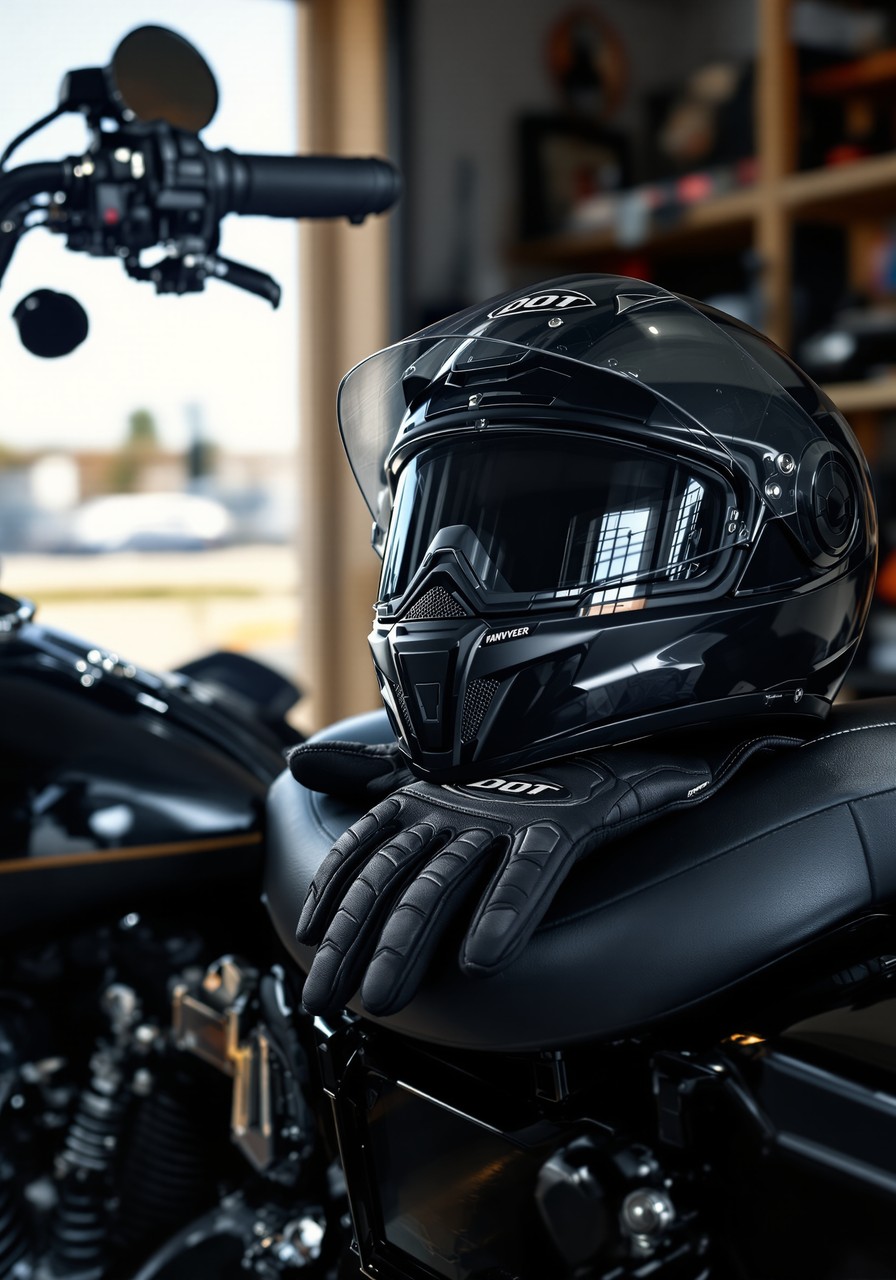
Bluetooth comms turn a solo ride into a group hang and a group ride into a plan that actually works. Worth every penny. #RideNationSD #MotorcycleGear #GearUp #SoCalRiders
Safety & California Law
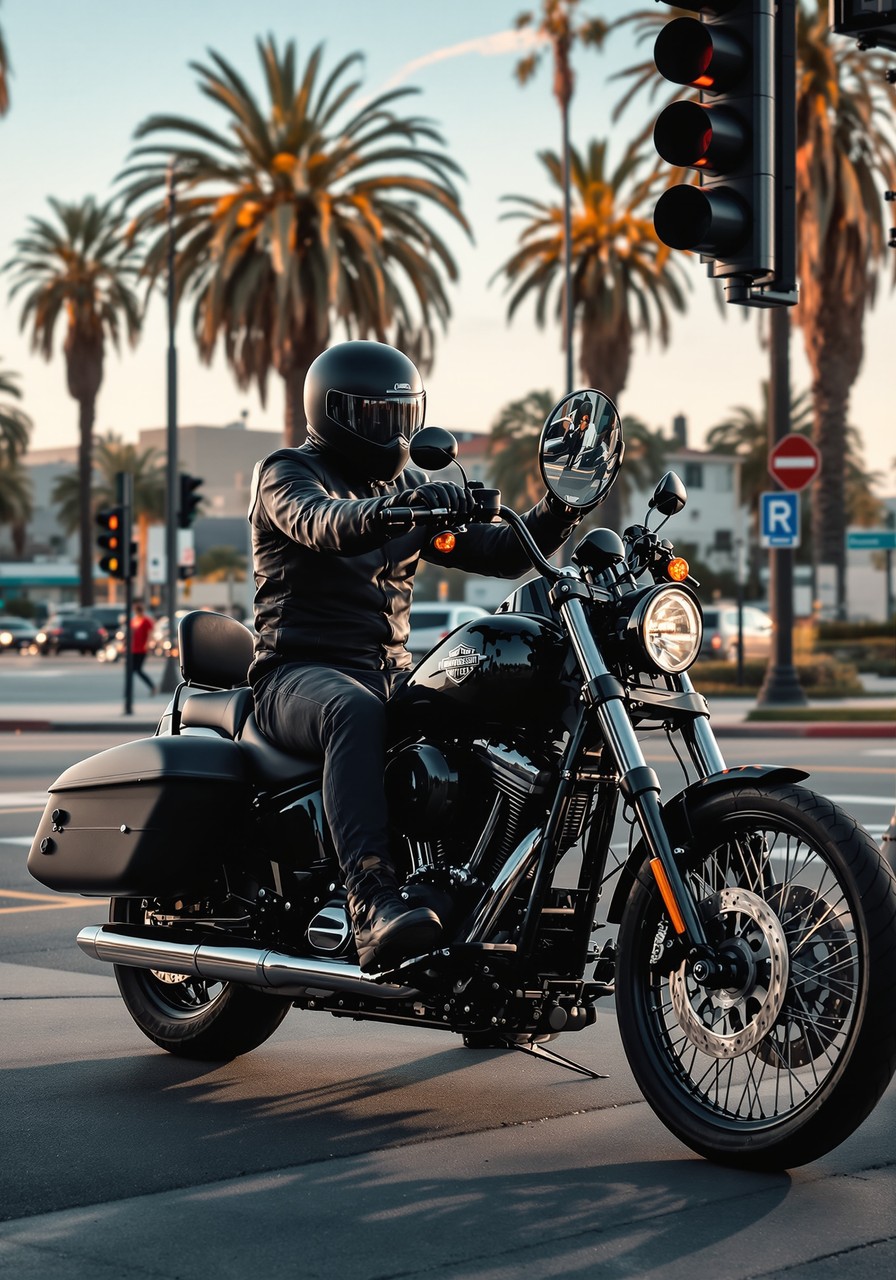
Night riding cuts your conspicuity. Add reflective gear, keep your headlight aimed right, and position yourself where mirrors will actually catch you. Questions after a crash? Call Banker's Hill Law Firm at (619) 230-0330. #RideNationSD #RideSafe #NightRiding
Engagement
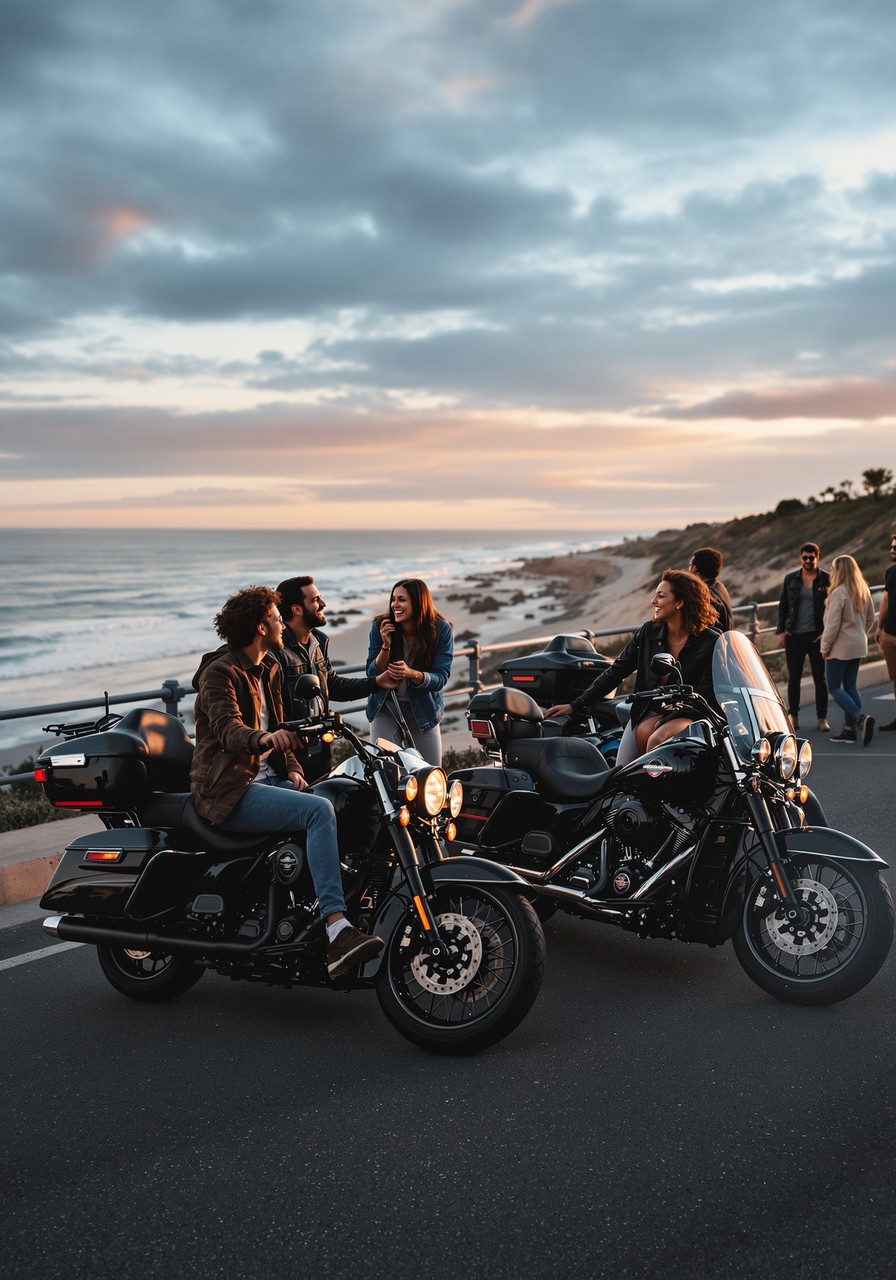
Fill in the blank: best taco stop after a ride is definitely ______. Spill your secret spot. #RideNationSD #SanDiego #SoCalRiders
Giveaway & Countdown
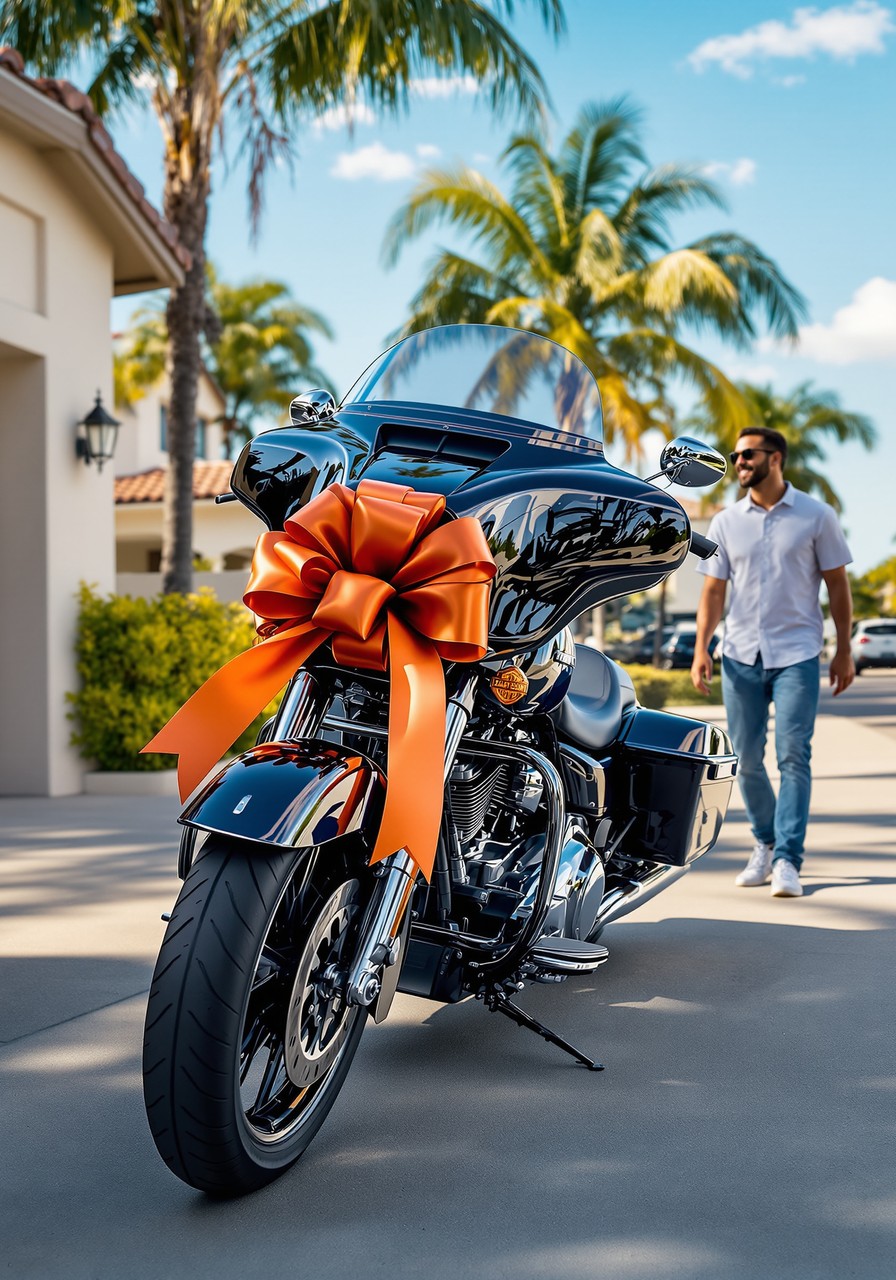
Big news for SoCal bikers: a $20,000 BikersWin giveaway drawing December 10. Talk crash, get entered, no cost. Learn how at bhlflaw.com. #RideNationSD #BikersWin
Local San Diego & Rides
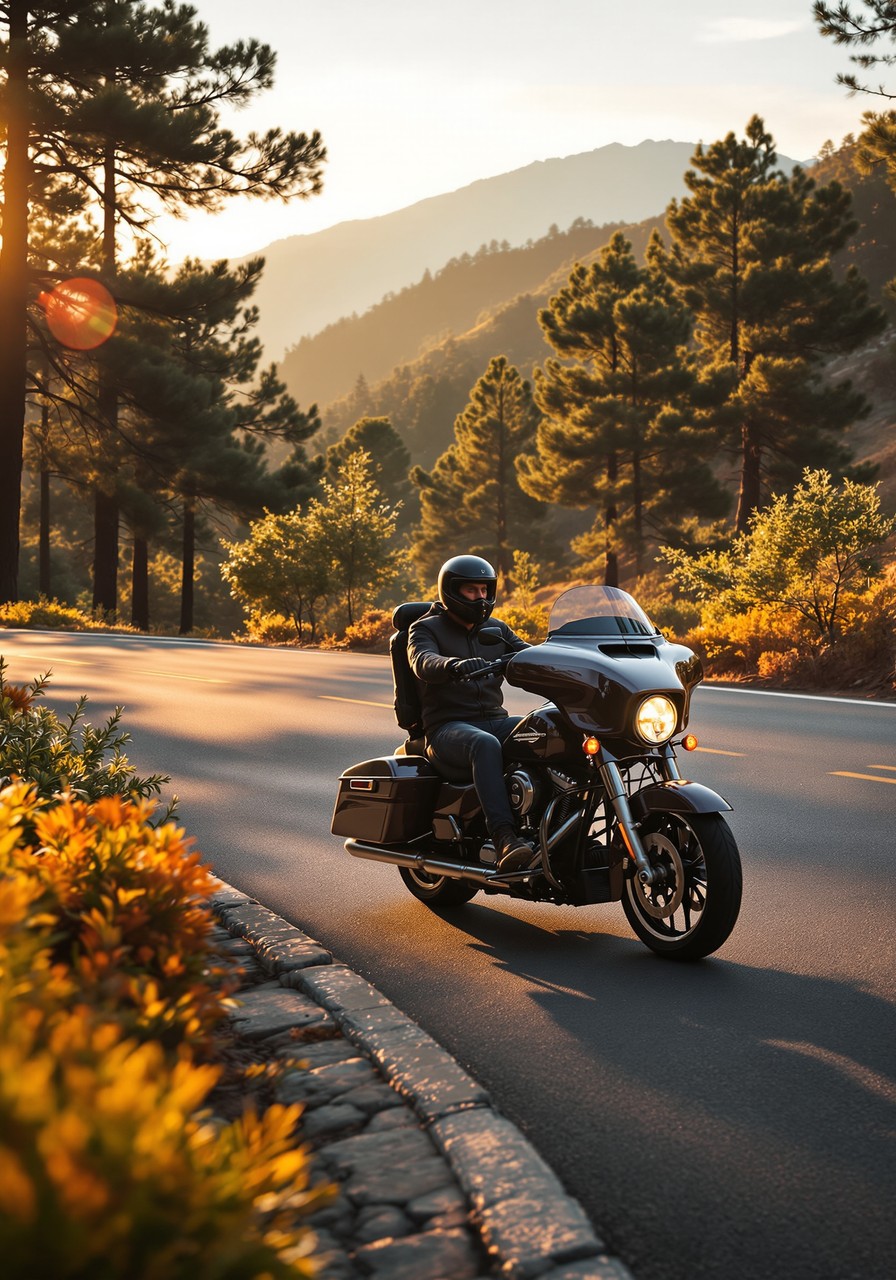
First rains of the season lift months of oil off the asphalt. Ease into corners and give yourself extra room. #RideNationSD #SanDiego #SoCalRiders #RideSafe
Gear & New Iron
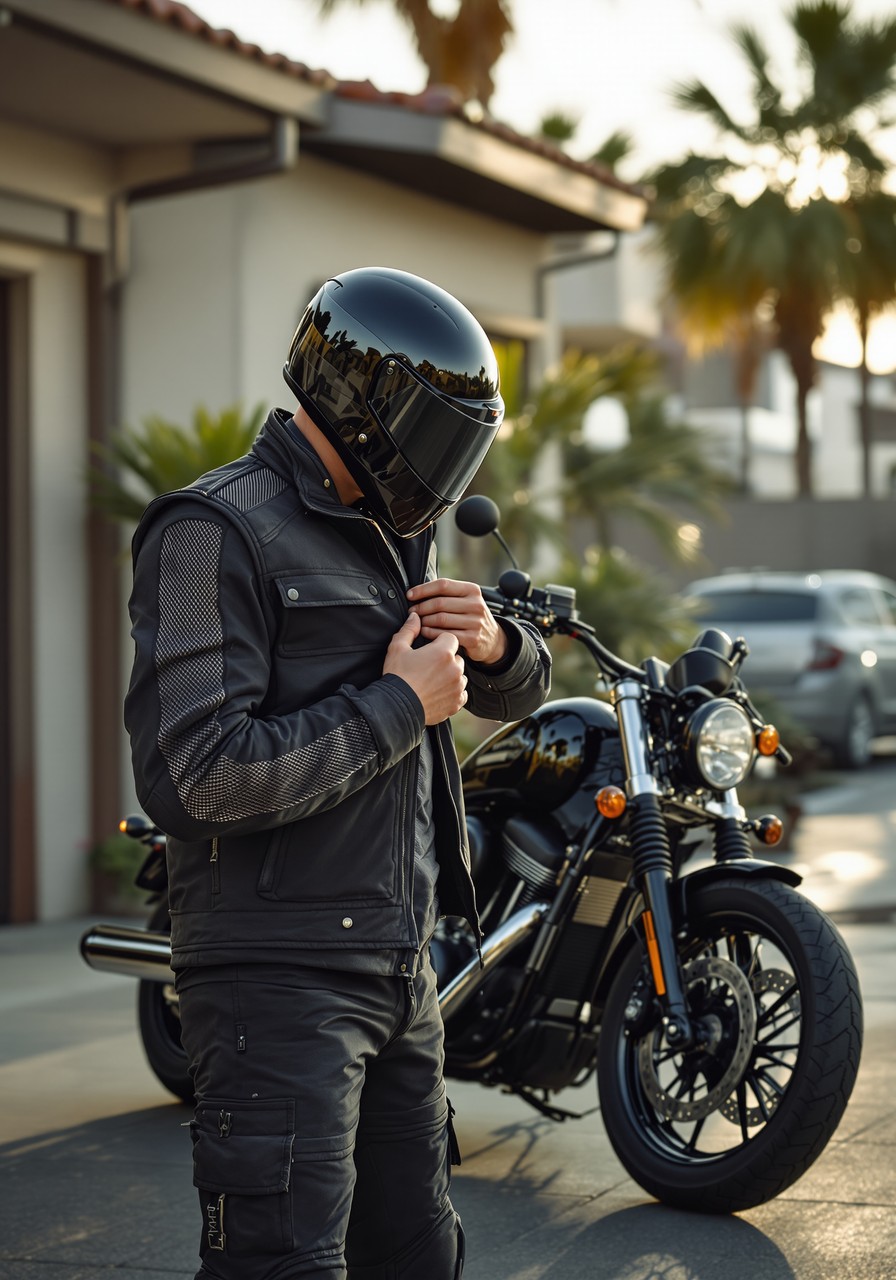
That first cold snap reminds everyone why heated grips exist. Warm hands, sharper inputs, longer rides into winter. #RideNationSD #GearUp #MotorcycleGear #SanDiego
Safety & California Law
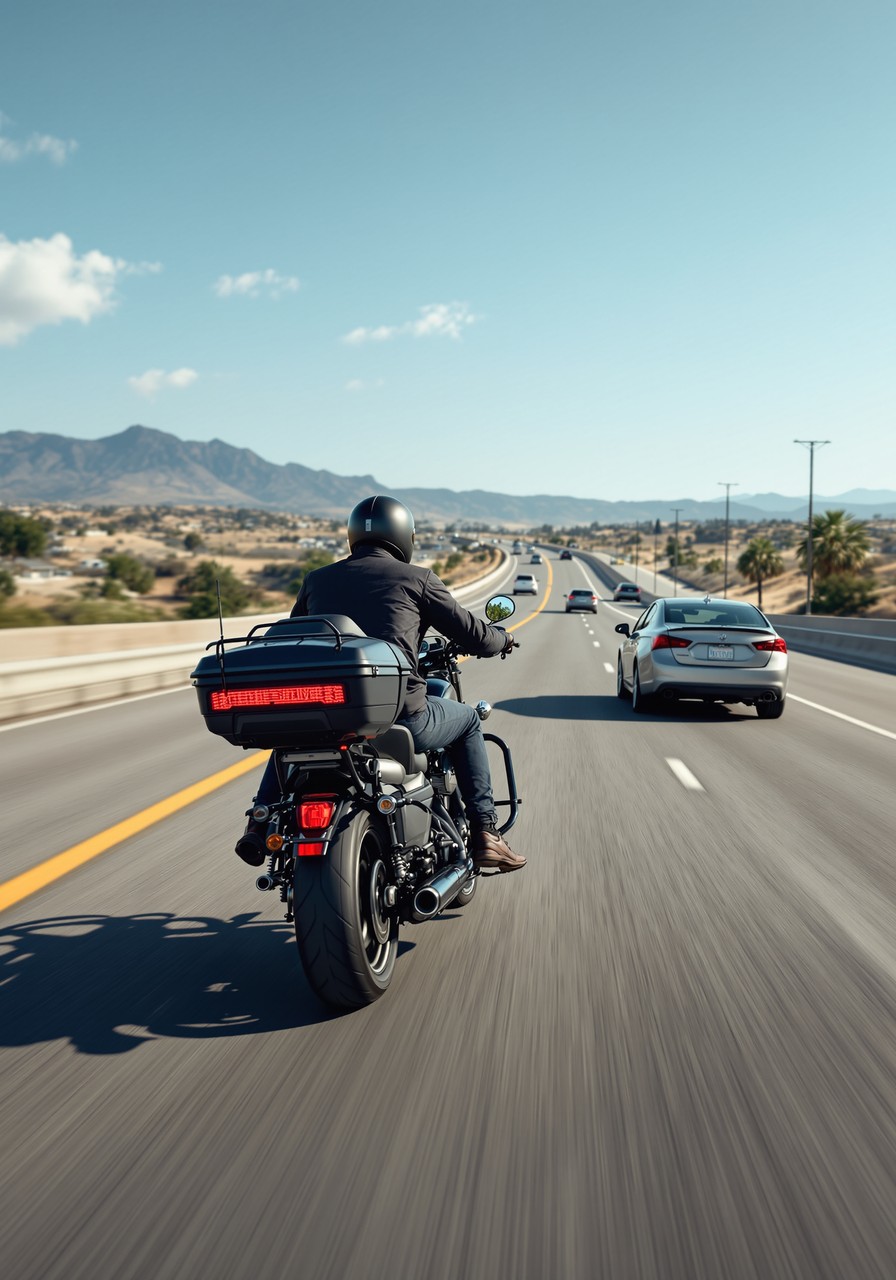
In freeway traffic on the I-5, I-805, or I-15, keep a cushion of space around you. Room to move is room to avoid the driver who does not check a blind spot. Questions? Call Banker's Hill Law Firm at (619) 230-0330. #RideNationSD #RideSafe #FreewaySafety
Engagement
Tag your usual riding crew. Where are we headed this weekend? #RideNationSD #SoCalRiders #SanDiego
Giveaway & Countdown
Entry is free. The prize is $20,000. The date is December 10. Call Banker's Hill Law Firm at (619) 230-0330 to ask how your crash conversation gets you in. #RideNationSD #20kGiveaway
Local San Diego & Rides
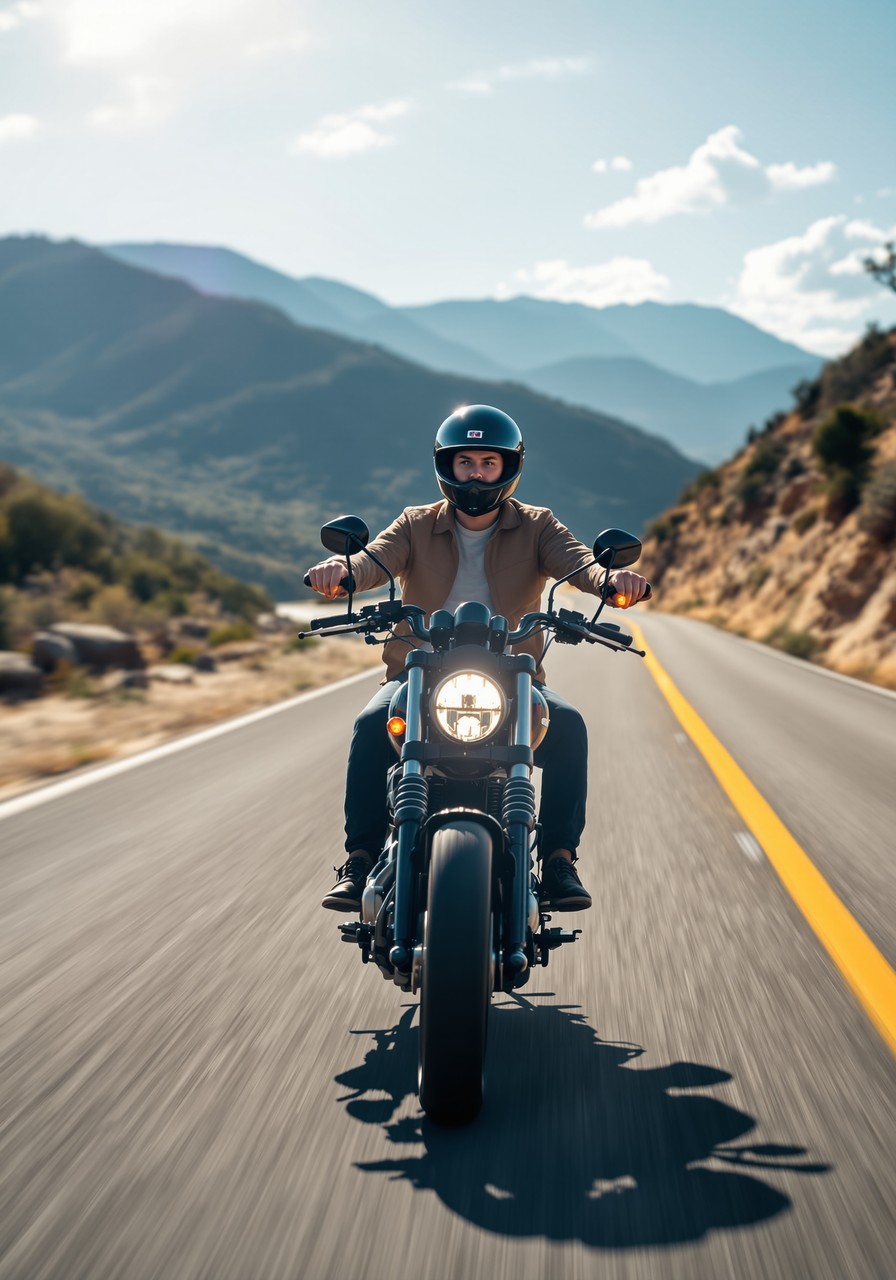
S6 the Highway to the Stars earns its name. Ride Palomar up high and the night sky puts on a show. #RideNationSD #PalomarMountain #SanDiego #SoCalRiders
Gear & New Iron
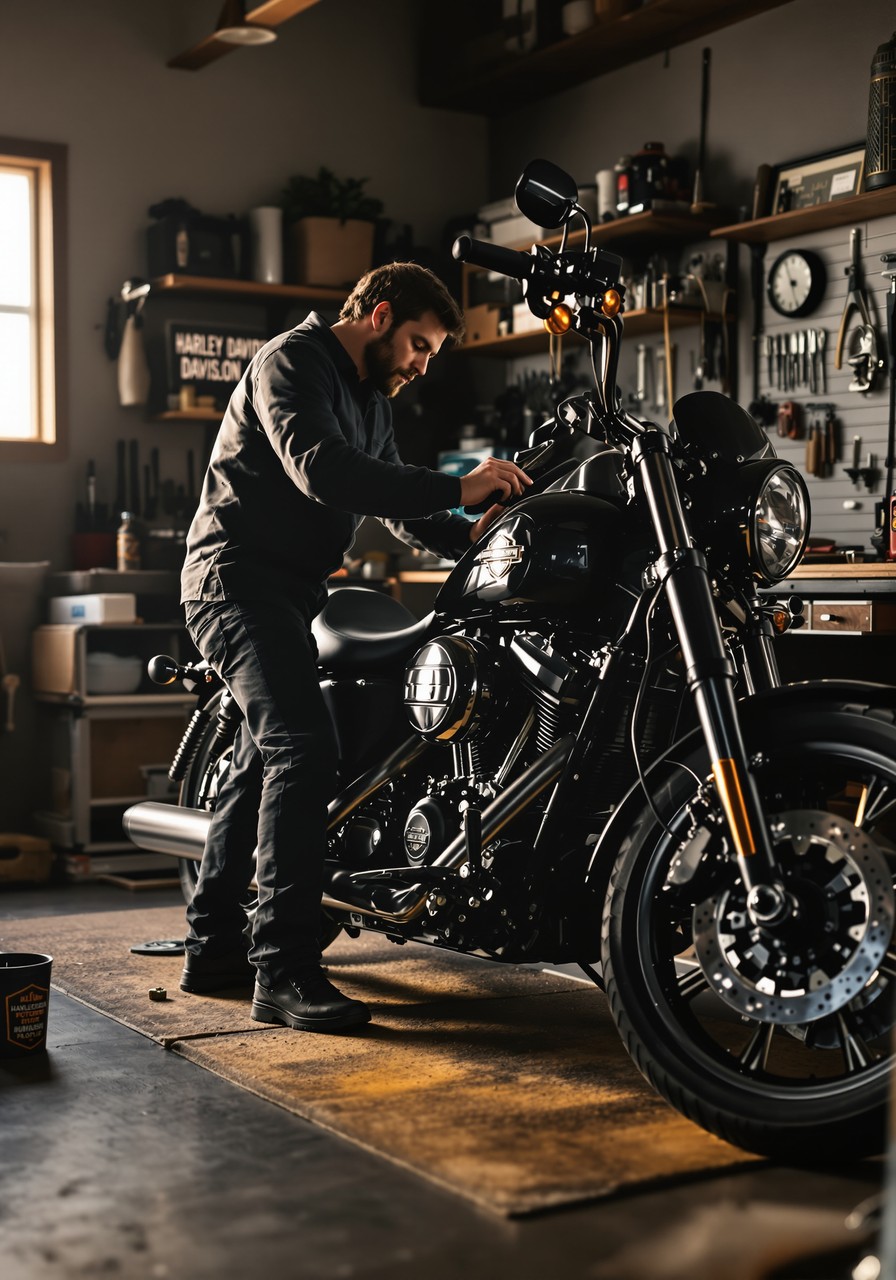
California made the helmet call for all of us, so make it a helmet you actually love wearing. Good fit means you never argue with it. #RideNationSD #ATGATT #GearUp #RideSafe
Safety & California Law
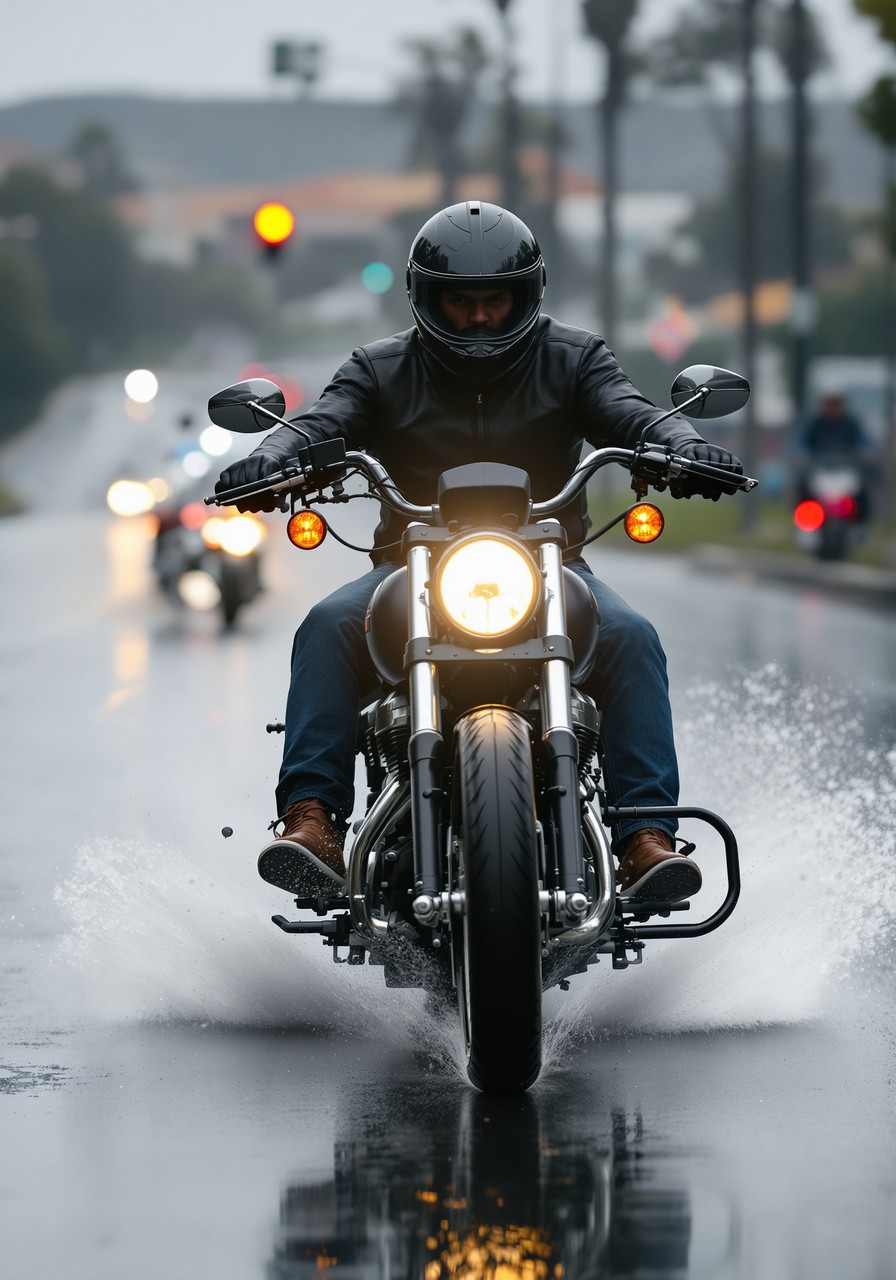
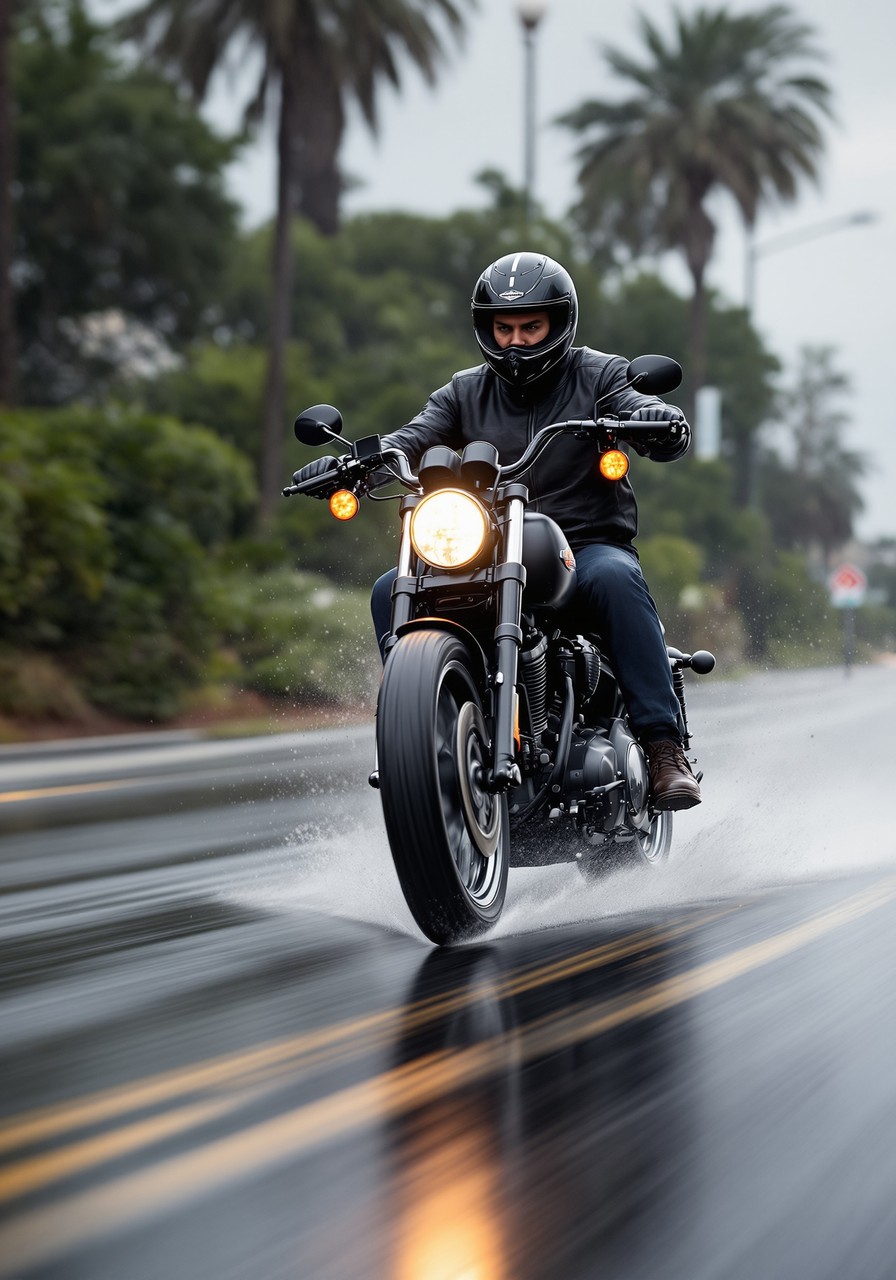
When roads are wet, painted lines and metal covers get slippery fast. Cross them upright and smooth, and save your braking and leaning for dry pavement. #RideNationSD #RideSafe #WetRoads
Engagement
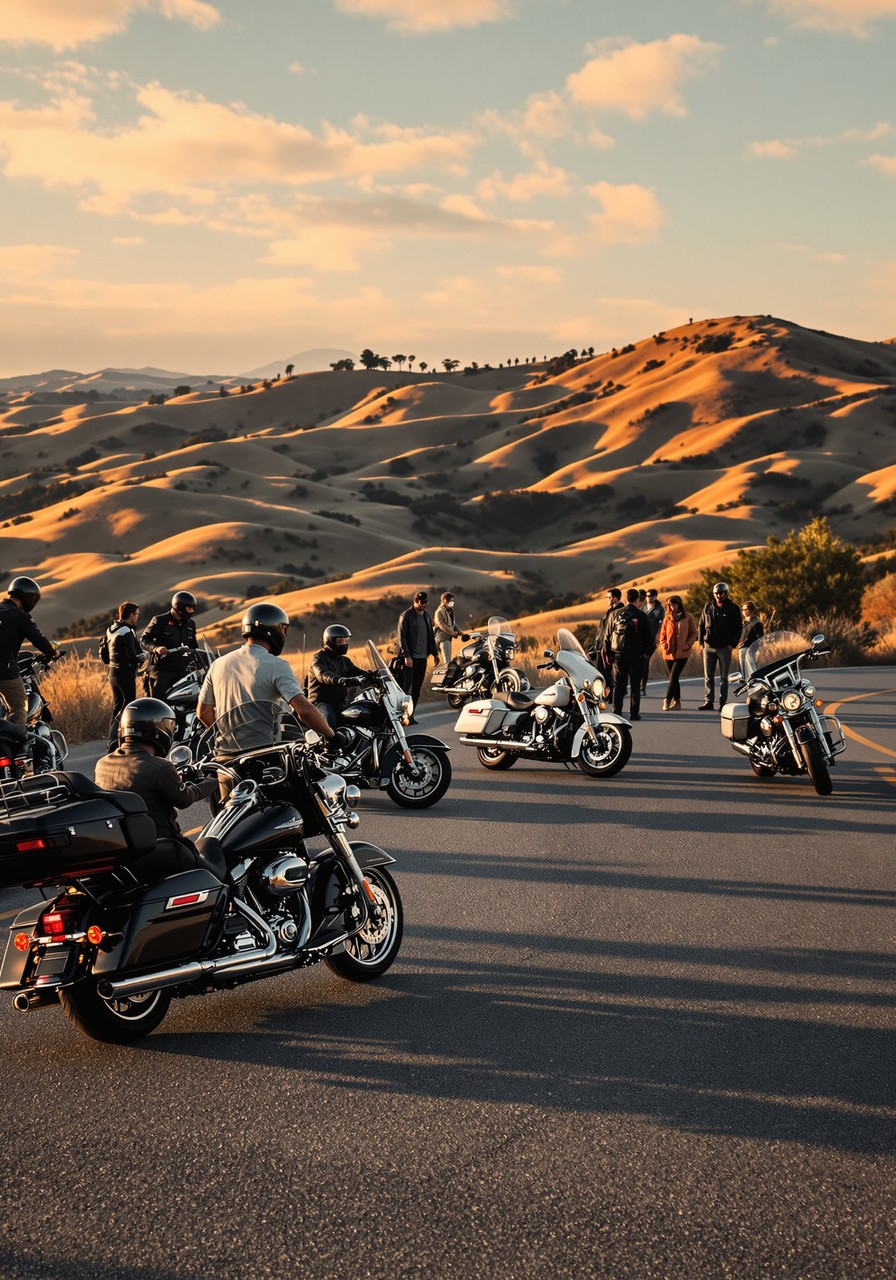
Poll: year-round San Diego riding is the real flex. Agree or hard agree? #RideNationSD #SanDiego #SanDiegoMoto
Giveaway & Countdown
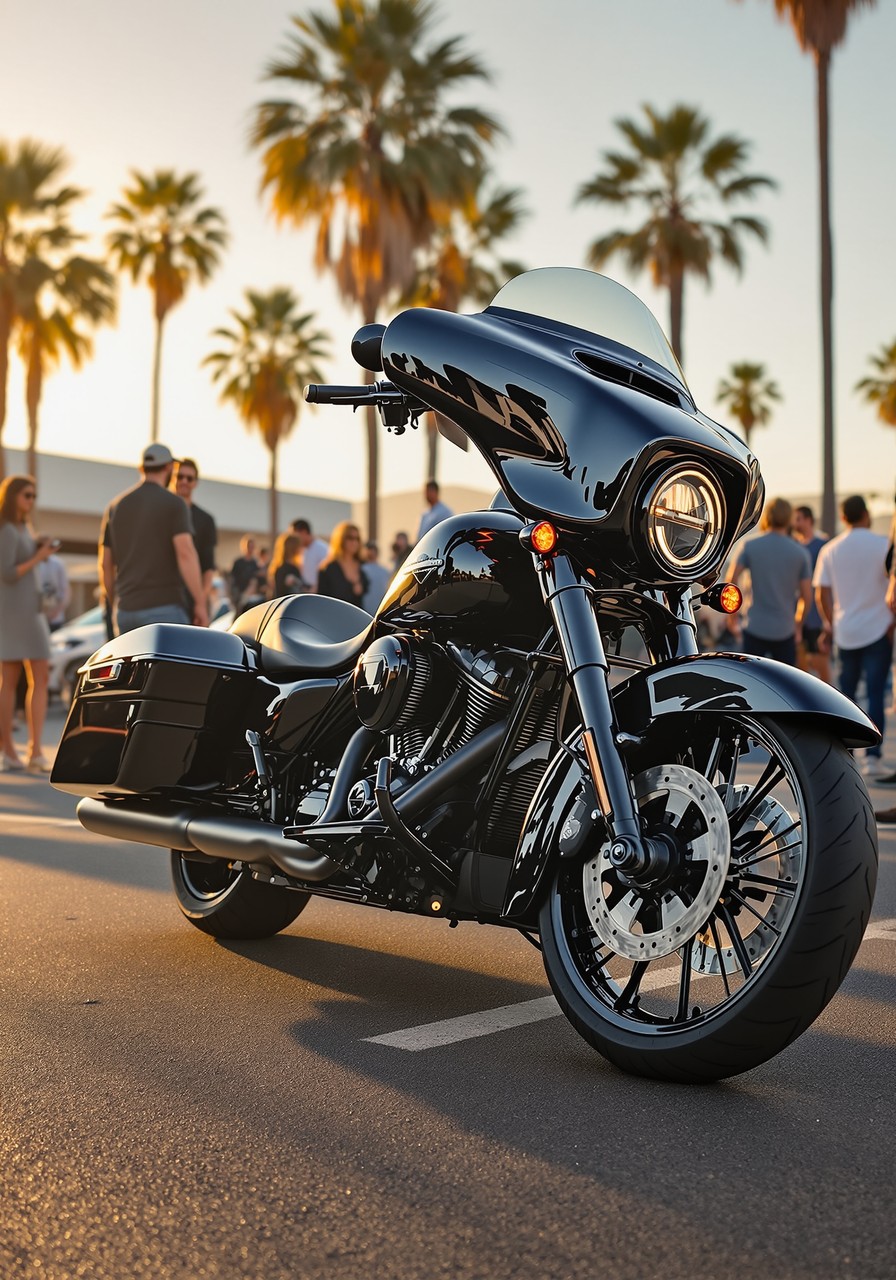
We love this community and we're giving back in a big way. Talk to us about your crash and you're entered in the $20,000 giveaway for free. bhlflaw.com. #RideNationSD #BikersWin #20kGiveaway
Local San Diego & Rides
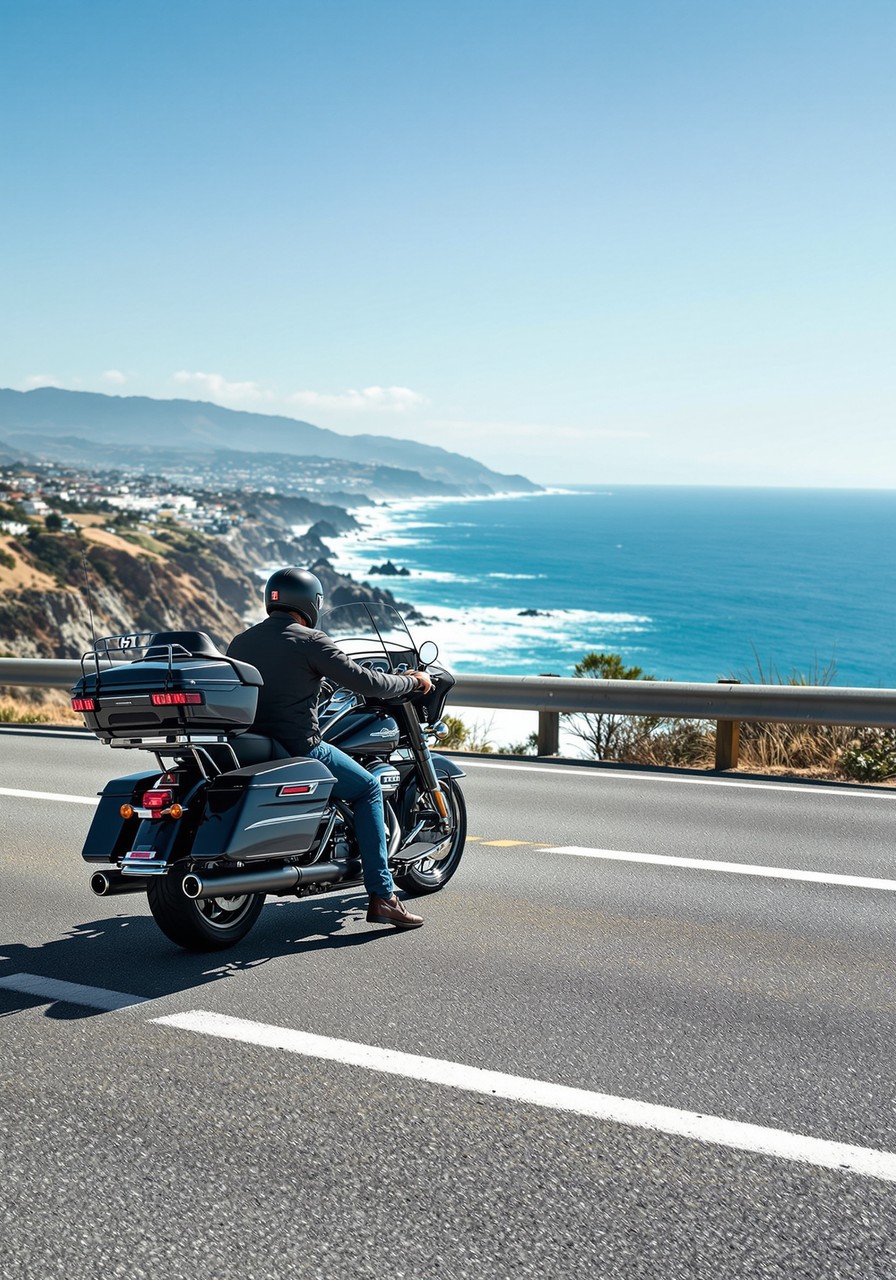
Santa Ana winds are blowing. Expect gusts on the ridgelines and open stretches, and lean into them steady. #RideNationSD #SanDiego #SoCalRiders #SantaAna
Gear & New Iron
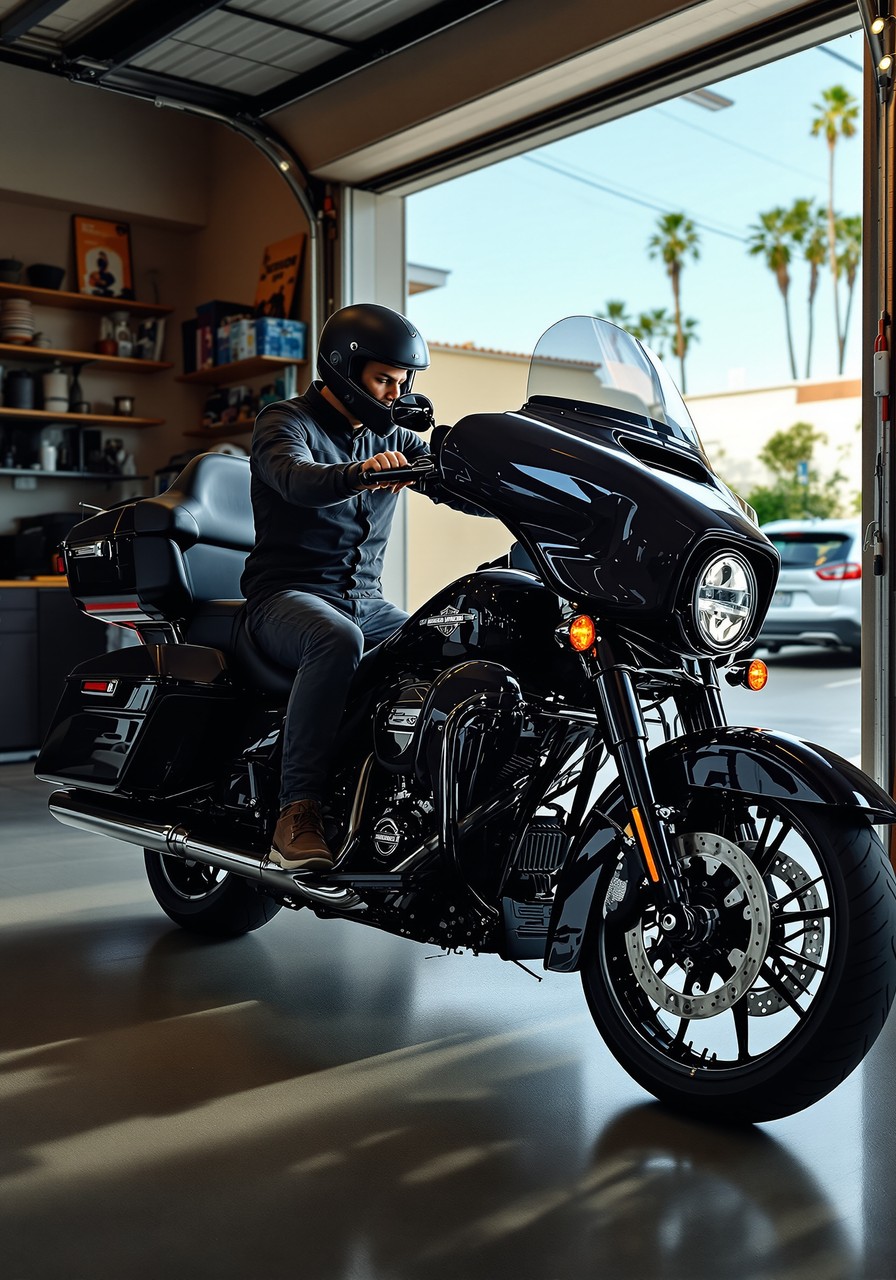
Wet-weather tires with siping bite through that first-rain sheen like nothing else. Grip is confidence when the road turns glossy. #RideNationSD #RideSafe #MotorcycleGear #SoCalRiders
Safety & California Law
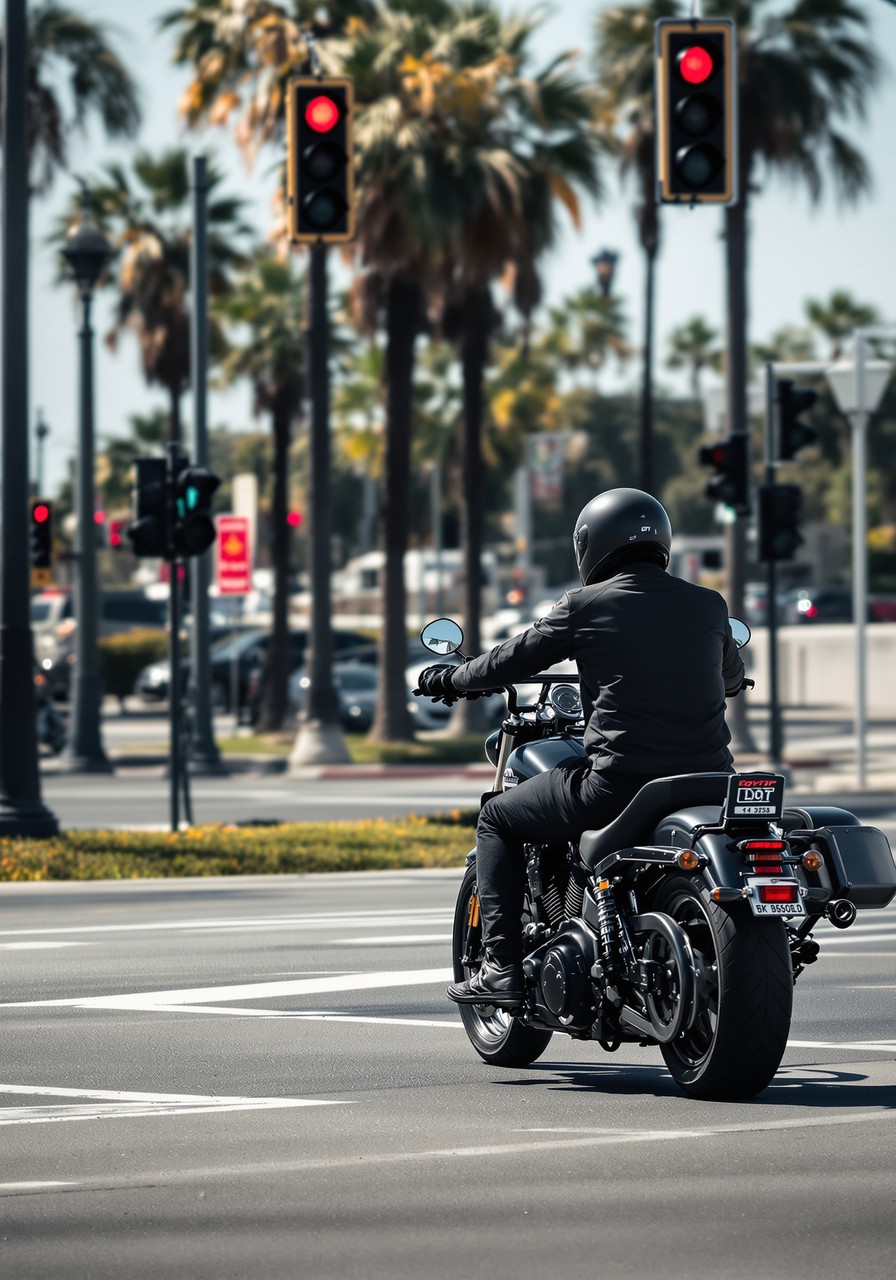
Lane splitting is legal in California, but that does not mean fly between lanes. A reasonable speed differential keeps you both within the law and in control. Questions? Call Banker's Hill Law Firm at (619) 230-0330. #RideNationSD #RideSafe #LaneSplitting
Engagement
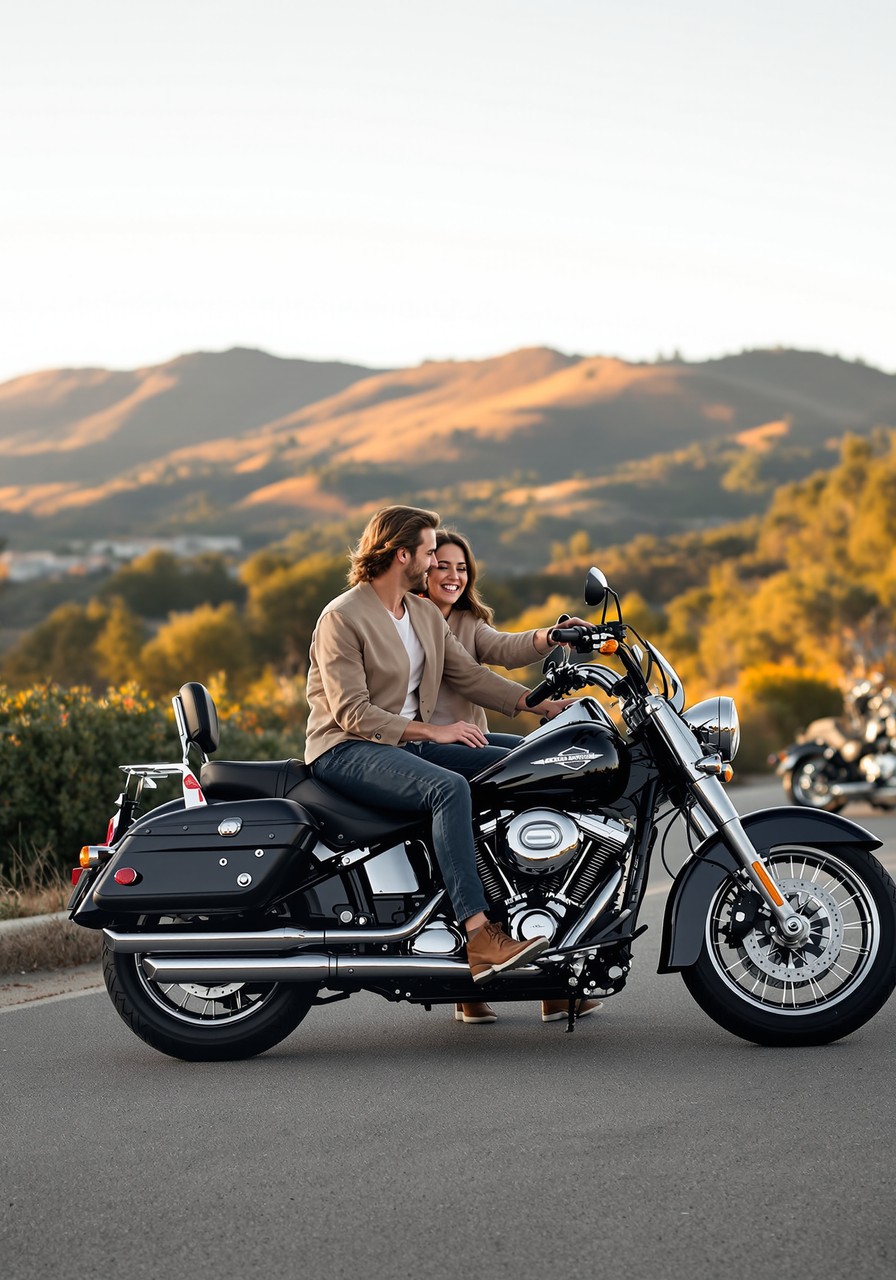
Rider confession: who else has pulled over just to take a photo of the view from Palomar? No shame here. #RideNationSD #PalomarMountain #SoCalRiders
Giveaway & Countdown
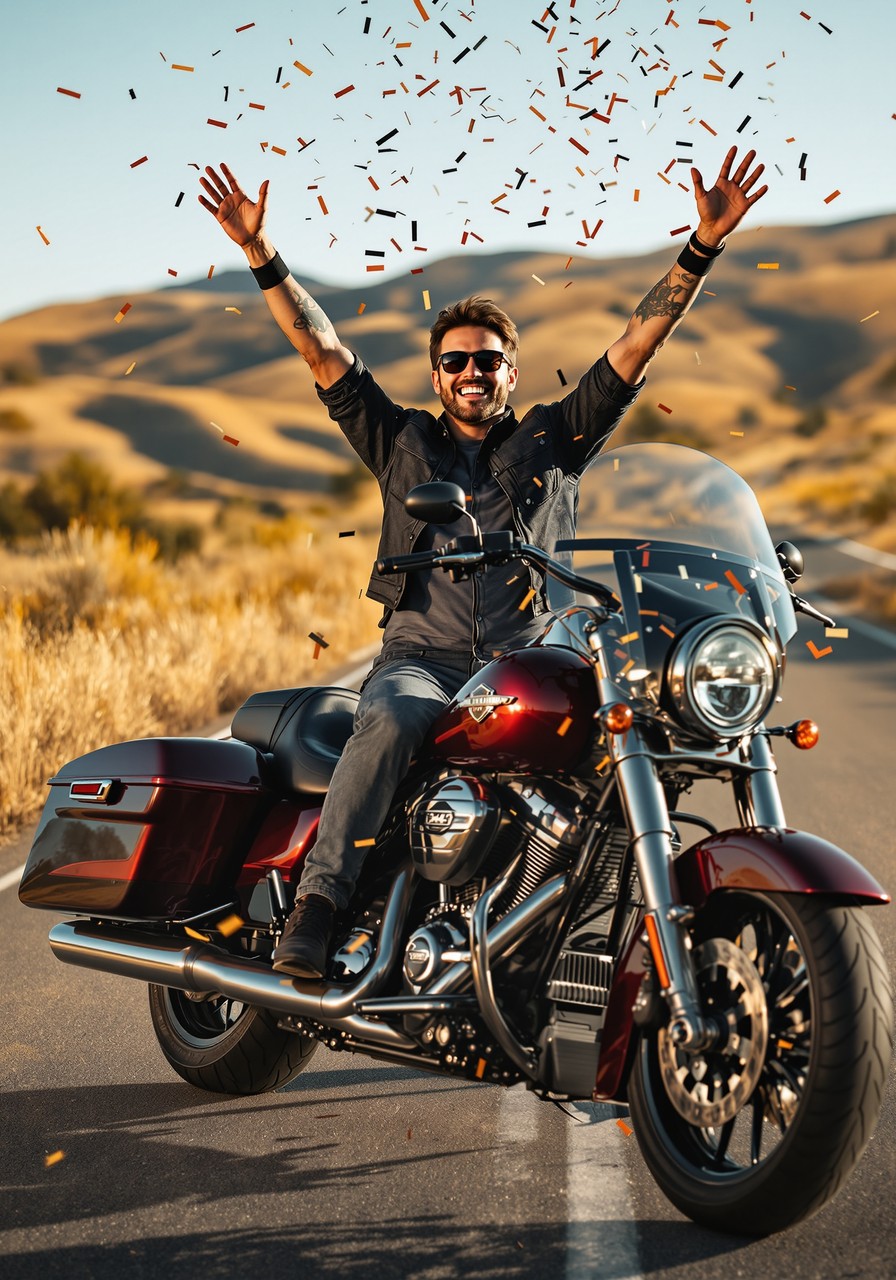
Counting down to December 10 with our San Diego riders. One of you walks away with $20,000. Ask how to enter for free: (619) 230-0330. #RideNationSD #BikersWin
Local San Diego & Rides
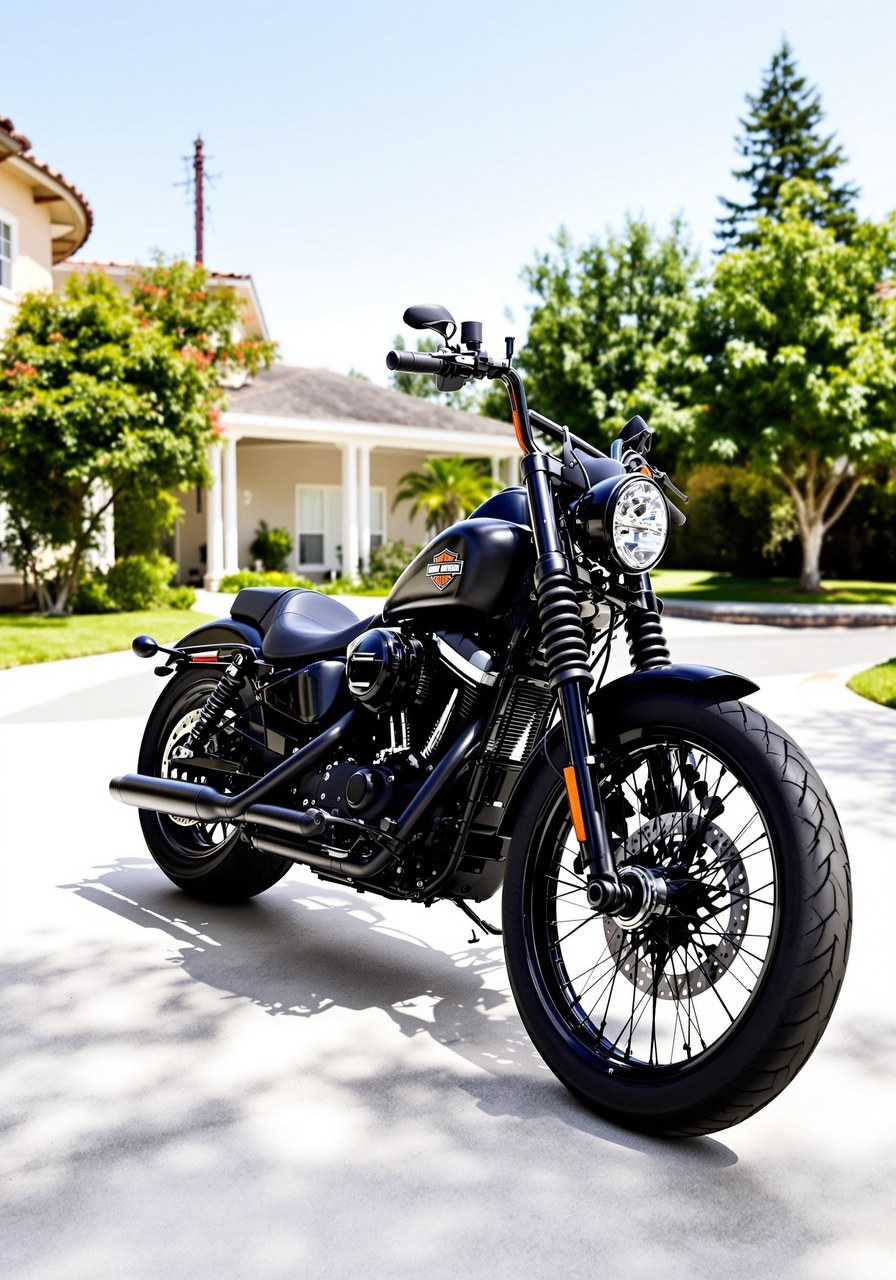
Julian to Santa Ysabel on a crisp afternoon, pie in the tank bag, grin under the helmet. #RideNationSD #Julian #SanDiego #SoCalRiders
Gear & New Iron
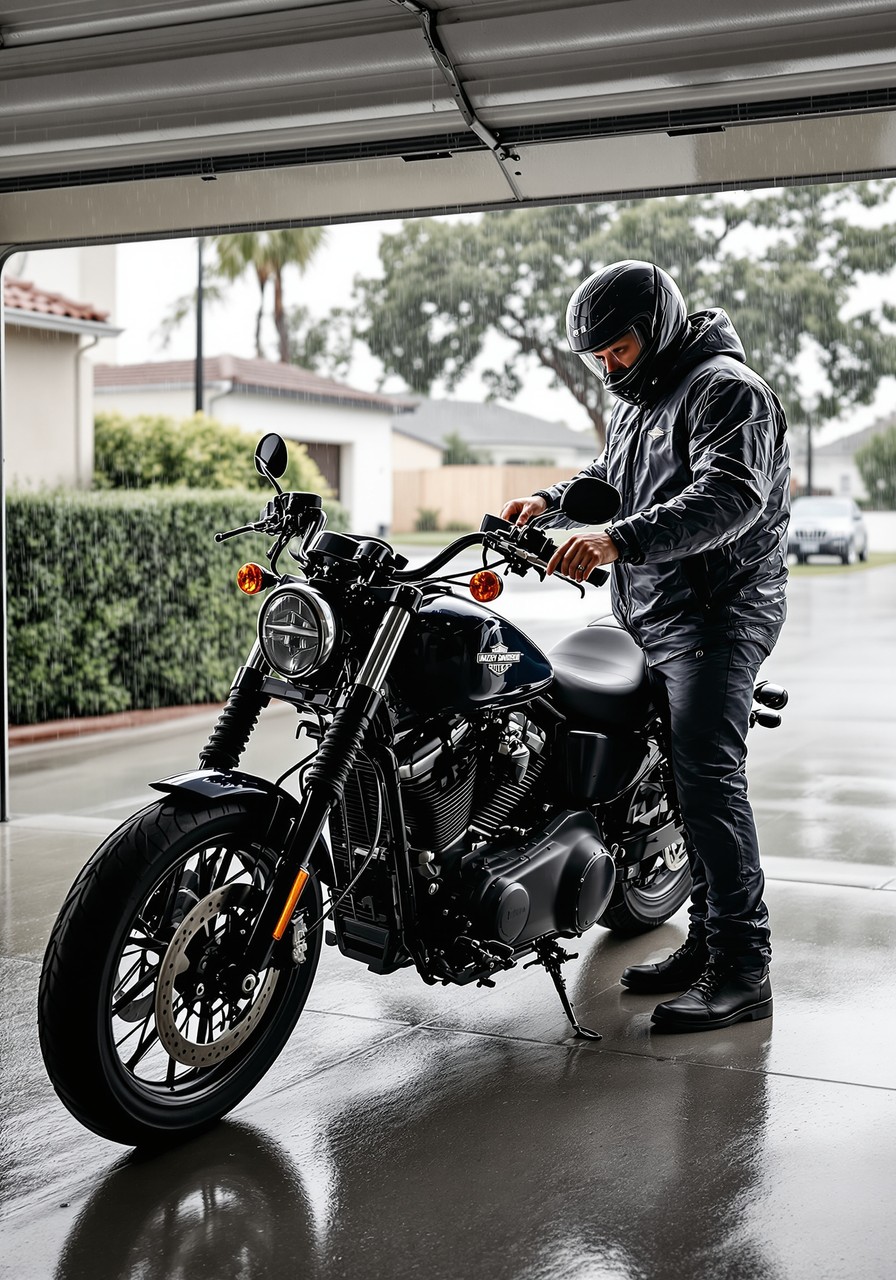
Farkle season is here. Adjustable levers, a tail tidy, frame sliders. What is the next little upgrade on your build? #RideNationSD #NewIron #MotorcycleGear #GearUp
Safety & California Law
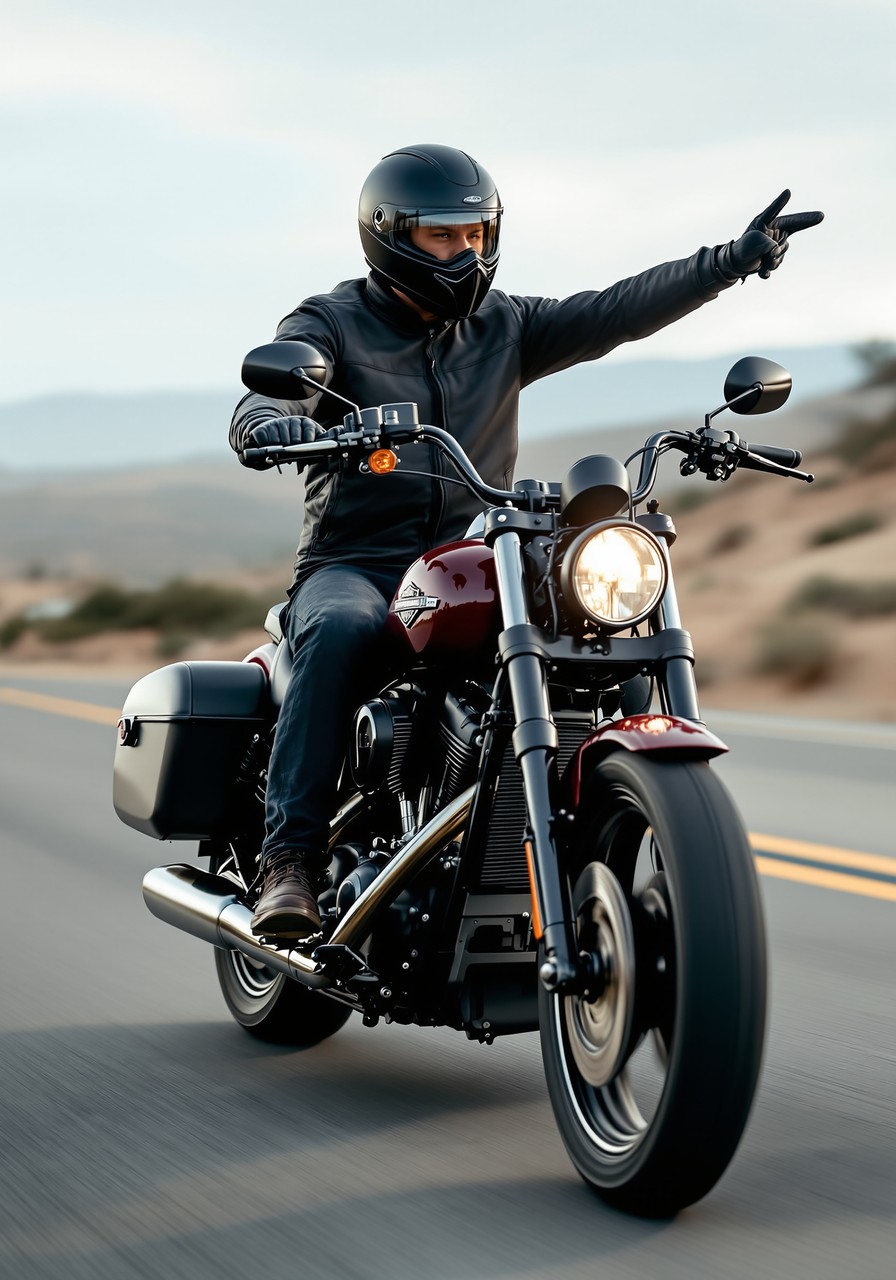
A recorded statement to the other driver's insurer can be used against you later. After a crash, you are not required to give one on the spot. Questions? Call Banker's Hill Law Firm at (619) 230-0330. #RideNationSD #RideSafe #CrashTips
Engagement
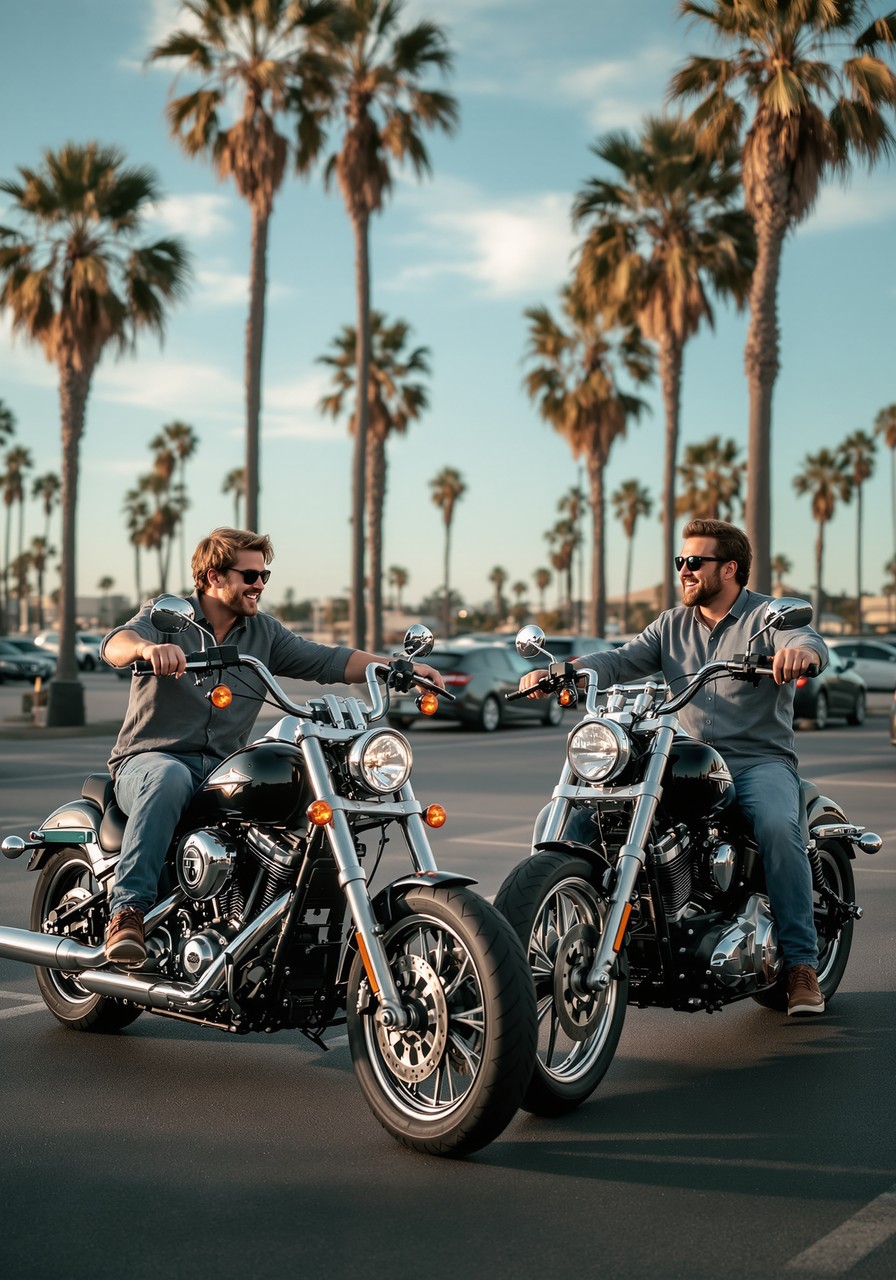
Favorite road debate settle it for us: PCH coastline or the Laguna Mountains on S1? #RideNationSD #PCH #SunriseHighway
Giveaway & Countdown
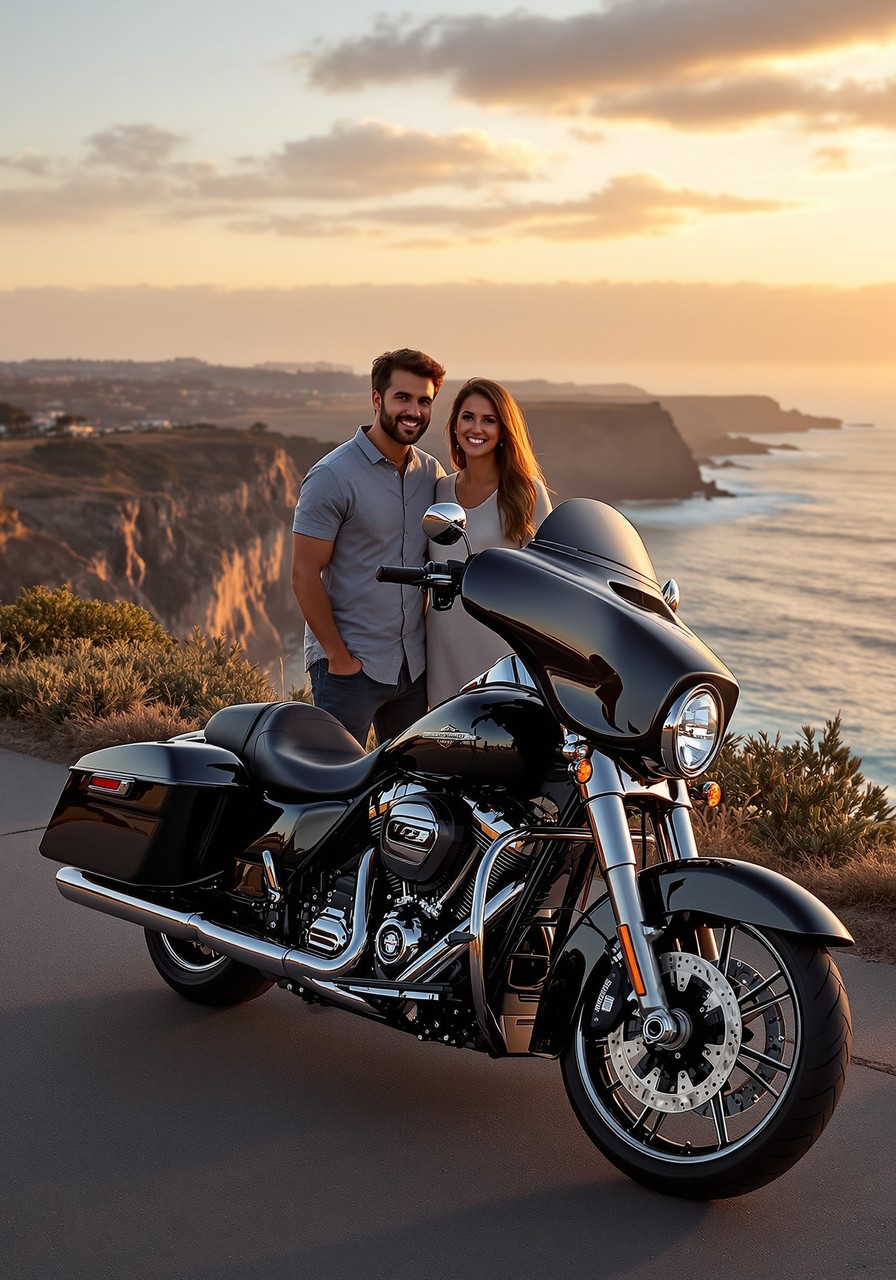
Already talked to Banker's Hill Law Firm about your crash? Then you may already be entered in the $20,000 BikersWin giveaway. Questions? Visit bhlflaw.com. #RideNationSD #20kGiveaway
Local San Diego & Rides
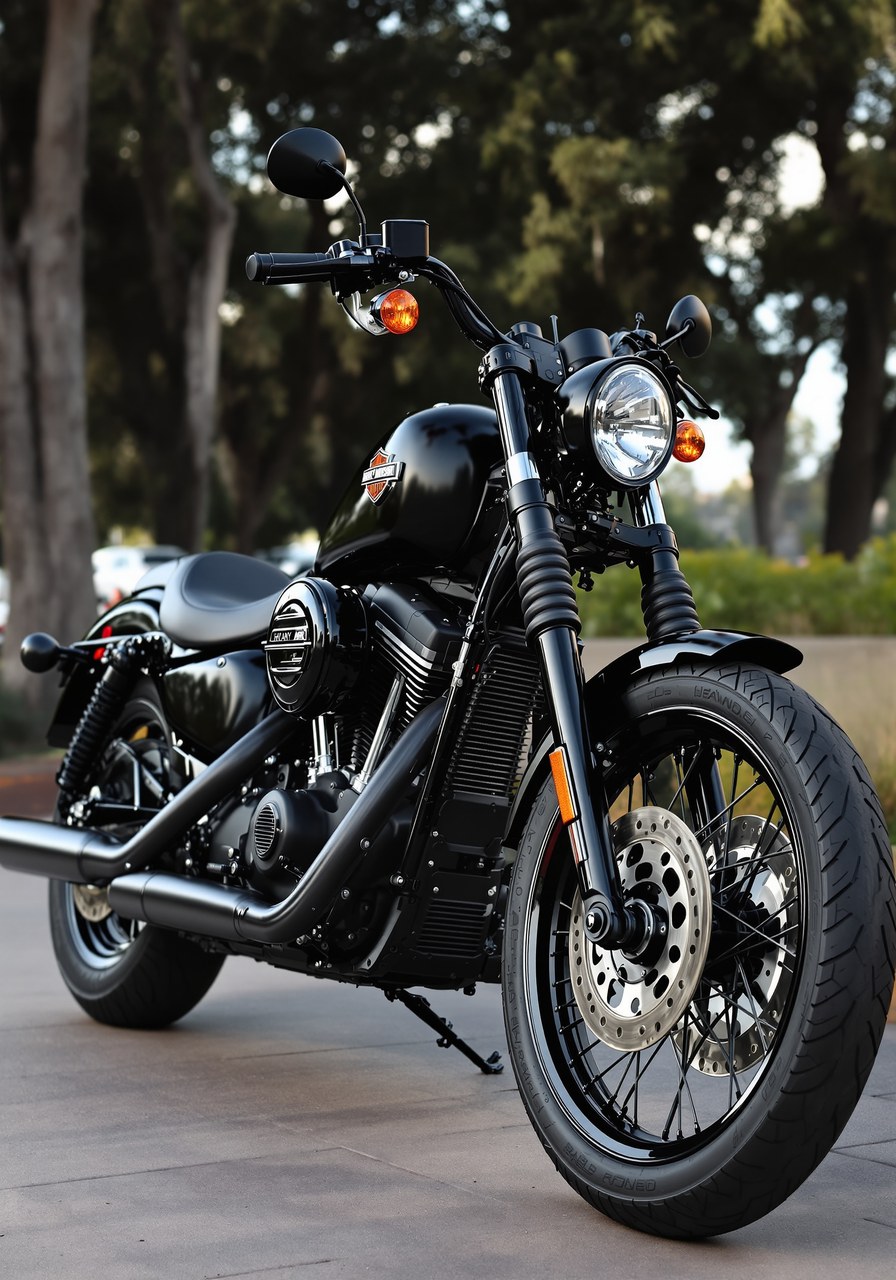
Mount Laguna via Sunrise Highway S1 trades the heat for pine air in under an hour from town. #RideNationSD #SunriseHighway #SanDiego #MountLaguna
Gear & New Iron
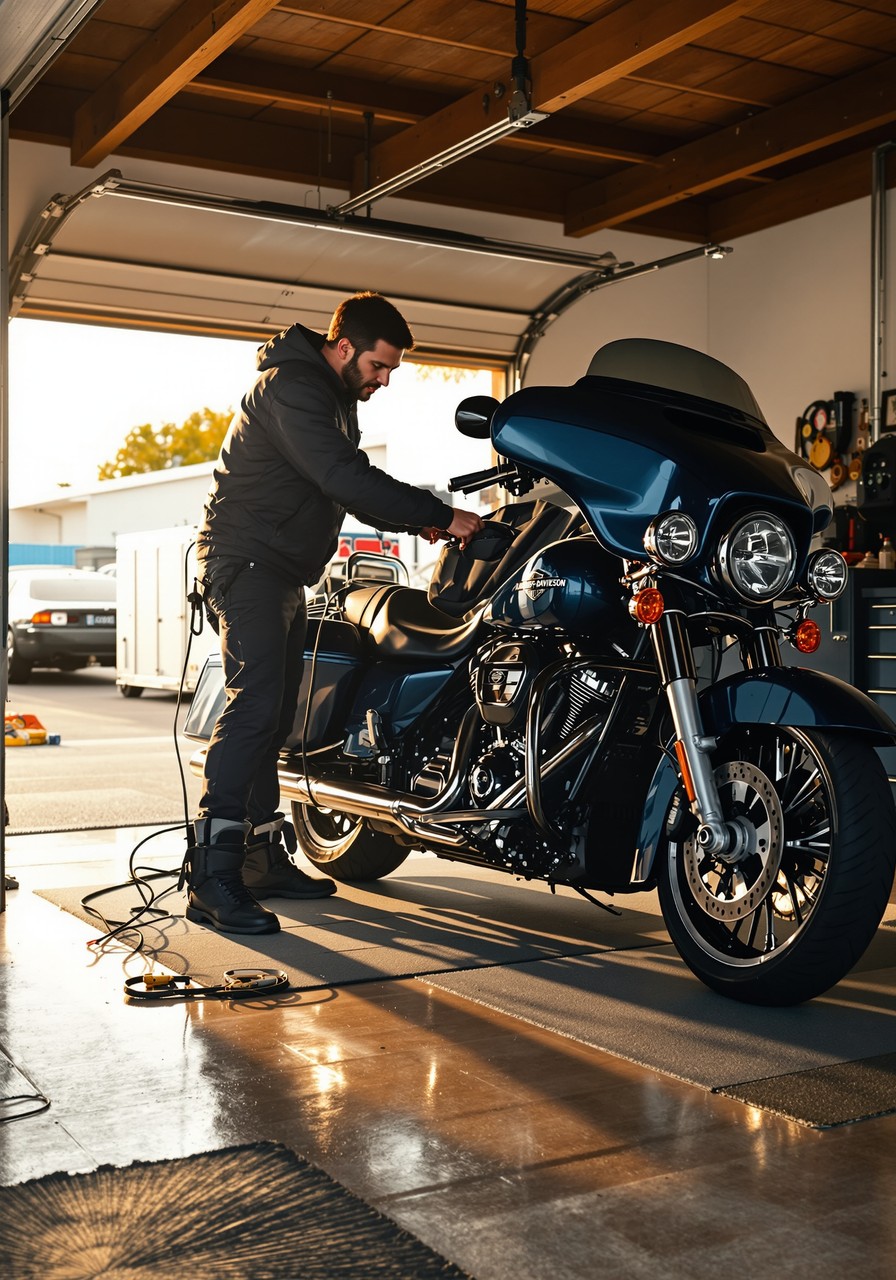
A back protector is the gear you forget you are wearing until the day it matters. Slip one in that empty jacket pocket. #RideNationSD #ATGATT #RideSafe #GearUp
Safety & California Law
See a doctor after any crash, even a minor one. Adrenaline hides injuries, and a same-day record protects both your health and your claim. Questions? Call Banker's Hill Law Firm at (619) 230-0330. #RideNationSD #RideSafe #CrashTips
Engagement
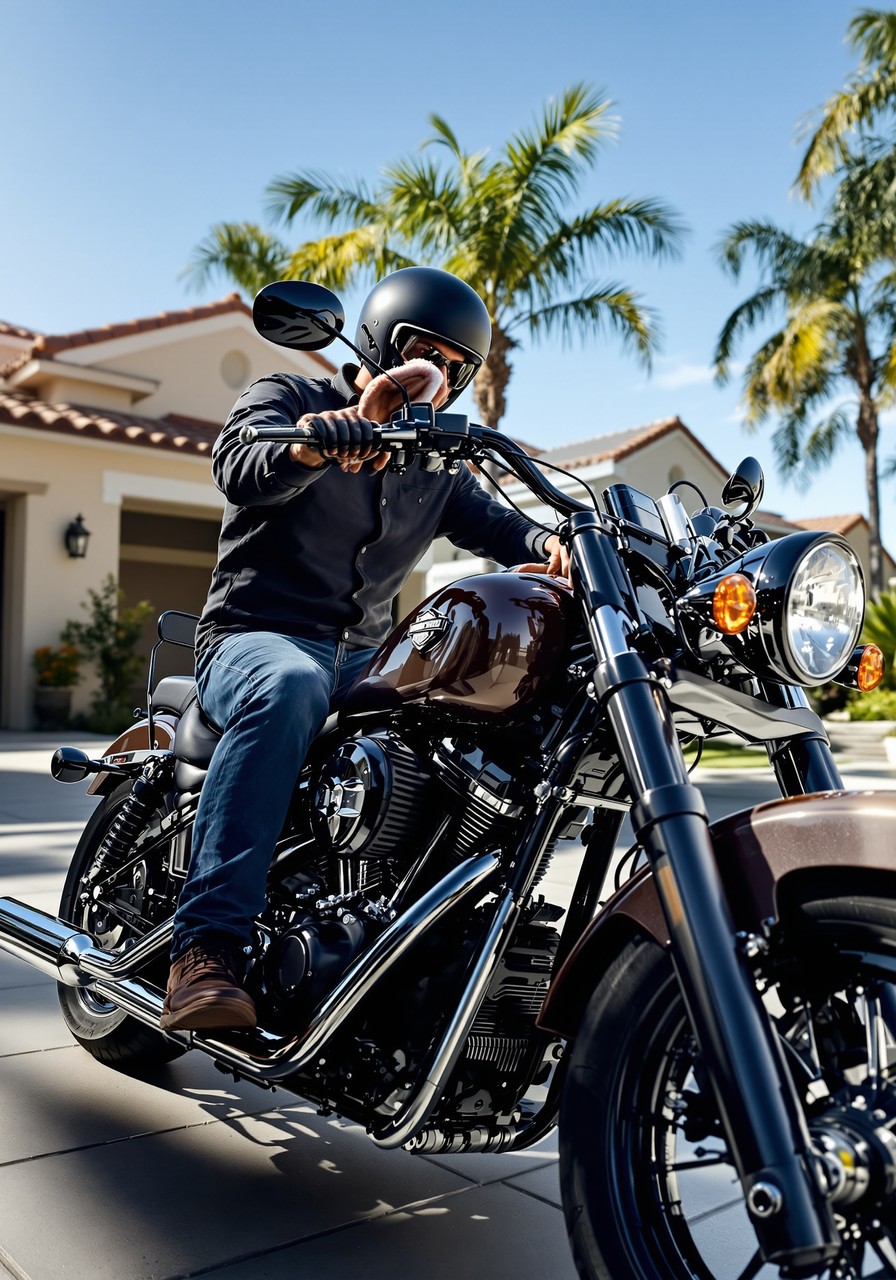
This or that: marine-layer morning cruise or wait for the sun to burn off first? What is your move? #RideNationSD #SanDiego #SanDiegoMoto
Giveaway & Countdown
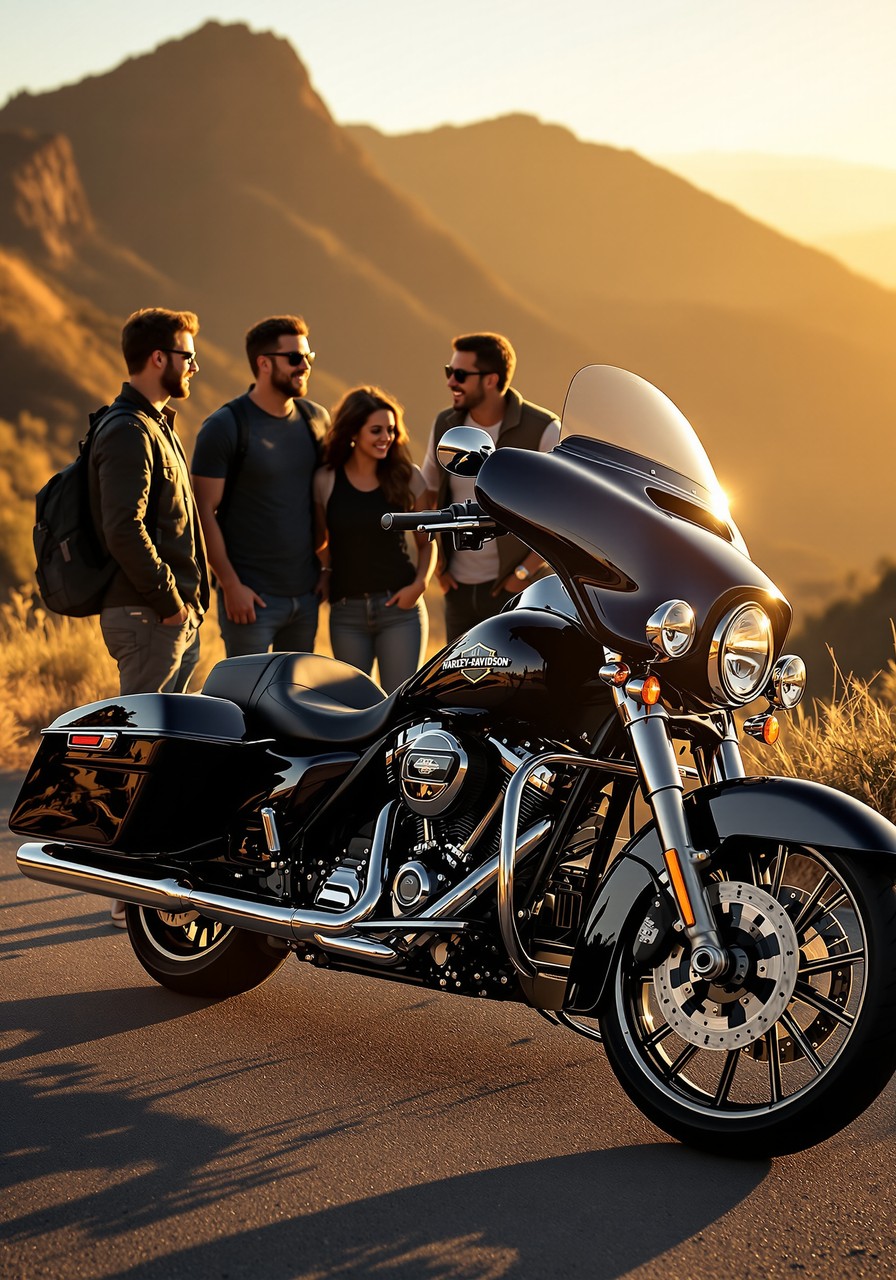
The road to $20,000 runs through one conversation. Talk to us about your motorcycle crash and you're entered for free. Drawing December 10. #RideNationSD #BikersWin #20kGiveaway
Local San Diego & Rides
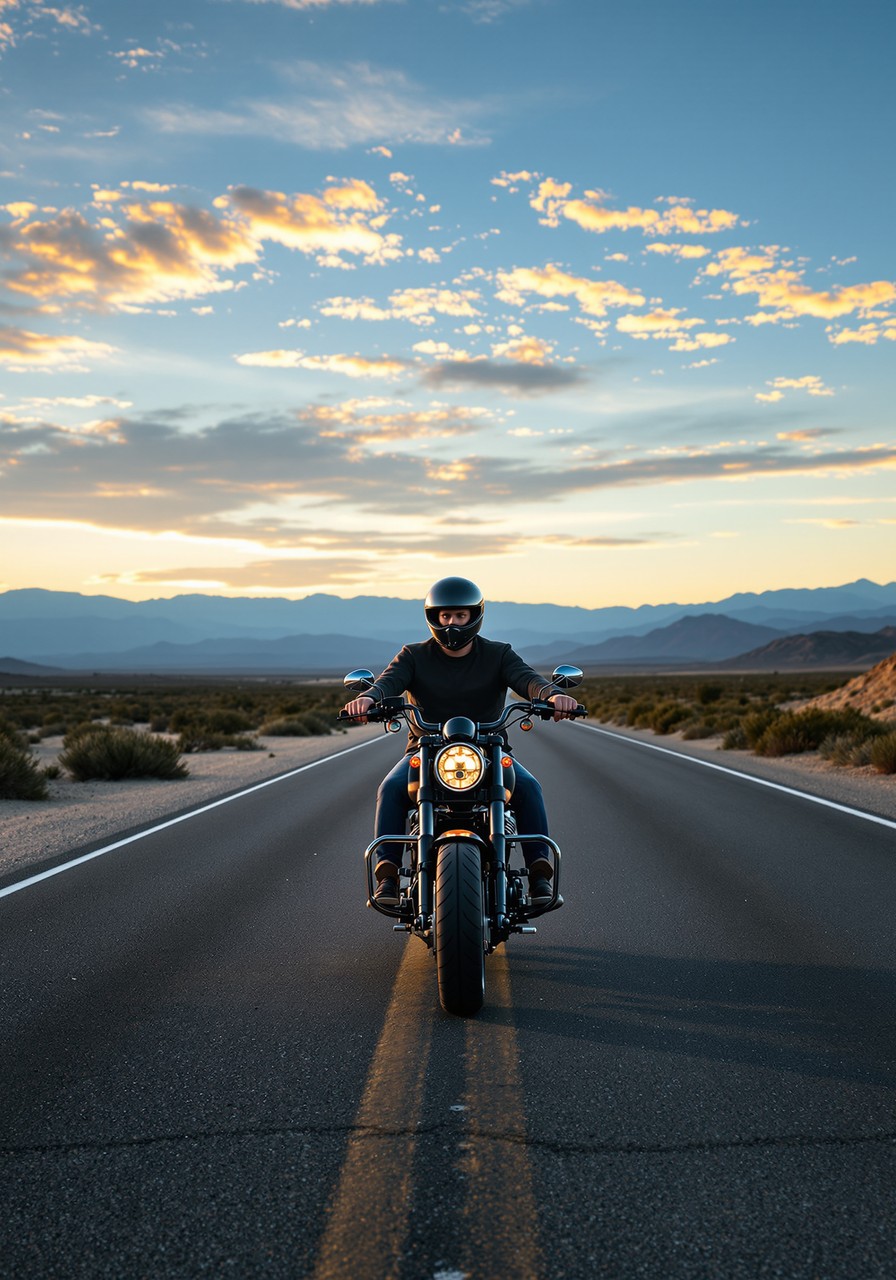
Year-round riding is San Diego's quiet superpower. While others winterize, we just pick a route. #RideNationSD #SanDiego #SoCalRiders #RideAllYear
Gear & New Iron
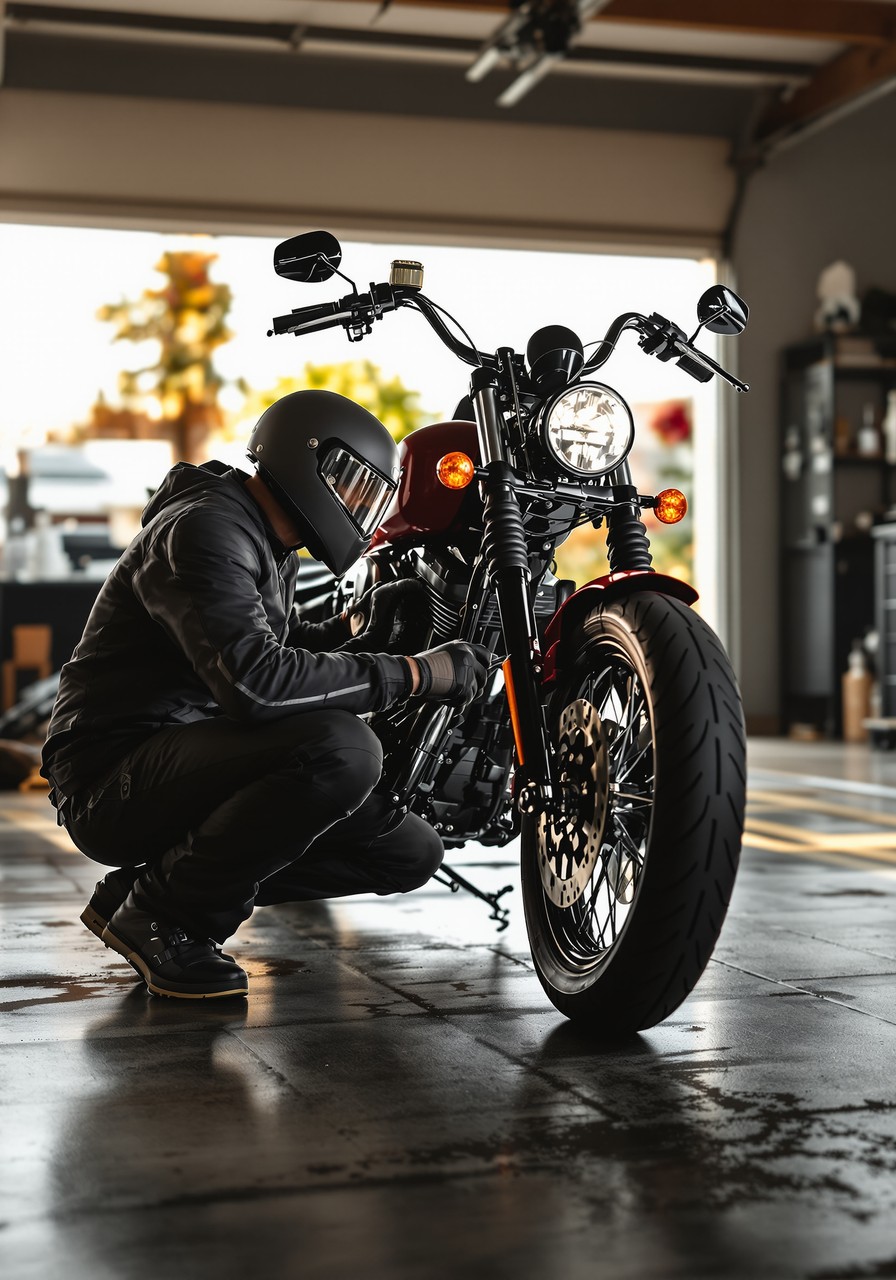
Ear plugs on the freeway are not for the noise now, they are for your hearing in twenty years. Cheap, tiny, huge payoff. #RideNationSD #RideSafe #GearUp #MotorcycleGear
Safety & California Law
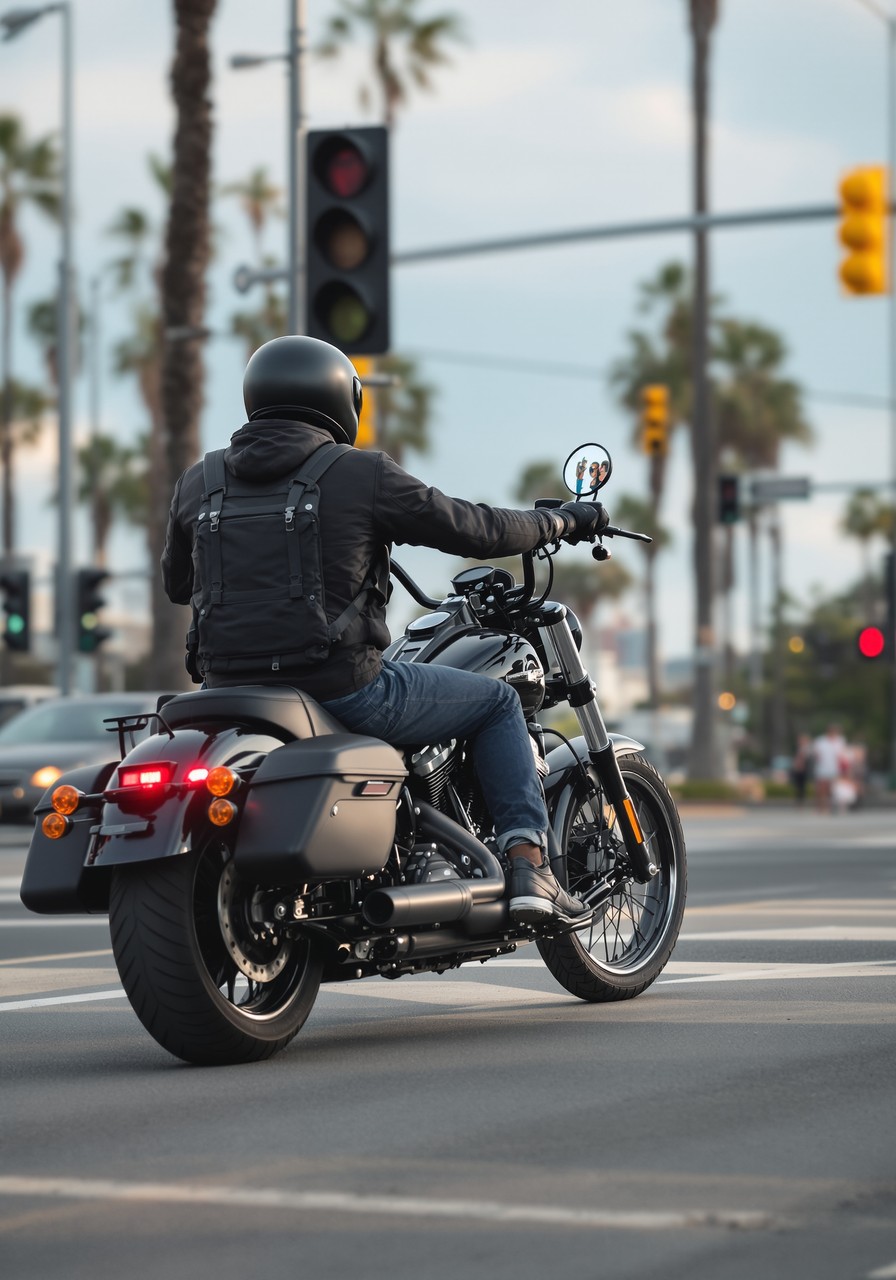
MedPay is optional coverage that can help pay your medical bills after a motorcycle crash regardless of fault. It is worth asking your agent about before you ride. Questions? Call Banker's Hill Law Firm at (619) 230-0330. #RideNationSD #RideSafe #InsuranceTips
Engagement
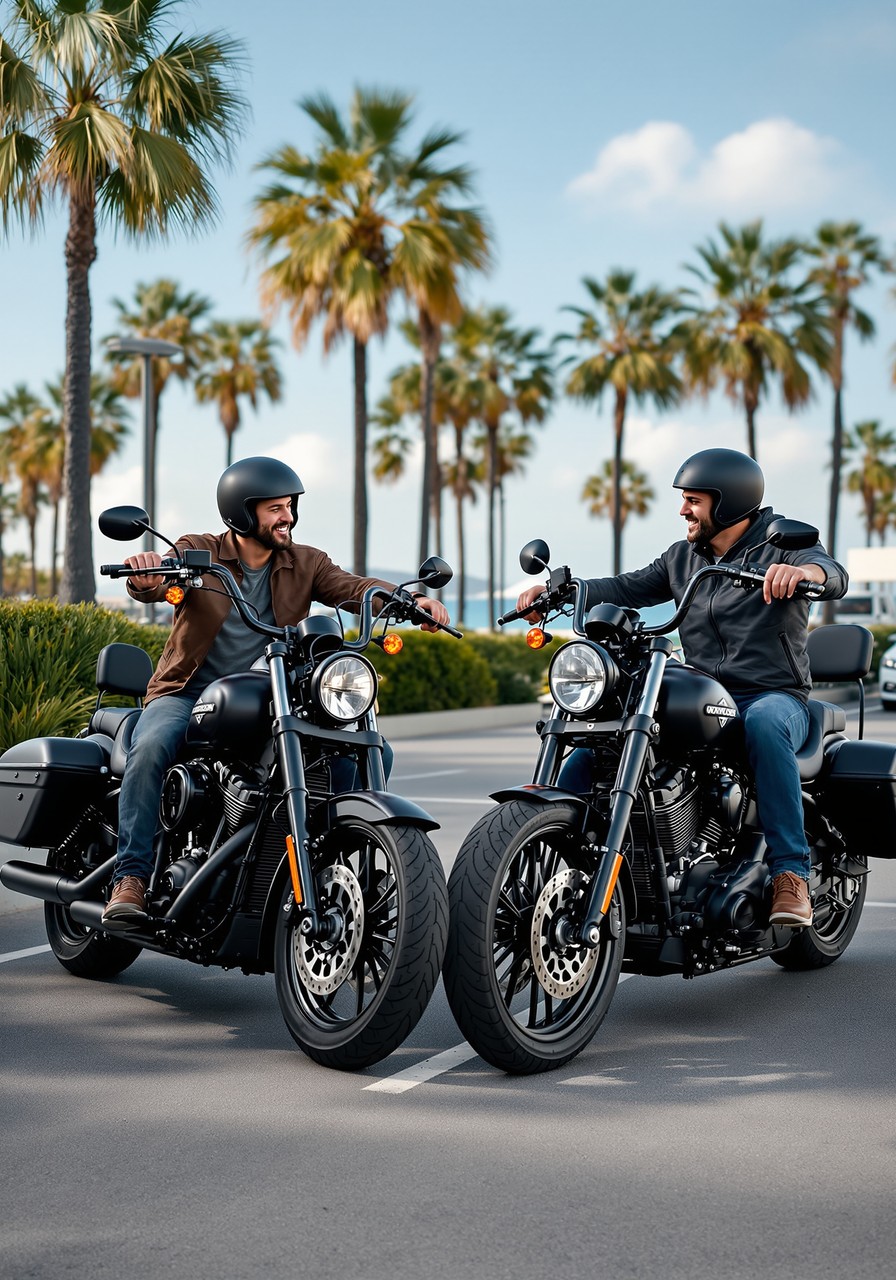
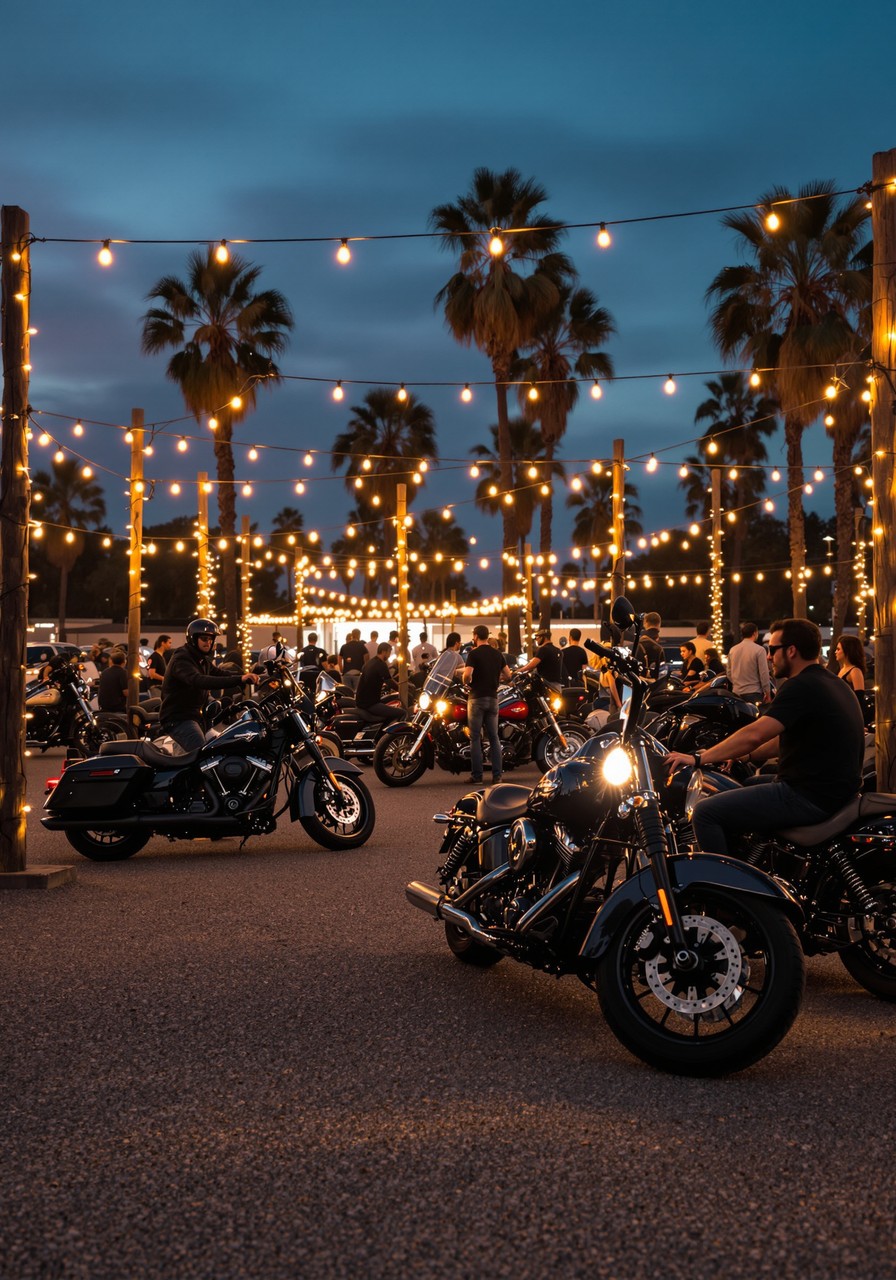
Caption this: three bikes lined up outside a Julian pie shop, helmets still warm. #RideNationSD #Julian #SoCalRiders
Giveaway & Countdown
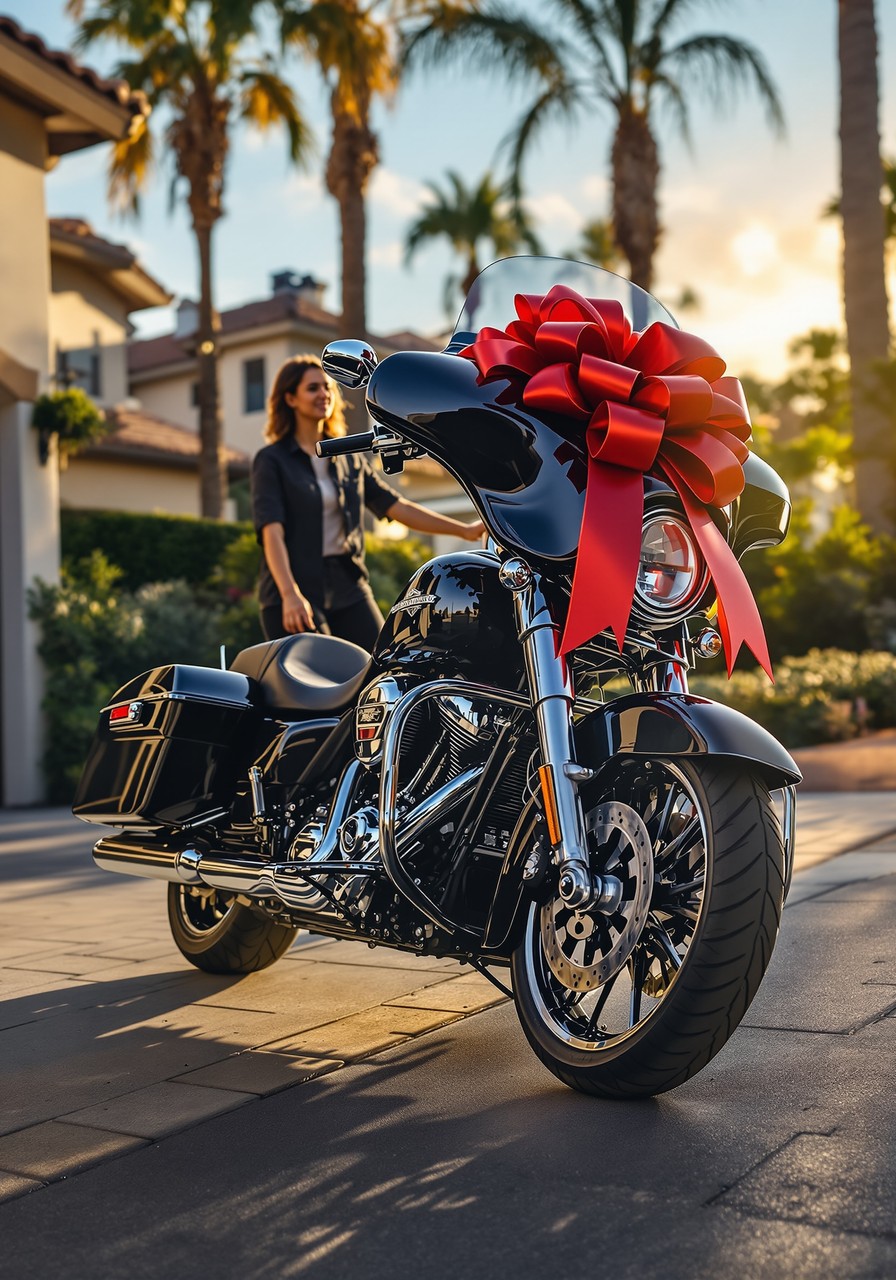
Friendly reminder from your San Diego motorcycle team: the $20,000 giveaway draws December 10 and entry is free. Call (619) 230-0330 to learn how. #RideNationSD #BikersWin
Local San Diego & Rides
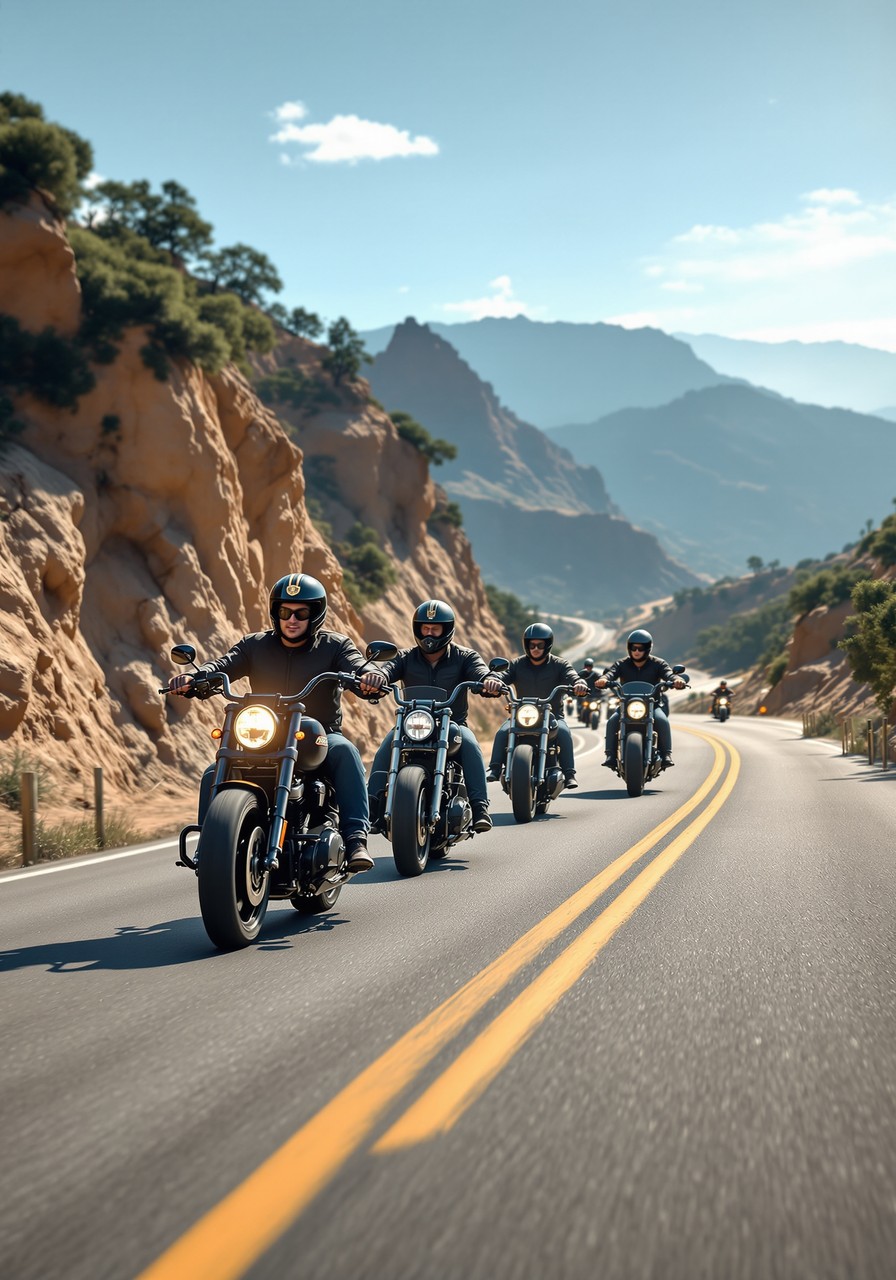
Anza-Borrego wildflower runs are short-lived magic. Watch the bloom reports and go when it pops. #RideNationSD #AnzaBorrego #SanDiego #SoCalRiders
Gear & New Iron
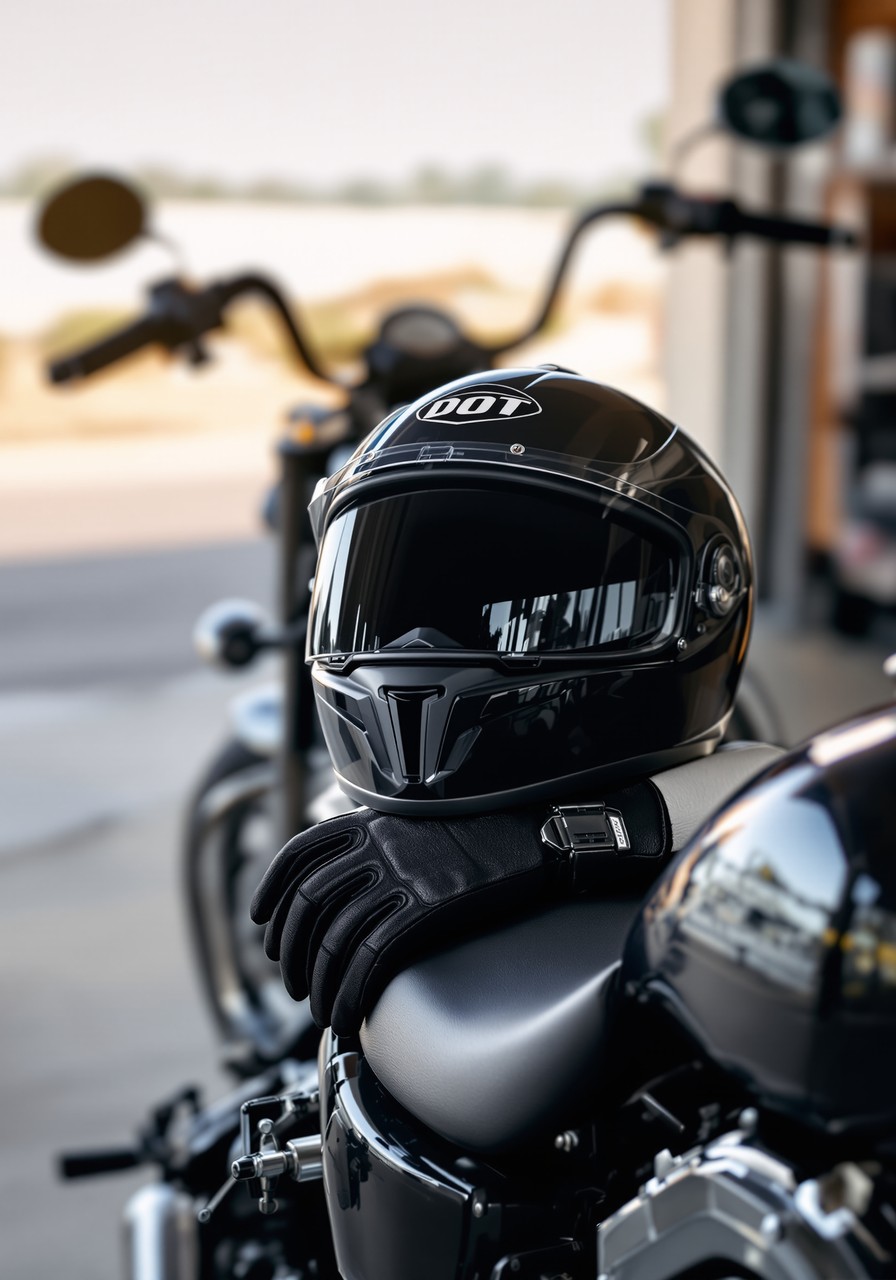
Vented summer gloves exist so you never talk yourself out of covering your hands in the heat. No more bare-knuckle excuses. #RideNationSD #ATGATT #MotorcycleGear #SanDiego
Safety & California Law
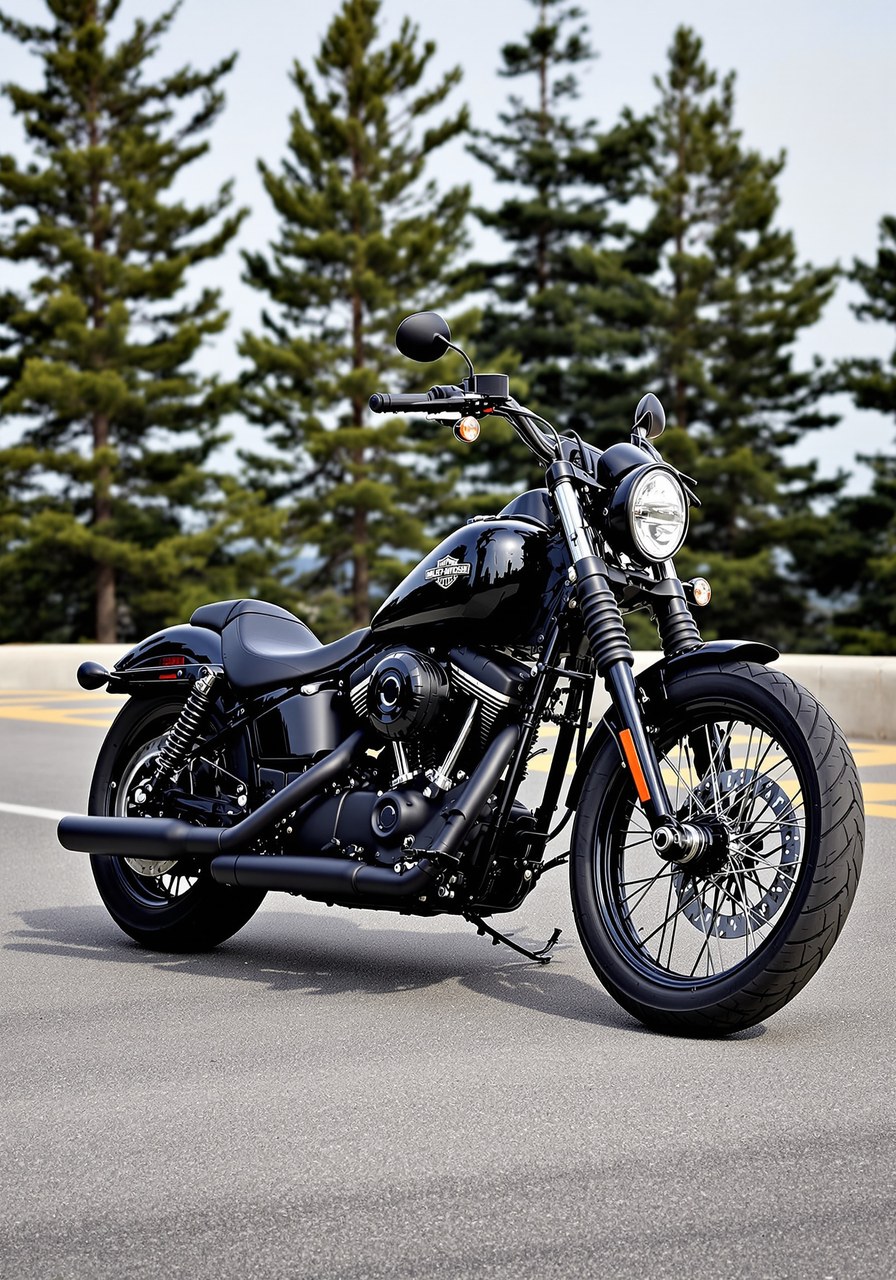
Left-turn crashes happen because a driver misjudges your speed or never sees you. Slow at the intersection, make eye contact when you can, and plan your out. #RideNationSD #RideSafe #LeftTurnCrash
Engagement
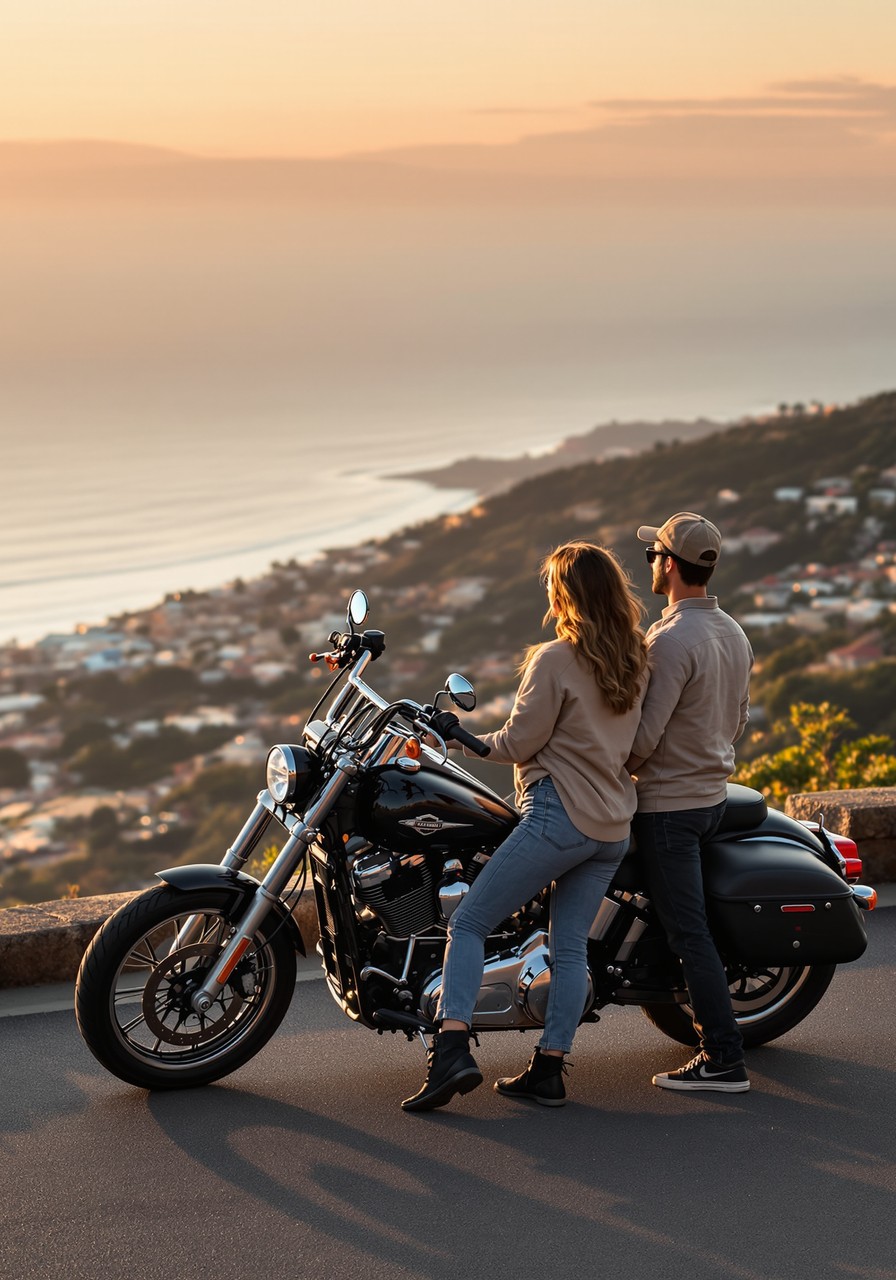
Fill in the blank: my dream San Diego ride day would include ______ and ______. #RideNationSD #SanDiego #SoCalRiders
Giveaway & Countdown
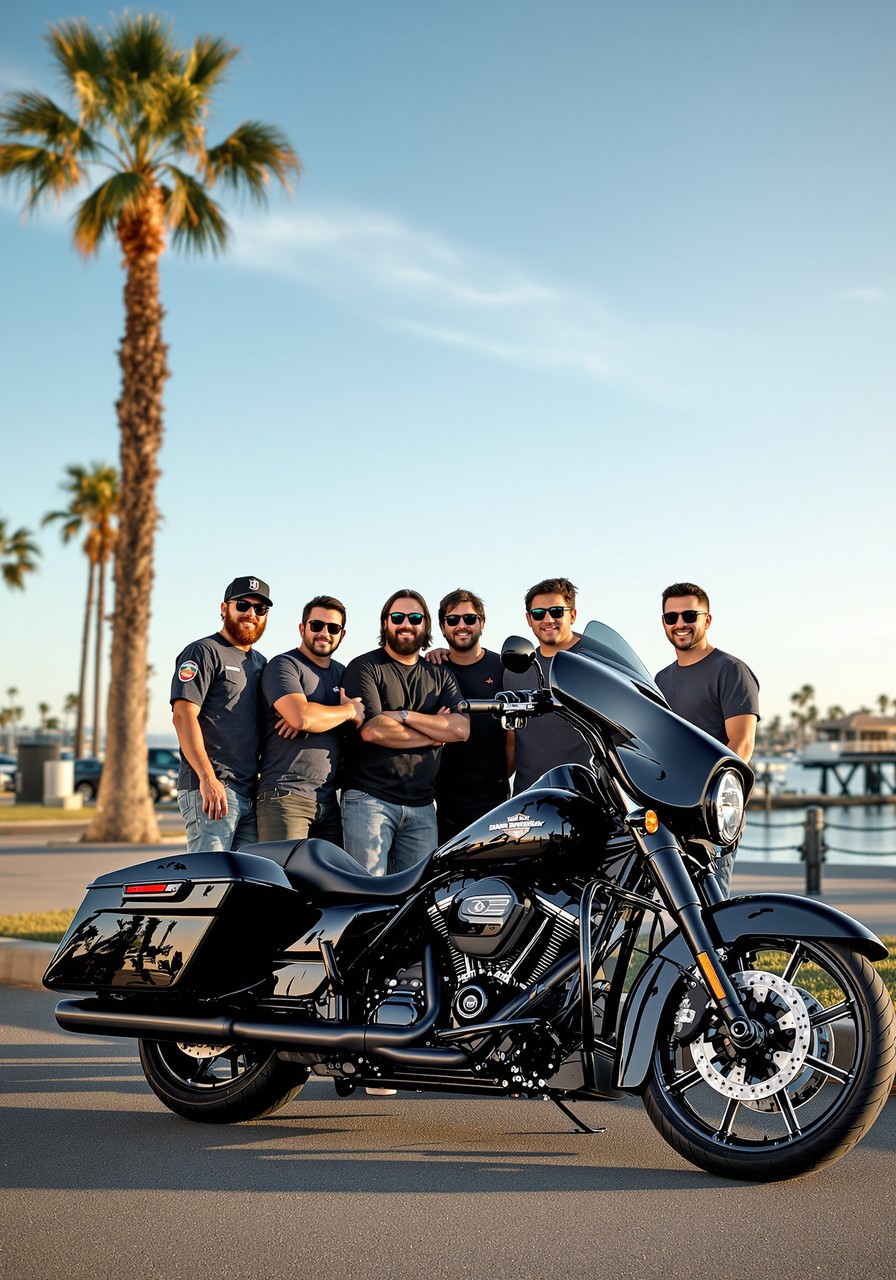
Imagine hearing your name called on December 10. Every rider who talks to Banker's Hill Law Firm about a crash is entered for free. More at bhlflaw.com. #RideNationSD #20kGiveaway
Local San Diego & Rides
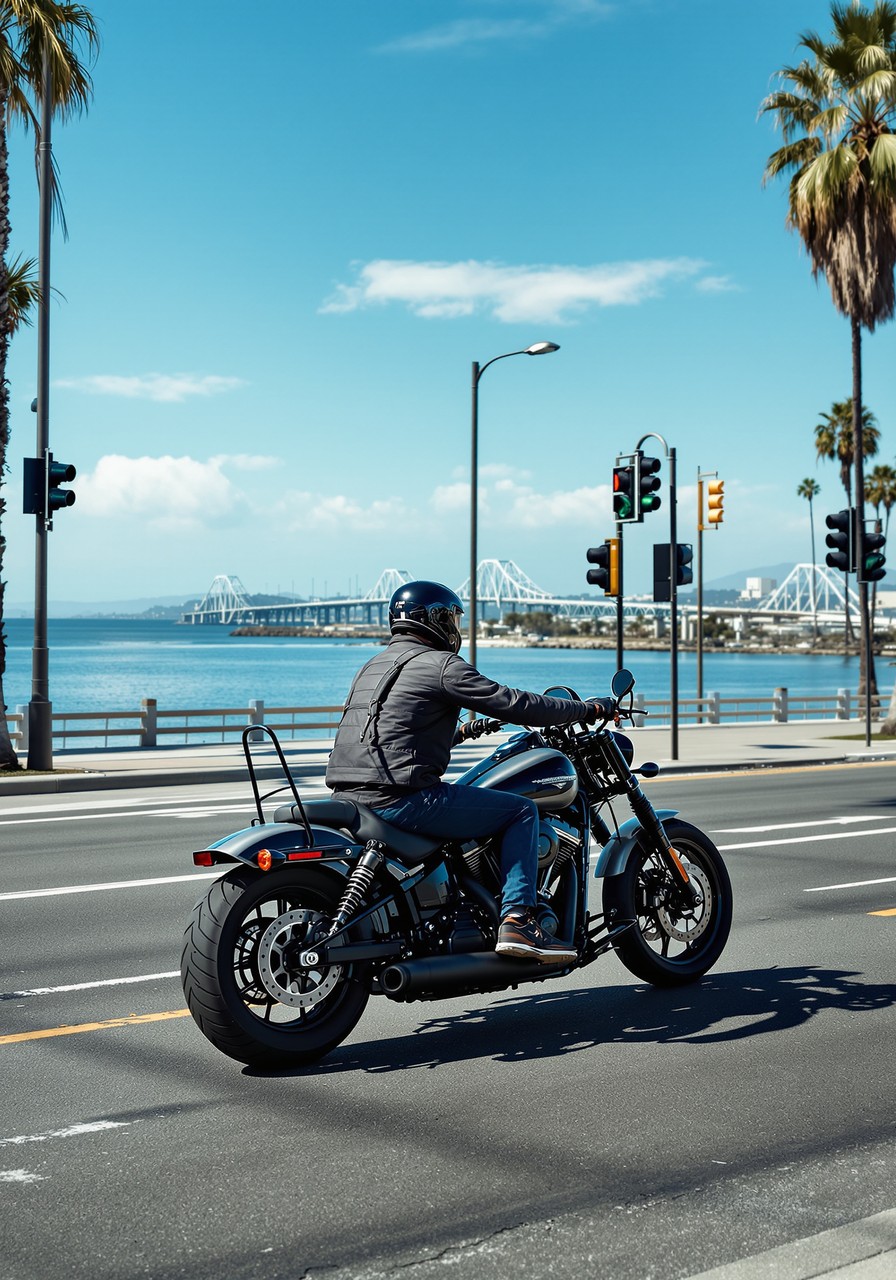
The Coronado Bridge, the bay, the skyline behind you. A perfect warm-up before heading south. #RideNationSD #SanDiego #Coronado #SoCalRiders
Gear & New Iron
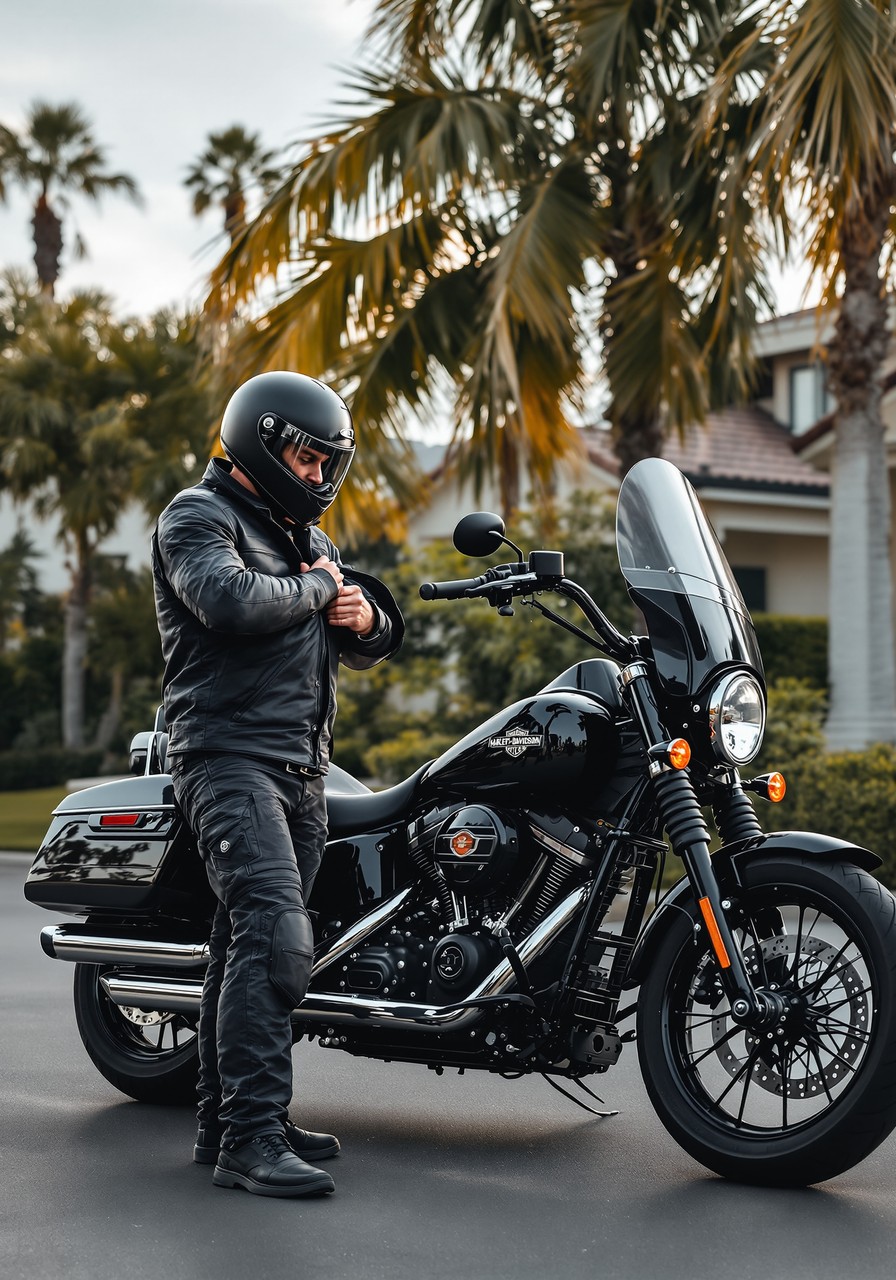
Brake pad check takes two minutes and a flashlight. Thin pads on a canyon descent are a bad surprise you can skip. #RideNationSD #RideSafe #MotorcycleGear #GearUp
Safety & California Law
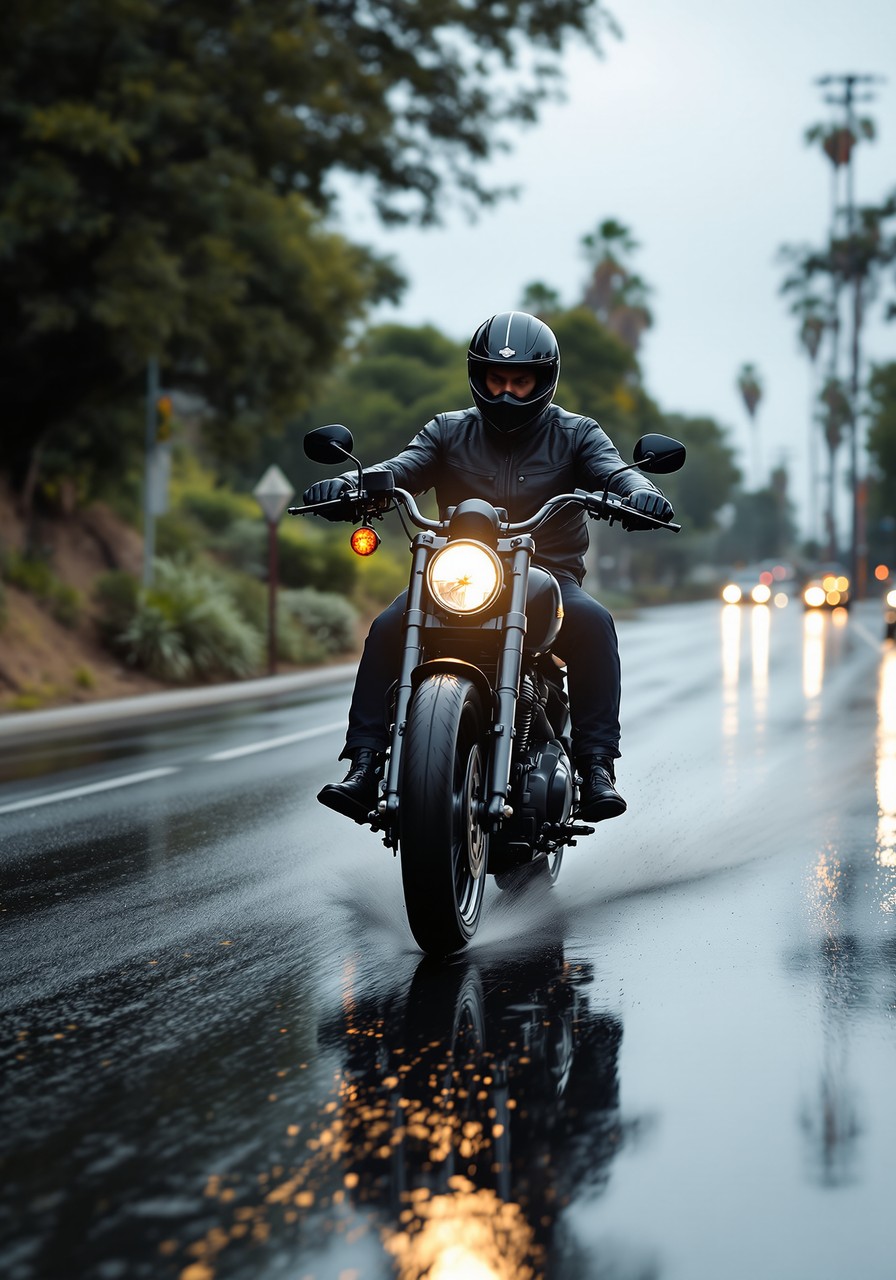
Claims against a city, county, or state agency in California can carry a six-month filing deadline, far shorter than the usual window. Do not wait to ask questions. Call Banker's Hill Law Firm at (619) 230-0330. #RideNationSD #RideSafe #CaliforniaLaw
Engagement
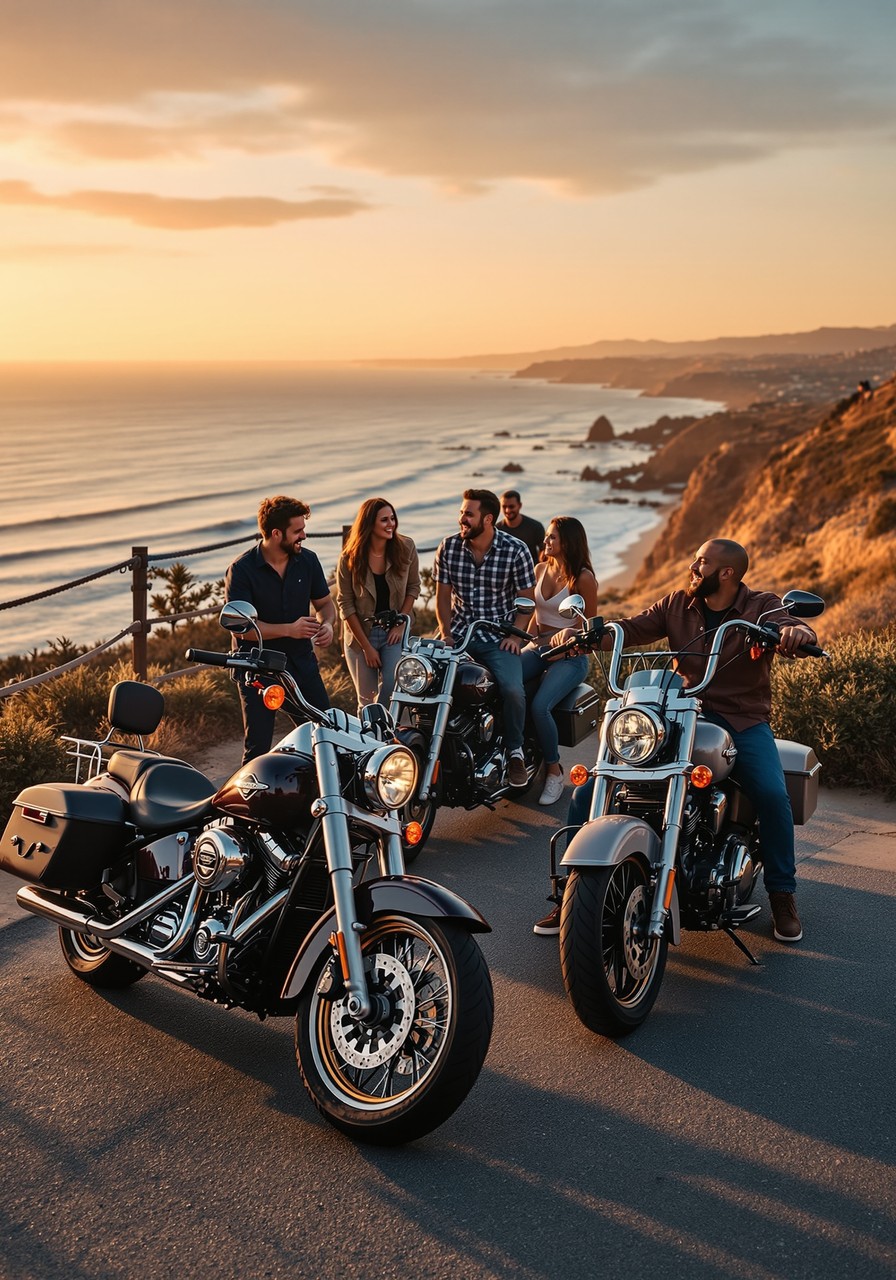
Tag the rider in your group who somehow always finds the best taco stand. #RideNationSD #SanDiego #SanDiegoMoto
Giveaway & Countdown
The excitement across Ride Nation SD is contagious. A $20,000 winner is coming December 10, and getting entered is free. Ask us how at (619) 230-0330. #RideNationSD #BikersWin #20kGiveaway
Local San Diego & Rides
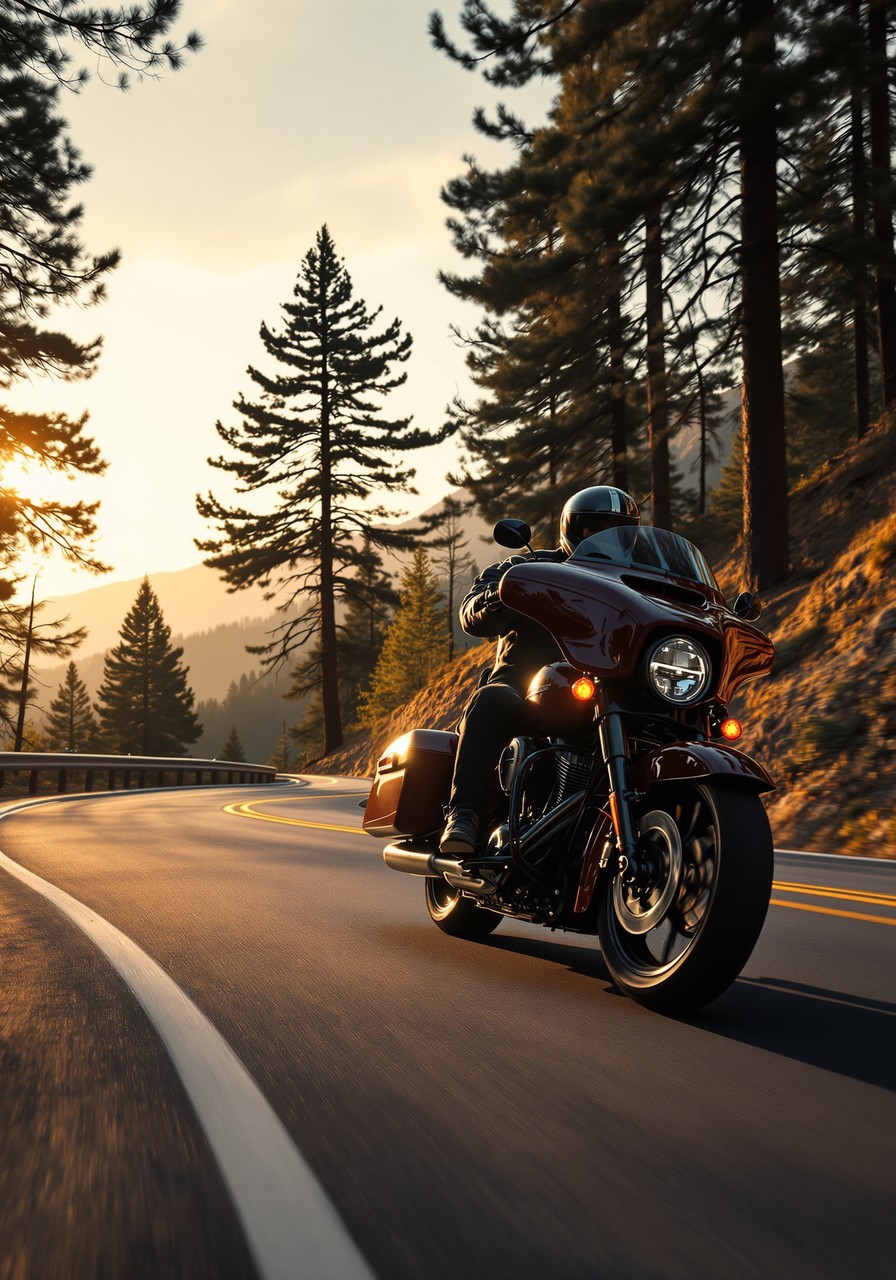
Palomar's South Grade is all switchbacks and focus. Take Mother's Kitchen as the finish line you earned. #RideNationSD #PalomarMountain #SanDiego #SoCalRiders
Gear & New Iron
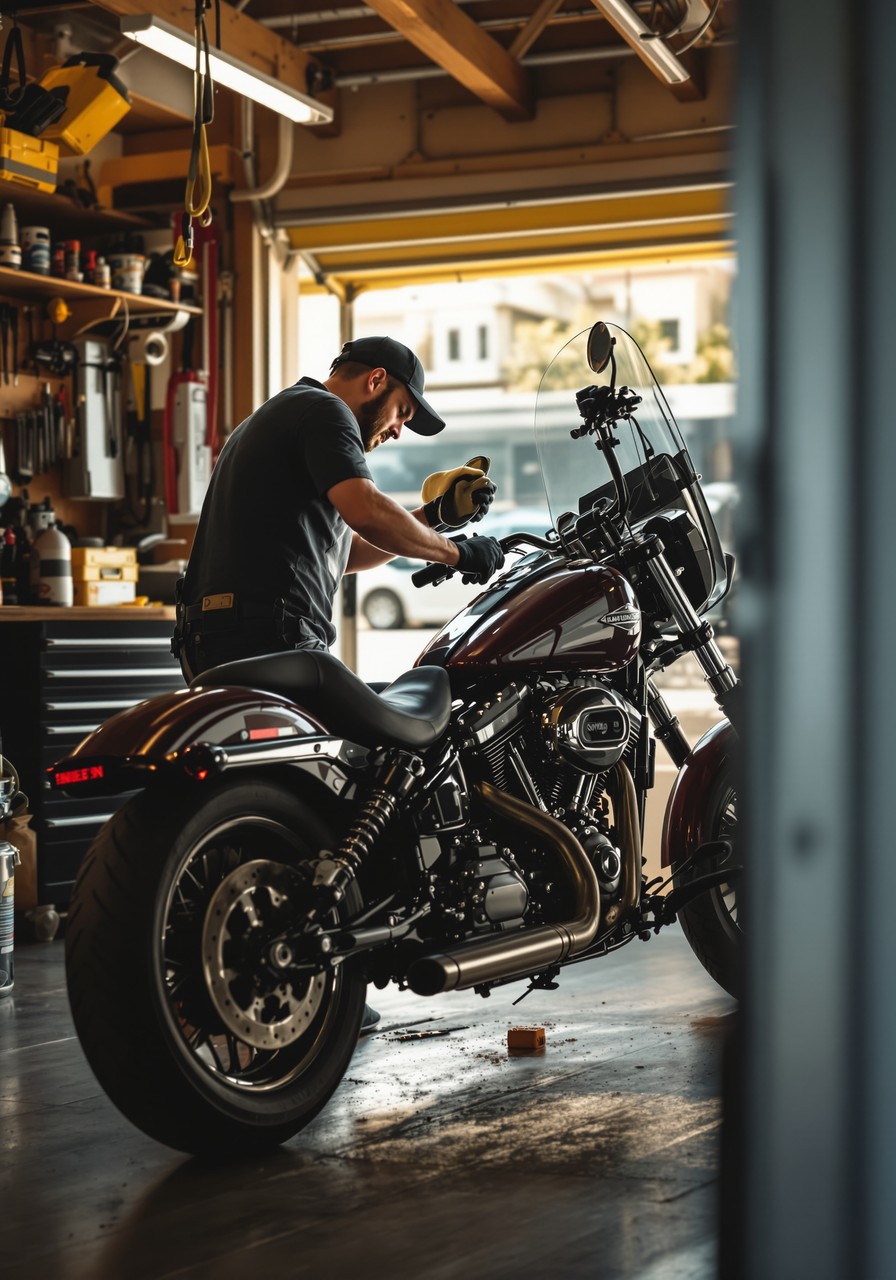
A two-piece suit that zips together is the do-it-all answer for SoCal. Vent it for summer, seal it for the marine layer. #RideNationSD #ATGATT #GearUp #SoCalRiders
Safety & California Law
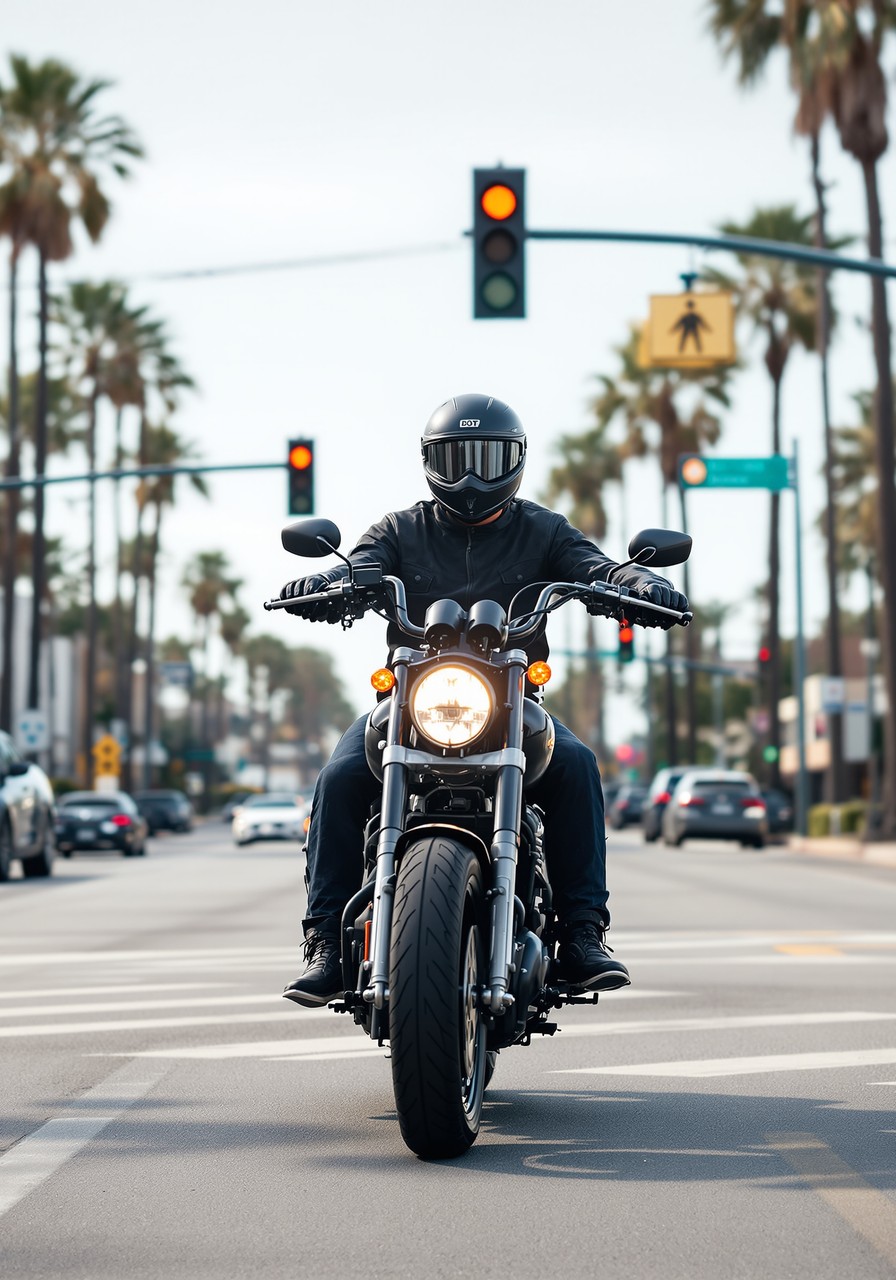
First-rain season is here. Bridges, overpasses, and shaded patches stay slick the longest, so ease your inputs and leave extra room to stop. Questions after a crash? Call Banker's Hill Law Firm at (619) 230-0330. #RideNationSD #RideSafe #FirstRain
Engagement
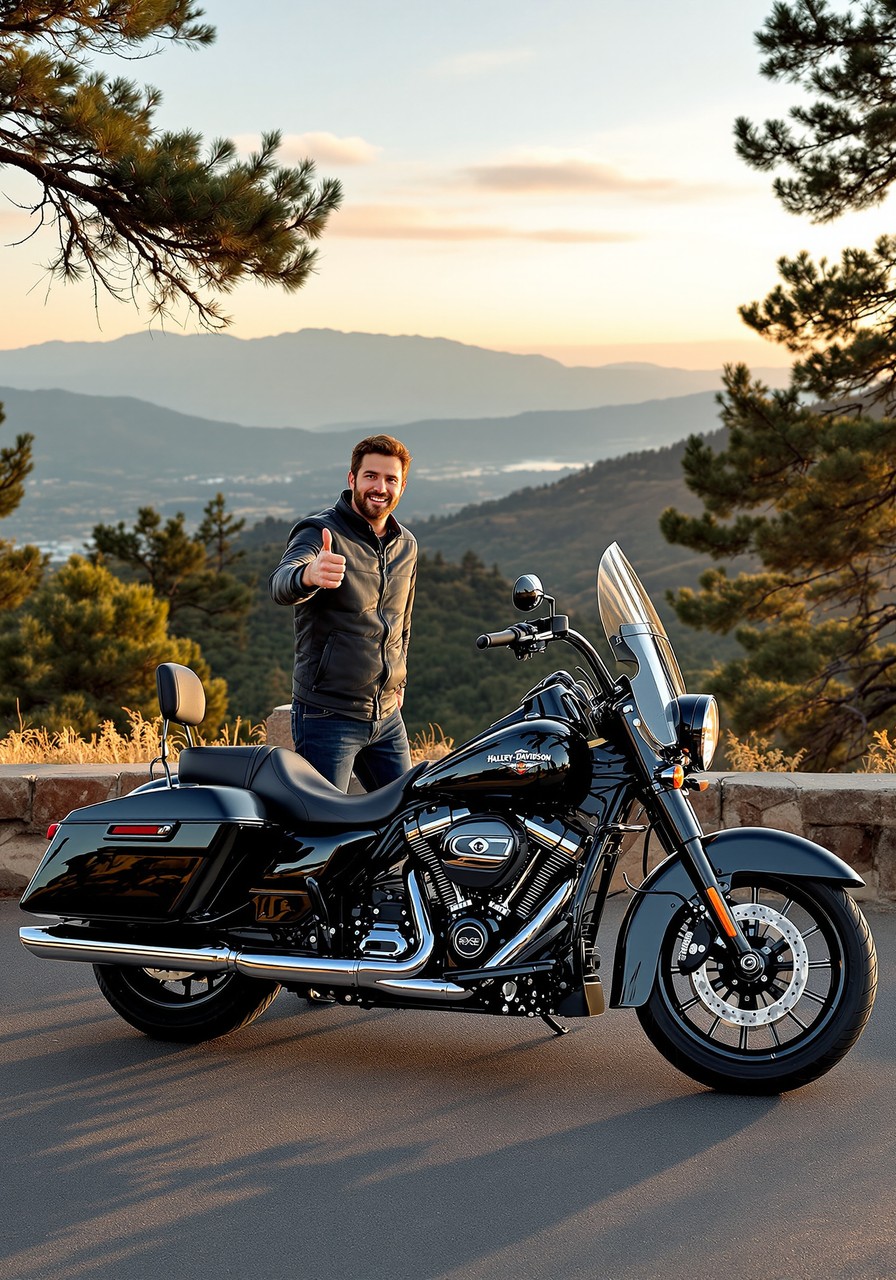
Poll: Coronado Bridge at sunset is the most underrated ride in the county. Yes or absolutely yes? #RideNationSD #SanDiego #SoCalRiders
Giveaway & Countdown
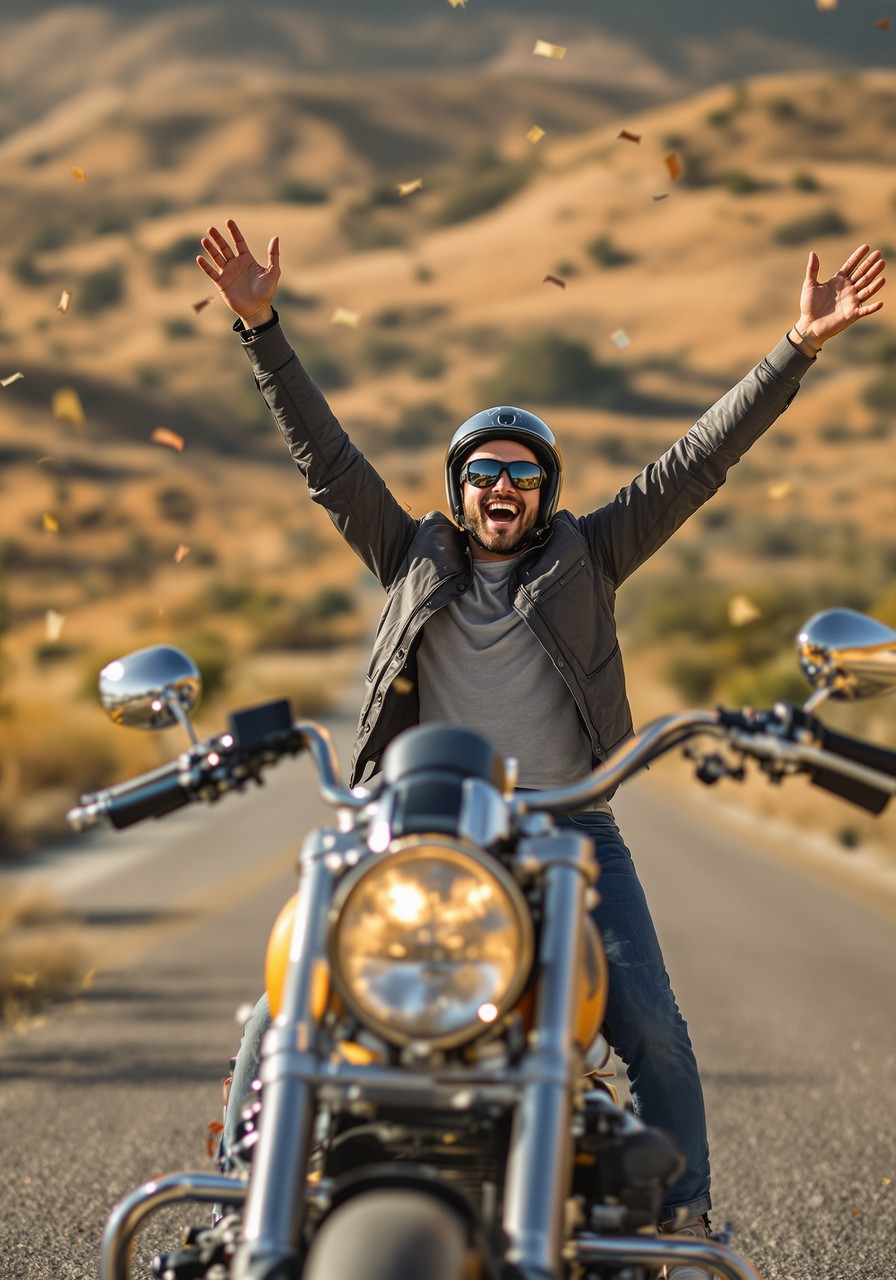
Still time to get in on BikersWin. Talk to Banker's Hill Law Firm about your crash and you're entered in the $20,000 giveaway for free. Visit bhlflaw.com. #RideNationSD #BikersWin
Local San Diego & Rides
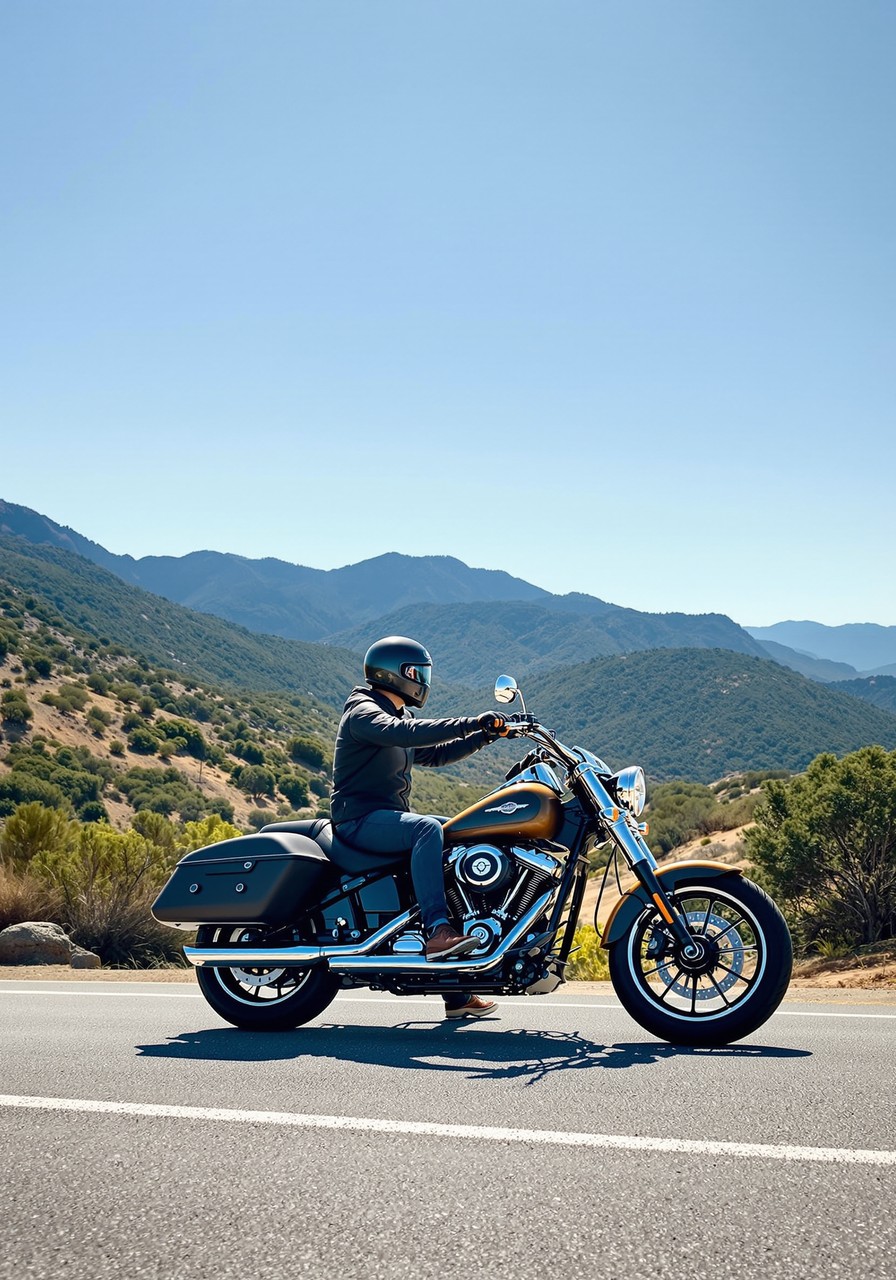
Ortega Highway CA-74 links the coast to the inland canyons with some of the sweetest sweepers around. #RideNationSD #SoCalRiders #SanDiego #RideSoCal
Gear & New Iron
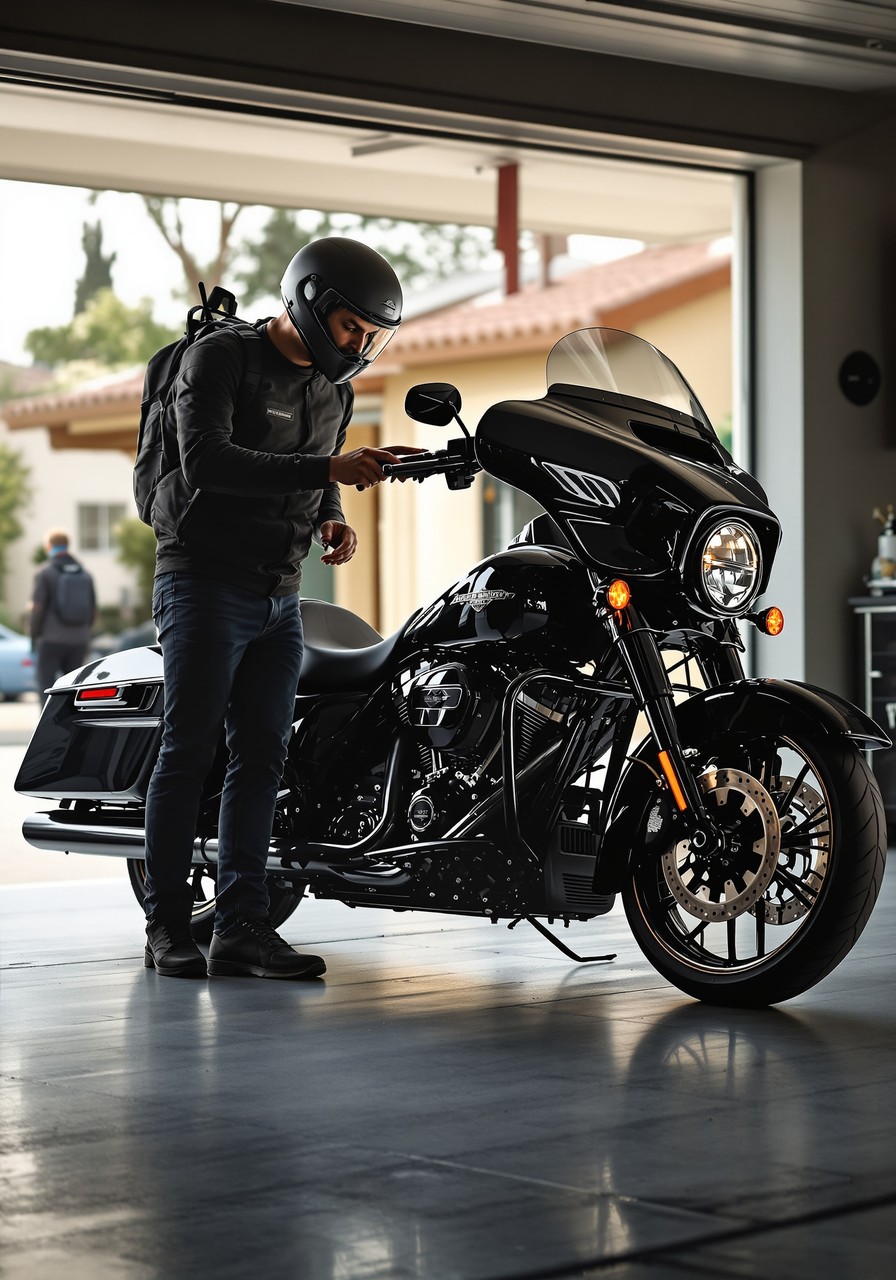
New model test rides are the best free fun at the dealership. Go sit on the one you have been dreaming about. #RideNationSD #NewIron #MotorcycleGear #SanDiego
Safety & California Law
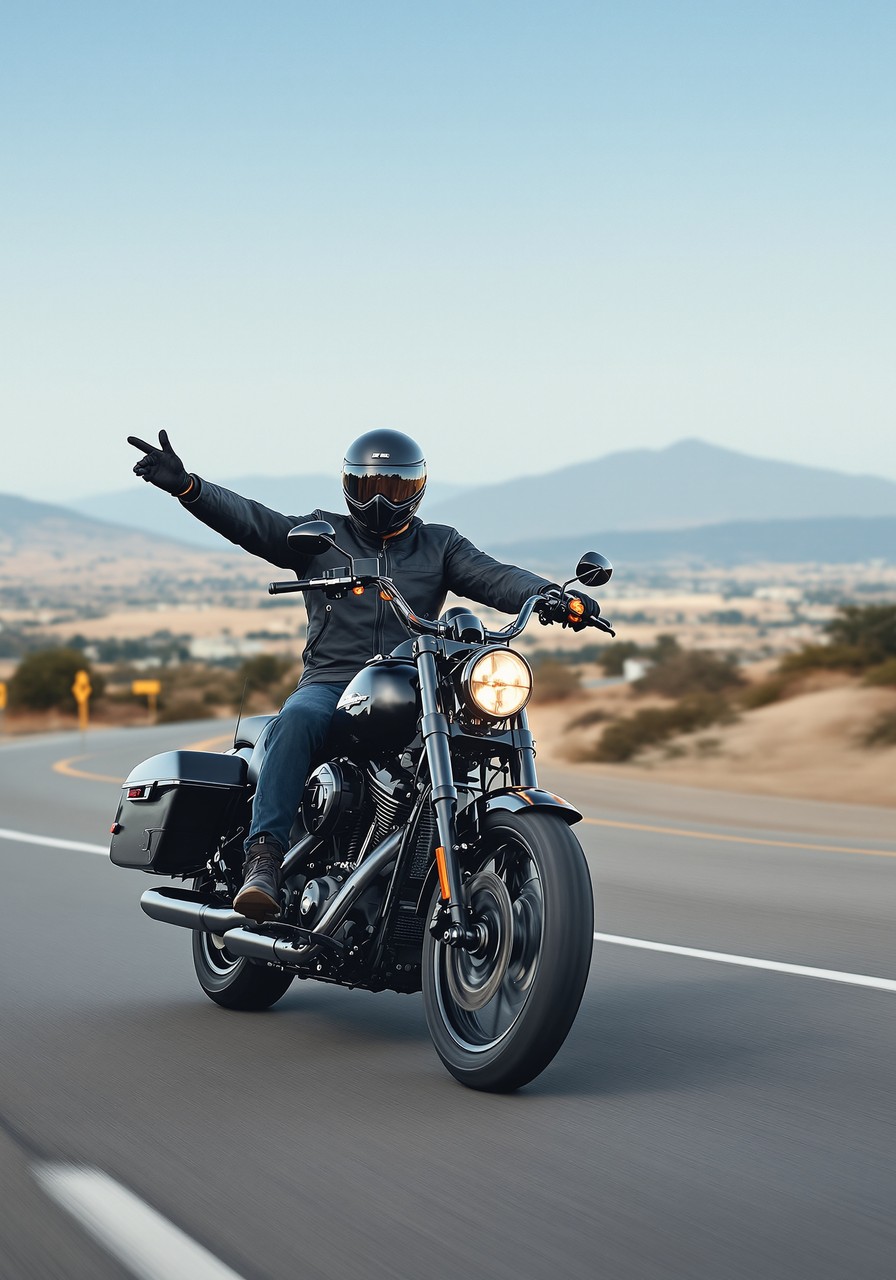
Photos win cases. After a crash, capture the scene, the vehicles, the road, and any skid marks before anything moves. Questions? Call Banker's Hill Law Firm at (619) 230-0330. #RideNationSD #RideSafe #CrashTips
Engagement
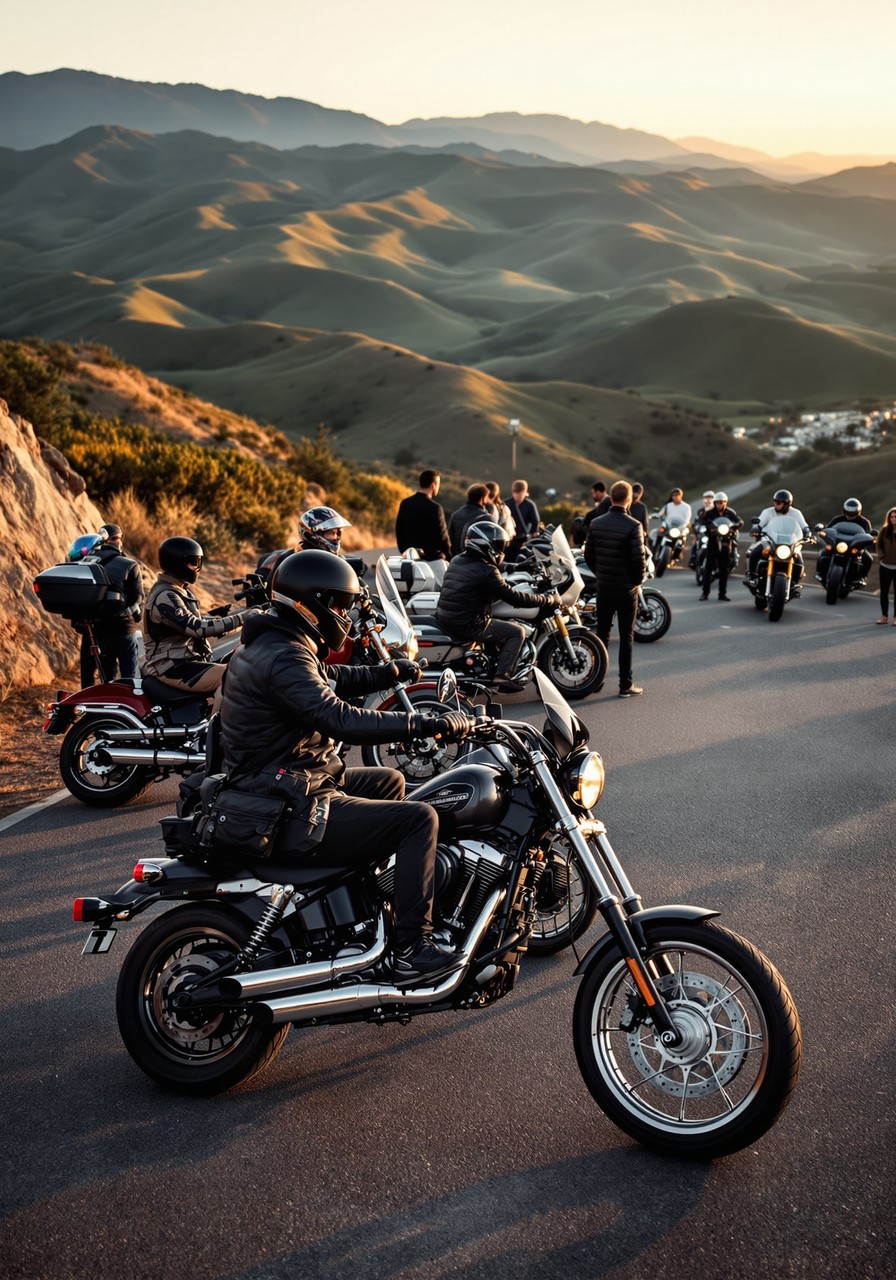
Rider confession: what song is always playing in your head on the run up the Highway to the Stars? #RideNationSD #PalomarMountain #SanDiegoMoto
Giveaway & Countdown
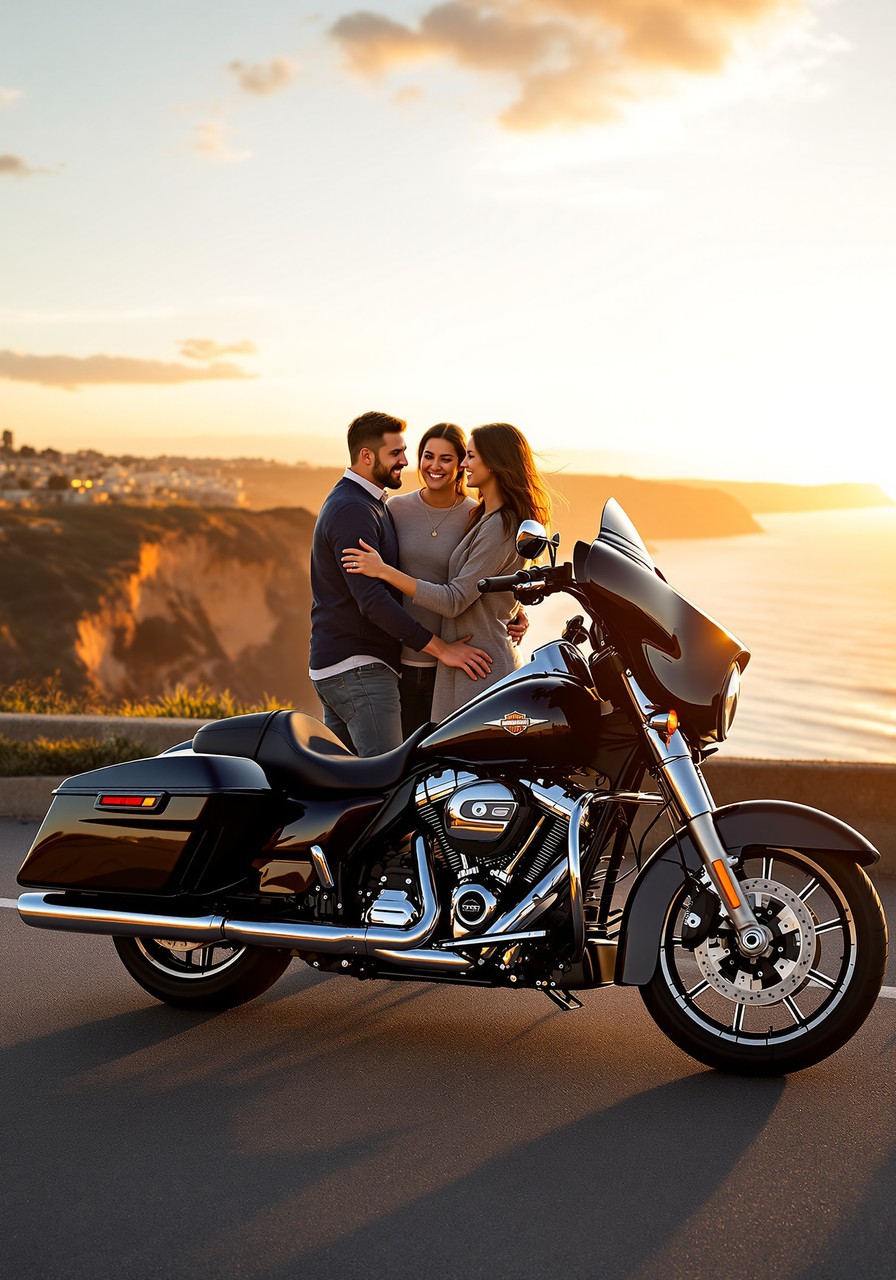
Two weeks-ish and counting toward December 10. Don't miss your free shot at $20,000. Call (619) 230-0330 to ask how a crash conversation enters you. #RideNationSD #20kGiveaway
Local San Diego & Rides
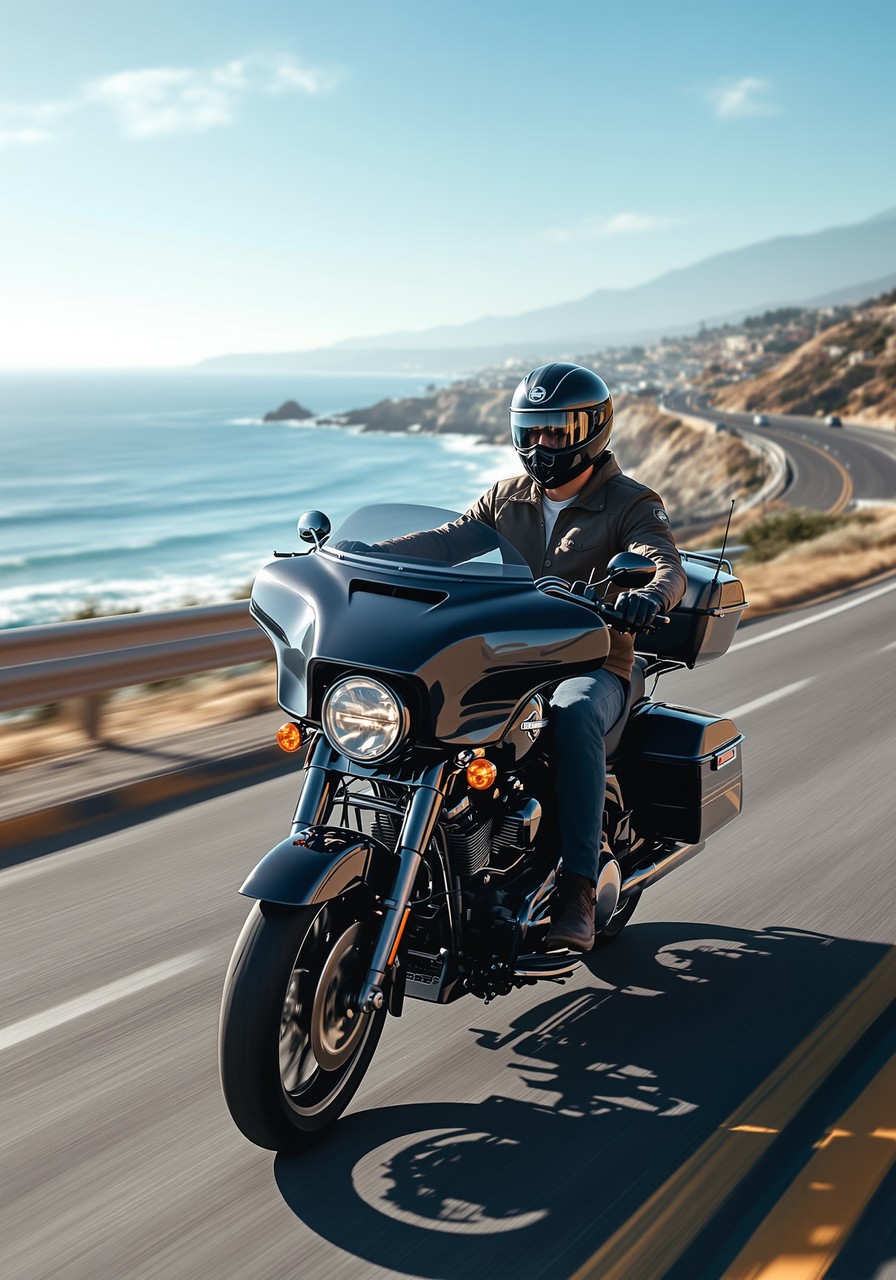
Sunset Cliffs golden hour hits after a long ride like nothing else. Let the bike cool and watch it drop. #RideNationSD #SunsetCliffs #SanDiego #SoCalRiders
Gear & New Iron
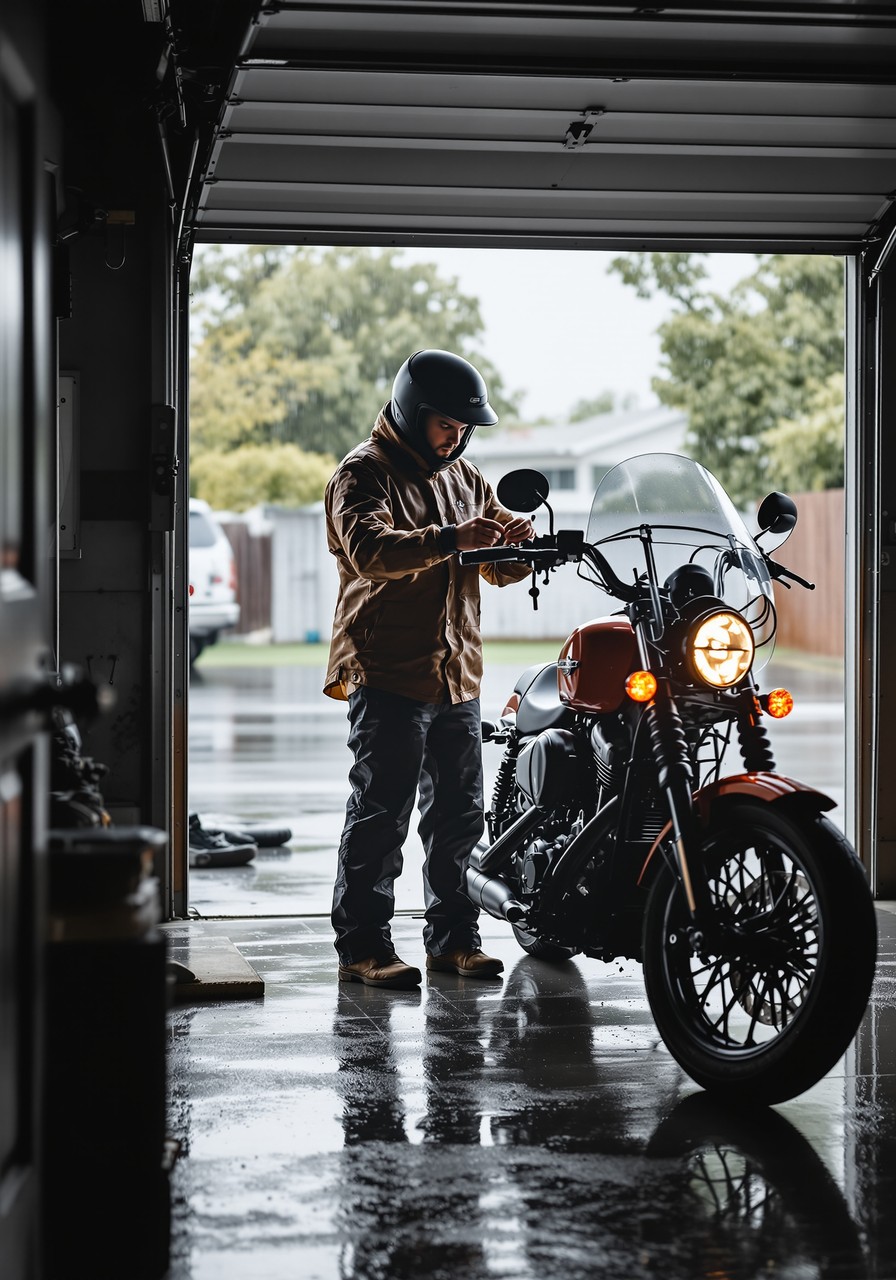
Reflective tape on your gear and panniers is a night-ride multiplier. Be a beacon, not a shadow, on the way home. #RideNationSD #HiViz #RideSafe #GearUp
Safety & California Law
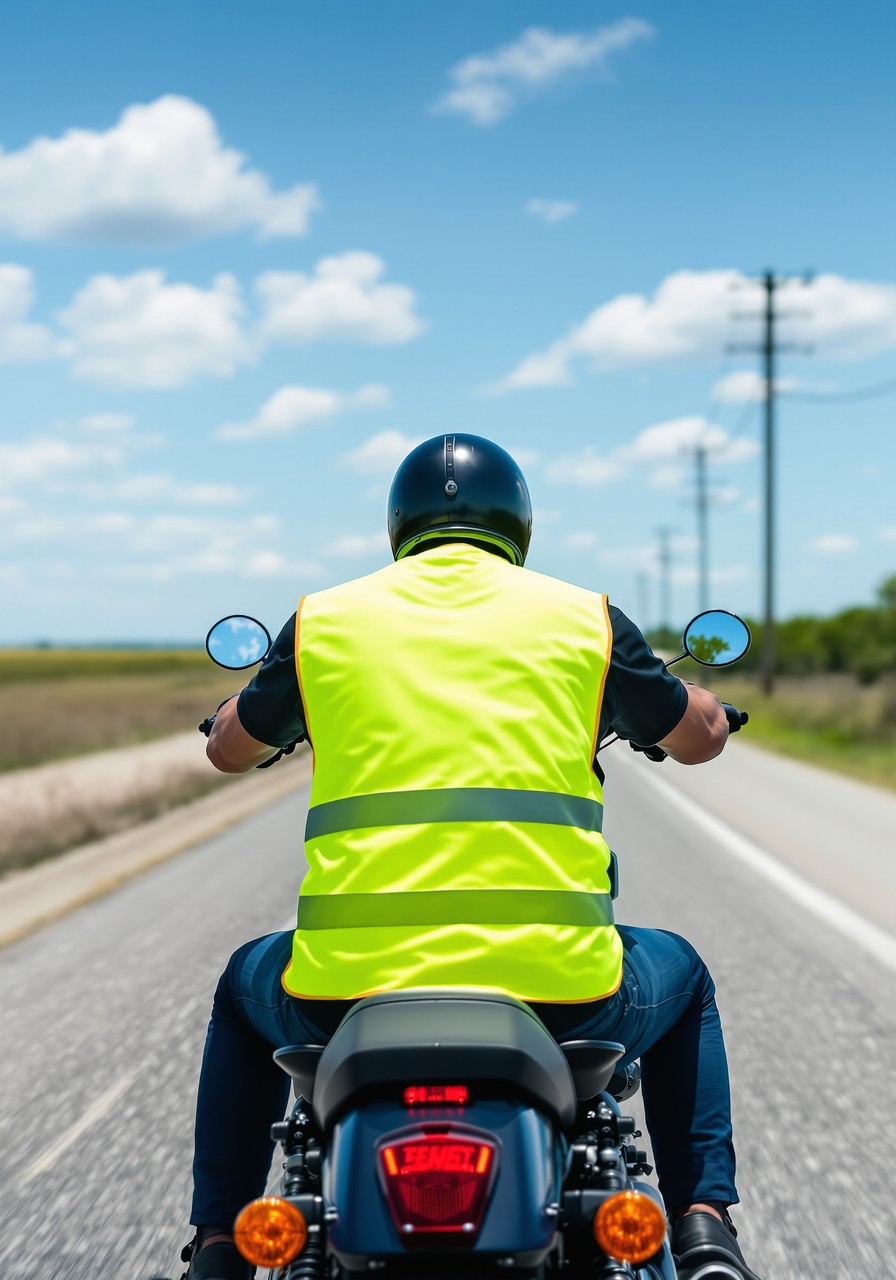
Your helmet is required for every rider and passenger in California under CVC 27803. Make sure a passenger's helmet fits and is fastened before you roll. Questions? Call Banker's Hill Law Firm at (619) 230-0330. #RideNationSD #RideSafe #HelmetLaw
Engagement
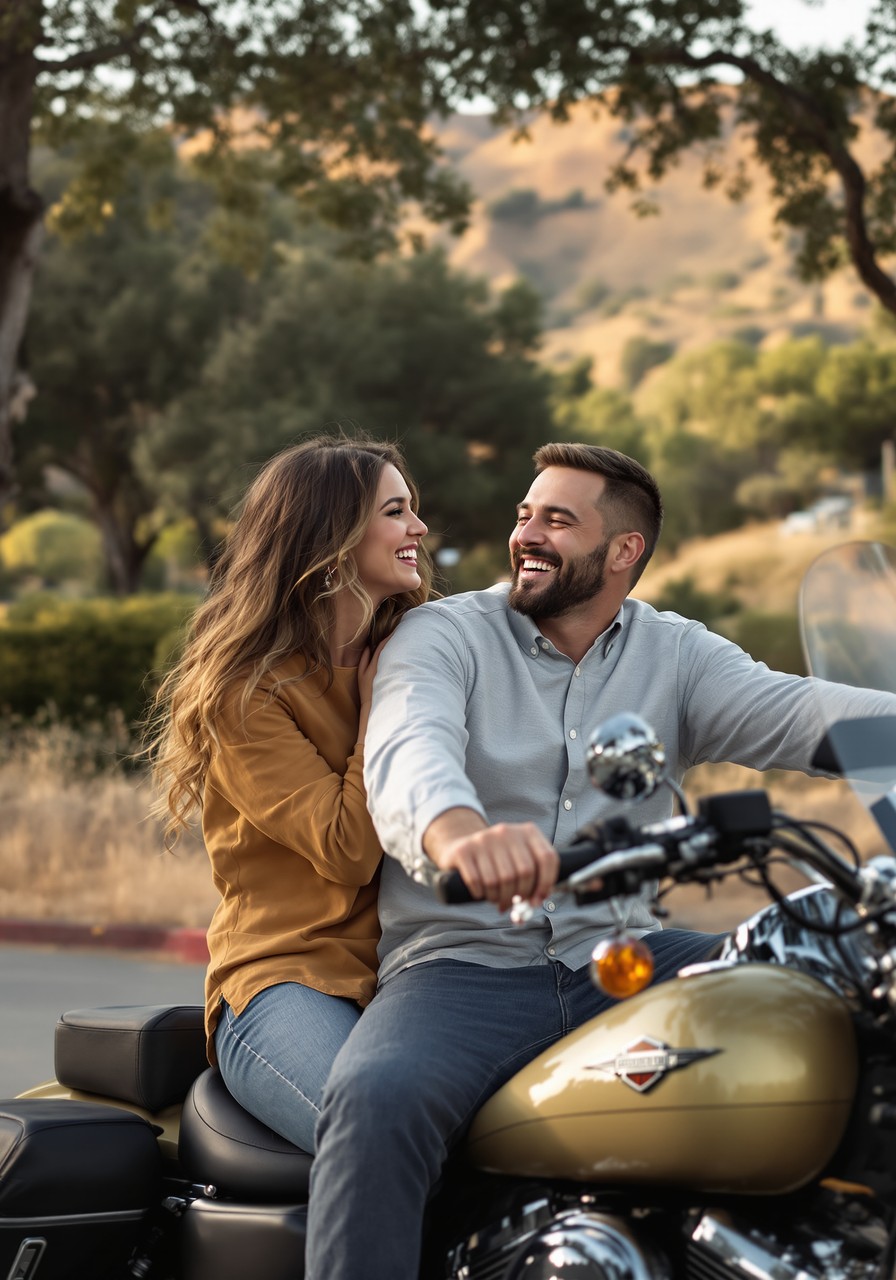
This or that: desert quiet in Anza-Borrego or ocean roar along Sunset Cliffs? Choose your escape. #RideNationSD #SanDiego #SoCalRiders
Giveaway & Countdown
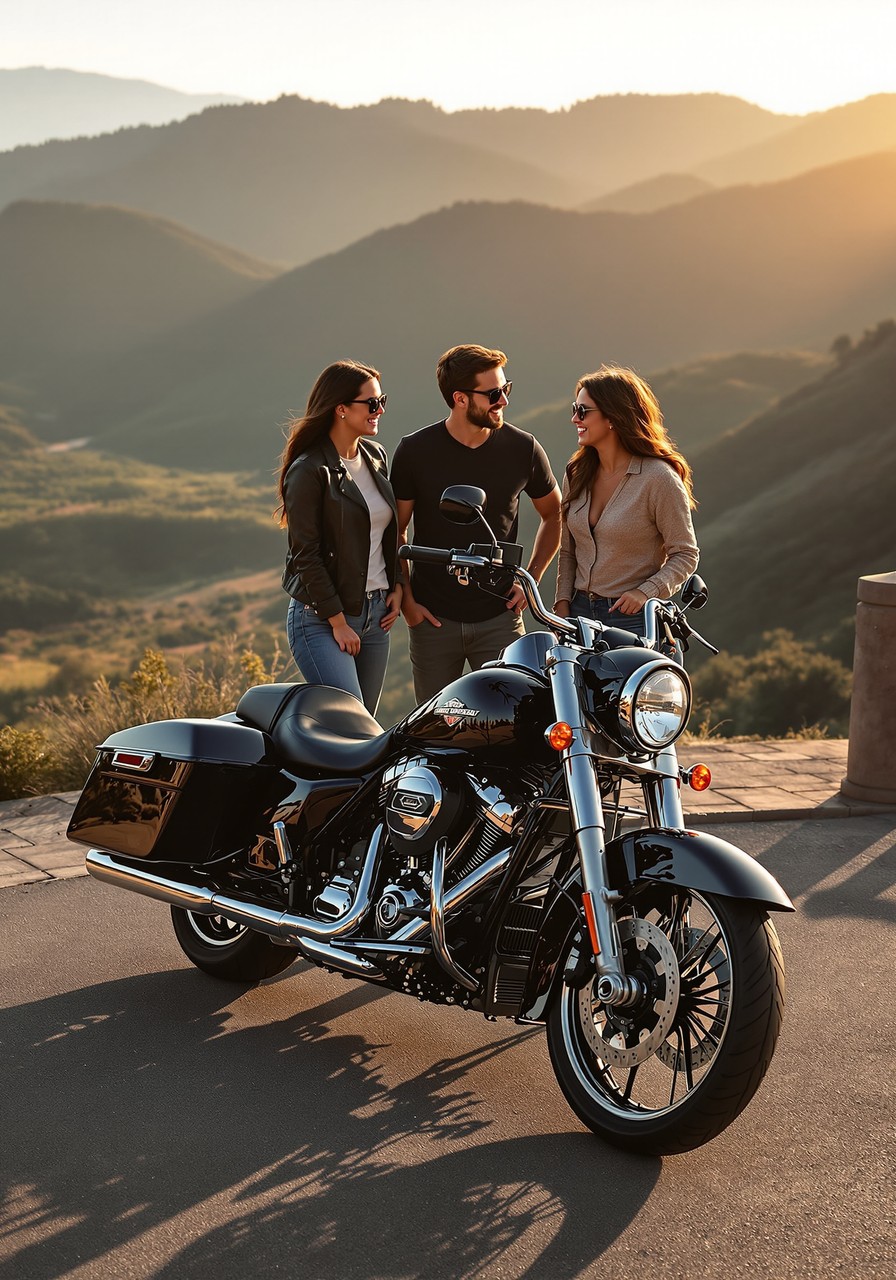
San Diego riders trust Banker's Hill Law Firm, and now that conversation could mean $20,000. Entry is free. Drawing December 10. #RideNationSD #BikersWin #20kGiveaway
Local San Diego & Rides
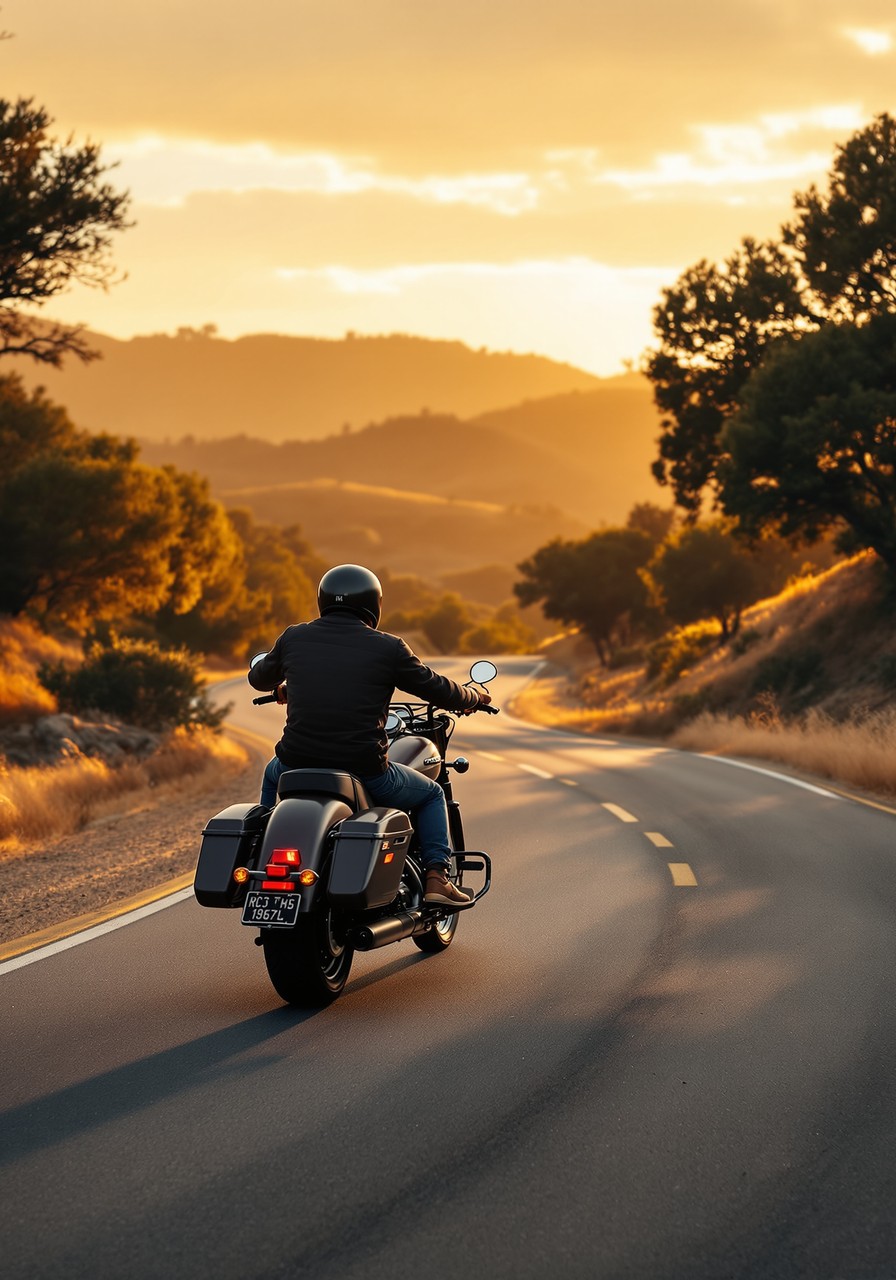
Cool marine layer this morning? Perfect excuse to sip coffee and roll out once it lifts. #RideNationSD #SanDiego #SoCalRiders #CoffeeAndBikes
Gear & New Iron
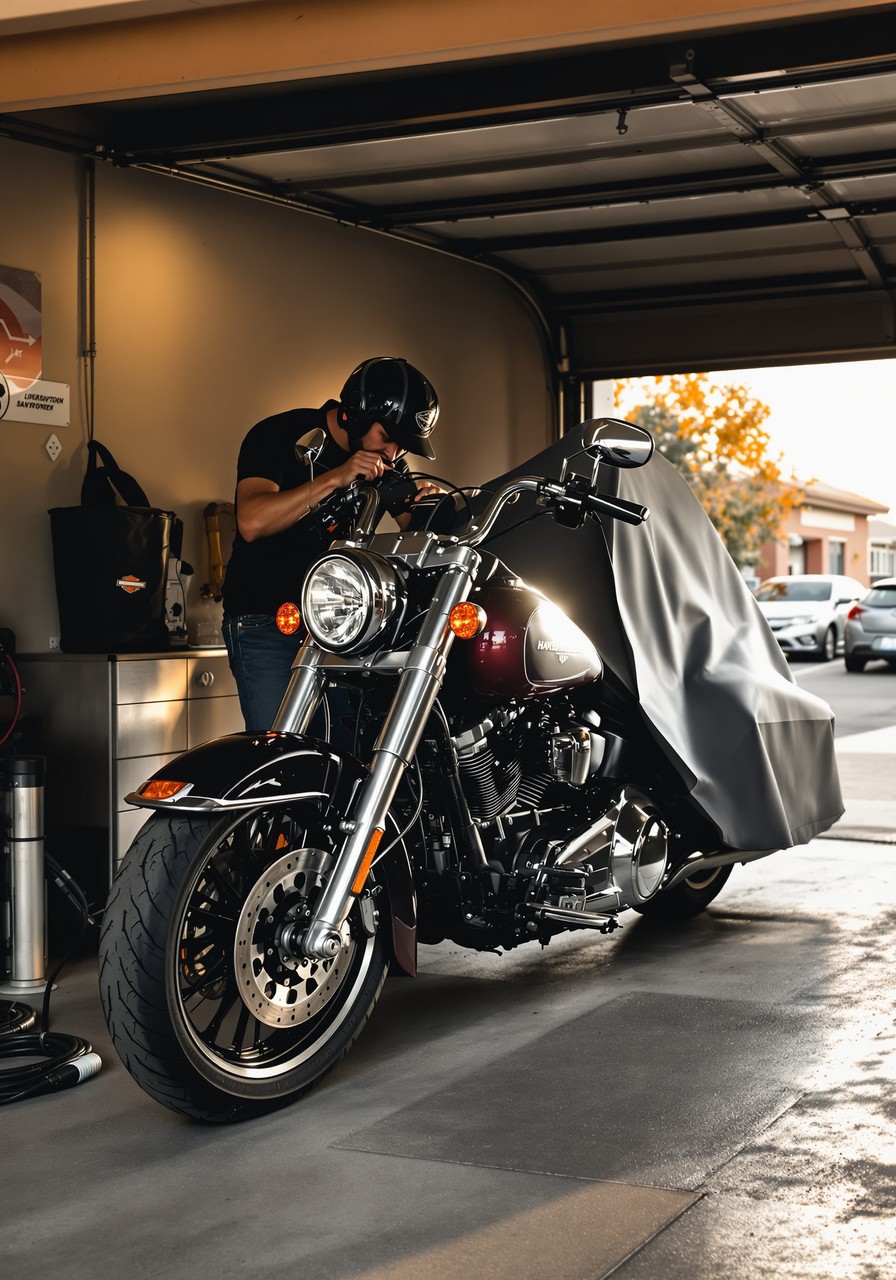
Clean and treat your leathers before the wet season and they shrug off the drizzle instead of soaking it up. #RideNationSD #MotorcycleGear #GearUp #SoCalRiders
Safety & California Law
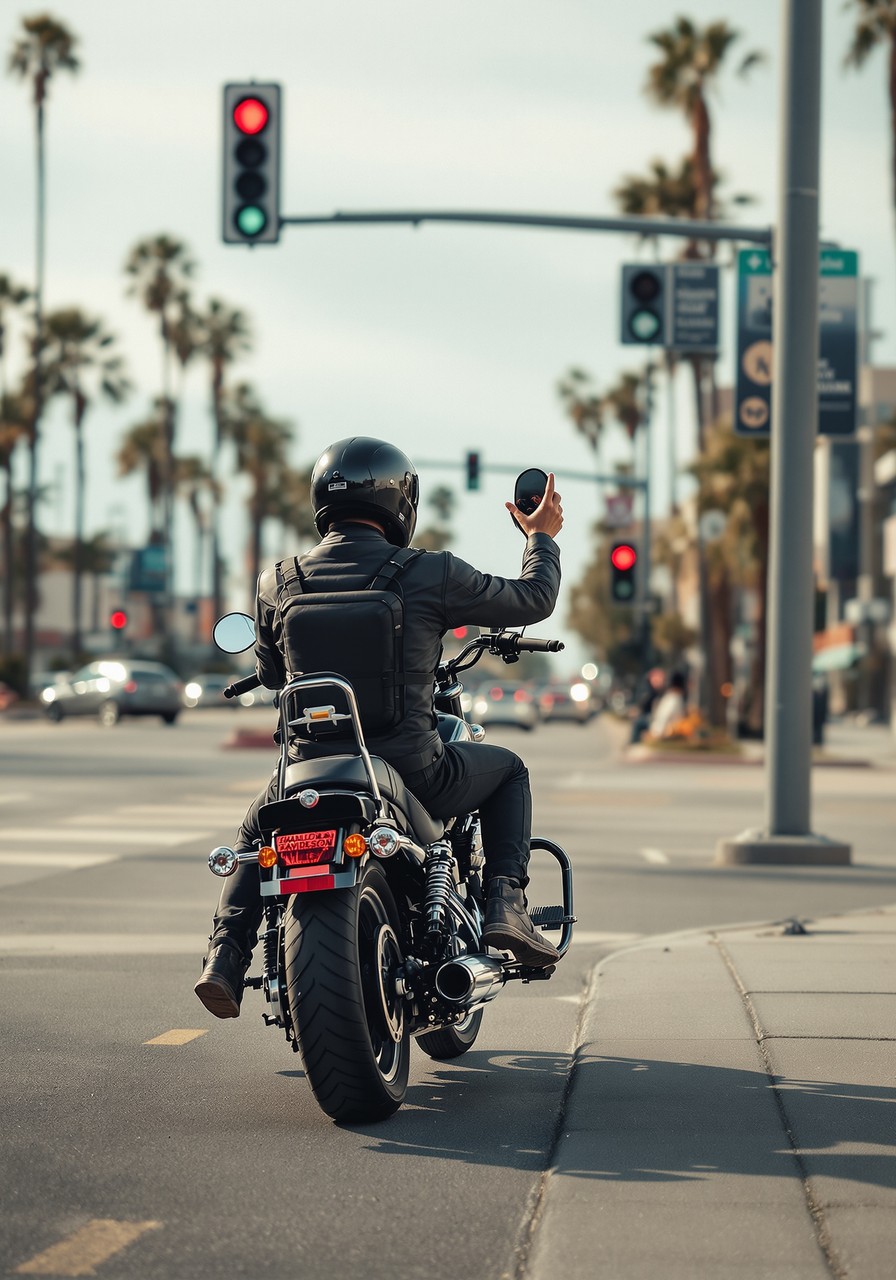
Assume you are invisible at intersections. Position for sight lines, cover the brakes, and never trust that a waiting driver has clocked your headlight. #RideNationSD #RideSafe #IntersectionSafety
Engagement
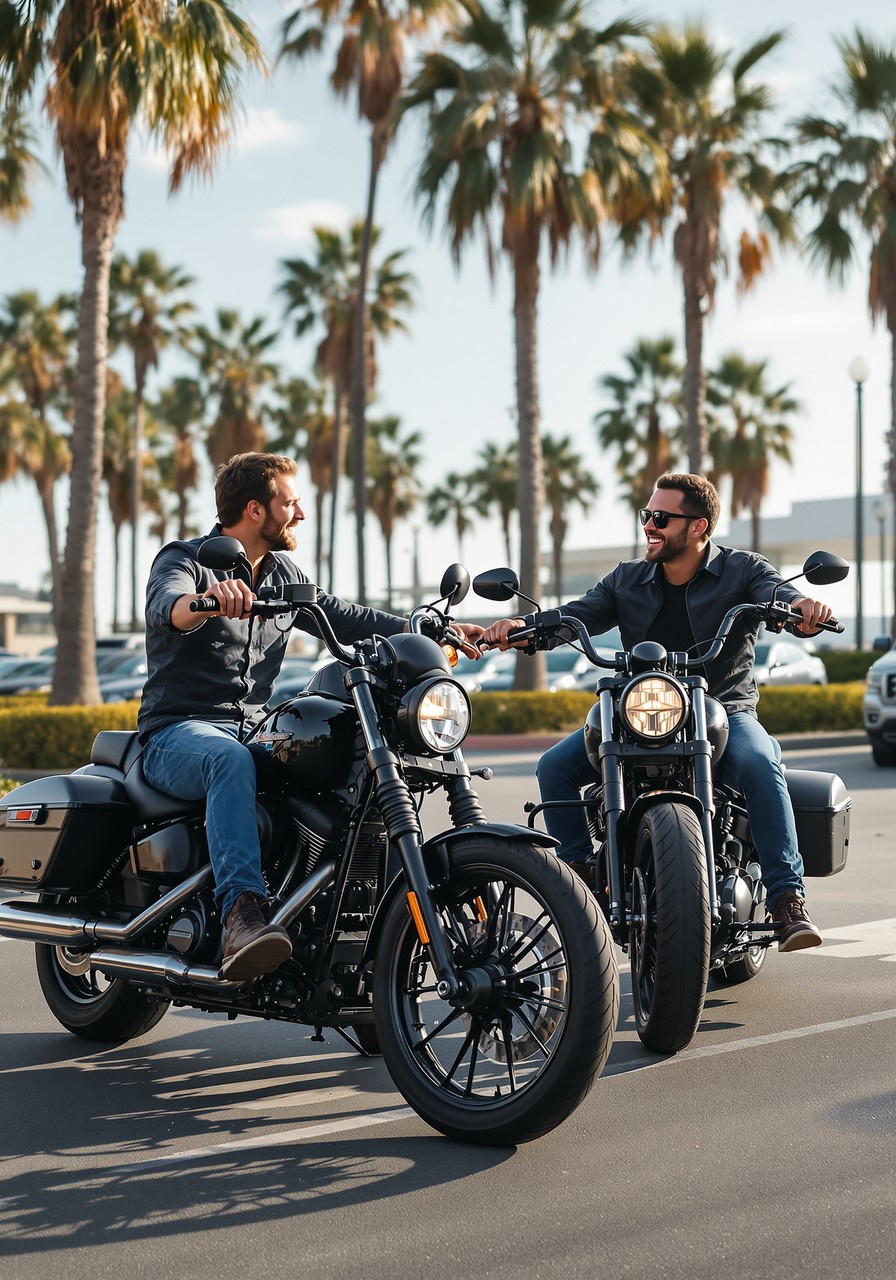
Caption this: the view when the fog finally lifts over the coast and the whole ride opens up. #RideNationSD #SanDiego #SanDiegoMoto
Giveaway & Countdown
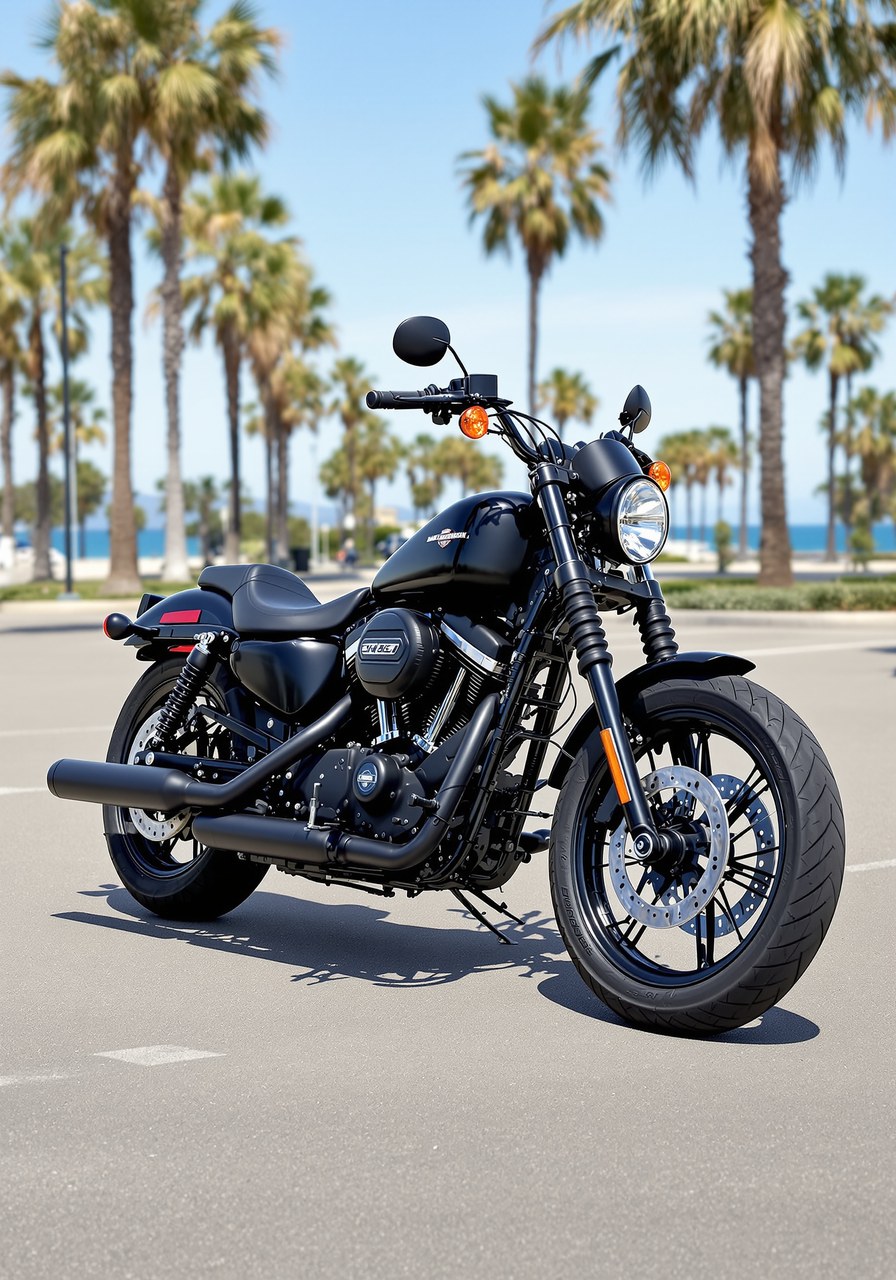
Here's your how-to-enter: one call to Banker's Hill Law Firm about your motorcycle crash. That's it. You're entered for free in the $20,000 giveaway. (619) 230-0330. #RideNationSD #BikersWin
Local San Diego & Rides
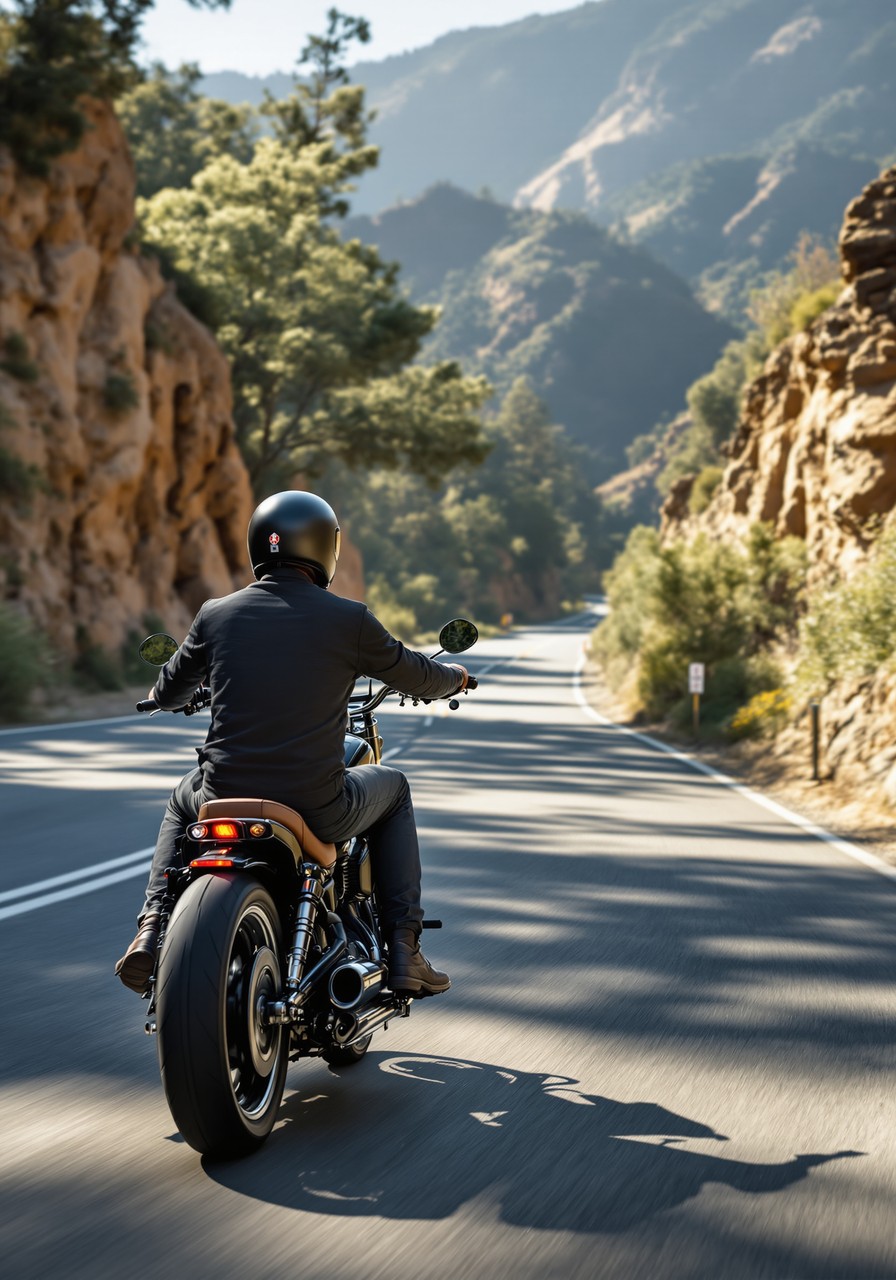
CA-163 to Balboa Park makes even a quick errand feel like a scenic route. Lucky us. #RideNationSD #SanDiego #BalboaPark #SoCalRiders
Gear & New Iron
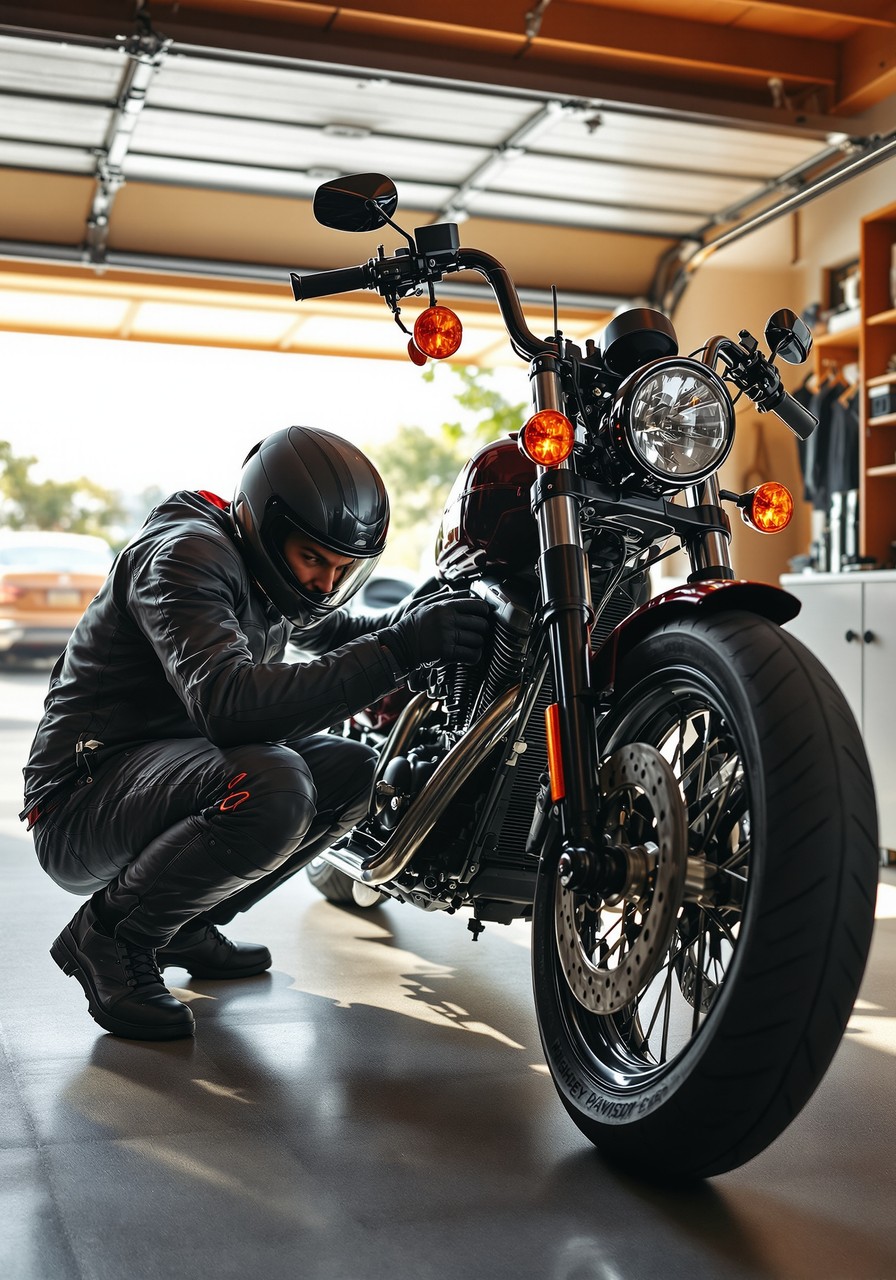
A tank bag or small tail pack means you always carry rain gear, a tire plug kit, and snacks. Prepared riders ride farther. #RideNationSD #GearUp #MotorcycleGear #RideSafe
Safety & California Law
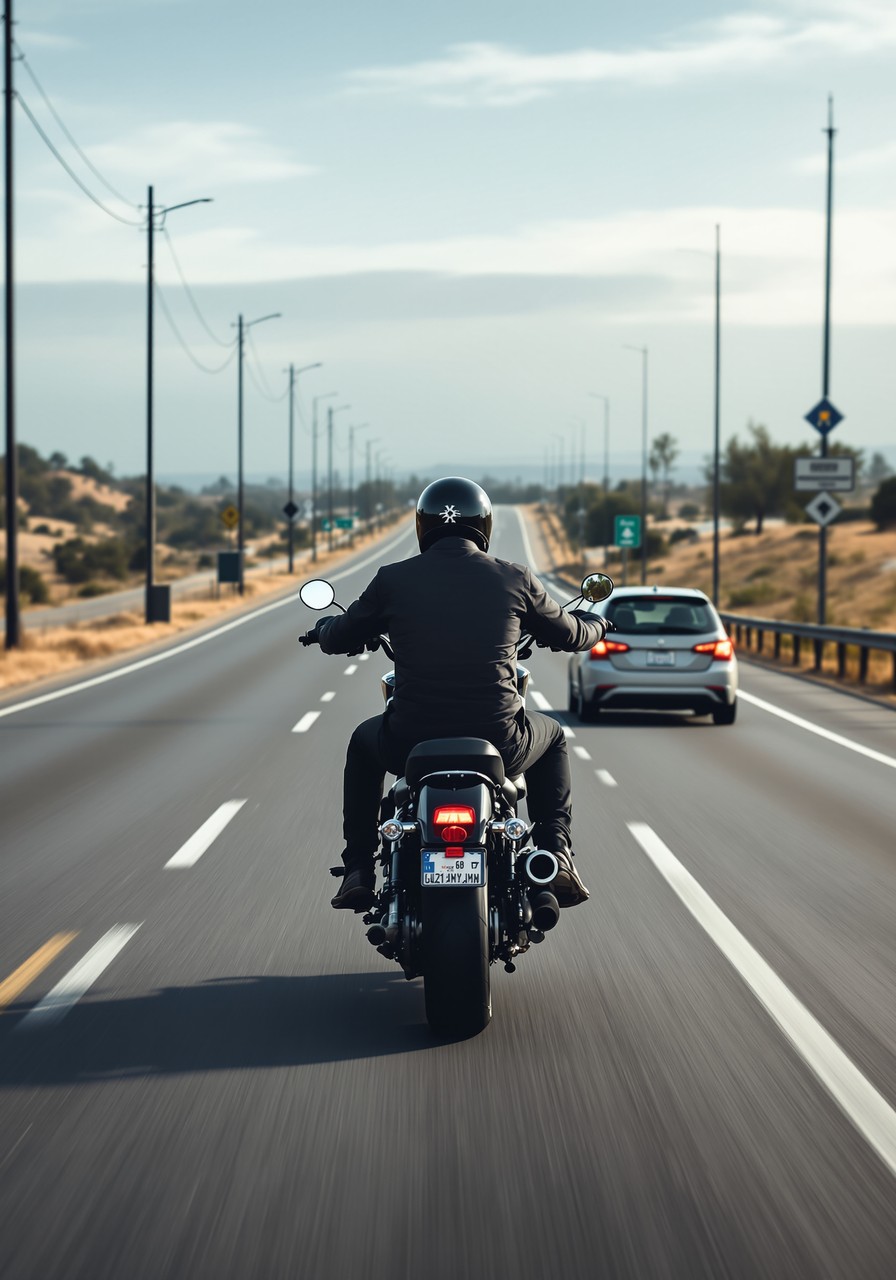
Uninsured and underinsured drivers are common on California roads, and your UM/UIM coverage is what steps in when theirs falls short. Review your limits today. Questions? Call Banker's Hill Law Firm at (619) 230-0330. #RideNationSD #RideSafe #UMUIM
Engagement
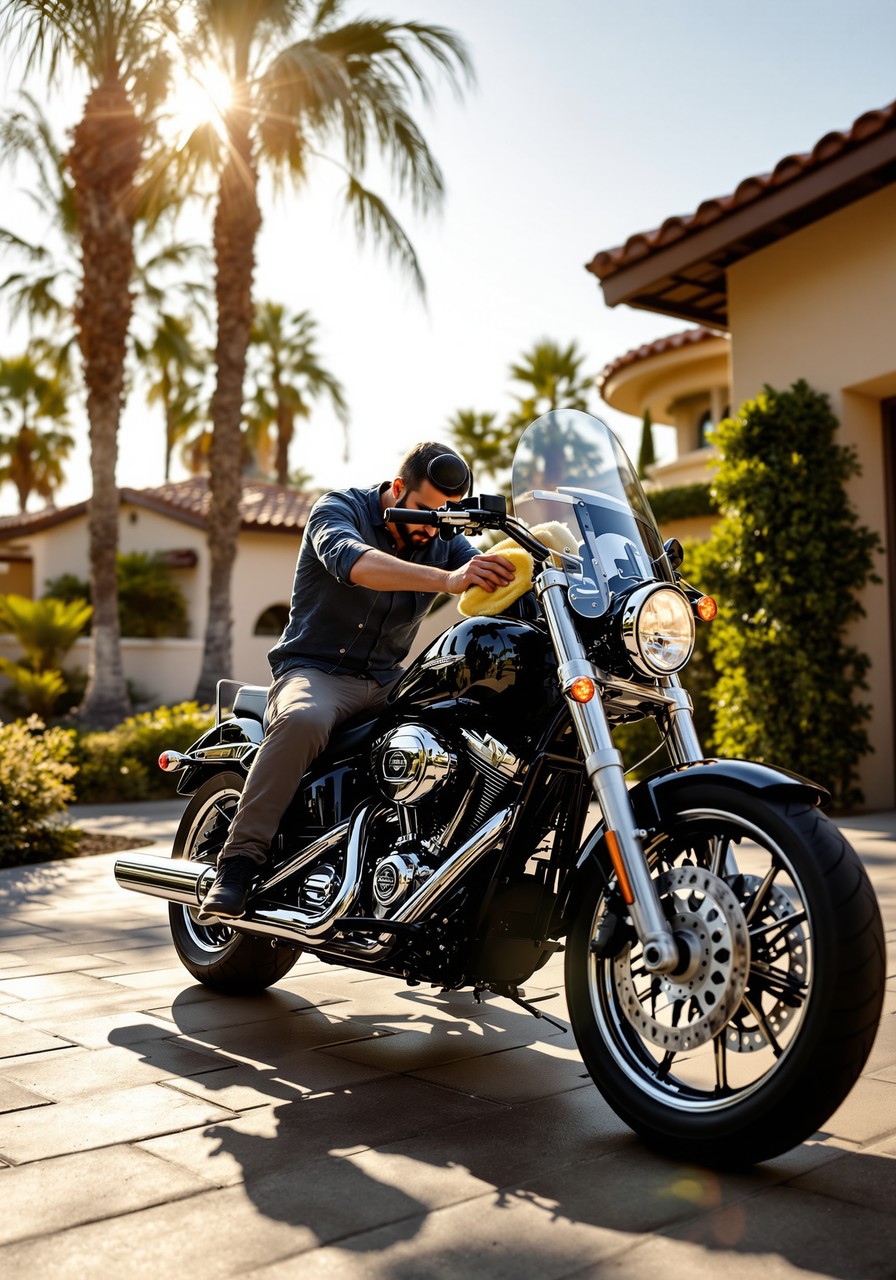
Fill in the blank: you have not really ridden San Diego until you have done ______. #RideNationSD #SoCalRiders #SanDiego
Giveaway & Countdown
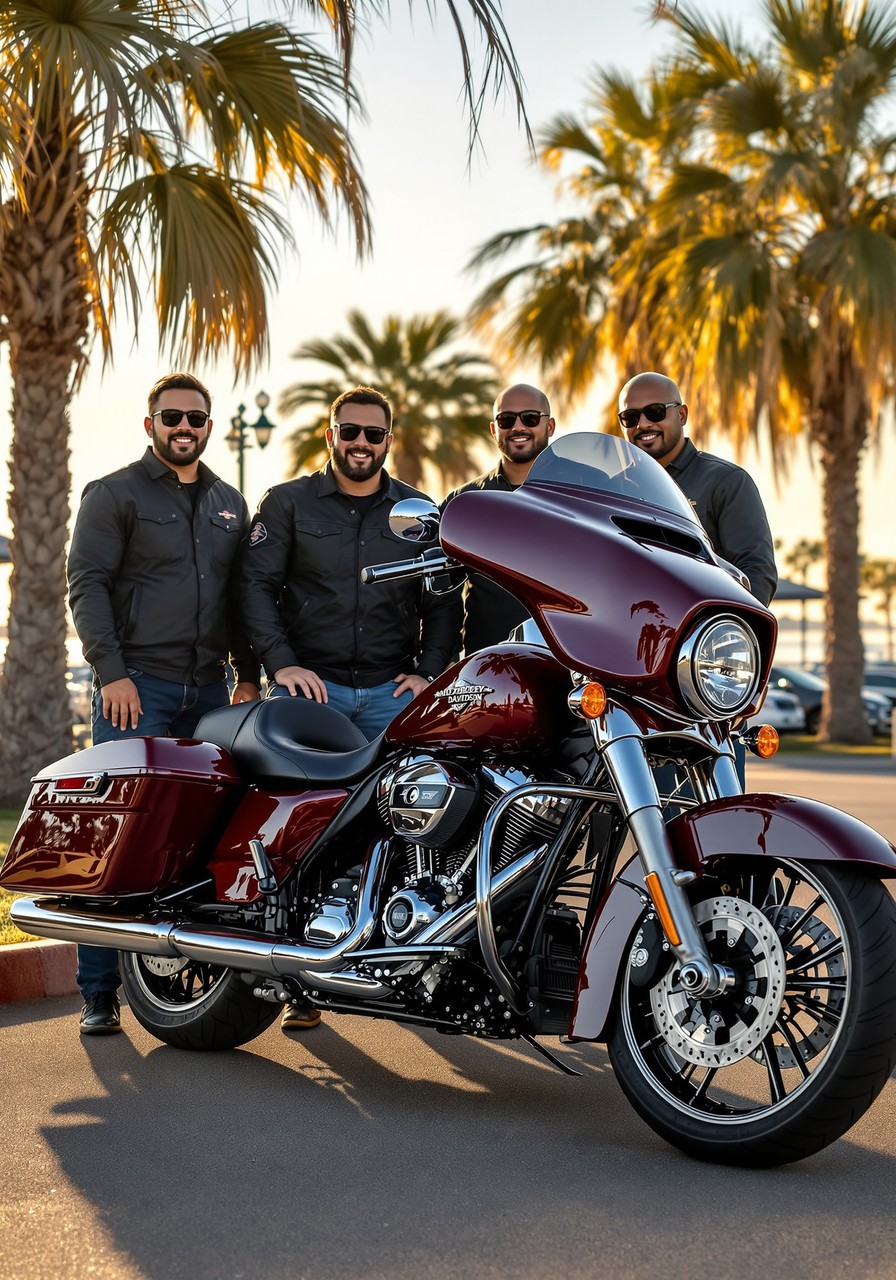
The garage of your dreams starts with a conversation. Talk crash with us, get entered for free, and watch for the December 10 drawing. bhlflaw.com. #RideNationSD #20kGiveaway
Local San Diego & Rides
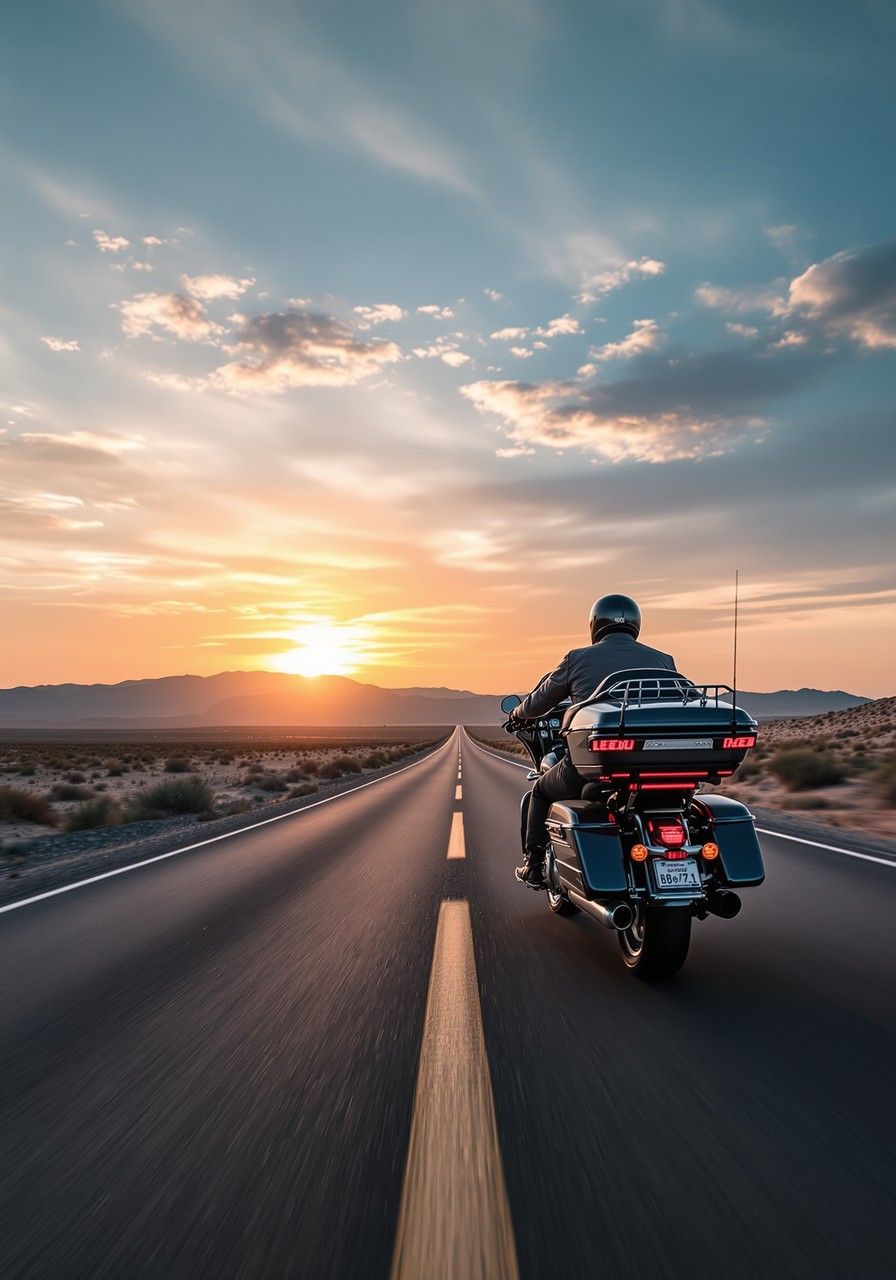
Backcountry Ramona roads are best early, before the day heats up and the light goes flat. #RideNationSD #Ramona #SanDiego #SoCalRiders
Gear & New Iron
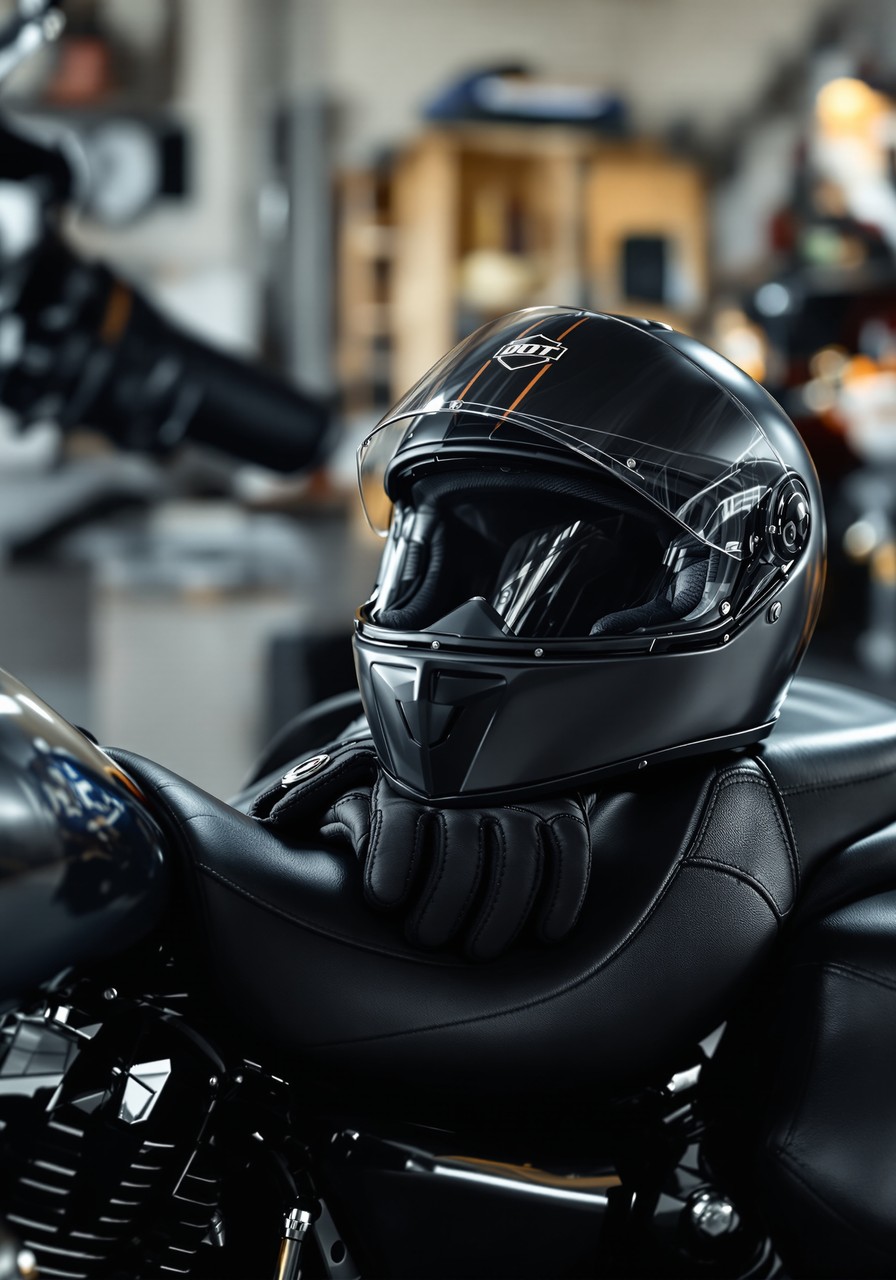
Chest armor upgrades in a jacket are the quiet hero of ATGATT. If the pocket is there, fill it before your next ride. #RideNationSD #ATGATT #RideSafe #GearUp
Safety & California Law
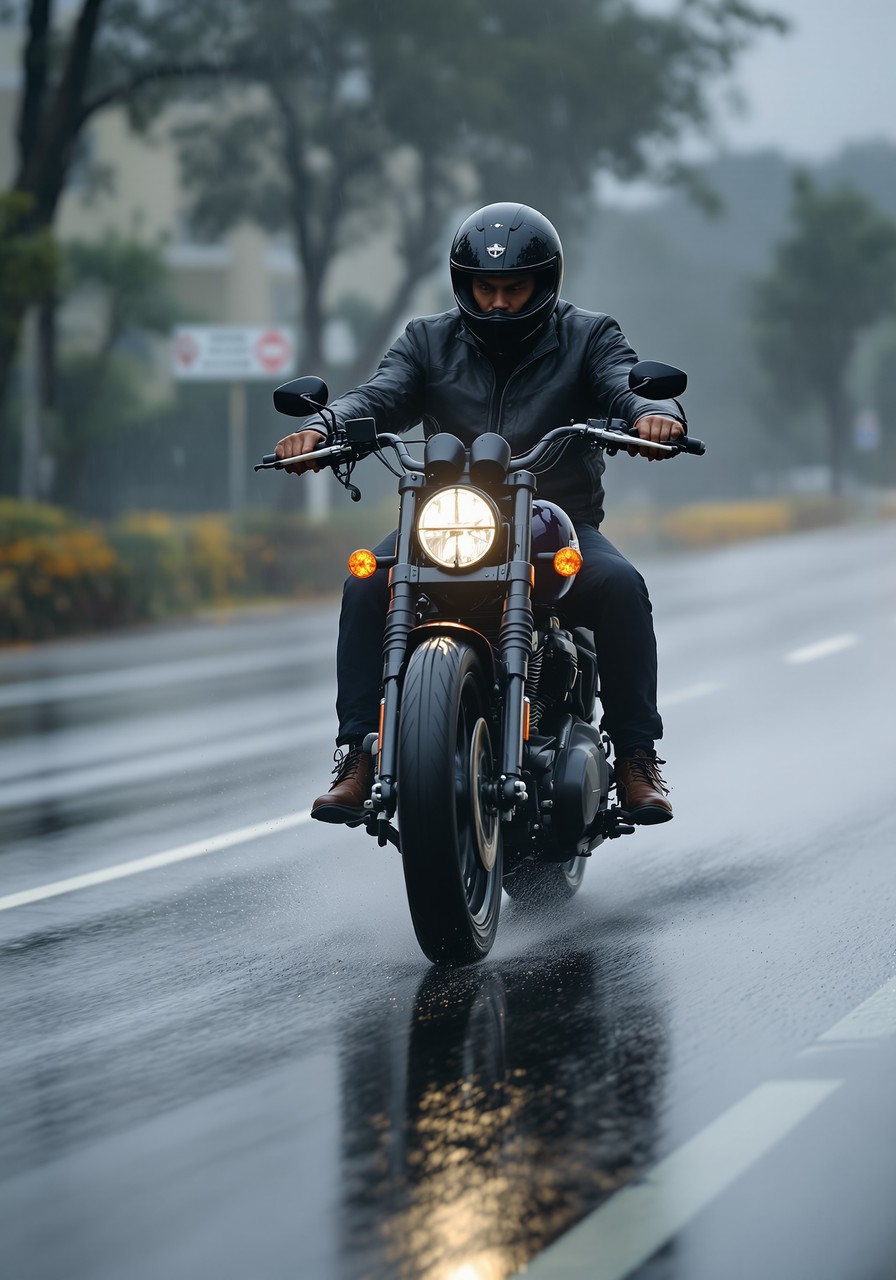
Palomar Mountain rewards a smooth rider. Set your entry speed before the turn, stay off the brakes mid-corner, and keep your eyes up toward the exit. #RideNationSD #RideSafe #CanyonRoads
Engagement
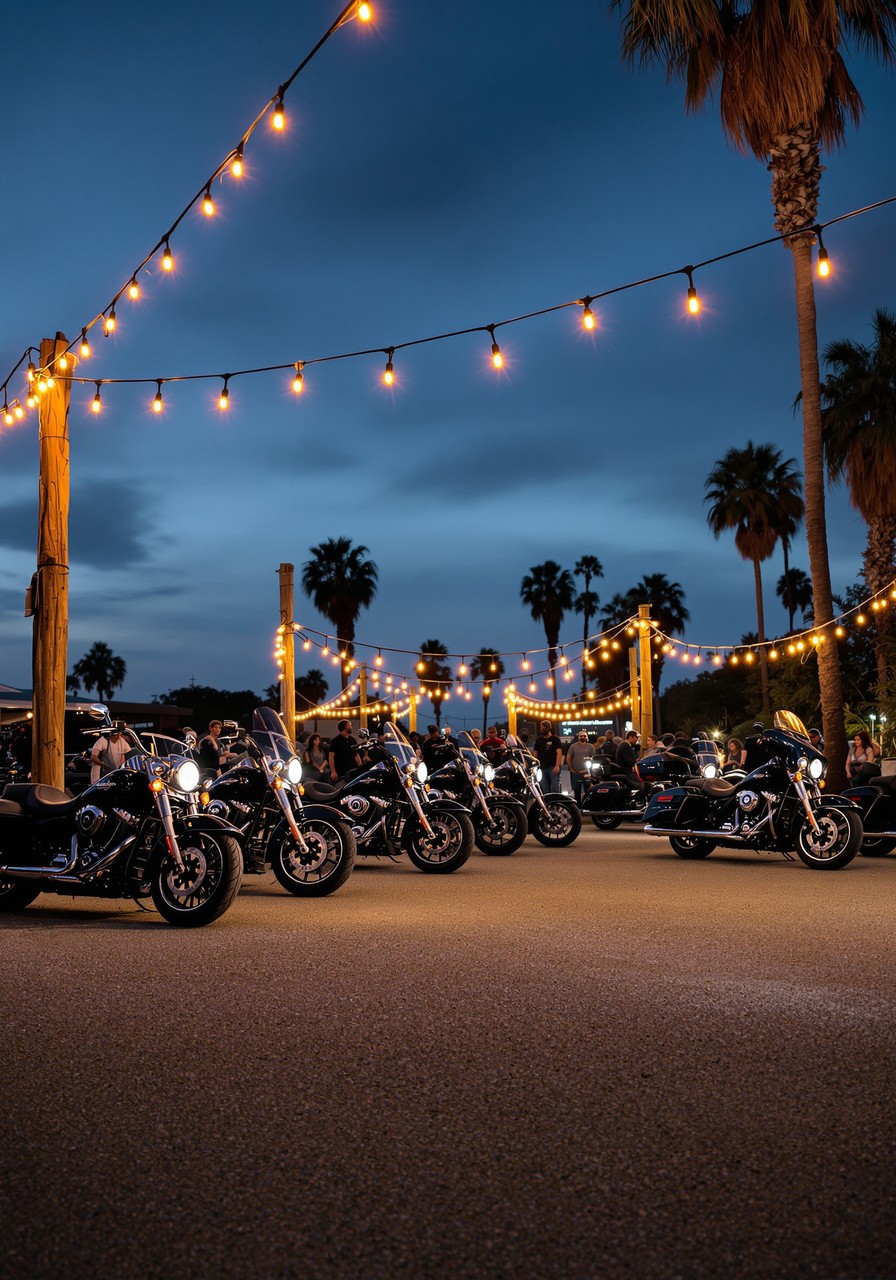
Tag someone who needs to experience Sunrise Highway S1 for the first time this season. #RideNationSD #SunriseHighway #SoCalRiders
Giveaway & Countdown
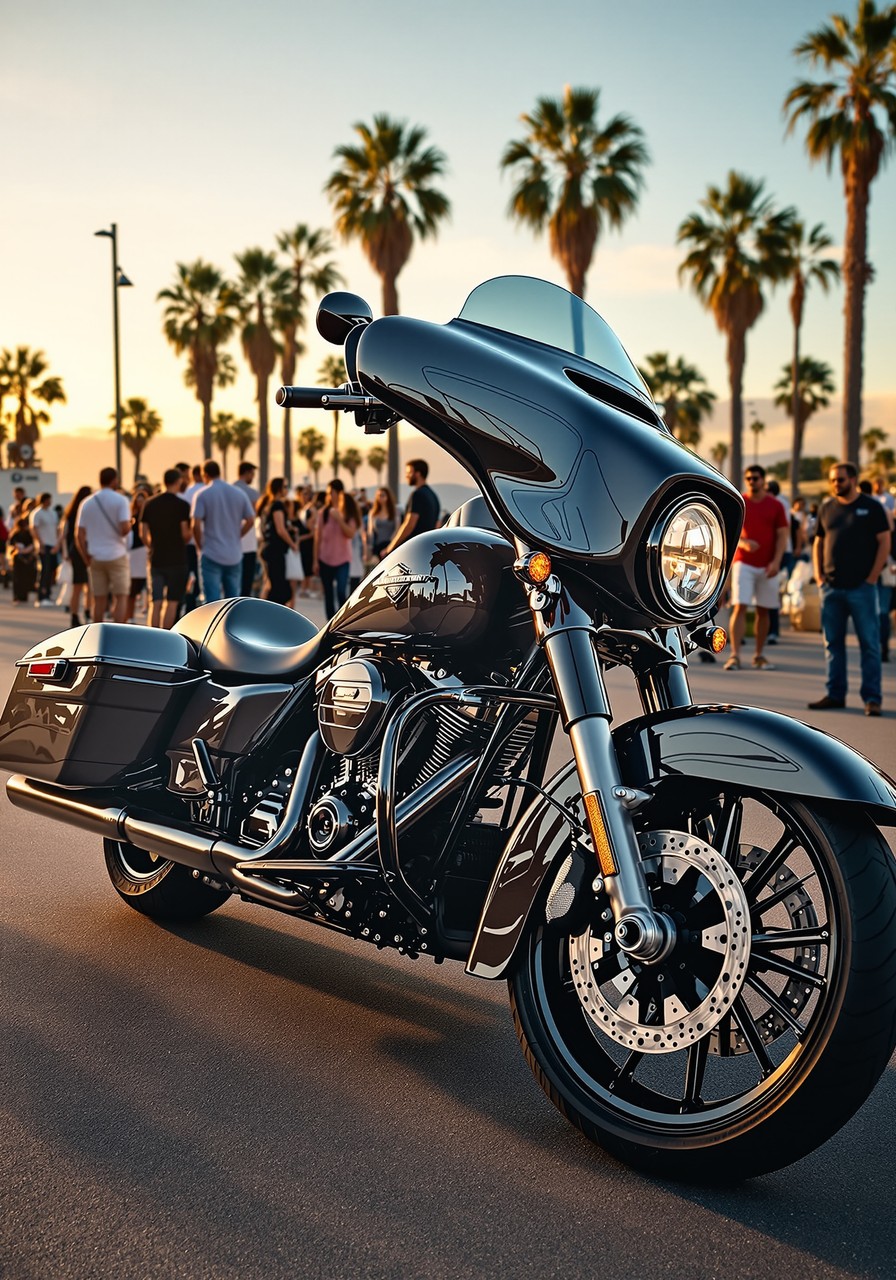
Countdown check: December 10 is almost here. Have you gotten your free entry in the $20,000 BikersWin giveaway yet? Call (619) 230-0330 to ask. #RideNationSD #BikersWin #20kGiveaway
Local San Diego & Rides
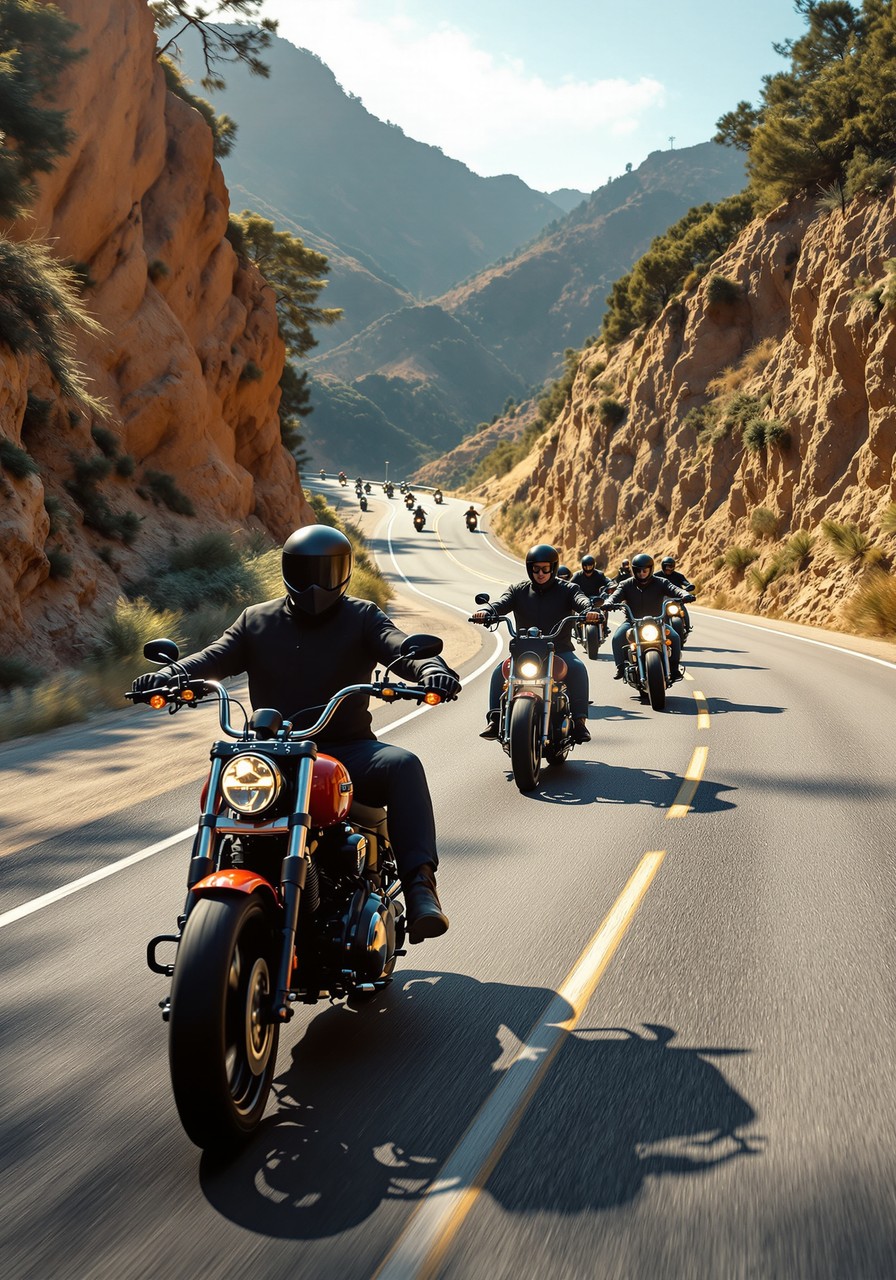
Lake Cuyamaca and the Cuyamaca peaks are a green, cool retreat after a dry desert week. #RideNationSD #Cuyamaca #SanDiego #SoCalRiders
Gear & New Iron
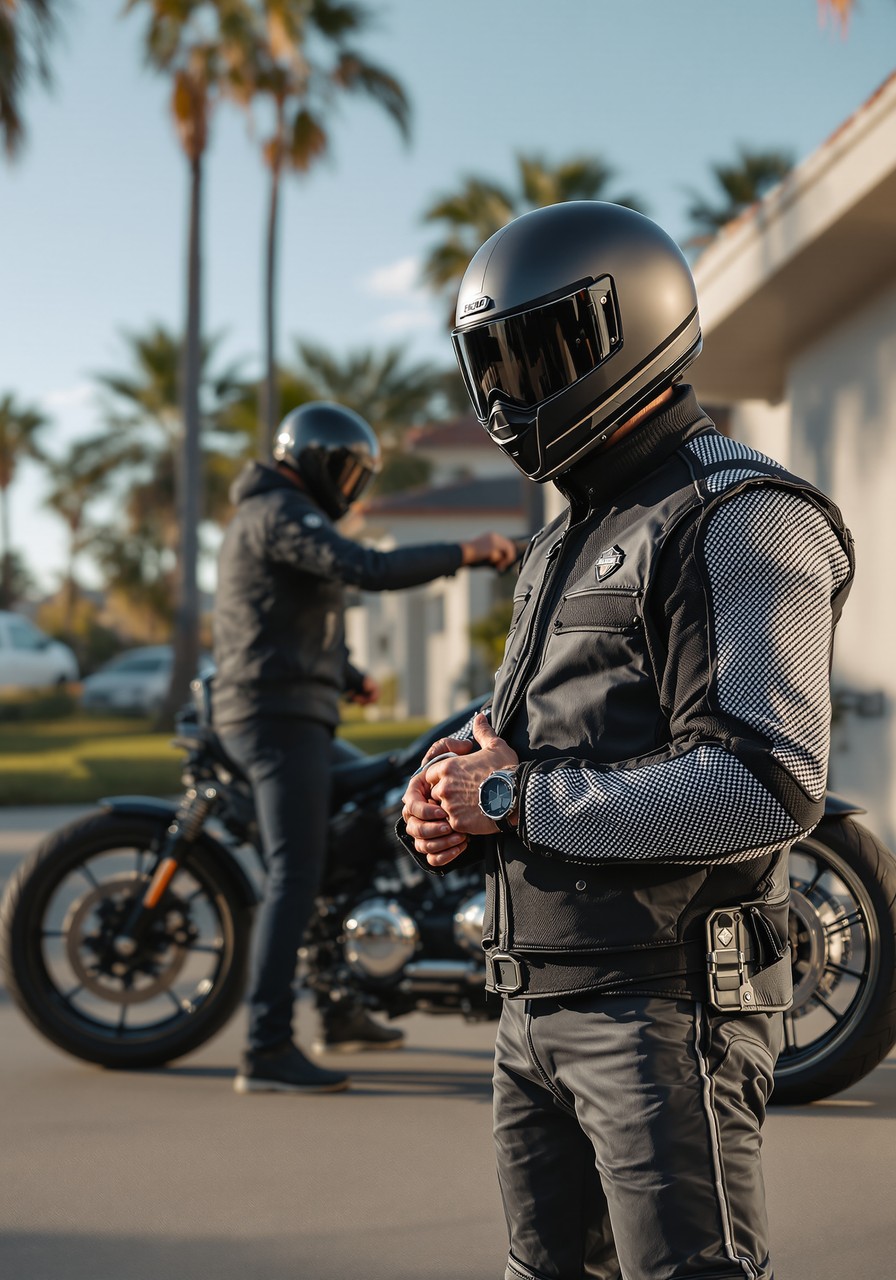
Fork seals weeping oil onto your front tire is a grip disaster waiting to happen. Catch it early, ride clean. #RideNationSD #RideSafe #MotorcycleGear #GearUp
Safety & California Law
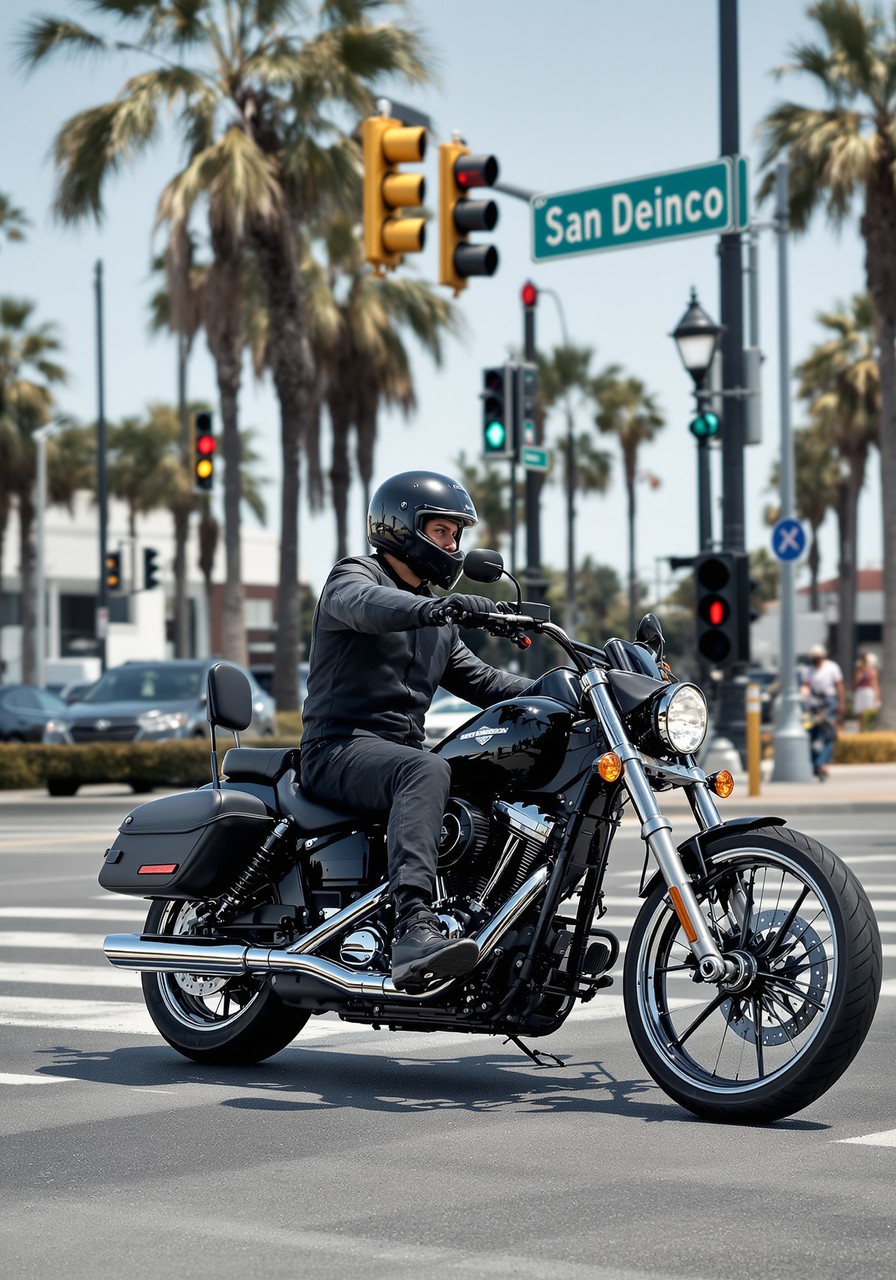
Do not post about your crash on social media. Insurers look, and a casual photo or caption can be taken out of context against your claim. Questions? Call Banker's Hill Law Firm at (619) 230-0330. #RideNationSD #RideSafe #CrashTips
Engagement
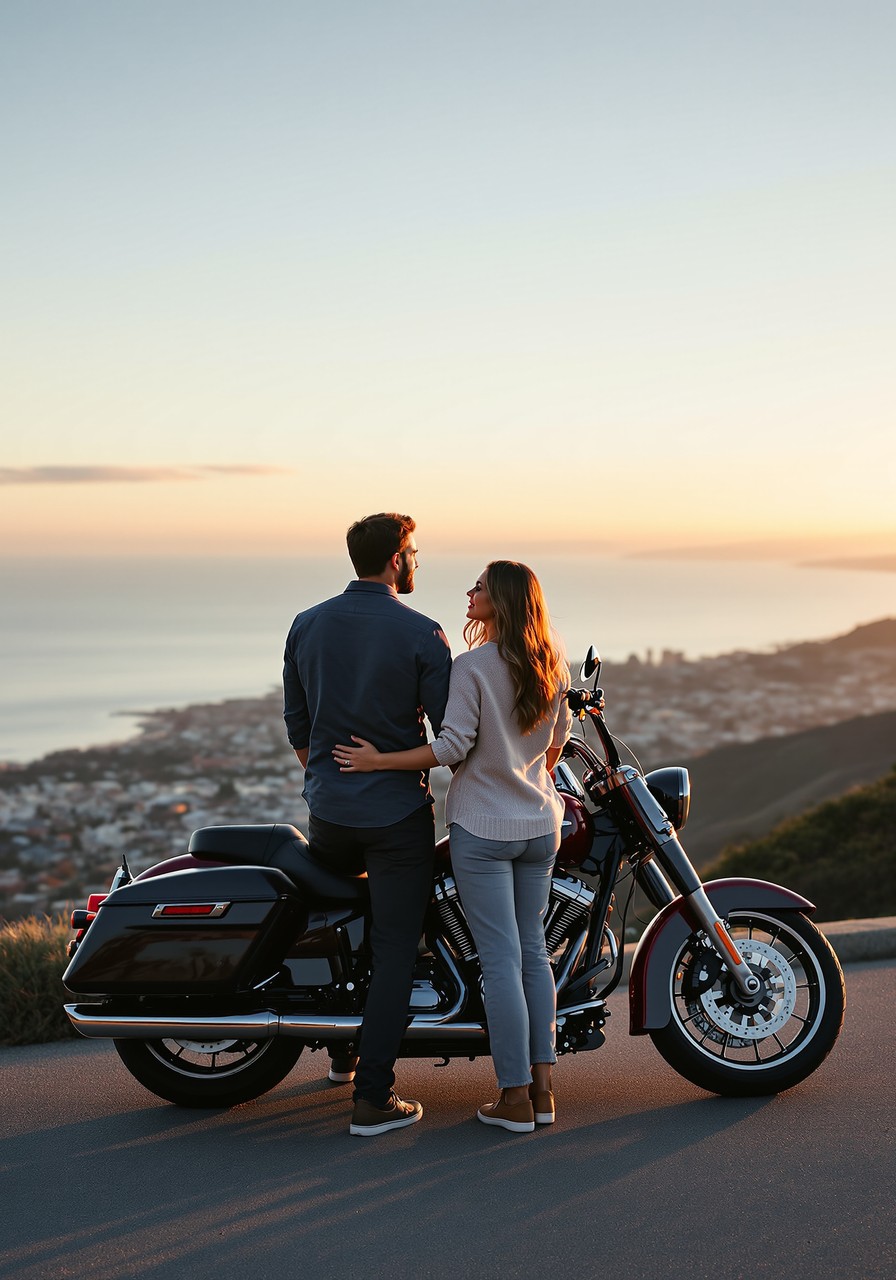
Poll: which mountain run wins your weekend, Palomar or the Lagunas? Drop a vote. #RideNationSD #PalomarMountain #SunriseHighway
Giveaway & Countdown
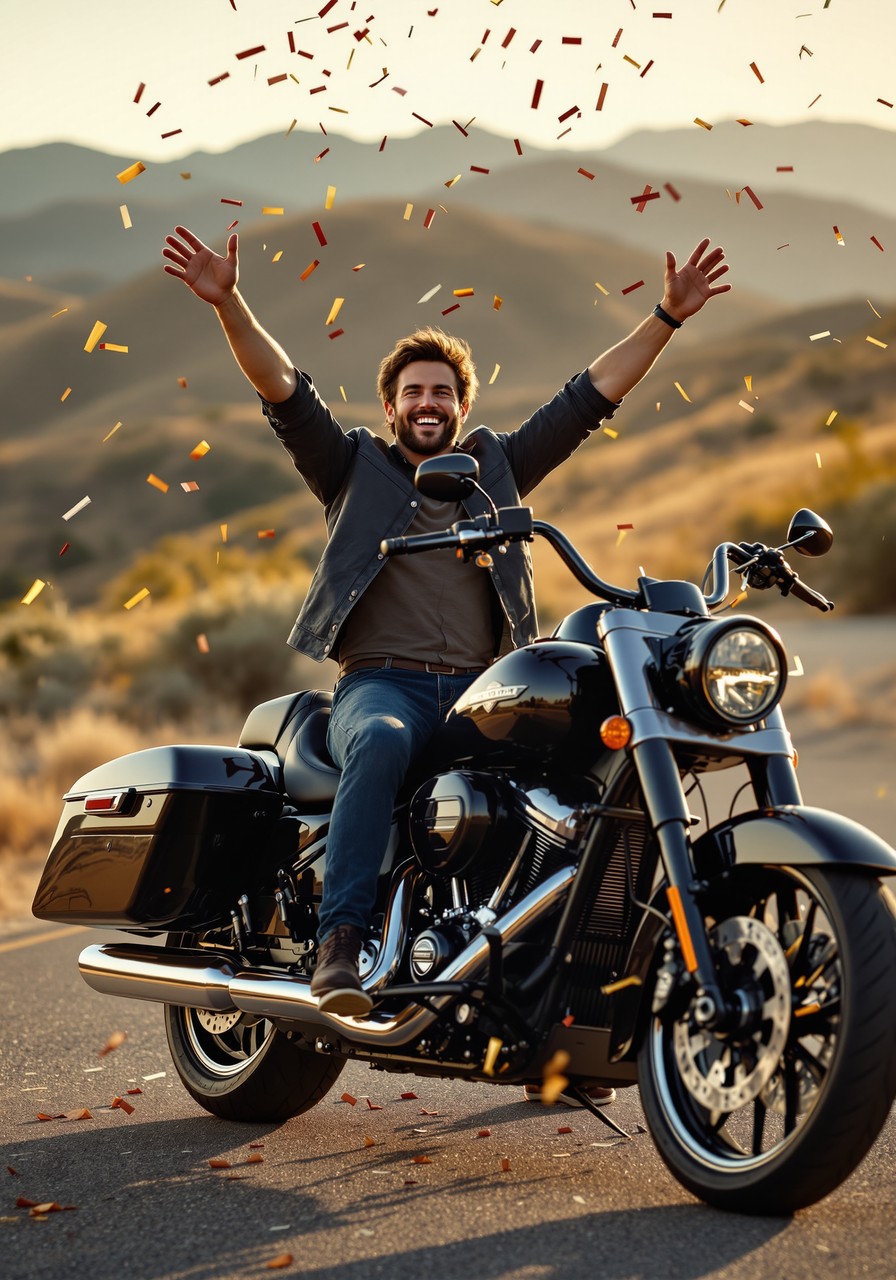
Riders talk, riders win. Every crash conversation with Banker's Hill Law Firm is a free entry in our $20,000 giveaway. Details waiting at bhlflaw.com. #RideNationSD #BikersWin
Local San Diego & Rides
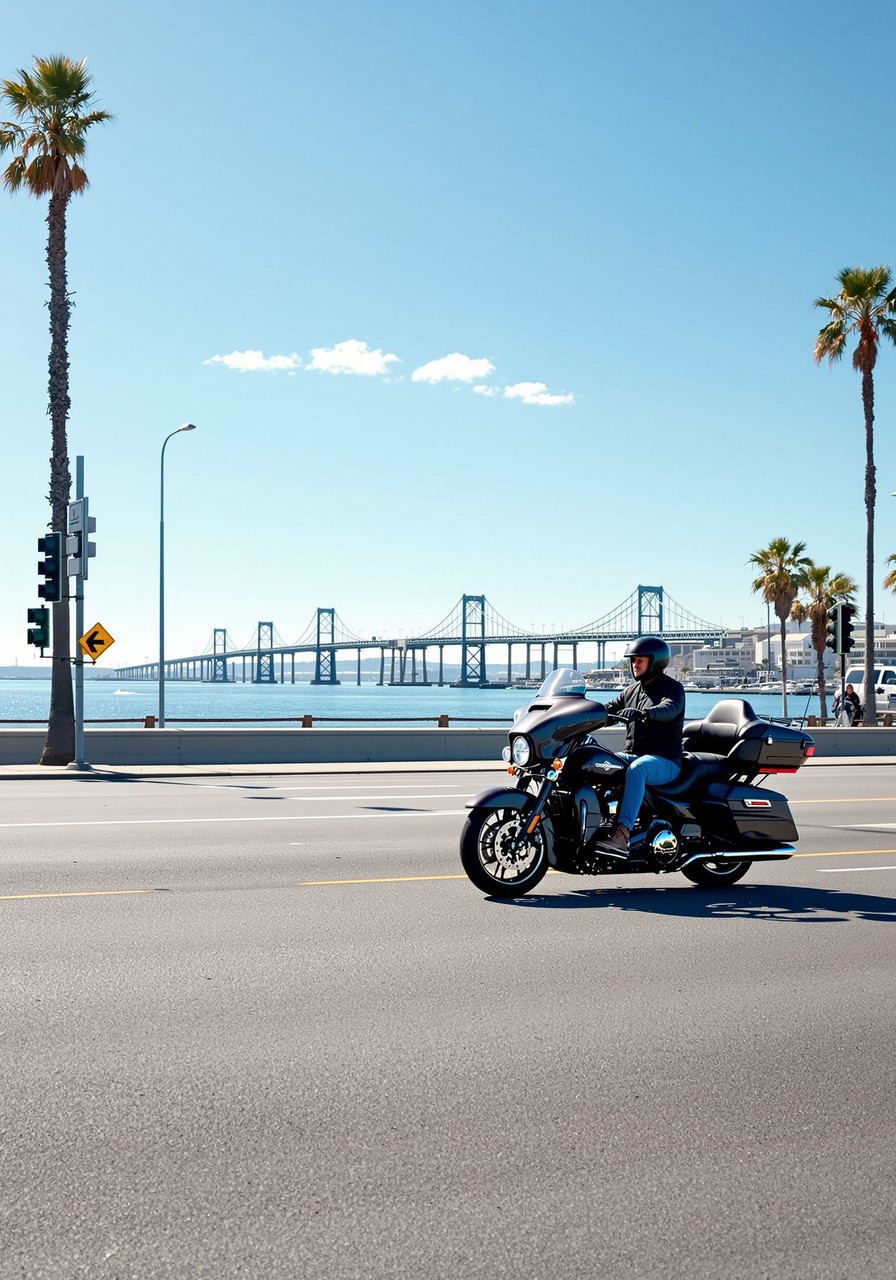
PCH north with the windows of the world wide open. The coast never charges admission. #RideNationSD #PCH #SanDiego #SoCalRiders
Gear & New Iron
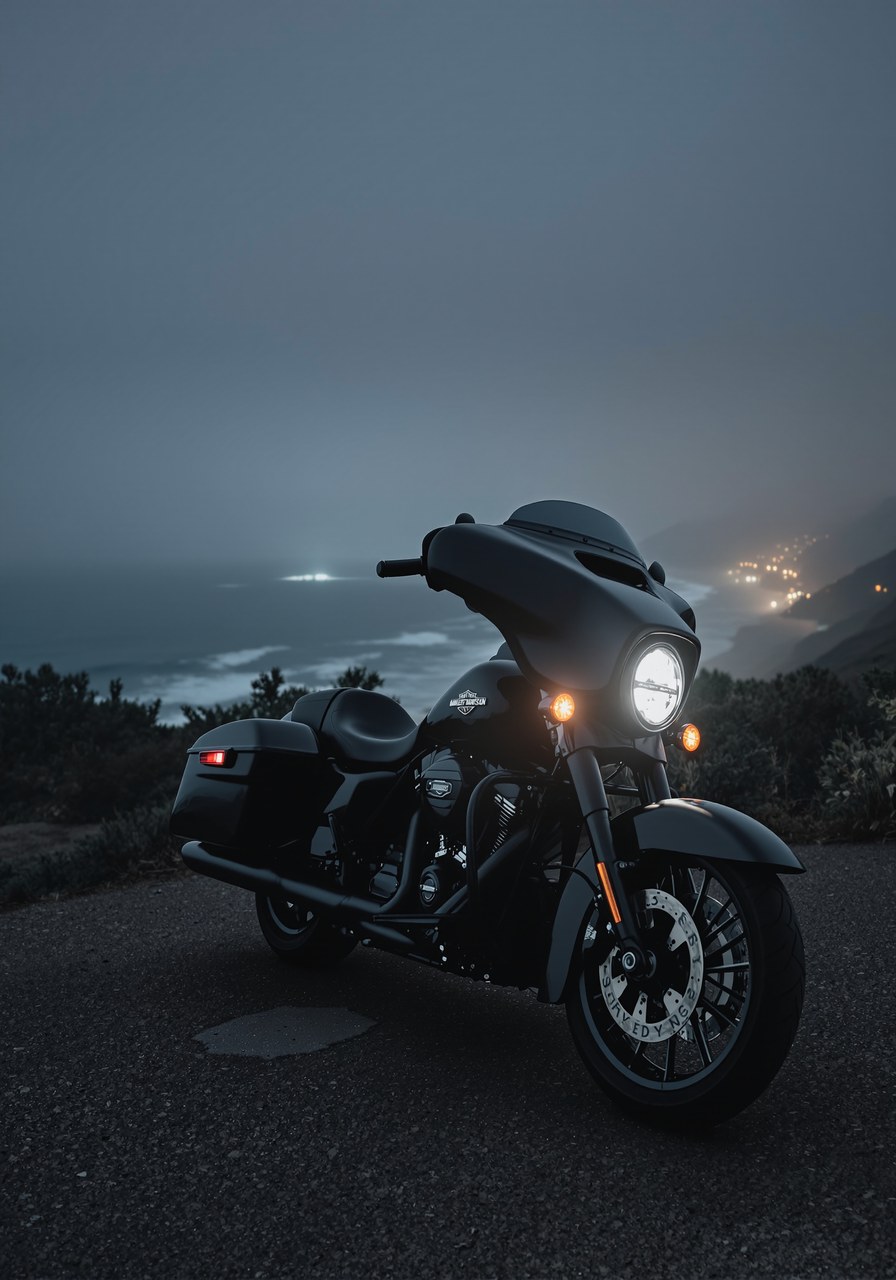
Auxiliary lights turn a foggy coast run into a clear one. See the corner before it sees you on those gray mornings. #RideNationSD #RideSafe #MotorcycleGear #SanDiego
Safety & California Law
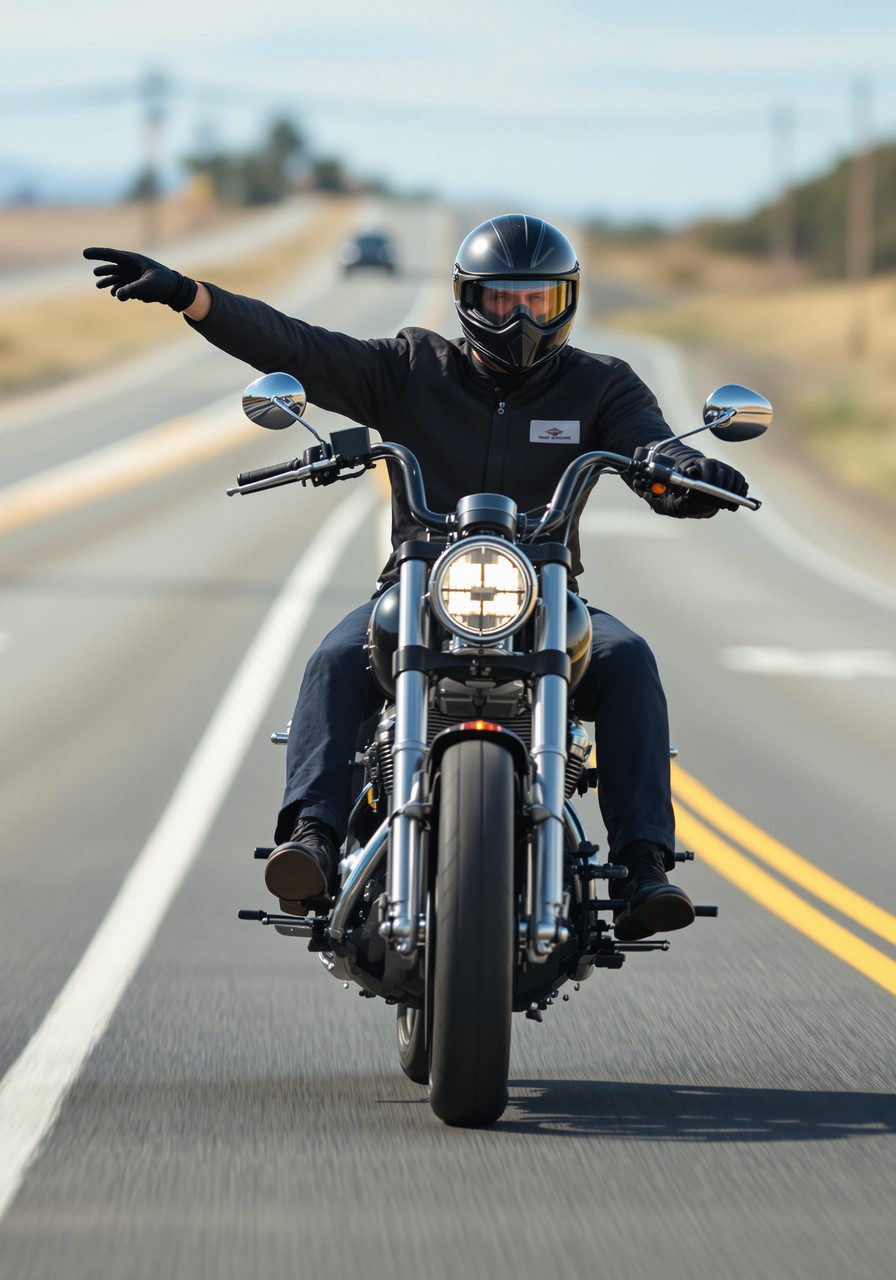
Because California is pure comparative negligence, gathering evidence of the other driver's fault directly shapes your recovery. Witnesses and photos carry weight. Questions? Call Banker's Hill Law Firm at (619) 230-0330. #RideNationSD #RideSafe #CaliforniaLaw
Engagement
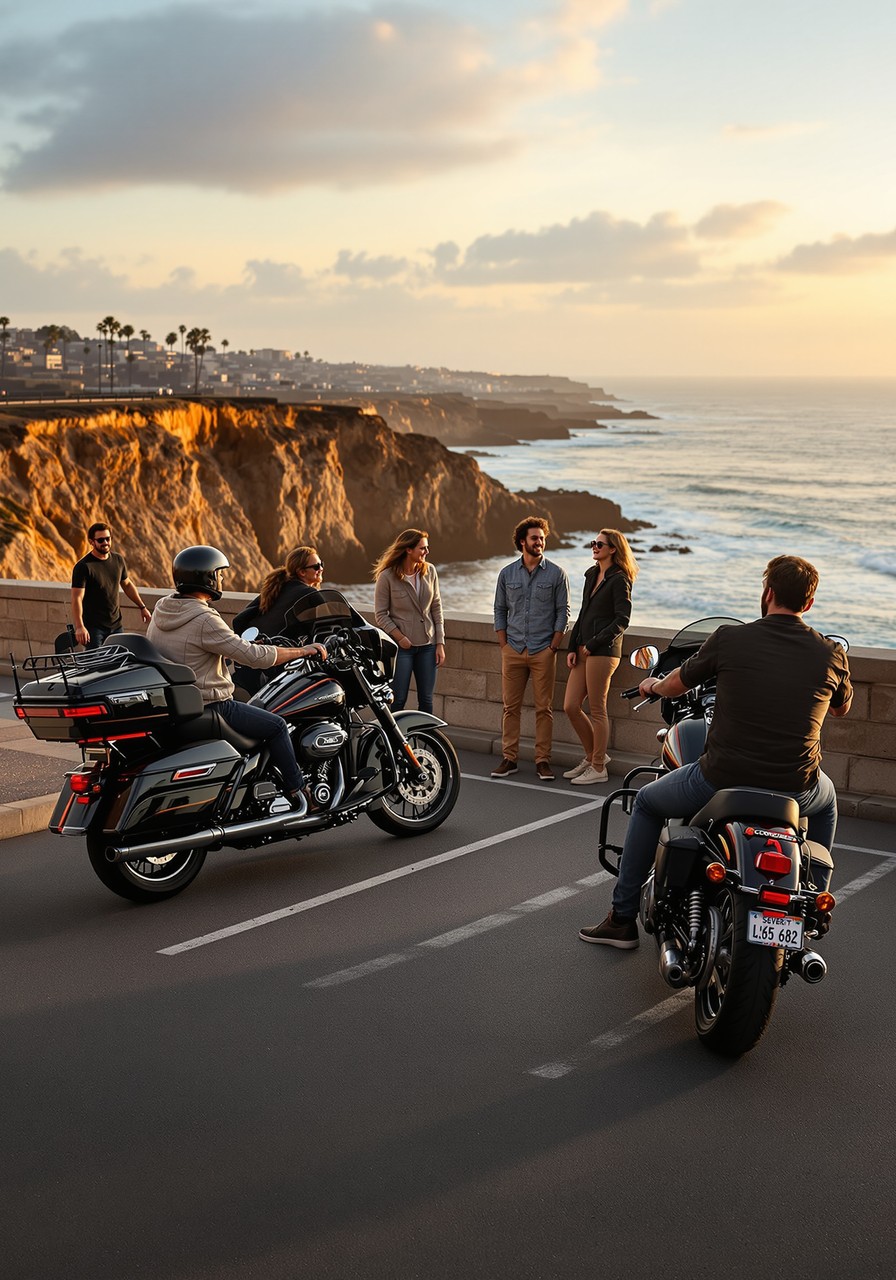
Rider confession: who packs a jacket for the marine layer and then peels it off by mid morning every single time? #RideNationSD #SanDiego #SanDiegoMoto
Giveaway & Countdown
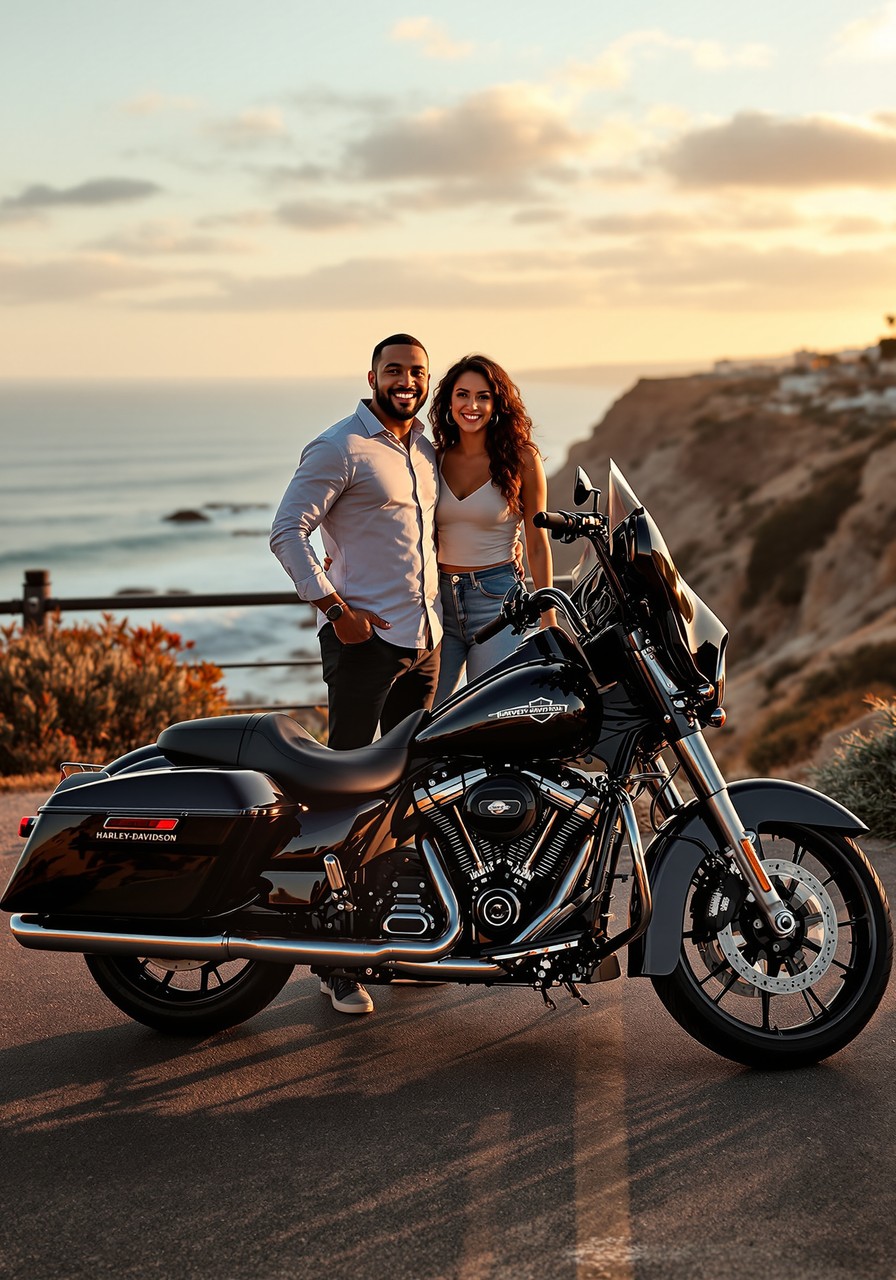
One prize. One date. Twenty thousand dollars on December 10. Ask Banker's Hill Law Firm how to enter for free at (619) 230-0330. #RideNationSD #20kGiveaway
Local San Diego & Rides
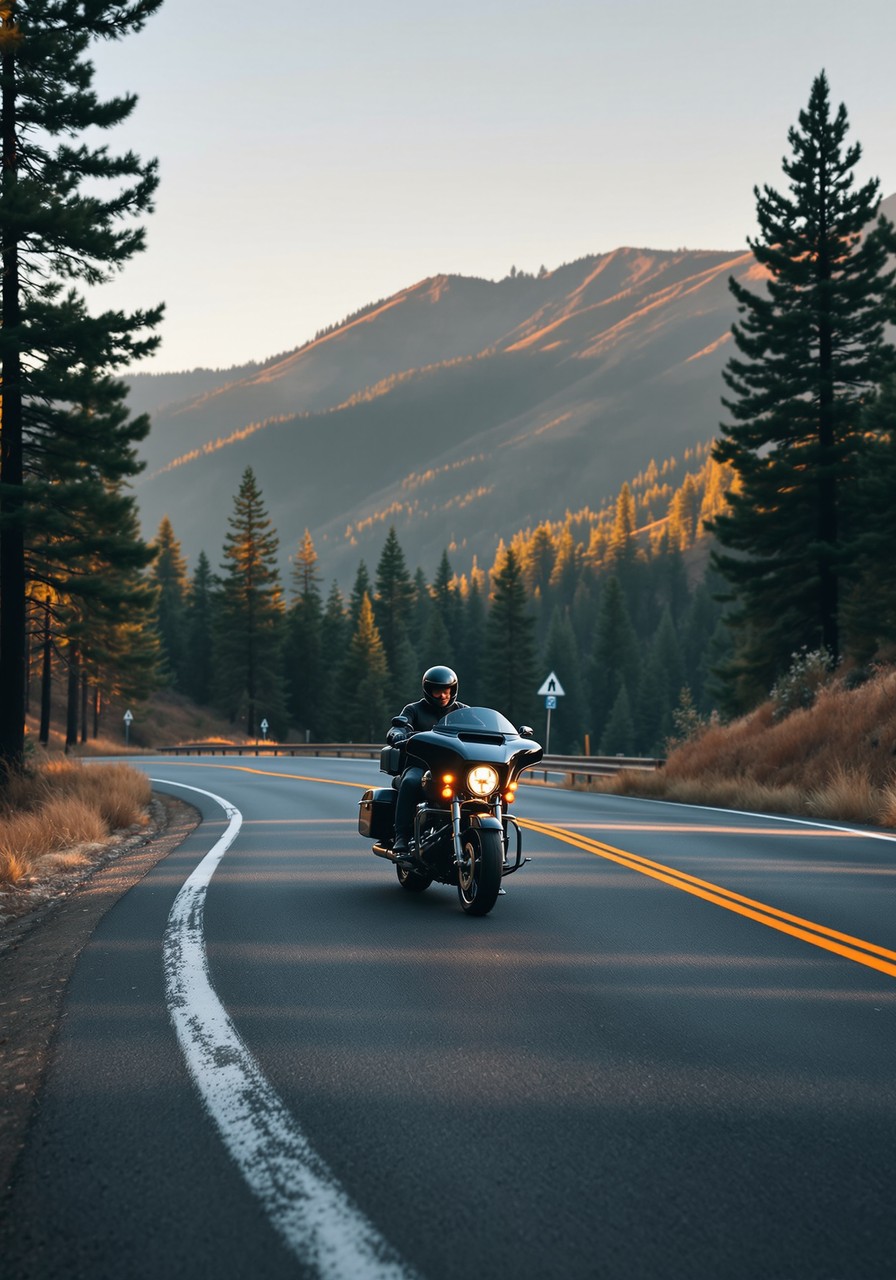
Desert season is here. Anza-Borrego mornings are crisp, the roads are clear, and the views run forever. #RideNationSD #AnzaBorrego #SanDiego #SoCalRiders
Gear & New Iron
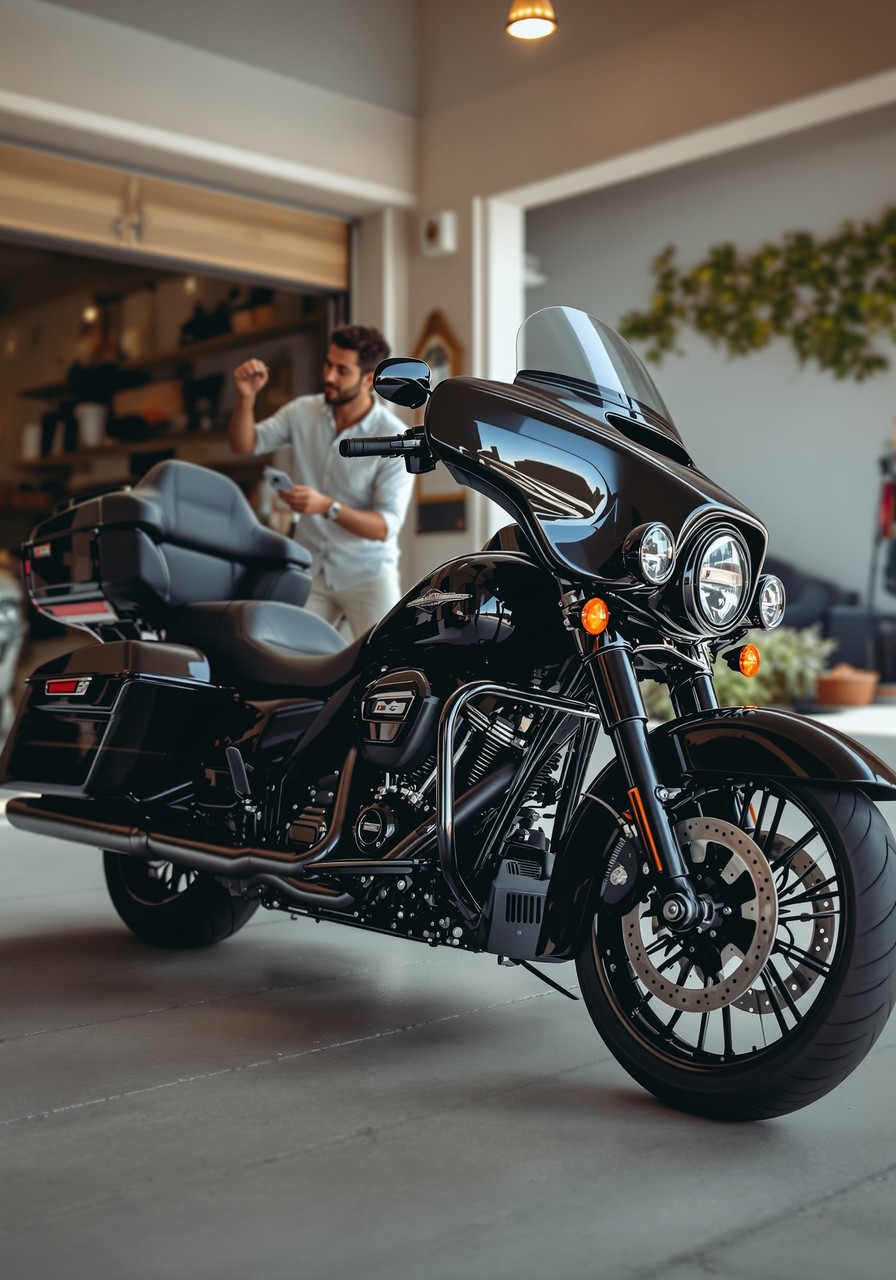
Summer jacket, winter jacket, rain shell. Three pieces cover the whole SoCal calendar from beach heat to mountain chill. #RideNationSD #GearUp #MotorcycleGear #SoCalRiders
Safety & California Law
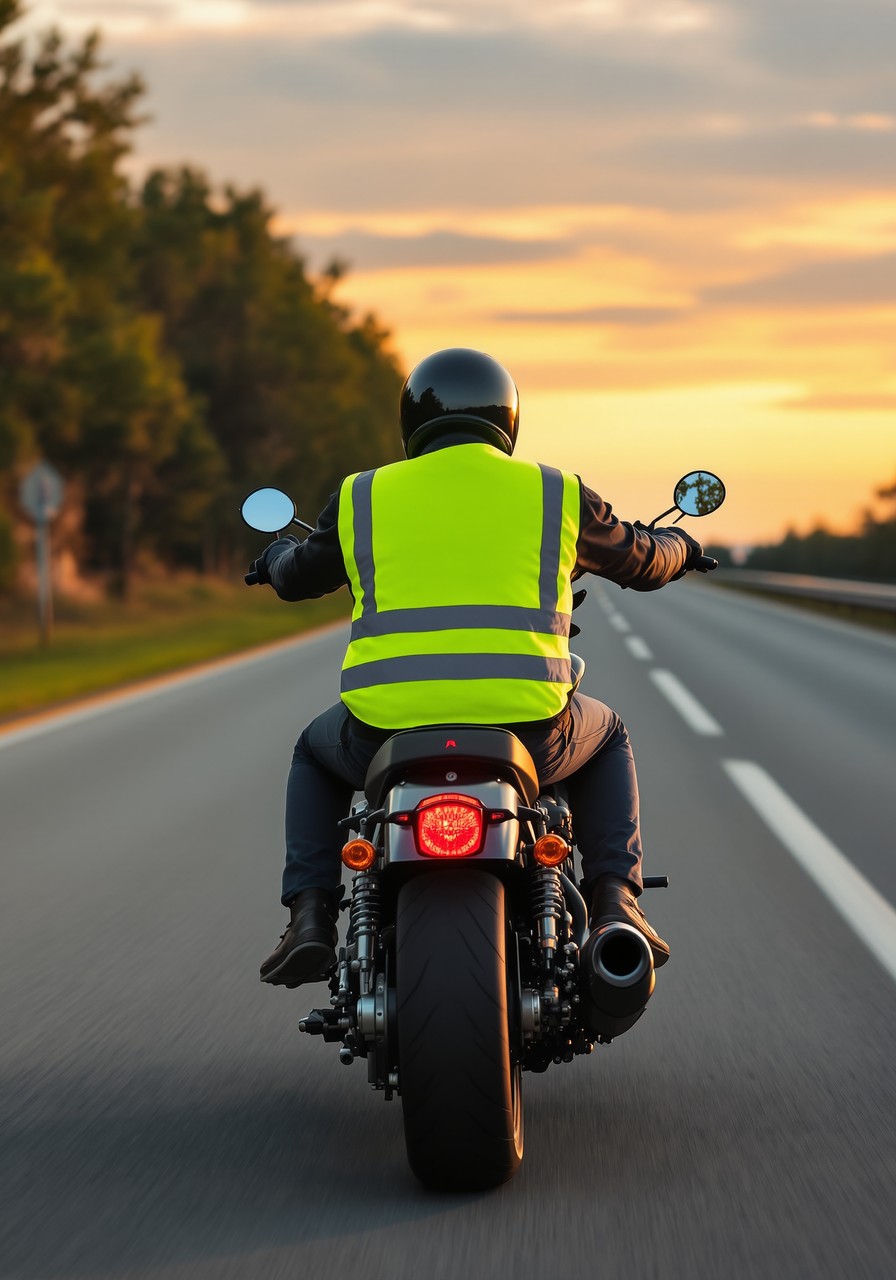
Heavy stop-and-go on the I-15 is a rear-end zone. Stagger your position, keep an eye on mirrors behind you, and leave a gap you can accelerate out of. #RideNationSD #RideSafe #FreewaySafety
Engagement
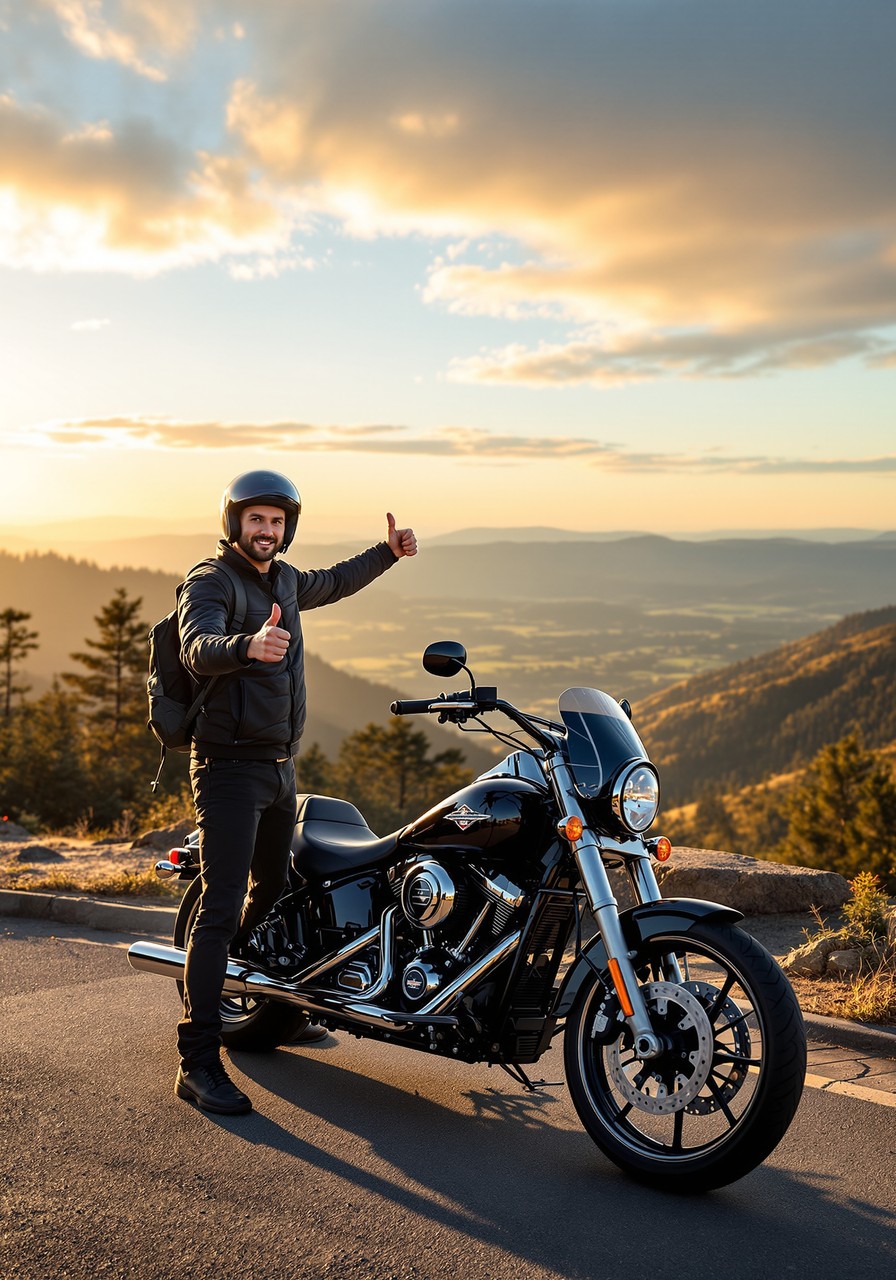
Favorite road debate: CA-163 through Balboa Park is oddly satisfying to ride. Overrated or a hidden gem? #RideNationSD #SanDiego #SoCalRiders
Giveaway & Countdown
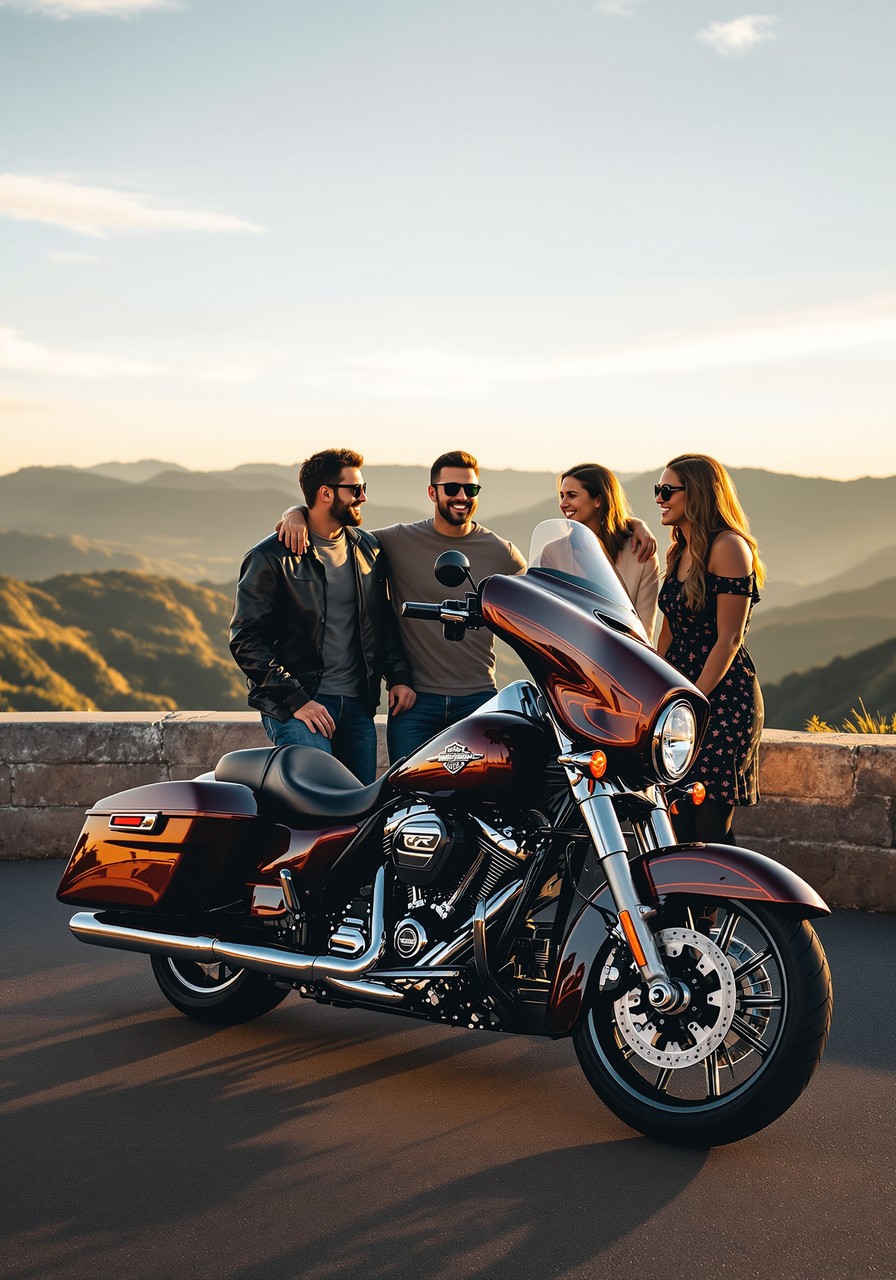
The BikersWin giveaway is our way of showing up for SoCal riders. Talk to us about your crash and you're entered for free. Learn more at bhlflaw.com. #RideNationSD #BikersWin #20kGiveaway
Local San Diego & Rides
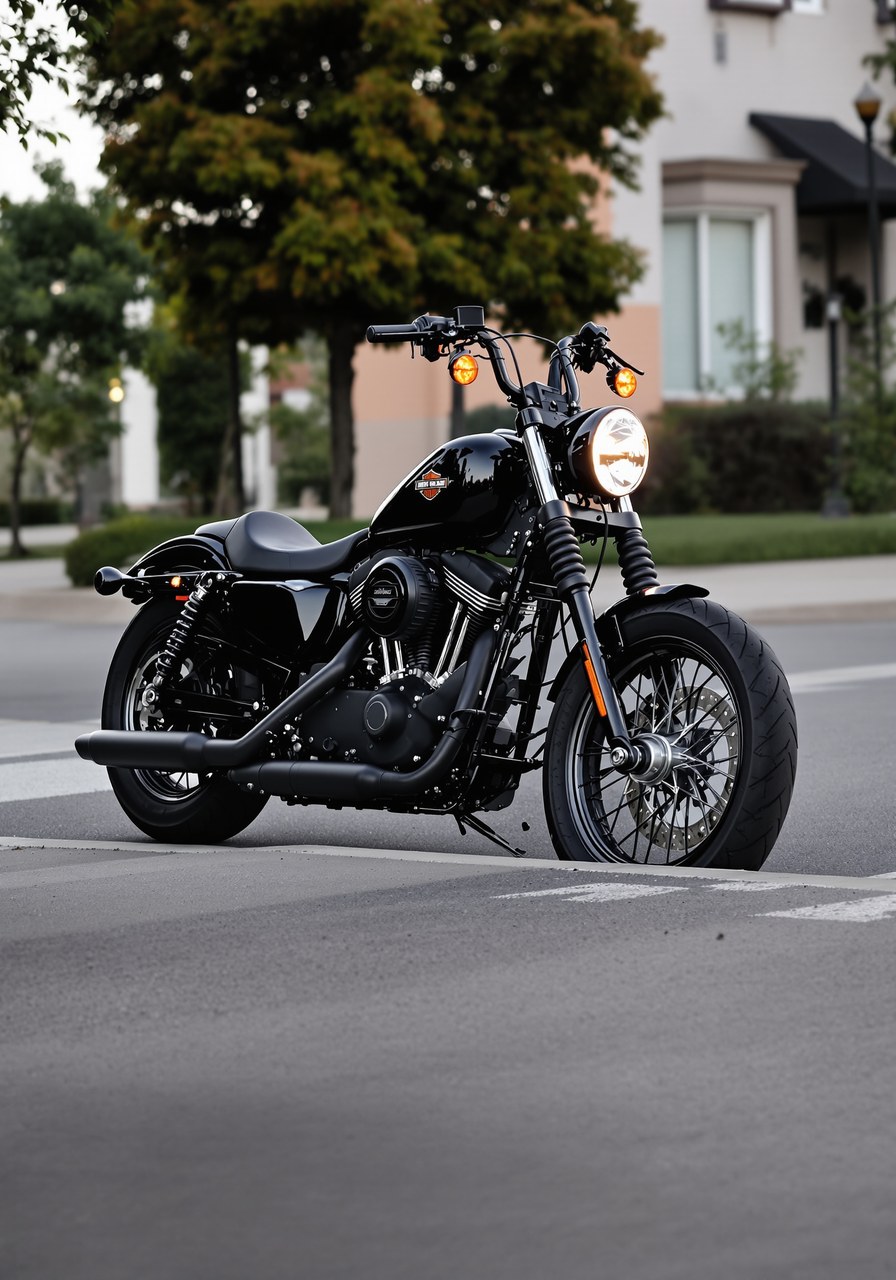
Torrey Pines bluffs, ocean haze, and an empty early lane. Some mornings the whole coast feels like yours. #RideNationSD #TorreyPines #SanDiego #PCH
Gear & New Iron
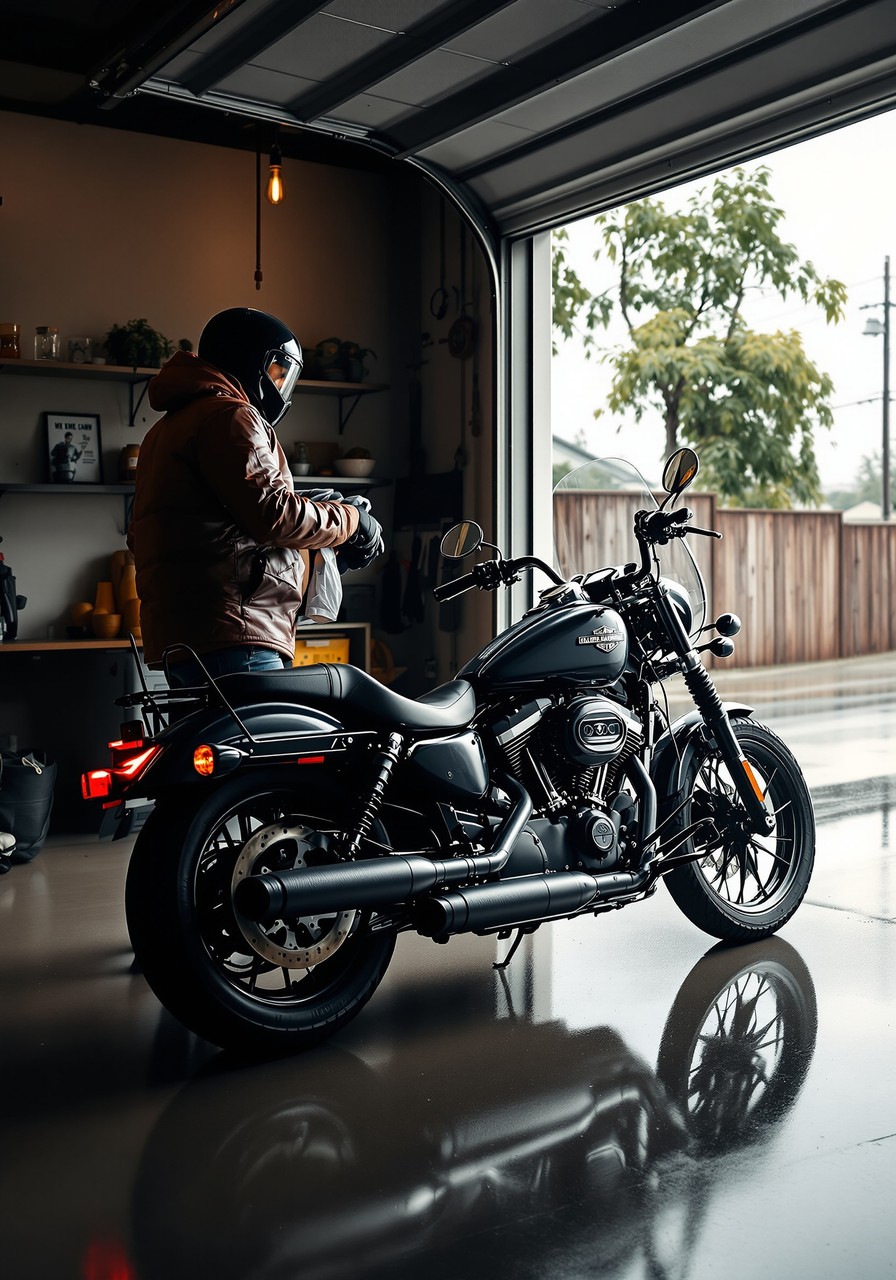
A fresh set of tires before a long PCH day is money well spent. Confidence in the lean is the whole point. #RideNationSD #RideSafe #MotorcycleGear #SanDiego
Safety & California Law
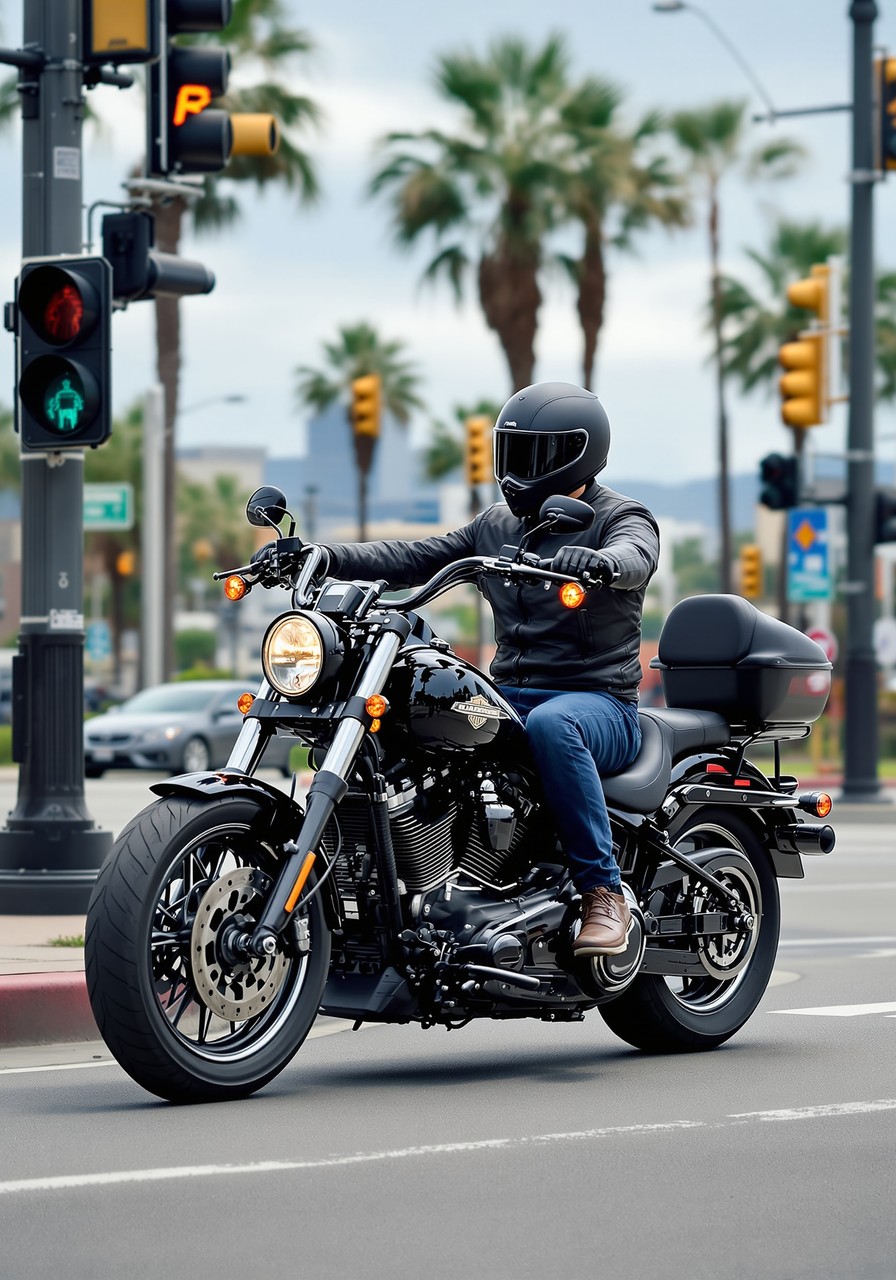
Wet metal grates, manhole covers, and Botts dots get slick in the rain. Straighten the bike and roll across them smoothly instead of braking or leaning. Questions after a crash? Call Banker's Hill Law Firm at (619) 230-0330. #RideNationSD #RideSafe #WetRoads
Engagement
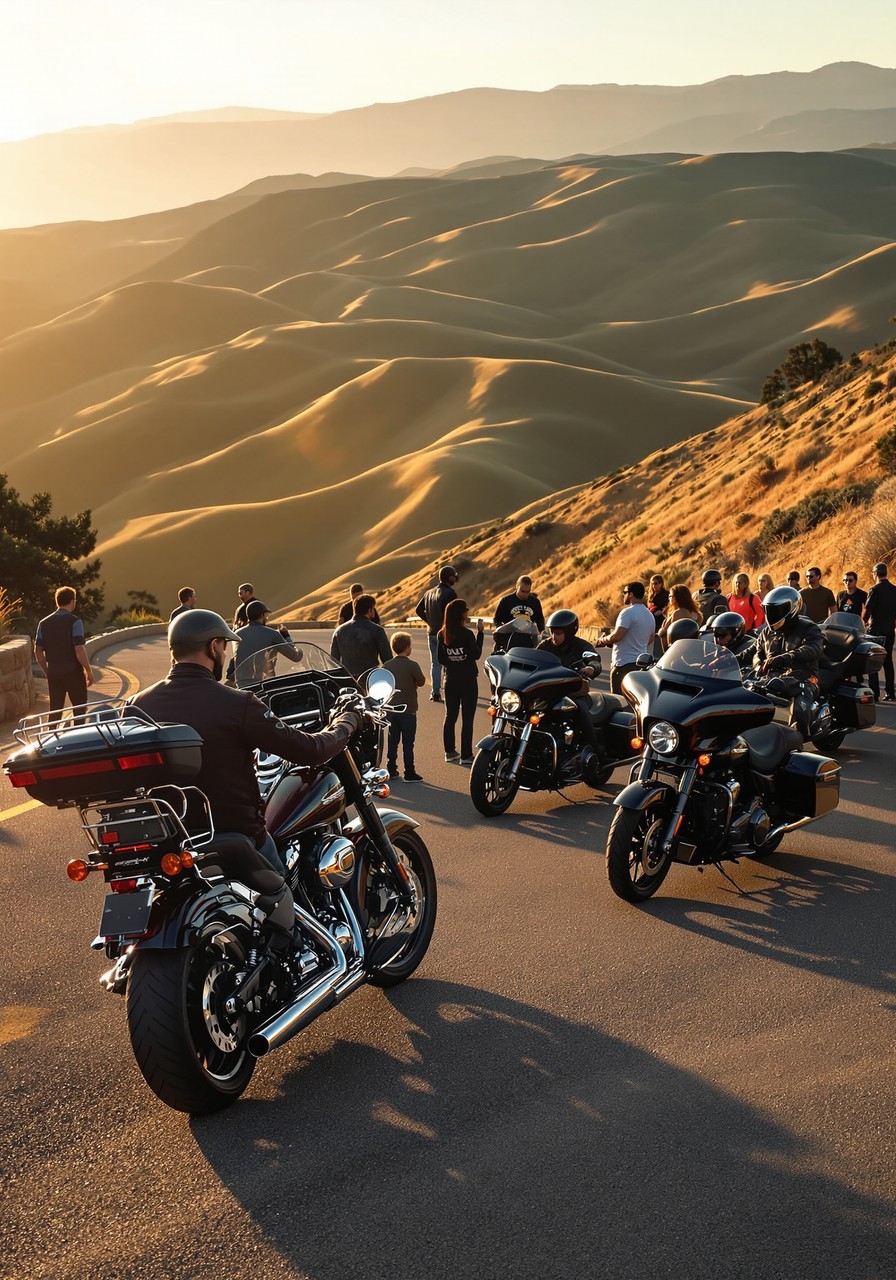
This or that: a long cruise on PCH or a tight loop around Mount Soledad before breakfast? #RideNationSD #PCH #SanDiegoMoto
Giveaway & Countdown
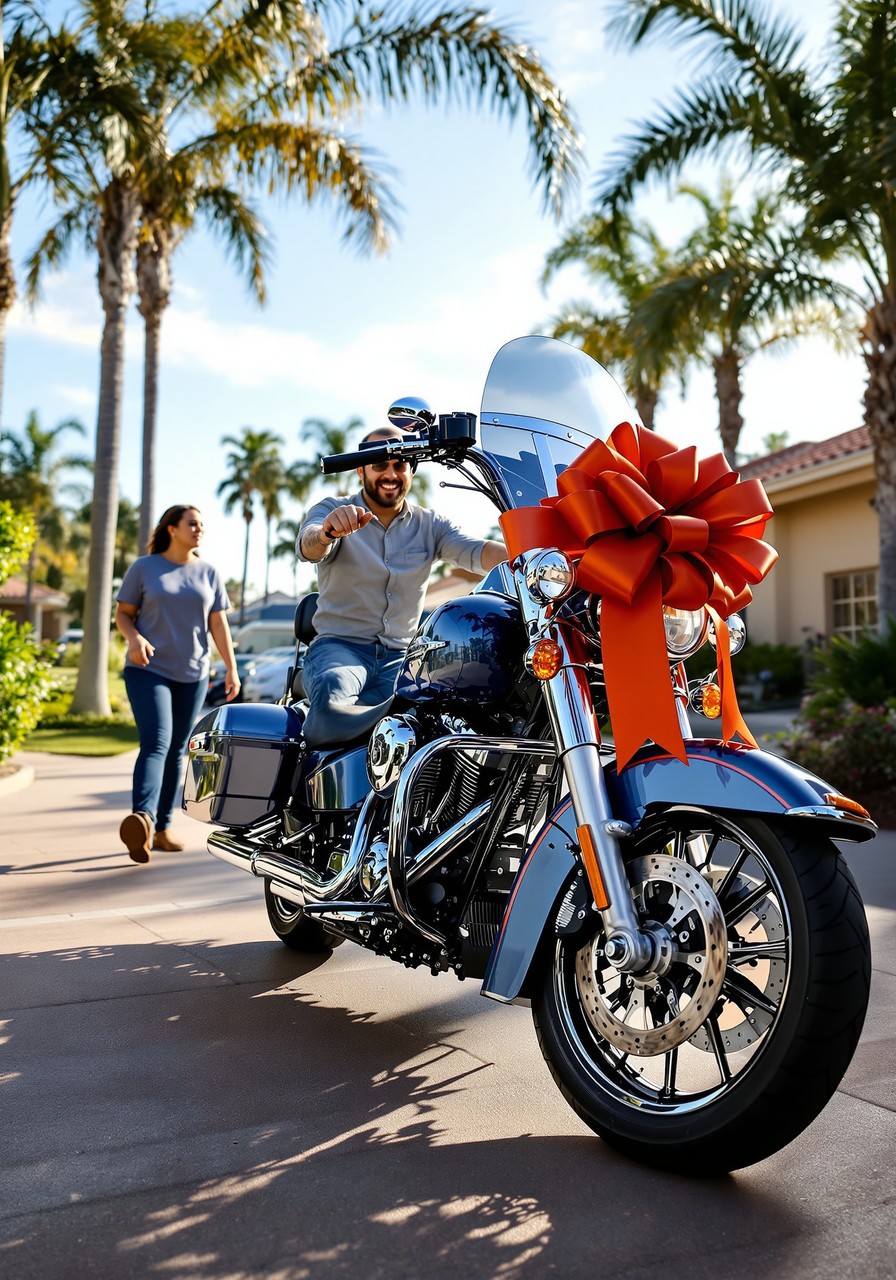
Last call energy is building for December 10. Don't leave a free $20,000 entry on the table. Call Banker's Hill Law Firm at (619) 230-0330 today. #RideNationSD #BikersWin
Local San Diego & Rides
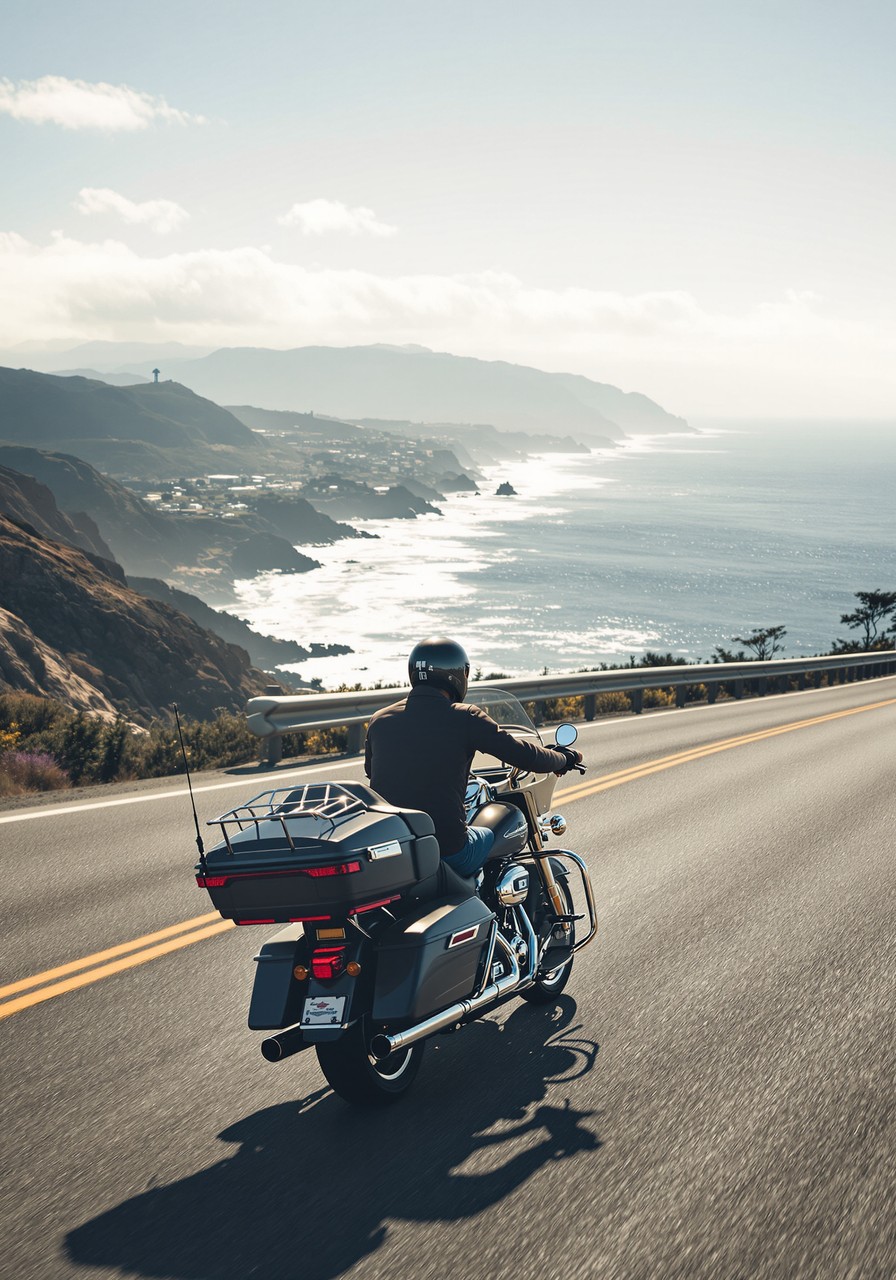
Sunrise Highway S1 in the fall is quiet, cool, and lined with gold. Mount Laguna at its finest. #RideNationSD #SunriseHighway #SanDiego #MountLaguna
Gear & New Iron
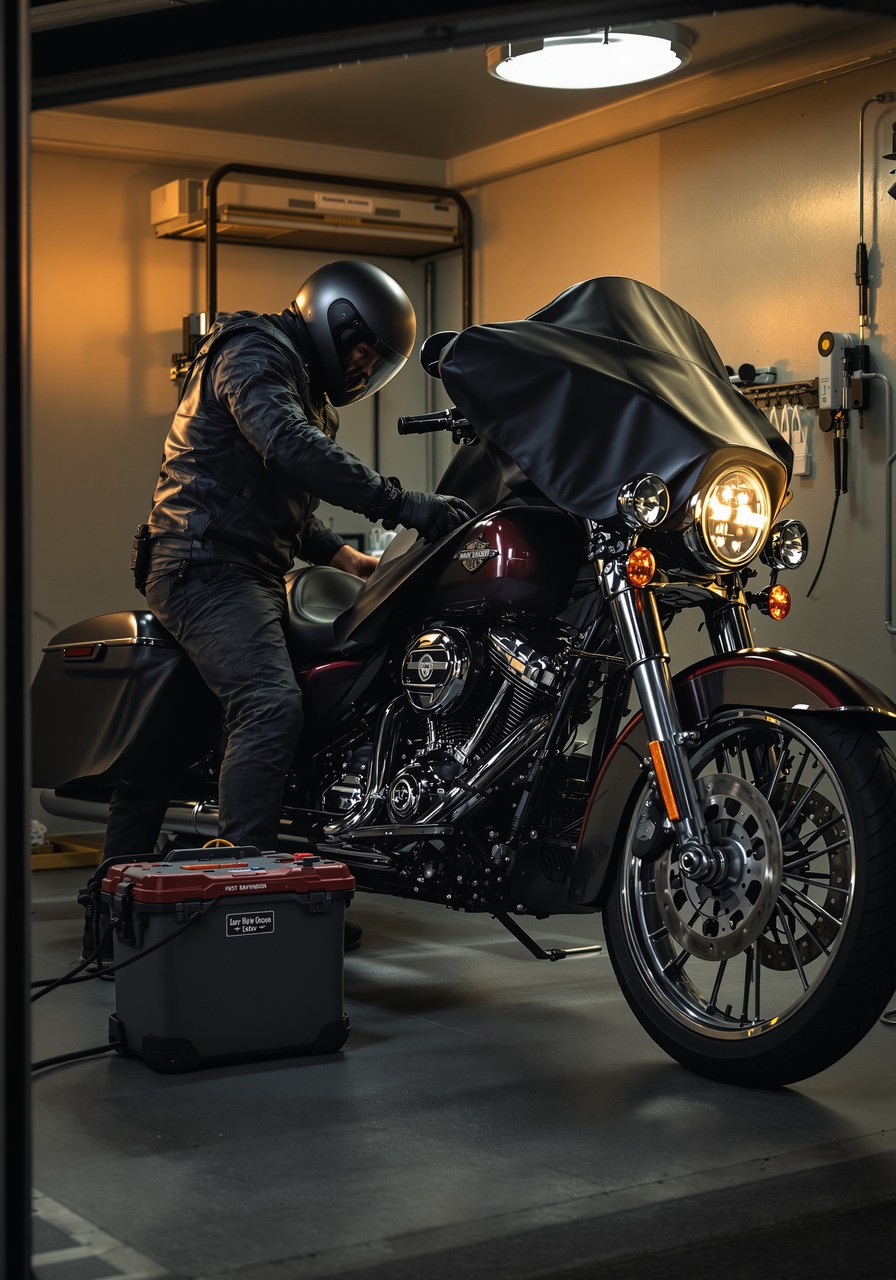
Riding gloves with knuckle armor and palm sliders read casual and protect serious. Best of both worlds for the daily rider. #RideNationSD #ATGATT #MotorcycleGear #GearUp
Safety & California Law
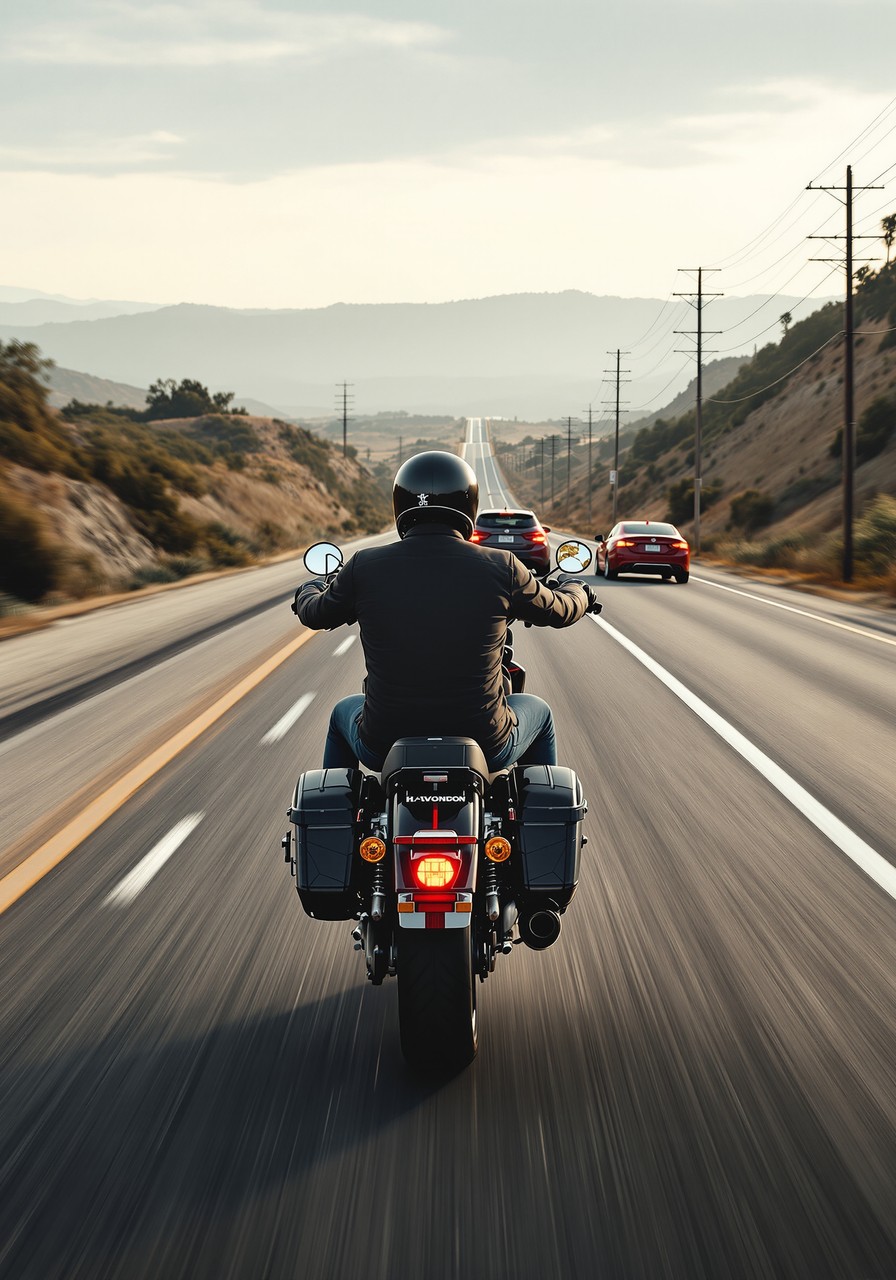
Conspicuity is your first line of defense at night. Bright or reflective gear, a clean visor, and smart lane position help drivers see you sooner. Questions? Call Banker's Hill Law Firm at (619) 230-0330. #RideNationSD #RideSafe #NightRiding
Engagement
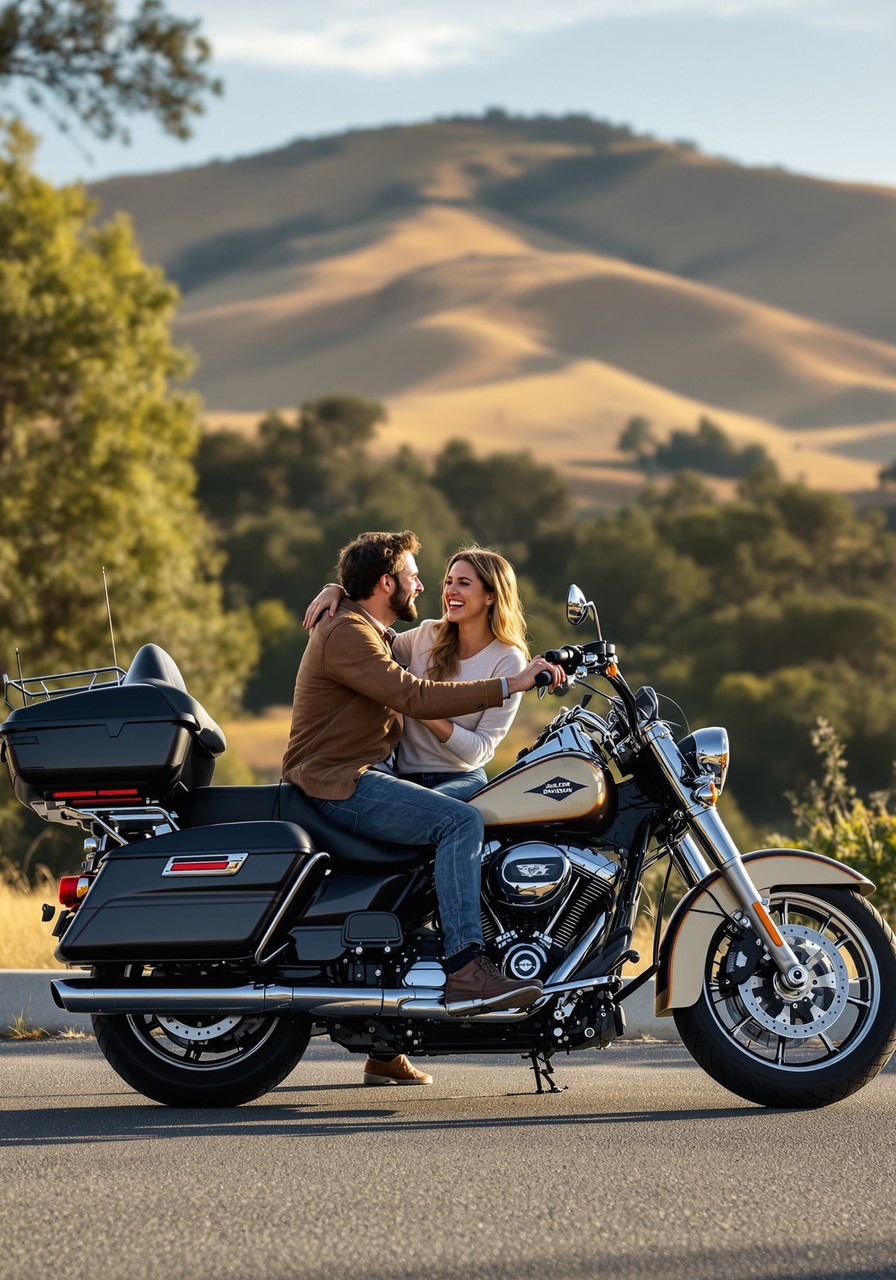
Weekend plans, riders: name the road and name the taco stop. We will meet you there in spirit. #RideNationSD #SanDiego #SoCalRiders
Giveaway & Countdown
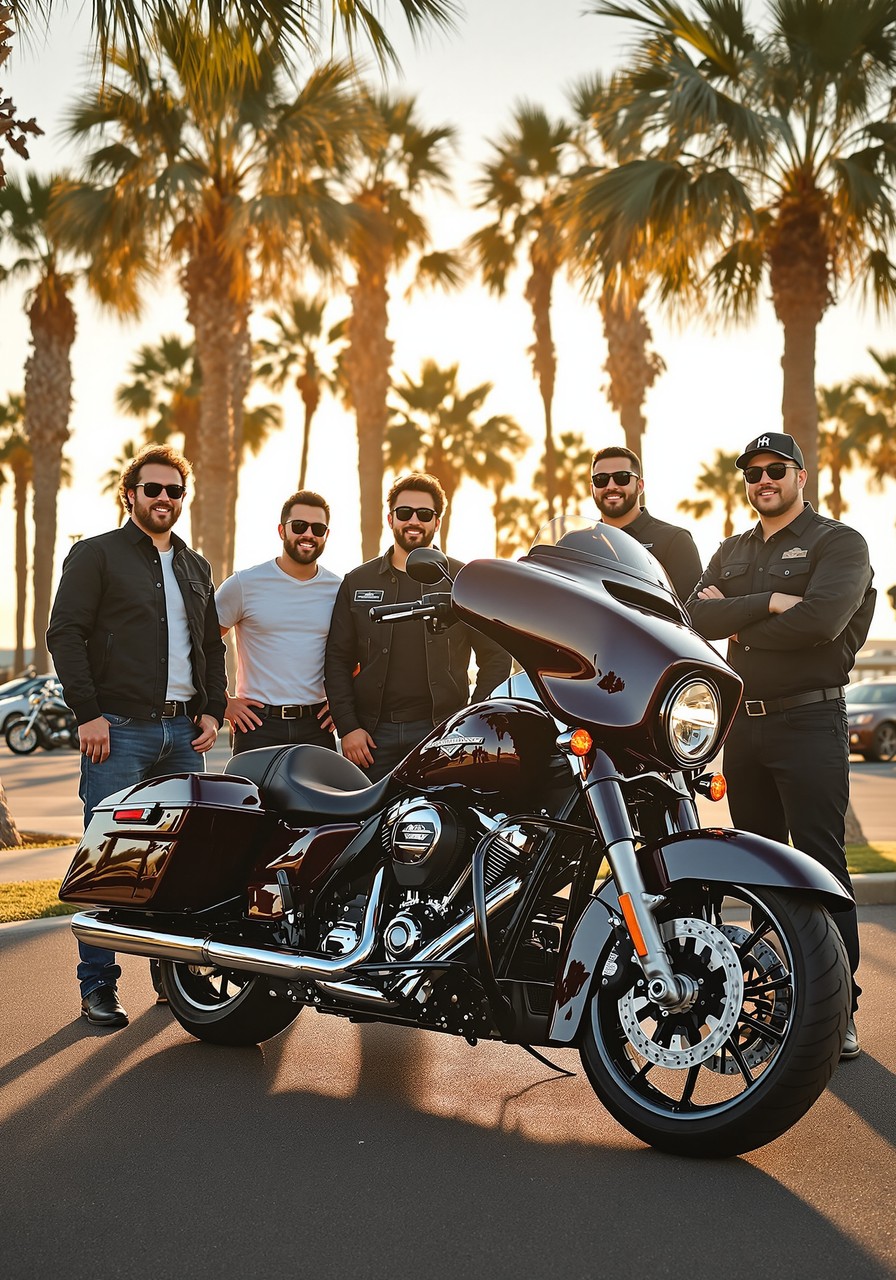
December 10 is drawing day and the whole Ride Nation is watching. Talk to us about your crash, get entered for free, and cross your fingers. bhlflaw.com. #RideNationSD #BikersWin #20kGiveaway
Local San Diego & Rides
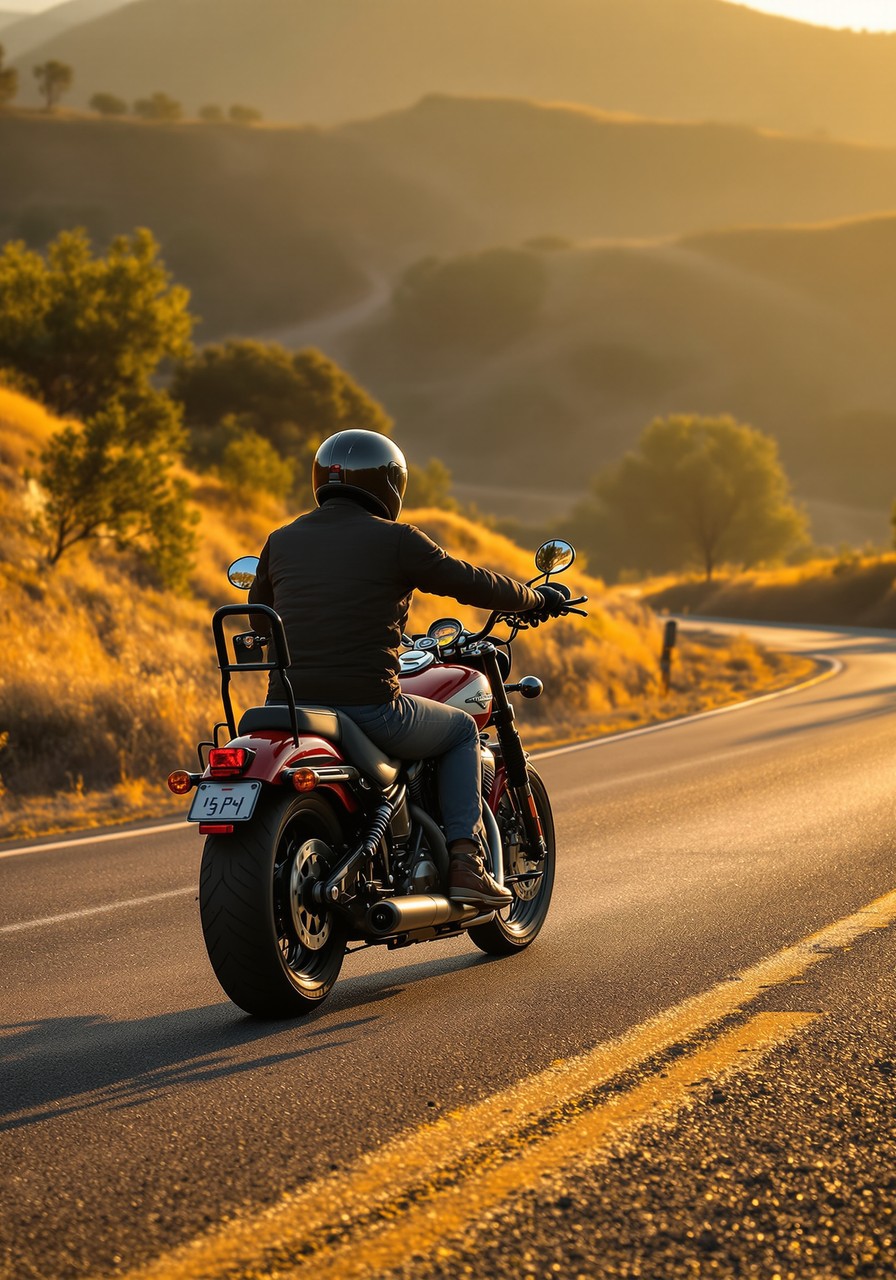
From Palomar peaks to Coronado's sweep, San Diego stacks a lifetime of rides into one county. Plan your next one. #RideNationSD #SanDiego #PalomarMountain #SoCalRiders
Gear & New Iron
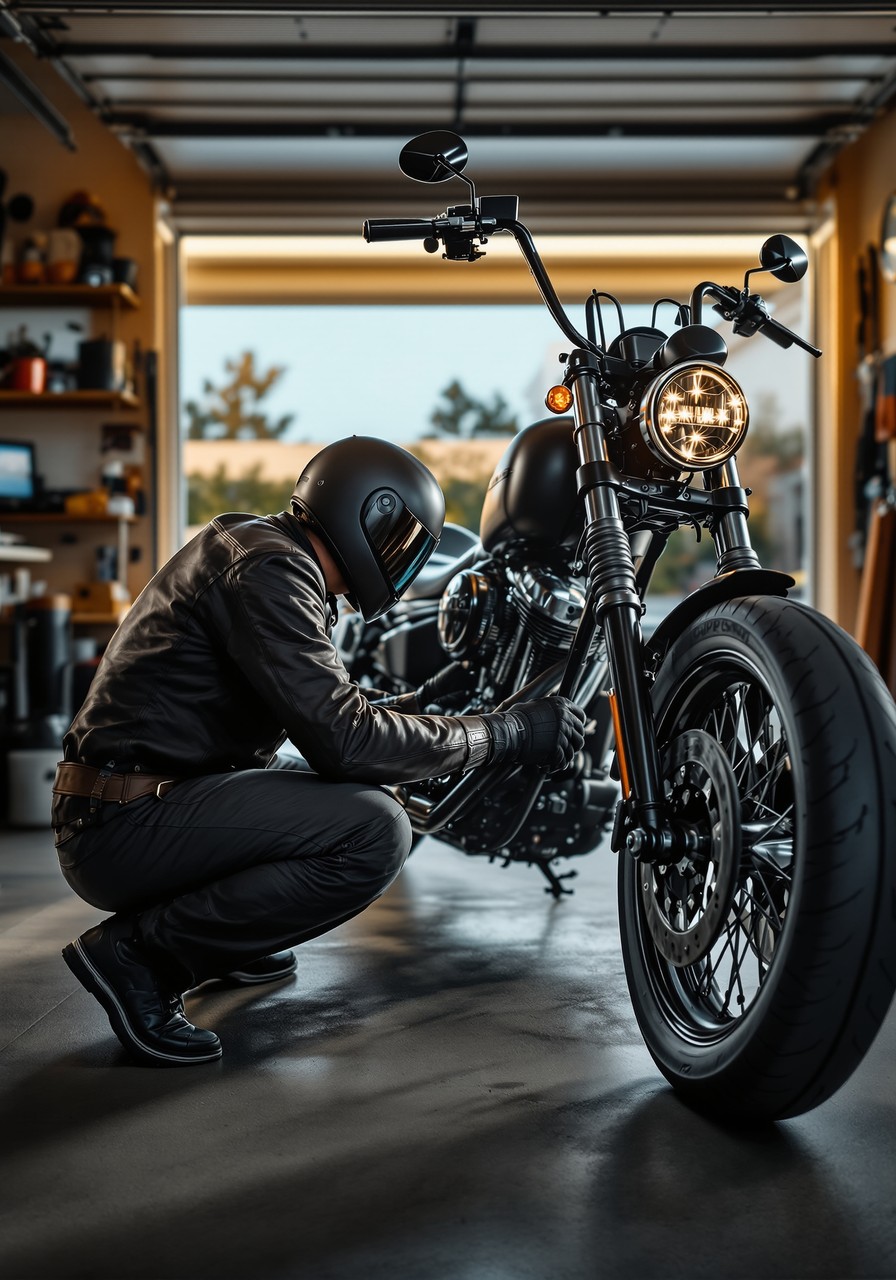
New iron in the garage, gear checked, tires fresh. That is the feeling we ride for. Suit up and go make the season count. #RideNationSD #NewIron #GearUp #SoCalRiders
Safety & California Law
Know your coverage before you need it. Between health insurance, optional MedPay, and UM/UIM, the choices you make today decide how protected you are tomorrow. Questions after a crash? Call Banker's Hill Law Firm at (619) 230-0330. #RideNationSD #RideSafe #InsuranceTips